
Lettuce in Zone 8B — Northern California
Lactuca sativa · Your Complete 2026 Planting Guide
Time to Buy Starts!
Seed starting window passed, but starts are available now.
Buy Starts Now
Head to your local nursery, Home Depot, or farmers market for transplants.
- Look for stocky plants with dark green leaves
- Avoid leggy seedlings or plants already flowering
- Check that roots aren't circling the pot (rootbound)
How to Plant Lettuce in Zone 8B — Northern California
Here are all your options for getting lettuce in the ground, from the easiest method to more advanced approaches.
Direct Sow Seeds
RecommendedEarly February through late September
around February 1
Consider succession planting every 2-3 weeks for continuous harvest.
Lettuce germinates easily in cool soil. Succession sow every 2-3 weeks.
Start Seeds Indoors
RecommendedMid January through early February
around January 18
Then transplant: Mid February through late March
Start seeds 4-6 weeks before transplanting outdoors.
Starting indoors gives you an earlier harvest.
Buy Starts
Works WellMid February through late March
around February 15
Plant purchased starts after last frost (March 1).
Lettuce starts are inexpensive and widely available.
Transplant Outdoors
Timing InfoMid February through late March
around February 15
Can tolerate light frost, but wait for soil to be workable.
You have a nice window — no need to rush.
Fall Planting
Late September through late October
October 14 ideal · Direct sow for fall harvest
Plant a second crop in mid-summer for fall harvest. Lettuce actually prefers the cooling temperatures of fall.
Overview
Lettuce thrives in Northern California's Mediterranean climate, giving you crisp, flavorful leaves that put grocery store options to shame. Our mild winters and long growing season mean you can enjoy fresh salads almost year-round, with varieties ranging from buttery Boston to peppery arugula. The cool morning fog along the coast and our naturally moderate temperatures create ideal conditions for this cool-season crop.
While our dry summers and occasional heat waves can challenge lettuce production, smart timing and succession planting keep your salad bowl full. With a 269-day growing season, you have multiple planting windows to work around the hottest months. The key is understanding when to push forward in our early spring and when to hold back during summer heat spells.
Starting Seeds Indoors
Starting lettuce seeds indoors makes sense when you want an early harvest or better control over germination. Sow seeds in seed trays from mid-January through early February, about 4 weeks before your planned transplant date. Lettuce seeds are tiny, so scatter them lightly on the surface of seed-starting mix and barely cover them.
Keep your seed trays in a cool spot around 60-65°F – lettuce actually prefers cooler conditions than most vegetables. Bottom watering works well here since the seeds are so small and surface-level. A bright windowsill or grow light provides enough illumination for these quick-sprouting seeds.
Indoor starting gives you a head start on the season, especially valuable given our early spring timing. You'll have sturdy transplants ready when soil conditions are perfect, rather than waiting for outdoor soil to warm up adequately for direct seeding.
Transplanting Outdoors
Transplant your lettuce seedlings outdoors from mid-February through late March, when the soil has warmed slightly but temperatures stay cool. Harden off seedlings for about a week by gradually exposing them to outdoor conditions – start with a few hours of morning sun and work up to full days outside.
Space transplants 6-12 inches apart depending on variety, with head lettuce needing the wider spacing. Our unpredictable late winter weather means watching for sudden temperature swings that can shock young transplants. A bit of row cover or even overturned milk jugs can protect them during unexpected cold snaps.
Lettuce starts are inexpensive and widely available at local nurseries throughout our planting season. This makes transplanting an easy option if your indoor seeding didn't go as planned or you want to try new varieties without the fuss of seed starting.
Direct Sowing
Direct sowing works beautifully for lettuce in Northern California, especially for succession plantings throughout the season. Sow seeds from early February through late September, skipping the hottest part of summer unless you can provide consistent shade. Lettuce seeds germinate easily in cool soil, often sprouting within a week when conditions are right.
Prepare your planting area with loose, well-draining soil enriched with compost. Scatter seeds thinly and cover with just a light dusting of soil – they need some light to germinate properly. Space final plants 6-12 inches apart by thinning seedlings as they grow, using the tender thinnings in salads.
The real advantage of direct sowing is succession planting every 2-3 weeks for continuous harvests. This works especially well in our climate since you can plant from late winter straight through fall. During summer months, choose a spot that gets morning sun but afternoon shade to prevent bolting.
Watering Lettuce in Zone 8B (Northern California)
Lettuce demands consistent moisture throughout its shallow root system, making water management crucial in our dry-summer climate. These plants have no drought tolerance – their leaves are mostly water, and they'll wilt or turn bitter quickly under stress. The finger test works well here: stick your finger 2 inches into the soil, and if it's dry, it's time to water.
Plan on about 1 inch of water per week during our dry months, applied through drip irrigation or soaker hoses rather than overhead sprinklers. Our low humidity means water evaporates quickly from leaves, and wet foliage in the evening can encourage slug problems. Water deeply but less frequently to encourage roots to grow down rather than staying at the surface.
Summer heat intensifies watering needs dramatically. During hot spells, you might need to water every other day, especially for container-grown lettuce. Morning watering gives plants time to absorb moisture before afternoon heat hits, and helps soil stay cool longer.
A 2-3 inch layer of mulch around plants conserves precious water and keeps soil temperatures down during our warm days. Straw or shredded leaves work well, but keep mulch slightly away from plant stems to prevent pest hiding spots. This becomes especially valuable during water restriction periods when every drop counts.
🧪Fertilizing Lettuce
Feeding Schedule
Organic Fertilizer Options
Harvest Time
Your first lettuce harvests start rolling in from mid-March through early December, with peak production during our mild spring and fall months. Leaf lettuce varieties are ready when individual leaves reach 4-6 inches long, while head varieties need firm, full heads before cutting. Look for heads that feel solid when gently squeezed but haven't started sending up a central flower stalk.
Harvest leaf lettuce by cutting outer leaves at the base, leaving the growing center intact for continued production. This "cut-and-come-again" method keeps plants producing for weeks. For head lettuce, cut the entire plant at soil level with a sharp knife, ideally in the cool morning hours when leaves are crisp and full of moisture.
Watch carefully for bolting signs as our days lengthen and warm up – once that central stalk appears, leaves quickly turn bitter. This typically happens faster during warm spells, so stay ahead of the plants during late spring and early fall temperature swings.
As our first frost approaches in late November, harvest remaining heads completely or cover plants with row covers for extended picking. Many lettuce varieties can handle light frosts, giving you salads well into winter with minimal protection.
Common Problems in Zone 8B (Northern California)
Bolting Your lettuce suddenly shoots up a tall central stalk with small flowers, and leaves turn bitter almost overnight. This premature flowering happens when plants shift from leaf production to seed production, triggered by our lengthening days combined with warm weather or drought stress.
Prevent bolting by planting at the right times for our climate – early spring and fall rather than late spring. Choose bolt-resistant varieties for summer growing, and provide afternoon shade during warm spells. Consistent watering is crucial since drought stress triggers early flowering. Succession planting every 2-3 weeks ensures you always have young, tender plants coming along.
Aphids Clusters of tiny green, black, or white insects appear on leaf undersides and stems, leaving behind sticky honeydew residue. New growth becomes curled or distorted, and you might notice ants farming the aphids for their sugary secretions. These sap-sucking pests multiply rapidly during our warm spring weather.
Blast aphids off with a strong spray from your hose – they rarely climb back up. Encourage beneficial insects like ladybugs and lacewings by planting yarrow, fennel, and other flowering plants nearby. For heavy infestations, insecticidal soap works well, or neem oil for systemic control. Avoid high-nitrogen fertilizers which create tender growth that attracts aphids.
Slugs Irregular holes appear in leaves overnight, accompanied by silvery slime trails across foliage and soil. Damage is worst during our foggy mornings and after watering, when these night-feeding mollusks are most active. They hide under mulch, boards, and plant debris during daylight hours.
Set beer traps by sinking shallow dishes filled with beer into the soil around plants. Iron phosphate bait provides pet-safe control and works even in dry conditions. Remove hiding spots like boards and excess mulch, and water in the morning so soil surfaces dry by evening. Copper tape around raised beds creates a barrier they won't cross.
Tip Burn Brown, dried edges develop on inner lettuce leaves, similar to blossom end rot in tomatoes. This calcium uptake problem worsens during inconsistent watering cycles and hot weather, affecting the plant's ability to move calcium to developing leaves.
Maintain consistent soil moisture through regular watering and mulching. Avoid ammonium-based nitrogen fertilizers which can interfere with calcium uptake. Ensure your soil has adequate calcium levels through soil testing, and choose tip-burn resistant varieties. Provide shade cloth during unexpected heat waves to reduce plant stress.
Northern California Specific Challenges Our moderate-to-hot summers combined with low humidity create perfect conditions for rapid moisture loss from lettuce leaves. The dramatic temperature swings between our cool mornings and warm afternoons stress plants and can trigger bolting earlier than expected. During fire season, ash fall can coat leaves and interfere with photosynthesis, requiring gentle washing of harvestable plants.
Best Companions for Lettuce
Plant these nearby for healthier Lettuce and better harvests.
View Full Companion Planting Chart →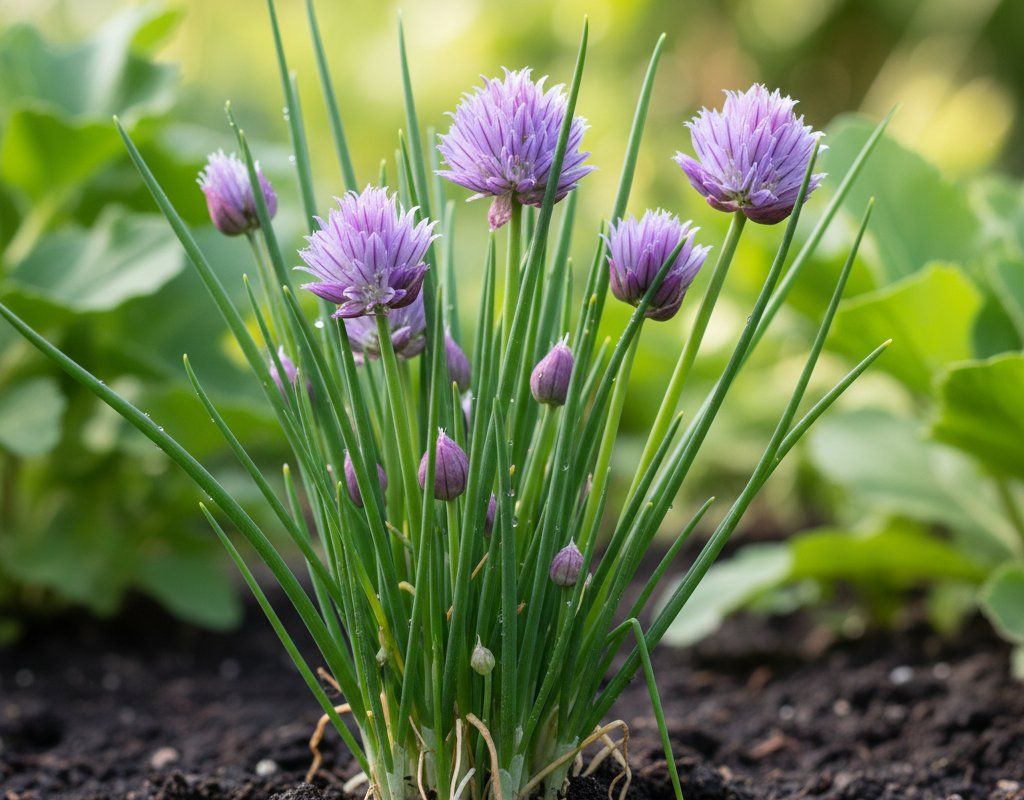


Companion Planting Details
Carrots make excellent lettuce companions since their deep taproots don't compete with lettuce's shallow roots, and carrots help break up soil compaction. Radishes planted nearby mature quickly and help mark lettuce rows while their peppery scent may deter some pests. Strawberries provide living mulch and ground cover, helping keep soil cool and moist during our warm days. Chives planted around the bed edges repel aphids with their strong scent and provide a convenient herb harvest.
Avoid planting celery and parsley near lettuce since they share similar water and nutrient needs, creating competition in the shallow soil zone where lettuce feeds. These plants also attract similar pests and can serve as alternate hosts for problems like aphids, making pest management more difficult across your garden beds.
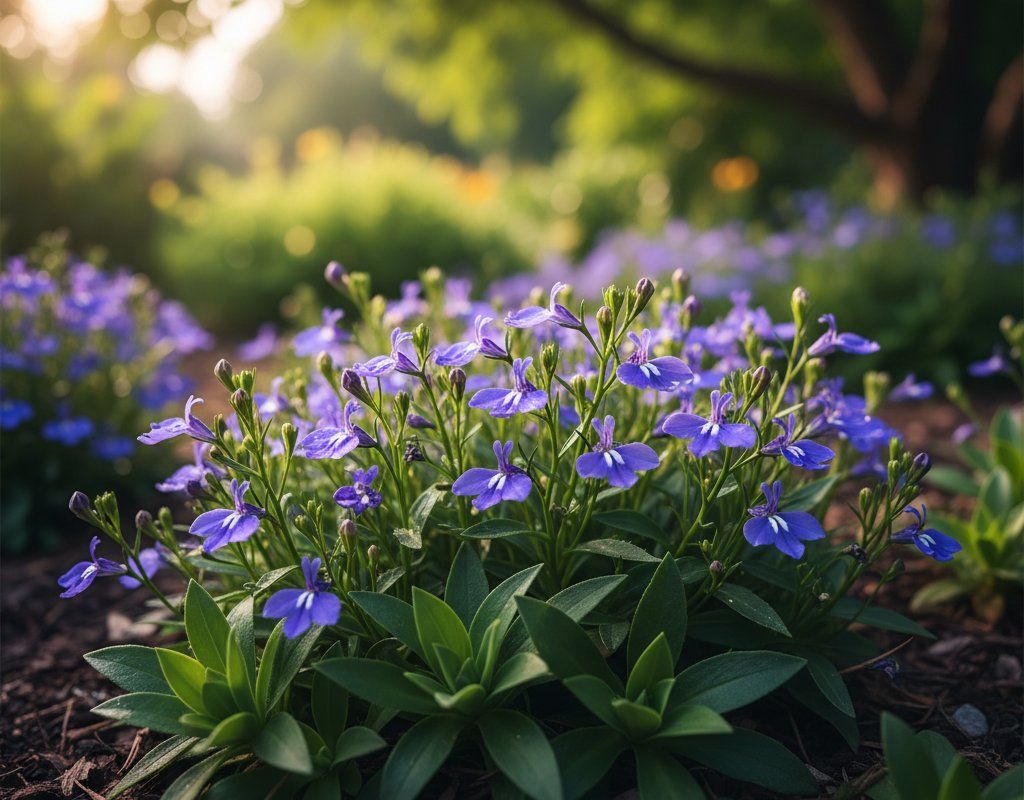
🌸Best Flowers to Plant with Lettuce
These flowers protect your Lettuce from pests and attract pollinators for better harvests.
For Pest Control





Get a Reminder When It's Time to Plant
We'll email you when key planting windows open for your zone.