
Cosmos in Zone 3B — Mountain West
Cosmos bipinnatus · Your Complete 2026 Planting Guide
Planning Ahead — Great!
You’re ahead of the season. Here’s when to start.
Mark Your Calendar
How to Plant Cosmos in Zone 3B — Mountain West
Here are all your options for getting cosmos in the ground, from the easiest method to more advanced approaches.
Direct Sow Seeds
RecommendedLate May through early July
around May 25
Consider succession planting every 2-3 weeks for continuous harvest.
Cosmos is easy to direct sow and doesn't need a head start.
Buy Starts
Works WellEarly June through early July
around June 8
Plant purchased starts after last frost (May 25).
Start Seeds Indoors
Works WellEarly to late May
around May 11
Then transplant: Early June through early July
Start seeds 4-6 weeks before transplanting outdoors.
Transplant Outdoors
Timing InfoEarly June through early July
around June 8
Wait until nighttime temperatures stay above 50°F.
You have a nice window — no need to rush.
Overview
Cosmos are one of the most rewarding flowers you can grow in our short Mountain West season. Their bright, daisy-like blooms bring vibrant color to your garden and attract pollinators like crazy. Plus, they're fantastic for cut flower arrangements, adding a touch of homegrown beauty to your home.
Our high altitude and intense sun present unique challenges, but Cosmos are surprisingly resilient. With a 108-day growing season, you can absolutely enjoy a profusion of blooms from mid-summer until the first frost. Careful timing is key to success.
Starting Seeds Indoors
Starting Cosmos indoors is an option, but honestly, they thrive so well when direct sown that it's usually not necessary in our climate. However, if you're aiming for the earliest possible blooms or want a head start due to a particularly late spring, you can start seeds indoors from early to late May, about 4 weeks before you plan to transplant.
Use seed trays with a good seed-starting mix, providing warmth and plenty of light (a grow light is ideal given our spring's late start). Bottom watering is a great way to keep the soil consistently moist without damping off; just set the tray in a shallow dish of water until the soil surface is damp.
Keep in mind that our spring weather can be unpredictable, so even if you start indoors, be prepared to protect your seedlings from late frosts when you transplant.
Transplanting Outdoors
Transplant your Cosmos seedlings outdoors from early June through early July, once the risk of frost has passed. Before transplanting, harden them off by gradually exposing them to outdoor conditions for about a week. Start with an hour or two of shade and increase the time and sun exposure each day.
When transplanting, space them 12-18 inches apart to allow for good air circulation. Our late spring can still bring unexpected cold snaps, so be ready to cover your young plants if nighttime temperatures dip.
Direct Sowing
Direct sowing is the preferred method for Cosmos in our region because they germinate easily and quickly in warm soil. Sow seeds from late May through early July, ensuring the soil temperature is at least 60°F. A good rule of thumb is to wait until after our last expected frost.
Prepare the soil by loosening it and removing any weeds. Sow seeds about 1/4 inch deep and 12-18 inches apart. Keep the soil consistently moist until the seedlings emerge, which usually takes about a week. Thin seedlings as needed to maintain proper spacing.
Watering Cosmos in Zone 3B (Mountain West)
Cosmos are wonderfully drought-tolerant, making them perfect for our dry Mountain West climate. Overwatering is a far bigger risk than underwatering, especially with our alkaline soil.
During the early part of the season, from planting through early July, water deeply but infrequently – about once a week, or less if we get any rain. Use the "finger test" – stick your finger about 2 inches into the soil; if it feels dry, it's time to water. Aim for about 1 inch of water per week. Once established, Cosmos need even less supplemental water.
Water at the base of the plants to avoid wetting the foliage, which can encourage fungal diseases, even though our humidity is low. Signs of underwatering include wilting leaves and stunted growth. Overwatering can lead to yellowing leaves and root rot.
A light layer of mulch, like shredded bark or straw, can help retain moisture in the soil and suppress weeds, but avoid heavy mulching, which can keep the soil too wet.
Pruning & Maintaining Cosmos
Deadheading is essential for keeping your Cosmos blooming throughout our short growing season. Regularly remove spent flowers by cutting the stem just above a leaf node. This encourages the plant to produce more blooms instead of setting seed.
Pinching young plants when they are about 6 inches tall can also promote bushier growth and more flowers. Simply snip off the top set of leaves. As the first frost approaches in early September, stop deadheading to allow the plant to set seed if you want to collect them for next year. Otherwise, you can leave the dried flower heads to provide winter interest.
🧪Fertilizing Cosmos
Feeding Schedule
Organic Fertilizer Options
Harvest Time
You can expect your first Cosmos blooms from mid-July through early September, about 50 days after planting. Cut flowers when the petals are just beginning to open for the longest vase life.
To harvest, use sharp scissors or pruners to cut the stem at an angle, leaving several inches of stem on the plant to encourage new growth. Harvesting regularly will keep your Cosmos producing blooms until the first frost.
As the end of the season nears, you can let some of the flower heads dry on the plant to collect seeds. The seeds are ready to harvest when the flower head is brown and dry, and the seeds easily fall out.
Common Problems in Zone 3B (Mountain West)
Here are three common problems you might encounter growing Cosmos in the Mountain West:
Flopping
- What it looks like: Stems bending or falling over, especially after rain or heavy watering.
- What causes it: Rich soil with too much nitrogen, causing excessive foliage growth that the stems can't support.
- How to fix/prevent it: Amend your soil with sand or gravel to improve drainage and reduce nutrient levels. Avoid over-fertilizing. Provide support like stakes or netting if needed.
Aphids
- What it looks like: Clusters of tiny soft-bodied insects (green, black, or white) on stems and leaf undersides. Sticky honeydew residue. Curled or distorted new growth.
- What causes it: Rapid-reproducing sap-sucking insects. Populations explode in warm weather. Ant colonies may farm them for honeydew.
- How to fix/prevent it: Strong water spray knocks them off. Encourage ladybugs and lacewings (natural predators). Insecticidal soap for heavy infestations. Neem oil works systemically. Avoid excess nitrogen fertilizer (it attracts them).
Powdery Mildew
- What it looks like: White or grayish powdery coating on leaves, stems, and sometimes fruit. Leaves curl, yellow, and die. Reduces plant vigor.
- What causes it: Various fungi that thrive in warm days, cool nights, and moderate humidity. Dry leaf surfaces actually favor it (unlike most fungi).
- How to fix/prevent it: Improve air circulation through spacing and pruning. Remove affected leaves. Neem oil or potassium bicarbonate sprays help. Milk spray (1 part milk to 9 parts water) is surprisingly effective. Plant resistant varieties.
Mountain West Specific Challenges: Our intense sun can sometimes scorch leaves if plants are not properly hardened off. Hail can also damage foliage and flowers, so consider providing temporary protection during severe storms. Our alkaline soil may benefit from amending with compost to improve nutrient availability.
Best Companions for Cosmos
Plant these nearby for healthier Cosmos and better harvests.
View Full Companion Planting Chart →


Companion Planting Details
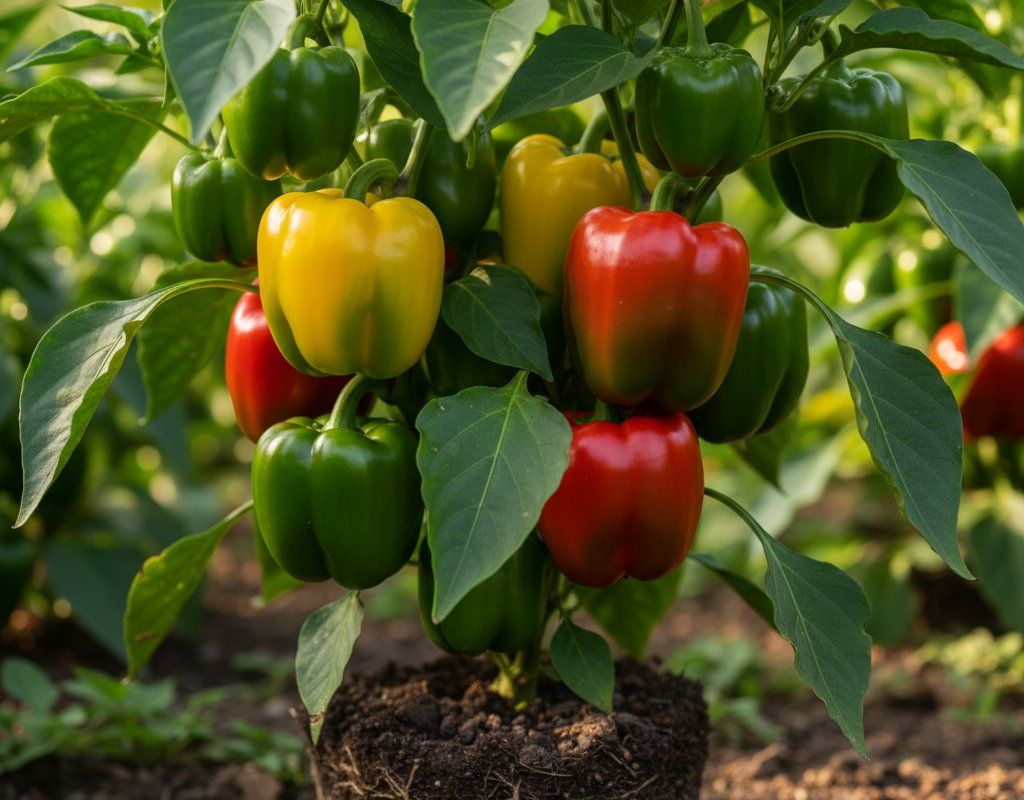
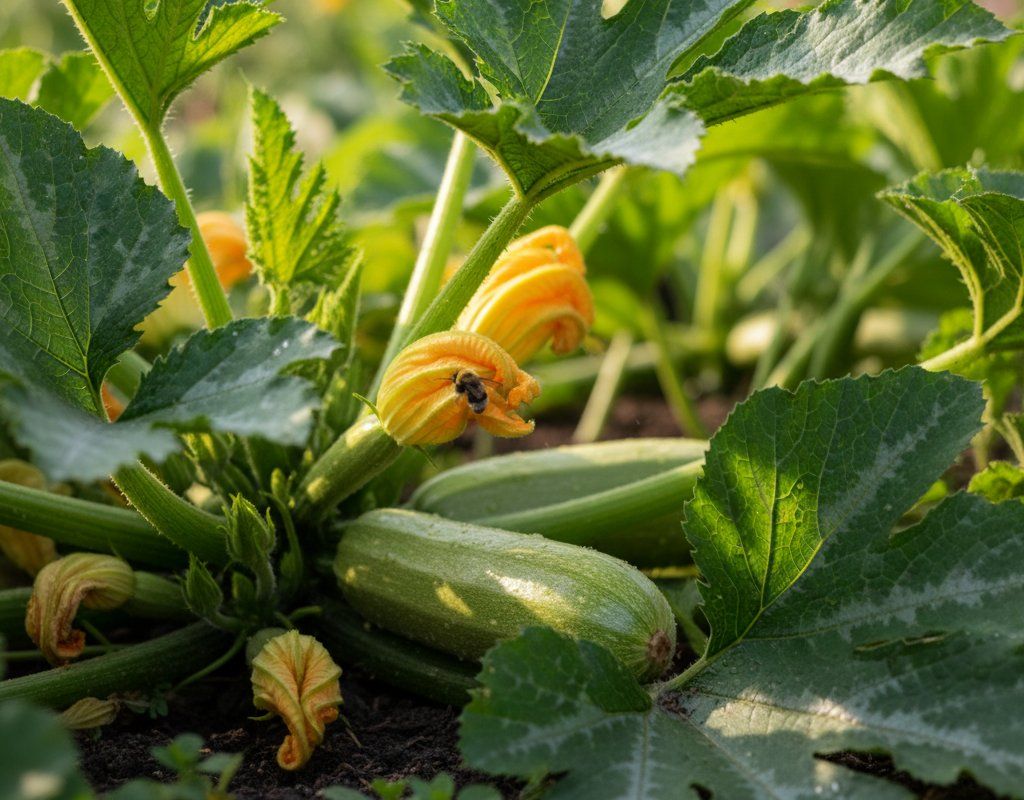
Cosmos make great companions for many plants in our Mountain West gardens. They attract pollinators that benefit tomatoes, peppers, and green beans, increasing yields. They also work well with squash, as they help to deter squash vine borers. Avoid planting Cosmos near fennel, as it can inhibit their growth.
🥬Best Vegetables to Pair With Cosmos
Cosmos benefits these vegetables through pest control, pollinator attraction, or improved garden health.





Get a Reminder When It's Time to Plant
We'll email you when key planting windows open for your zone.