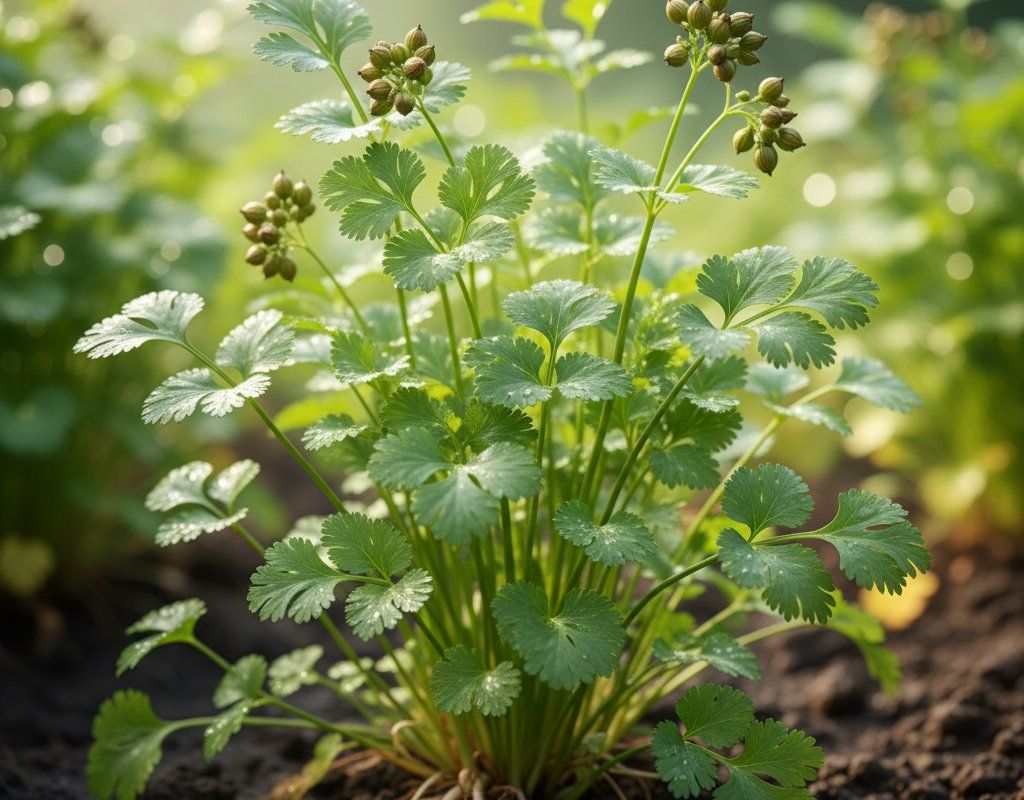
Cilantro in Zone 4A — Great Plains
Coriandrum sativum · Your Complete 2026 Planting Guide
Planning Ahead — Great!
You’re ahead of the season. Here’s when to start.
Mark Your Calendar
How to Plant Cilantro in Zone 4A — Great Plains
Here are all your options for getting cilantro in the ground, from the easiest method to more advanced approaches.
Direct Sow Seeds
RecommendedLate April through late July
around April 26
Consider succession planting every 2-3 weeks for continuous harvest.
Cilantro bolts quickly in heat. Direct sow in cool weather for best results.
Start Seeds Indoors
RecommendedEarly to late April
around April 12
Then transplant: Early May through late June
Start seeds 4-6 weeks before transplanting outdoors.
Buy Starts
Works WellEarly May through late June
around May 10
Plant purchased starts after last frost (May 10).
Transplant Outdoors
Timing InfoEarly May through late June
around May 10
Can tolerate light frost, but wait for soil to be workable.
You have a nice window — no need to rush.
Fall Planting
Late July through late August
August 14 ideal · Direct sow for fall harvest
Plant a second crop in mid-summer for fall harvest. Cilantro actually prefers the cooling temperatures of fall.
Overview
Cilantro brings that distinctive, fresh flavor our Plains cooking craves - whether you're making salsa with your homegrown tomatoes or adding depth to hearty bean dishes. This fast-growing herb thrives in our intense sunshine and performs beautifully in the cooler parts of our growing season, giving you multiple harvests when you time it right.
Our Plains climate throws some curveballs with extreme temperature swings and that relentless summer heat, but cilantro actually works with our 138-day season rather than against it. The key is understanding that this cool-season herb prefers spring and fall conditions, so you'll want to avoid the brutal midsummer heat and take advantage of our reliable spring warmth and extended fall growing window.
Starting Seeds Indoors
Starting cilantro seeds indoors makes sense if you want an early head start or better control during our unpredictable spring weather. Sow seeds in early to late April, about four weeks before you plan to transplant outside. Our variable spring temperatures make indoor starting a good insurance policy against those sudden warm spells followed by chilly nights.
Set up seed trays with quality potting mix and keep them in a warm spot around 65-70°F for germination. Once seedlings emerge, provide good light and use bottom watering to prevent damping off - just set your trays in shallow water and let the soil wick up moisture. This method works particularly well in our dry Plains air.
Keep in mind that cilantro doesn't love root disturbance, so handle transplants gently. Many Plains gardeners find direct seeding just as effective and less fussy, but indoor starting gives you more precise timing control.
Transplanting Outdoors
Move your cilantro seedlings outdoors from early May through late June, after our last frost risk passes in early May. Since cilantro is quite hardy, you can transplant earlier than heat-loving crops, but still harden off seedlings gradually over a week to adjust them to our intense Plains sunshine and wind.
Space transplants 6-8 inches apart in your garden bed, giving them room to develop without crowding. Plant them slightly deeper than they were in their containers to encourage strong root development in our prairie soil. Morning sun with some afternoon shade works well during the hotter parts of summer.
Wind protection becomes essential as transplants establish - our constant Plains breeze can stress young plants. Consider temporary row covers or plant near taller companions that can provide some shelter while they get established.
Direct Sowing
Direct sowing works beautifully for cilantro in our Plains climate, especially from late April through late July. The key is timing your sowings to avoid the hottest summer weeks when cilantro bolts almost immediately. Early spring and late summer sowings give you the best results.
Prepare your soil by working in some compost - our prairie soil is naturally fertile, but cilantro appreciates good drainage and organic matter. Sow seeds about ¼ inch deep and 6-8 inches apart, or broadcast more thickly and thin as plants develop. Seeds germinate quickly in cool, moist soil.
For continuous harvest, succession sow every 2-3 weeks from late April through mid-June, then resume in late July through August. This strategy works around our intense summer heat while maximizing your harvest window. Direct-sown cilantro often performs better than transplants since there's no root disturbance.
Watering Cilantro in Zone 4A (Great Plains)
Cilantro needs consistent moisture to prevent premature bolting, which becomes challenging during our hot Plains summers. Aim for about 1 inch of water per week, adjusting based on our variable rainfall patterns. During dry spells - common here - you'll need to supplement regularly.
Check soil moisture using the finger test: stick your finger 2 inches deep into the soil near your plants. If it feels dry at that depth, it's time to water. In our low-to-moderate humidity climate, soil dries out faster than in more humid regions, so check every few days during hot weather.
Water at the base of plants rather than overhead to reduce disease pressure and conserve moisture in our windy conditions. Deep, less frequent watering encourages stronger root development than light, daily sprinkling. Early morning watering works best, giving plants time to dry before evening.
Apply a light mulch around cilantro plants to retain soil moisture and moderate soil temperature swings. Grass clippings or shredded leaves work well in our Plains conditions. Watch for signs of stress: wilting during midday heat (even with adequate moisture) or premature flowering stalks appearing when plants are still small.
🧪Fertilizing Cilantro
Feeding Schedule
Organic Fertilizer Options
Harvest Time
Your first cilantro harvest typically arrives in early June through early October, about 45 days after planting. Start harvesting when plants reach 6 inches tall with multiple stems - don't wait too long since cilantro bolts quickly in our summer heat.
Cut outer stems at the base rather than picking individual leaves, which encourages continued growth from the center. Harvest frequently to keep plants productive and delay flowering. Once you see that central flower stalk starting to form, the leaves become bitter and tough, so harvest heavily before bolting occurs.
The beauty of cilantro in our Plains climate is the extended fall growing season. Plants started in late July often produce well into September, sometimes even surviving light frosts. Keep succession sowings going every few weeks to ensure continuous harvests through both spring and fall windows.
As our first frost approaches in late September, harvest entire plants and preserve excess by freezing in ice cubes or drying. Don't try to overwinter cilantro here - treat it as a seasonal crop and plan new sowings for next spring's early start.
Common Problems in Zone 4A (Great Plains)
Bolting shows up as a central flower stalk shooting up from the plant's center, often seemingly overnight. Once this happens, leaves become bitter and production stops as the plant shifts energy to seed production. Our Plains heat, long summer days, and drought stress trigger this response faster than in cooler climates.
Combat bolting by providing afternoon shade during summer months, keeping soil consistently moist, and choosing varieties bred for slow bolting. Most importantly, time your plantings for cooler weather - spring and late summer sowings perform much better than midsummer attempts.
Aphids appear as clusters of tiny, soft-bodied insects on stem tips and leaf undersides, leaving behind sticky honeydew residue. These populations explode during warm weather, and our windy Plains conditions can actually help spread them between plants. You'll notice curled, distorted new growth and stunted development.
Blast aphids off with a strong water spray, encourage beneficial insects like ladybugs, or apply insecticidal soap for heavy infestations. Avoid over-fertilizing with nitrogen, which creates tender growth that attracts these pests.
Leaf spot manifests as small, dark circular spots on leaves that may have yellow halos around them. In our low-to-moderate humidity climate, this is less common than in humid regions, but overhead watering or crowded plantings can create conditions for fungal problems.
Prevent leaf spot by watering at soil level, providing good air circulation with proper spacing, and avoiding working among wet plants. Remove affected leaves promptly and consider copper-based fungicides for severe cases.
Great Plains Specific Challenges: Our combination of intense summer heat, variable rainfall, and constant wind creates unique stresses for cilantro. The rapid temperature swings from cool nights to hot days can trigger premature bolting, while our dry air and wind increase water stress. Success comes from timing plantings for cooler periods and providing consistent moisture during our unpredictable weather patterns.
Best Companions for Cilantro
Plant these nearby for healthier Cilantro and better harvests.

Keep Away From

Companion Planting Details
Cilantro pairs beautifully with tomatoes, peppers, and beans in Plains gardens - the herb's strong scent may help deter pests from these warm-season crops, while they provide some wind protection for the more delicate cilantro. Spinach makes an excellent companion since both prefer cooler conditions and similar watering schedules, maximizing your spring and fall garden space.
Avoid planting cilantro near fennel, which can cross-pollinate and create off-flavored seeds if you're trying to save cilantro seed (coriander). In our windy Plains conditions, keeping these herbs separated becomes even more important since pollen travels farther than in calmer climates.
🌸Best Flowers to Plant with Cilantro
These flowers protect your Cilantro from pests and attract pollinators for better harvests.



Get a Reminder When It's Time to Plant
We'll email you when key planting windows open for your zone.