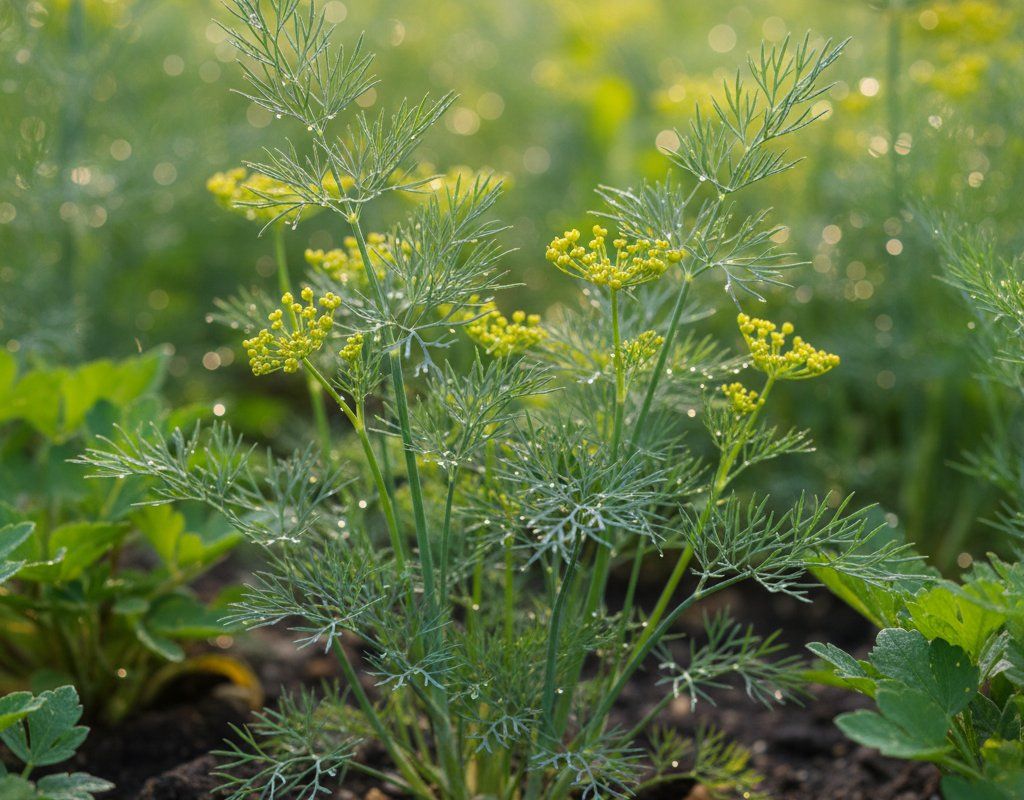
Dill in Zone 4A — Great Plains
Anethum graveolens · Your Complete 2026 Planting Guide
Planning Ahead — Great!
You’re ahead of the season. Here’s when to start.
Mark Your Calendar
How to Plant Dill in Zone 4A — Great Plains
Here are all your options for getting dill in the ground, from the easiest method to more advanced approaches.
Direct Sow Seeds
RecommendedEarly May through early August
around May 10
Consider succession planting every 2-3 weeks for continuous harvest.
Dill has a taproot and prefers direct sowing, but transplants work if handled carefully.
Start Seeds Indoors
RecommendedMid April through early May
around April 19
Then transplant: Mid May through late June
Start seeds 4-6 weeks before transplanting outdoors.
Buy Starts
Works WellMid May through late June
around May 17
Plant purchased starts after last frost (May 10).
Transplant Outdoors
Timing InfoMid May through late June
around May 17
Can tolerate light frost, but wait for soil to be workable.
You have a nice window — no need to rush.
Fall Planting
Late July through late August
August 14 ideal · Direct sow for fall harvest
Plant a second crop in mid-summer for fall harvest. Dill actually prefers the cooling temperatures of fall.
Overview
Dill transforms from a simple herb into a Great Plains garden essential once you experience the difference between fresh-cut feathery fronds and that dusty jar from the grocery store. Here on the prairie, dill thrives in our intense sunshine and well-drained soils, producing abundant harvests for pickling those summer cucumbers, seasoning fresh potato salad, or adding that distinctive tang to grilled fish. The plant's upright growth habit handles our persistent winds better than many delicate herbs.
Our 138-day growing season and tendency toward hot summers mean timing matters with dill, but don't let that intimidate you. This hardy annual actually prefers our cooler spring and fall periods over the heat of July and August, making it perfect for succession planting throughout the season. With our variable spring weather and late frosts that can linger into early May, you have flexibility in how you approach getting dill started.
Starting Seeds Indoors
Starting dill seeds indoors makes sense when you want an early harvest or need to work around our unpredictable spring weather patterns. Sow seeds in seed trays from mid-April through early May, about 4 weeks before you plan to transplant outdoors. Dill seeds germinate quickly in warm soil, so keep your seed trays at 65-70°F and provide good light once they sprout.
Use the bottom watering method to keep seedlings from damping off—set your seed trays in shallow water and let the soil wick up moisture from below. This works especially well in our low-to-moderate humidity, where surface soil can dry out quickly under grow lights.
While indoor starting works fine for dill, remember that this plant develops a long taproot and prefers not being disturbed. You'll get stronger plants by direct sowing when conditions allow, but indoor starts give you more control during our variable spring weather.
Transplanting Outdoors
Transplant your indoor-started dill seedlings from mid-May through late June, after our last frost danger passes. Start hardening them off about a week beforehand by gradually exposing them to outdoor conditions—begin with just a few hours of filtered sunlight and work up to full sun and wind exposure. Our prairie winds can shock tender seedlings, so this gradual transition matters.
Space transplants 12 inches apart in your garden beds, giving them room to develop their characteristic upright growth. Handle the root ball gently since dill's taproot doesn't appreciate disturbance. Plant them at the same depth they were growing in their containers.
Watch the weather forecast during transplant time—our late spring can still deliver surprise cold snaps or severe thunderstorms. Have row covers ready to protect newly transplanted seedlings if needed, and avoid transplanting right before predicted hail or strong winds.
Direct Sowing
Direct sowing works beautifully for dill in the Great Plains and is actually this plant's preferred method. Sow seeds directly in the garden from early May through early August, taking advantage of our long season for succession plantings. The soil should be workable and warming, typically when it reaches about 60°F consistently.
Prepare your bed by working compost into our prairie soil, which usually drains well naturally. Sow seeds about 1/4 inch deep and space them 12 inches apart—resist the urge to plant them closer since dill needs good air circulation. In our variable rainfall pattern, keep the seed bed consistently moist until germination, which usually takes 7-10 days.
The big advantage of direct sowing is that dill's taproot develops undisturbed, creating stronger plants that handle our summer heat and wind stress better. You can succession plant every 2-3 weeks through early August to ensure continuous harvests right up until our first frost in late September.
Watering Dill in Zone 4A (Great Plains)
Dill needs moderate, consistent moisture to prevent premature bolting in our hot summers, but it's not particularly drought tolerant like some prairie natives. Plan to provide about 1 inch of water per week, including rainfall, though you'll need to adjust based on our variable precipitation patterns. Use the finger test—stick your finger 2 inches into the soil, and water when it feels dry at that depth.
Water at the base of plants rather than overhead to keep the feathery foliage dry and prevent disease issues. This works well in our low-to-moderate humidity since plants dry quickly anyway. Morning watering is ideal so any moisture on leaves evaporates quickly in our intense sunshine and frequent winds.
During our typical hot summer stretches with highs around 93°F, you may need to water twice weekly, especially if we're in one of our drier periods. Dill bolts quickly under heat stress combined with irregular watering, so consistency matters more than quantity. A thin layer of grass clipping mulch helps retain soil moisture without creating the slug problems you might see in more humid climates.
Signs of underwatering include yellowing lower leaves and premature flowering, while overwatering shows up as stunted growth and potentially root rot in our typically well-draining prairie soils. Adjust your watering schedule based on weekly rainfall and temperature patterns.
🧪Fertilizing Dill
Feeding Schedule
Organic Fertilizer Options
Harvest Time
Your first dill harvest typically arrives from mid-June through early October, about 40 days after sowing, though you can start snipping young leaves earlier for fresh use. The feathery foliage is ready anytime the plants are 6-8 inches tall—cut stems about 2 inches above ground level to encourage continued growth from the base.
For fresh dill, harvest in the morning after dew evaporates but before the heat of the day intensifies the essential oils. Cut what you need regularly to keep plants producing tender new growth instead of rushing to flower. If you're growing dill primarily for seeds, let some plants flower and develop seed heads, then harvest when the seeds turn brown and dry—usually late summer into early fall.
Dill doesn't ripen off the vine, so timing your seed harvest matters. Shake the dried seed heads into a paper bag on a calm day (challenging here on the windy plains!). For continuous leaf production, pinch off flower heads as they appear, though this becomes difficult once our summer heat really kicks in.
As our first frost approaches in late September, harvest heavily and preserve what you can't use fresh. Dill freezes well chopped and stored in ice cube trays with water, and the seeds store for years when thoroughly dried and kept in sealed containers.
Common Problems in Zone 4A (Great Plains)
Bolting shows up as the plant suddenly shooting up a tall flower stalk, often when it's still relatively small. The leaves become bitter and tough once this happens, and the plant shifts all energy into seed production instead of the tender foliage you want.
Our Great Plains heat is a major trigger for bolting, especially during those temperature swings from cool mornings to hot afternoons. Drought stress makes it worse, which can happen quickly in our variable rainfall and windy conditions. Plant dill during cooler periods (spring and fall), provide consistent moisture, and consider light shade during the hottest part of summer. Succession planting every few weeks gives you fresh plants as older ones bolt.
Aphids appear as clusters of tiny, soft-bodied insects on stems and leaf undersides—they can be green, black, or white. You'll notice sticky honeydew residue and possibly curled or distorted new growth where they're feeding.
These sap-sucking pests multiply rapidly in warm weather, and our hot summers create ideal conditions for population explosions. Strong water sprays work well here since our low humidity means plants dry quickly afterward. Encourage beneficial insects like ladybugs and lacewings, and use insecticidal soap for heavy infestations. Avoid overfertilizing with nitrogen, which makes plants more attractive to aphids.
Caterpillars from various moths can chew holes in dill foliage or even devour entire young plants overnight. The most common culprits include cutworms that cut stems at soil level and parsley worms (swallowtail butterfly larvae) that can defoliate mature plants.
Our variable spring weather can delay beneficial predator insects while caterpillars emerge with warmer temperatures. Hand-picking works for larger caterpillars, and Bt (Bacillus thuringiensis) provides organic control for smaller ones. Cutworm collars around young plants prevent stem damage, and row covers during vulnerable periods help protect plantings.
Great Plains Specific Challenges: Our combination of intense heat, persistent winds, and variable moisture creates the perfect storm for dill stress. Plants bolt faster here than in cooler, more humid climates, making succession planting and cool-season timing even more critical for sustained harvests.
Best Companions for Dill
Plant these nearby for healthier Dill and better harvests.


Keep Away From
Companion Planting Details
Dill makes an excellent companion for cabbage family crops, actually improving their flavor while helping repel cabbage worms and other pests. Plant it near your broccoli, cabbage, and Brussels sprouts for natural pest control that works well in our integrated Great Plains garden systems. Cucumbers benefit from dill's presence too—the herb attracts beneficial insects that help with cucumber beetle control, plus you'll have both ingredients ready for pickling season.
Onions and lettuce also pair well with dill since they have similar cool-weather preferences and won't compete heavily for resources. However, keep dill away from carrots since it can actually stunt their growth and affect flavor. Tomatoes are another poor companion—they tend to inhibit dill's growth, and both plants prefer different watering schedules that don't work well together in our variable climate conditions.
🌸Best Flowers to Plant with Dill
These flowers protect your Dill from pests and attract pollinators for better harvests.
For Pest Control




Get a Reminder When It's Time to Plant
We'll email you when key planting windows open for your zone.