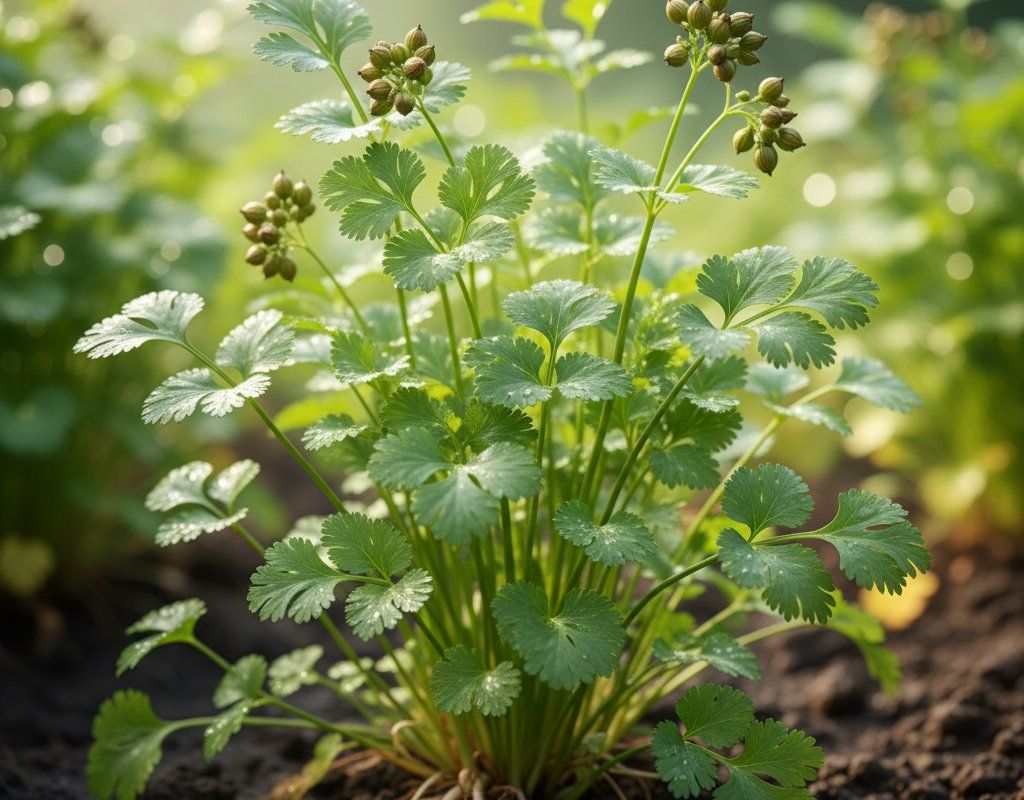
Cilantro in Zone 4B — Midwest
Coriandrum sativum · Your Complete 2026 Planting Guide
Planning Ahead — Great!
You’re ahead of the season. Here’s when to start.
Mark Your Calendar
How to Plant Cilantro in Zone 4B — Midwest
Here are all your options for getting cilantro in the ground, from the easiest method to more advanced approaches.
Direct Sow Seeds
RecommendedLate April through late July
around April 26
Consider succession planting every 2-3 weeks for continuous harvest.
Cilantro bolts quickly in heat. Direct sow in cool weather for best results.
Start Seeds Indoors
RecommendedEarly to late April
around April 12
Then transplant: Early May through late June
Start seeds 4-6 weeks before transplanting outdoors.
Buy Starts
Works WellEarly May through late June
around May 10
Plant purchased starts after last frost (May 10).
Transplant Outdoors
Timing InfoEarly May through late June
around May 10
Can tolerate light frost, but wait for soil to be workable.
You have a nice window — no need to rush.
Fall Planting
Late July through late August
August 14 ideal · Direct sow for fall harvest
Plant a second crop in mid-summer for fall harvest. Cilantro actually prefers the cooling temperatures of fall.
Overview
Cilantro brings fresh, bright flavor to your Midwest garden that you simply can't get from store-bought leaves. In our Zone 4B climate, this cool-season herb thrives during those perfect spring and fall windows when temperatures hover in the comfortable range. The leaves add that distinctive citrusy bite to salsas, curries, and summer salads, while the seeds (coriander) provide a warm spice for your pantry.
The key to success with cilantro here in the Midwest is working with our variable spring weather and summer heat spells. Our 138-day growing season gives you plenty of opportunities for multiple plantings, but timing matters since cilantro bolts quickly once those summer temperatures climb. With successive sowings every few weeks, you can keep fresh cilantro on your table from early June through the first frost in late September.
Starting Seeds Indoors
Starting cilantro indoors works well if you want an early crop or prefer more control over germination. Begin your seeds during early to late April, about 4 weeks before you plan to transplant outdoors. In our moderate-to-late spring climate, this timing lets you get established plants ready for the garden once that last frost risk passes.
Set up your seed trays in a warm spot (65-70°F) with good light once seedlings emerge. Bottom watering works particularly well for cilantro since it keeps the soil evenly moist without disturbing the delicate seedlings. The seeds typically germinate within 7-10 days under consistent conditions.
Keep in mind that cilantro doesn't love root disturbance, so consider using biodegradable pots or cell trays that make transplanting easier. This indoor start gives you a head start on the season, especially valuable during those unpredictable Midwest springs when outdoor conditions might delay direct sowing.
Transplanting Outdoors
Plan to transplant your indoor-started cilantro seedlings from early May through late June, once soil temperatures reach about 50°F consistently. Here in the Midwest, that usually coincides with our traditional "wait until Memorial Day" wisdom, though you can often go a bit earlier with protection if needed.
Harden off your seedlings gradually over a week, starting with just a few hours of outdoor exposure and building up to full days. This process is especially important in our climate where spring temperature swings can stress tender plants. Space your transplants 6-8 inches apart to give them room to develop their full, bushy growth.
Watch the weather forecast carefully during transplant time - those late spring storms that roll through the Midwest can damage newly planted seedlings. If severe weather threatens, consider covering your transplants with row covers or even overturned buckets until conditions settle.
Direct Sowing
Direct sowing cilantro works beautifully in our Midwest climate, especially for succession plantings. You can sow seeds from late April through late July, taking advantage of both our cool spring conditions and those brief cool spells that sometimes break up summer heat. This method actually works better than transplanting since cilantro prefers not to have its roots disturbed.
Prepare your soil by working it into a fine tilth - our fertile Midwest soil provides excellent conditions once you break up any clay compaction. Sow seeds about ¼ inch deep and 6-8 inches apart, or sow more densely and thin later. The seeds need consistent moisture to germinate well, which our spring rains typically provide.
For best results, focus your direct sowing during cooler periods. Cilantro bolts quickly once temperatures regularly hit the mid-80s, so those late April through early June sowings usually give you the most reliable harvests. Summer sowings work best during brief cool spells or if you can provide afternoon shade.
Watering Cilantro in Zone 4B (Midwest)
Cilantro needs consistent moisture to prevent early bolting, which makes watering management crucial in our moderate-to-humid Midwest summers. Aim for about 1 inch of water per week, including rainfall. Our typical 30-40 inches of annual precipitation helps, but you'll still need to supplement during those summer heat spells when temperatures climb into the upper 80s.
Check soil moisture using the finger test - stick your finger 2 inches down, and if it feels dry, it's time to water. During hot stretches, you might need to water every other day to keep the soil consistently moist. Water at the base of plants rather than overhead to reduce disease risk in our moderate-to-humid conditions.
Signs of underwatering include wilting, yellowing leaves, and premature bolting - the plant's stress response to dry conditions. Overwatering shows up as yellowing leaves and potentially root rot, especially if your clay soil doesn't drain well. A thin layer of organic mulch helps retain moisture and keeps soil temperatures more stable during those temperature swings we get here.
The key is maintaining that "just right" moisture level - not soggy, but never bone dry. During our wet summer periods, you might barely need to water at all, while heat spells require daily attention to keep your cilantro productive.
🧪Fertilizing Cilantro
Feeding Schedule
Organic Fertilizer Options
Harvest Time
Your first cilantro harvest typically arrives in early June and can continue through early October with successive plantings. Once plants reach about 6 inches tall - usually around 45 days from planting - you can begin harvesting outer leaves and stems. Cut stems at the base rather than just pinching leaves to encourage continued growth.
For the best flavor, harvest in the morning when leaves are crisp and full of moisture. Cut what you need for immediate use, as cilantro doesn't store as long as heartier herbs. The outer stems mature first, so always harvest from the outside of the plant working inward, leaving the center to continue producing new growth.
Watch for signs of bolting - when the plant sends up a central flower stalk with small white flowers. Once this happens, leaf production slows and flavor becomes more bitter. In our Midwest summers, this often coincides with those heat spells in July and August. You can pinch off flower stalks to extend leaf production for a week or two, but eventually the plant's energy shifts to seed production.
As first frost approaches in late September, harvest any remaining plants entirely. You can freeze whole stems in ice cube trays with water, or dry the leaves for later use, though fresh cilantro has the best flavor for most cooking applications.
Common Problems in Zone 4B (Midwest)
Bolting is your biggest challenge with cilantro in the Midwest. You'll see the plant suddenly send up a tall central stalk with small white flowers, and the leaves become bitter or sparse. This happens when plants experience stress from heat, long summer days, or inconsistent watering during our summer heat spells. Combat bolting by planting during cooler periods (spring and fall), providing afternoon shade during hot weather, and keeping soil consistently moist. Choose slow-bolt varieties like 'Slow Bolt' or 'Calypso' for summer plantings.
Aphids often appear as tiny green or black clusters on stem tips and leaf undersides, especially during warm, humid periods common in Midwest summers. You'll notice sticky honeydew residue and curled new growth. These sap-sucking insects multiply rapidly in warm weather and are attracted by the tender new growth cilantro produces. Knock them off with a strong spray from your hose, encourage beneficial insects like ladybugs, or use insecticidal soap for heavy infestations.
Leaf spot shows up as brown or yellow spots on leaves, often with fuzzy gray centers, particularly during our humid summer conditions. This fungal disease thrives in the moderate-to-humid conditions we experience, especially when plants stay wet for extended periods. Prevent leaf spot by watering at soil level rather than overhead, ensuring good air circulation between plants, and avoiding working in the garden when plants are wet from dew or rain.
Midwest Specific Challenges: Our combination of summer heat spells and moderate-to-humid conditions creates the perfect storm for cilantro stress. The plant wants cool, consistent conditions, but our weather swings from pleasant spring days to sudden heat waves. Focus on timing your plantings for cooler periods and be prepared to provide shade or extra water during those inevitable July and August hot stretches.
Best Companions for Cilantro
Plant these nearby for healthier Cilantro and better harvests.

Keep Away From

Companion Planting Details
Cilantro makes an excellent companion for tomatoes, peppers, and beans in your Midwest garden. Plant it near tomatoes to help deter aphids and whiteflies that commonly attack tomato plants during our warm, humid summers. The cilantro's strong scent also helps confuse pest insects looking for their preferred host plants. Spinach and cilantro work well together since both prefer similar cool conditions and can be succession planted for continuous harvests throughout the growing season.
Avoid planting cilantro near fennel, as these two herbs can cross-pollinate and affect each other's flavor. Fennel also tends to inhibit the growth of many plants around it, including cilantro. Keep your cilantro plantings in their own section or mixed with vegetables rather than other strong-flavored herbs that might compete for space or nutrients in your fertile Midwest soil.
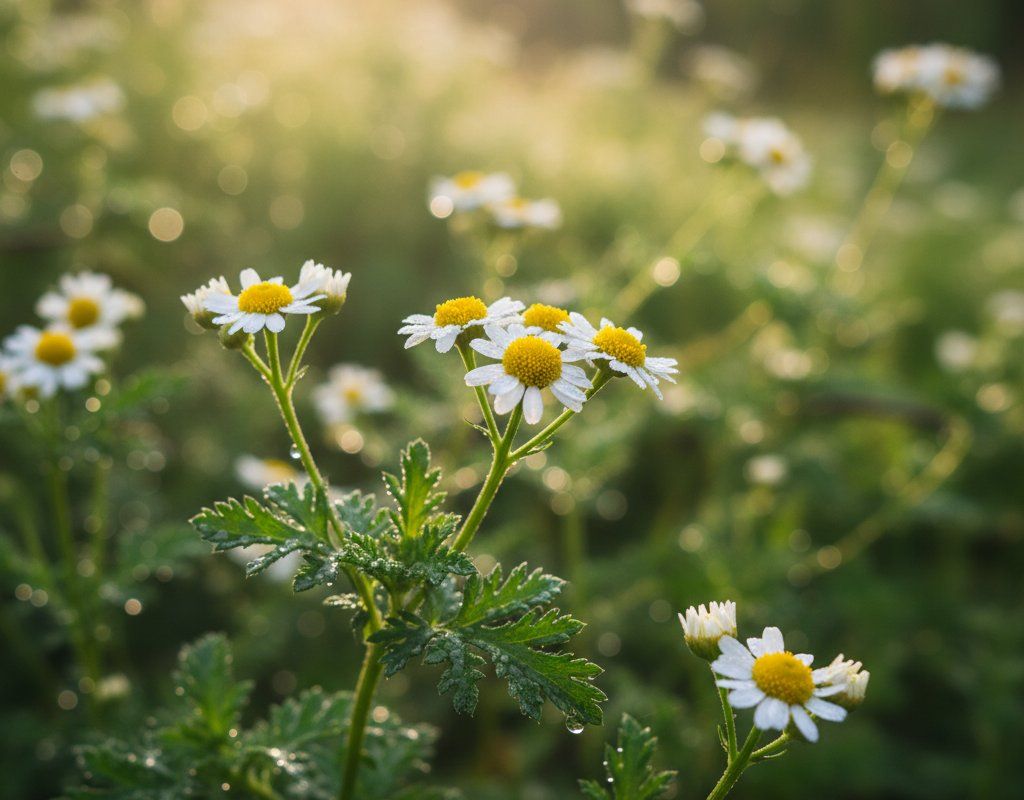
🌸Best Flowers to Plant with Cilantro
These flowers protect your Cilantro from pests and attract pollinators for better harvests.



Get a Reminder When It's Time to Plant
We'll email you when key planting windows open for your zone.