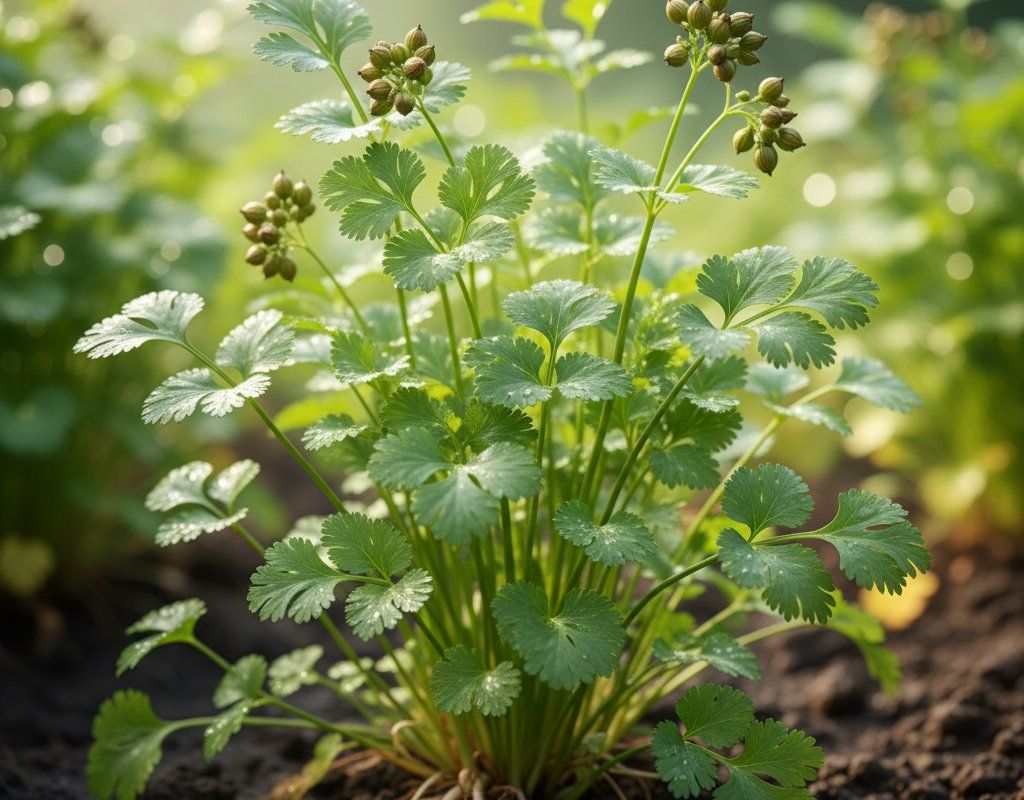
Cilantro in Zone 4B — Northeast
Coriandrum sativum · Your Complete 2026 Planting Guide
Planning Ahead — Great!
You’re ahead of the season. Here’s when to start.
Mark Your Calendar
How to Plant Cilantro in Zone 4B — Northeast
Here are all your options for getting cilantro in the ground, from the easiest method to more advanced approaches.
Direct Sow Seeds
RecommendedLate April through late July
around April 26
Consider succession planting every 2-3 weeks for continuous harvest.
Cilantro bolts quickly in heat. Direct sow in cool weather for best results.
Start Seeds Indoors
RecommendedEarly to late April
around April 12
Then transplant: Early May through late June
Start seeds 4-6 weeks before transplanting outdoors.
Buy Starts
Works WellEarly May through late June
around May 10
Plant purchased starts after last frost (May 10).
Transplant Outdoors
Timing InfoEarly May through late June
around May 10
Can tolerate light frost, but wait for soil to be workable.
You have a nice window — no need to rush.
Fall Planting
Late July through late August
August 14 ideal · Direct sow for fall harvest
Plant a second crop in mid-summer for fall harvest. Cilantro actually prefers the cooling temperatures of fall.
Overview
Cilantro deserves a spot in every Northeast garden, where our cool nights create the perfect conditions for crisp, flavorful leaves that put grocery store cilantro to shame. This fast-growing herb thrives in our moderate summer temperatures and appreciates the consistent moisture our region typically provides, making it one of the most rewarding crops for both beginning and experienced gardeners here.
Our short 138-day growing season and late spring start might seem challenging for cilantro, but this cool-season crop actually benefits from our climate patterns. The key is understanding that cilantro bolts quickly in heat, so timing your plantings with our cooler spring and fall periods will give you the best harvests throughout the season.
Starting Seeds Indoors
Starting cilantro indoors isn't the most common approach, but it makes sense if you want an early harvest or live in a particularly rocky area where soil prep takes time. Start seeds from early to late April, about 4 weeks before your last frost, giving you transplants ready for the garden in early May.
Set up seed trays in a warm spot (65-70°F) with good light once seedlings emerge. Cilantro has a taproot that doesn't love disturbance, so use deeper cells or biodegradable pots you can plant directly. Bottom watering works well to keep soil evenly moist without disturbing the delicate seedlings.
Since our Northeast springs can be unpredictable with late cold snaps, indoor starting gives you more control over timing. However, cilantro generally prefers direct sowing since it doesn't transplant as easily as other herbs due to that taproot.
Transplanting Outdoors
If you've started cilantro indoors, transplant seedlings outdoors from early May through late June, once soil temperatures reach about 50°F consistently. This timing works well in our region since cilantro appreciates the cool conditions of late spring and early summer.
Harden off seedlings gradually over a week, starting with a few hours of outdoor exposure and increasing daily. Our spring weather can swing from chilly to surprisingly warm, so watch the forecast and protect transplants from any unexpected late frost with row covers.
Space plants 6-8 inches apart in your prepared bed. Handle transplants gently since cilantro's taproot doesn't recover well from damage. Plant at the same depth they were growing in their containers, and water thoroughly after transplanting to help them establish in our often rocky New England soil.
Direct Sowing
Direct sowing is actually the preferred method for cilantro in the Northeast, since it avoids transplant shock and takes advantage of our naturally cool spring conditions. Sow seeds from late April through late July, timing successive plantings every 2-3 weeks for continuous harvests.
Prepare your soil by working in compost to improve drainage, especially important in our clay-heavy or rocky soils. Cilantro seeds are relatively large and easy to handle - plant them ½ inch deep and about 2 inches apart, then thin to 6-8 inches once seedlings emerge. The seeds germinate best in cool soil temperatures around 50-60°F, which aligns perfectly with our spring conditions.
Summer sowings work well here since our moderate temperatures (typical highs around 82°F) are less likely to trigger immediate bolting compared to hotter regions. For best results with summer plantings, choose a spot that gets morning sun but afternoon shade, helping keep plants cool during our warmest months.
Watering Cilantro in Zone 4B (Northeast)
Cilantro needs consistent moisture to prevent bolting, and our Northeast climate generally makes this manageable with moderate humidity and even rainfall throughout the season. Aim for about 1 inch of water per week, including rainfall, keeping soil evenly moist but not waterlogged.
Use the finger test to check soil moisture - if it's dry 2 inches down, it's time to water. During our typical summer weather with moderate heat and humidity, this usually means watering 2-3 times per week if we haven't had recent rain. Water at the base of plants rather than overhead to reduce disease risk in our humid conditions.
Watch for signs of stress that indicate watering needs: wilting leaves, premature bolting, or bitter-tasting foliage all signal the plant needs more consistent moisture. Conversely, yellowing leaves and musty soil odors suggest overwatering, which can be an issue during particularly rainy periods.
A 2-3 inch layer of organic mulch helps maintain even soil moisture and keeps roots cool during warm spells. Grass clippings or shredded leaves work well in our region and break down to improve soil over time, which is especially helpful in rocky New England soils.
🧪Fertilizing Cilantro
Feeding Schedule
Organic Fertilizer Options
Harvest Time
Your first cilantro harvest typically comes 6-8 weeks after sowing, usually starting in early June for spring plantings and continuing through early October with succession sowings. Look for plants that have reached 6+ inches tall with several sets of true leaves before harvesting.
Cut outer stems at the base rather than picking individual leaves, which encourages continued growth from the center of the plant. Use clean scissors or garden shears to make clean cuts that won't damage the remaining plant. Fresh cilantro is best used immediately, but you can store cut stems in water like flowers for several days.
Keep harvesting regularly to delay bolting - the more you cut, the longer the plant will produce leaves. Once you see a central flower stalk forming, the leaves will become bitter, so harvest heavily just before this happens or let the plant go to seed for coriander spice.
As our first frost approaches in late September, make a final large harvest and consider protecting late plantings with row covers to extend the season. Cilantro can handle light frosts, so you might get a few more weeks of harvest with protection.
Common Problems in Zone 4B (Northeast)
Bolting is your biggest challenge with cilantro in the Northeast, appearing as a central flower stalk that shoots up quickly, turning leaves bitter and tough. This happens when plants experience stress from heat, drought, or long summer days, even though our moderate temperatures are less triggering than hotter regions. Prevent bolting by keeping soil consistently moist, providing afternoon shade during warm spells, and succession planting every 2-3 weeks rather than trying to keep one planting going all season.
Aphids show up as clusters of tiny green, black, or white insects on leaf undersides and stems, leaving sticky honeydew residue and causing new growth to curl or distort. Our humid summers can create ideal conditions for aphid populations to explode quickly. Knock them off with a strong water spray early in the morning, encourage beneficial insects like ladybugs, or use insecticidal soap for heavy infestations - but avoid overfeeding with nitrogen, which makes plants more attractive to aphids.
Leaf spot appears as brown or yellow spots on leaves, often with a water-soaked appearance that spreads in our humid conditions. This fungal disease thrives in the combination of warm temperatures and high humidity we often experience in summer. Prevent it by watering at soil level rather than overhead, ensuring good air circulation between plants, and avoiding working in the garden when leaves are wet from dew or rain.
Northeast Specific Challenges: Our moderate heat and moderate-to-humid conditions actually favor cilantro compared to hotter regions, but the humidity can promote fungal diseases if plants stay wet too long. The consistent rainfall is generally beneficial, but watch for overwatering during particularly wet periods, and take advantage of our cool nights which help prevent stress-induced bolting.
Best Companions for Cilantro
Plant these nearby for healthier Cilantro and better harvests.

Keep Away From

Companion Planting Details
Cilantro makes an excellent companion for tomatoes and peppers since it can provide ground cover and help retain soil moisture around these heat-loving plants, while benefiting from the afternoon shade they provide during our warmest summer days. Plant cilantro near spinach and other cool-season greens to maximize space in the garden and create a natural succession as spinach finishes and cilantro takes over the space.
Beans work well with cilantro since they have similar water needs and the beans' nitrogen fixation can benefit the leafy herb, while cilantro's strong scent may help deter some pests from bean plants. Avoid planting cilantro near fennel, as these two herbs can cross-pollinate and affect flavor, plus fennel's allelopathic properties can inhibit cilantro's growth in our already challenging rocky soils.
🌸Best Flowers to Plant with Cilantro
These flowers protect your Cilantro from pests and attract pollinators for better harvests.



Get a Reminder When It's Time to Plant
We'll email you when key planting windows open for your zone.