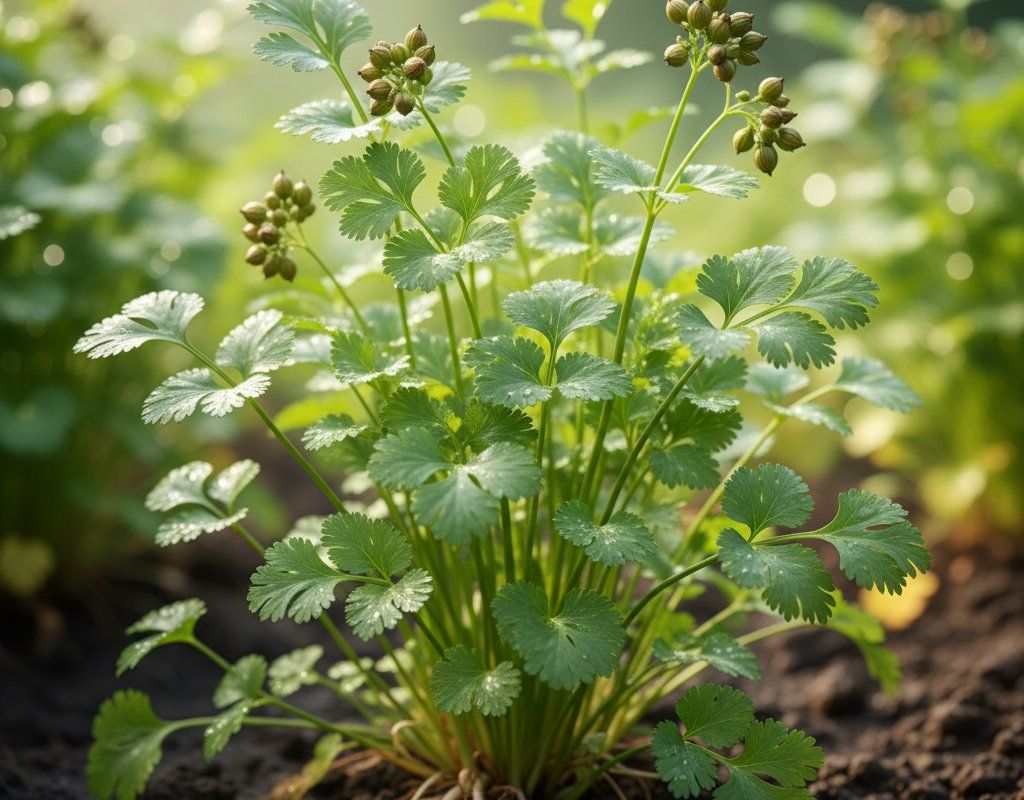
Cilantro in Zone 4B — Great Plains
Coriandrum sativum · Your Complete 2026 Planting Guide
Planning Ahead — Great!
You’re ahead of the season. Here’s when to start.
Mark Your Calendar
How to Plant Cilantro in Zone 4B — Great Plains
Here are all your options for getting cilantro in the ground, from the easiest method to more advanced approaches.
Direct Sow Seeds
RecommendedLate April through early August
around April 21
Consider succession planting every 2-3 weeks for continuous harvest.
Cilantro bolts quickly in heat. Direct sow in cool weather for best results.
Start Seeds Indoors
RecommendedLate March through late April
around April 7
Then transplant: Early May through mid June
Start seeds 4-6 weeks before transplanting outdoors.
Buy Starts
Works WellEarly May through mid June
around May 5
Plant purchased starts after last frost (May 5).
Transplant Outdoors
Timing InfoEarly May through mid June
around May 5
Can tolerate light frost, but wait for soil to be workable.
You have a nice window — no need to rush.
Fall Planting
Early August through early September
August 20 ideal · Direct sow for fall harvest
Plant a second crop in mid-summer for fall harvest. Cilantro actually prefers the cooling temperatures of fall.
Overview
Cilantro offers Plains gardeners something special — fresh, bright flavor that transforms everything from salsas to stir-fries, plus the satisfaction of harvesting your own coriander seeds. In our intense Great Plains sunshine and low-to-moderate humidity, cilantro develops particularly concentrated flavors, though it requires careful timing to prevent early bolting in our hot summers.
Our 149-day growing season and extreme temperature swings make cilantro timing crucial, but don't let that discourage you. With succession planting and smart scheduling around our variable spring weather and intense summer heat, you'll have fresh cilantro from early summer through fall.
Starting Seeds Indoors
Starting cilantro indoors makes sense when you want an early crop or more control over timing in our variable Plains spring. Start seeds late March through late April, about four weeks before you plan to transplant outdoors. Our unpredictable spring weather makes indoor starting a good insurance policy.
Use standard seed trays with good drainage and keep soil consistently moist through bottom watering — this prevents disturbing the delicate seeds and reduces damping-off issues. Cilantro seeds need consistent moisture and temperatures around 65-70°F to germinate well. Once sprouted, they prefer cooler conditions, which works well with our typical spring temperature swings.
The main advantage here is getting a jump on the season before our summer heat kicks in. However, cilantro doesn't love transplant shock, so handle seedlings gently and don't rush the process.
Transplanting Outdoors
Move your indoor-started cilantro outside from early May through mid-June, timing this after our last frost risk passes in early May. Give seedlings a full week to harden off gradually — our Plains wind can shock tender transplants, so start with just an hour or two of outdoor exposure and build up slowly.
Space plants 6-8 inches apart in well-draining soil, choosing a spot with morning sun and some afternoon shade if possible. Our intense sunshine can overwhelm young transplants, especially during those sudden temperature jumps we're famous for in late spring.
Plant on a calm day if you can manage it — wind protection is essential for new transplants. Consider using row cover or temporary windbreaks for the first week until roots establish in our prairie soil.
Direct Sowing
Direct sowing works well for cilantro from late April through early August, though timing matters enormously in our climate. Cool-season sowings in late April through May give you the best leaf production before summer heat triggers bolting. For fall crops, sow in early August to mature before our first frost in early October.
Prepare soil that drains well but holds moisture — our prairie soil usually handles this naturally. Sow seeds about ¼ inch deep and keep soil consistently moist until germination, which takes 7-14 days depending on soil temperature. Space plants 6-8 inches apart once they're established.
The reality is that cilantro bolts quickly once temperatures consistently hit the 80s and 90s, which happens fast here. Direct sowing works best for spring crops and late summer plantings, while summer sowings often bolt before producing much usable foliage.
Watering Cilantro in Zone 4B (Great Plains)
Cilantro needs consistent moisture to prevent the quick bolting that plagues Plains gardeners — hot, dry conditions trigger flowering almost immediately. In our climate with variable rainfall and intense summer heat, plan to provide about 1-1.5 inches of water weekly through irrigation when nature doesn't cooperate.
Check soil moisture with the finger test, pushing down 2 inches to feel for dampness. During our typical hot summer days reaching 93°F, you may need to water every 2-3 days to maintain the consistent moisture cilantro demands. Water at the base rather than overhead — our low-to-moderate humidity means leaves dry quickly, but ground-level watering reduces waste and keeps roots consistently supplied.
Watch for signs of stress: wilting during hot afternoons (normal), but also rapid bolting or bitter-tasting leaves (water stress). If leaves start looking gray-green instead of bright green, increase watering frequency. Mulch around plants with a thin layer of grass clippings or straw to help retain soil moisture during our dry spells.
Our variable annual rainfall of 15-35 inches means some years you'll water constantly while others provide more natural moisture. Adjust your schedule based on weekly weather patterns, but never let cilantro dry out completely — it rarely recovers its tender leaf quality once stressed.
🧪Fertilizing Cilantro
Feeding Schedule
Organic Fertilizer Options
Harvest Time
Expect your first cilantro harvest from early June through early October, about 45 days from planting depending on growing conditions. Start harvesting when plants reach 6 inches tall by cutting outer stems at the base, leaving the center to continue growing.
Cut stems cleanly with sharp scissors or pruners rather than tearing, which can damage the plant. Harvest in early morning when leaves are crisp and full of moisture — our low-to-moderate humidity means leaves can wilt quickly in afternoon heat. Take no more than one-third of the plant at each harvest to keep it productive.
Once cilantro sends up its characteristic umbrella-shaped flower stalk, leaf production essentially stops and existing leaves become bitter. In our hot Plains summers, this can happen quickly once temperatures consistently reach the 80s and 90s. When bolting starts, either harvest all remaining leaves immediately or let the plant go to seed for fresh coriander.
Plan succession sowings every 2-3 weeks from late April through early August to maintain continuous harvests. Your last meaningful harvest window usually ends when our first frost arrives in early October, though plants may survive light frosts with protection.
Common Problems in Zone 4B (Great Plains)
Bolting Plants send up tall flower stalks prematurely, making leaves bitter and ending your harvest. You'll see the characteristic umbrella-shaped flower heads emerging from the center, usually when plants are still fairly small. In the Plains, this commonly happens once we hit consistent 80-degree days.
Heat, long daylight hours, and drought stress trigger bolting — all common in our summer climate. Our intense sunshine and extreme temperature swings make cilantro particularly prone to early bolting compared to milder climates.
Prevent bolting by planting during cooler periods (spring and late summer), providing afternoon shade during hot spells, and maintaining consistent soil moisture. Choose slow-bolt varieties when possible and succession plant every 2-3 weeks rather than trying to keep one planting going all season.
Aphids Look for clusters of tiny green, black, or white insects on stems and leaf undersides, often with sticky honeydew residue coating leaves. New growth may appear curled or distorted, and you might notice ants farming the aphids for their sweet secretions.
Aphid populations explode during warm weather — exactly when our Plains summers peak. These sap-suckers reproduce rapidly and spread quickly, especially when plants are stressed by heat or inconsistent watering.
Knock aphids off with a strong water spray from your hose, taking advantage of our typically windy conditions to help dislodge them. Encourage beneficial insects like ladybugs by avoiding broad-spectrum pesticides. For heavy infestations, insecticidal soap works well in our low-to-moderate humidity conditions.
Leaf Spot Circular brown or yellow spots appear on leaves, sometimes with darker borders or fuzzy fungal growth. Affected leaves may yellow and drop, weakening the plant and reducing harvest quality.
Fungal leaf spots thrive in humid conditions with poor air circulation, though they can still occur in our relatively dry climate when plants stay wet too long or are overcrowded.
Improve air circulation by proper spacing and take advantage of our naturally windy conditions. Water at soil level rather than overhead, and harvest outer leaves regularly to open up the plant structure. Remove affected leaves promptly and avoid working among wet plants.
Great Plains Specific Challenges Our combination of intense summer heat, variable rainfall, and extreme temperature swings creates unique stress for cilantro. The plant bolts faster here than in milder climates, making succession planting essential rather than optional. Wind protection helps young plants establish, while our naturally low disease pressure due to low humidity is actually an advantage compared to more humid regions.
Best Companions for Cilantro
Plant these nearby for healthier Cilantro and better harvests.

Keep Away From

Companion Planting Details
Plant cilantro near tomatoes and peppers — it helps repel aphids and spider mites that commonly attack these warm-season crops in our hot Plains summers, while the taller plants provide valuable afternoon shade for your cilantro. Spinach makes an excellent companion for spring plantings since both prefer cool weather and similar moisture levels, maximizing your garden space during our short cool seasons.
Beans also pair well with cilantro, with the nitrogen-fixing legumes improving soil fertility while cilantro's strong scent may help deter some bean pests. Avoid planting cilantro near fennel, as these two herbs can cross-pollinate and affect each other's flavor — plus they have different water and temperature preferences that make management more difficult in our extreme Plains climate.
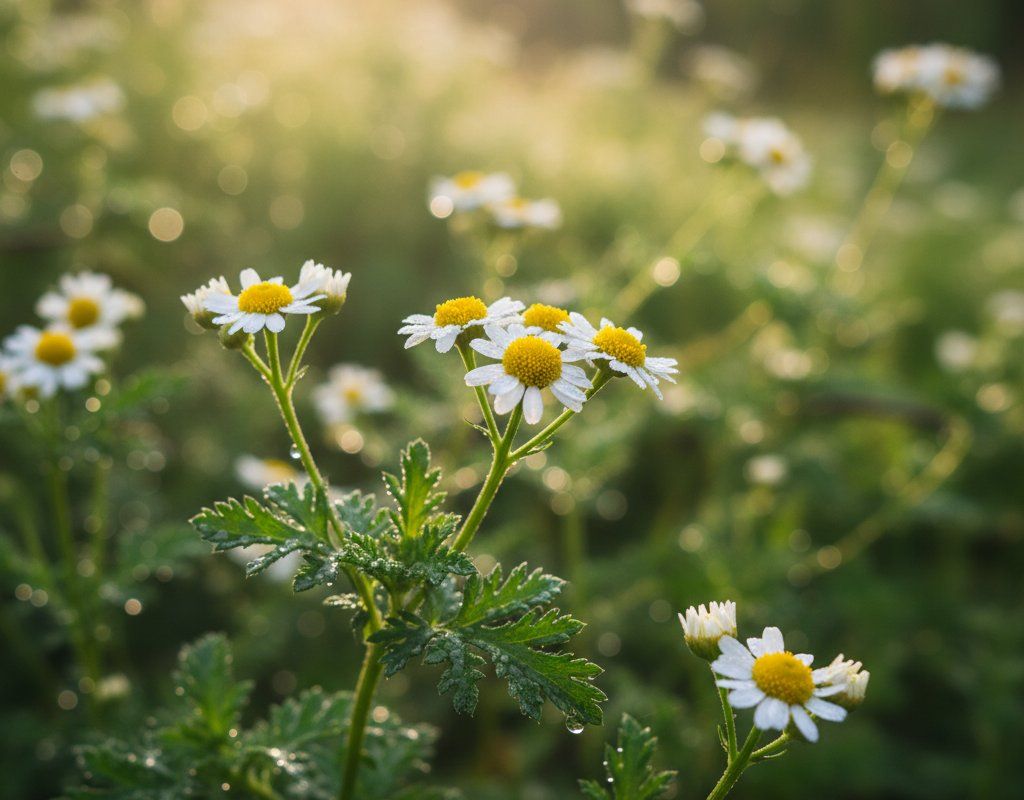
🌸Best Flowers to Plant with Cilantro
These flowers protect your Cilantro from pests and attract pollinators for better harvests.



Get a Reminder When It's Time to Plant
We'll email you when key planting windows open for your zone.