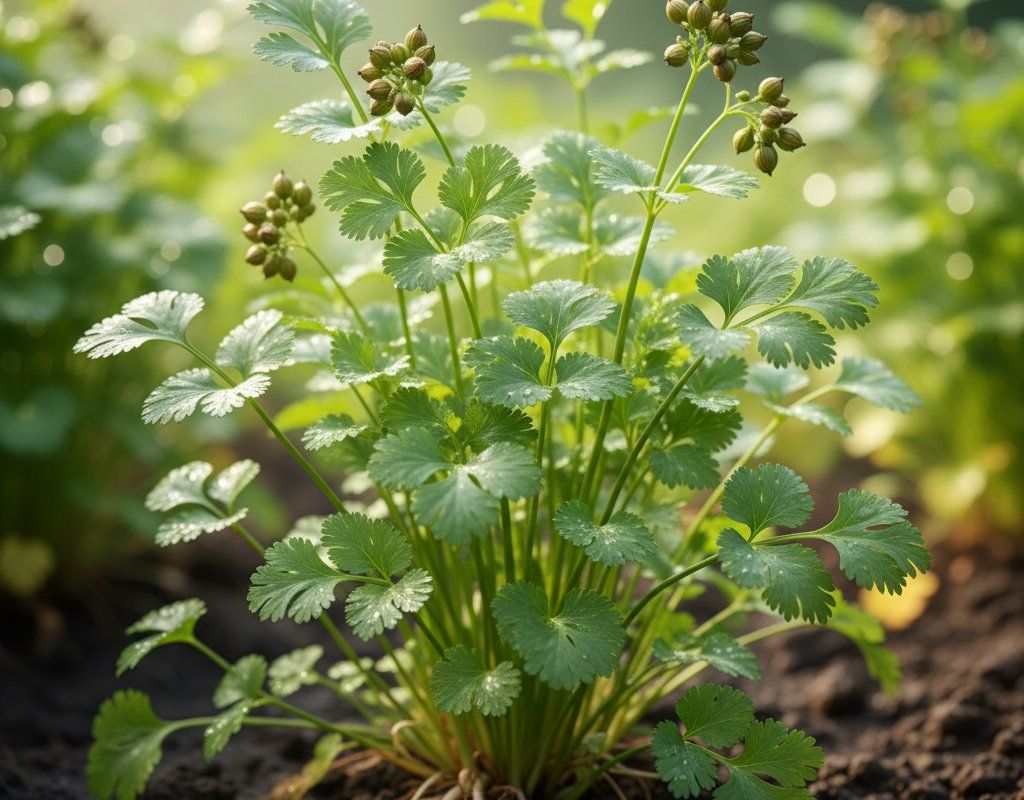
Cilantro in Zone 5B — Midwest
Coriandrum sativum · Your Complete 2026 Planting Guide
Planning Ahead — Great!
You’re ahead of the season. Here’s when to start.
Mark Your Calendar
How to Plant Cilantro in Zone 5B — Midwest
Here are all your options for getting cilantro in the ground, from the easiest method to more advanced approaches.
Direct Sow Seeds
RecommendedMid April through mid August
around April 11
Consider succession planting every 2-3 weeks for continuous harvest.
Cilantro bolts quickly in heat. Direct sow in cool weather for best results.
Start Seeds Indoors
RecommendedLate March through mid April
around March 28
Then transplant: Late April through early June
Start seeds 4-6 weeks before transplanting outdoors.
Buy Starts
Works WellLate April through early June
around April 25
Plant purchased starts after last frost (April 25).
Transplant Outdoors
Timing InfoLate April through early June
around April 25
Can tolerate light frost, but wait for soil to be workable.
You have a nice window — no need to rush.
Fall Planting
Mid August through mid September
August 29 ideal · Direct sow for fall harvest
Plant a second crop in mid-summer for fall harvest. Cilantro actually prefers the cooling temperatures of fall.
Overview
Cilantro is one of those herbs that transforms your cooking once you start growing your own. The fresh, bright flavor you get from homegrown cilantro makes store-bought versions taste like cardboard sawdust in comparison. Here in the Midwest, our fertile soil and adequate rainfall create perfect conditions for growing this cool-weather herb, and you can succession plant throughout our 168-day growing season for a continuous harvest from late spring through fall.
The key to success with cilantro in our region is working with our variable spring weather and summer heat spells. While our Midwest climate can be unpredictable, cilantro's hardy nature means you can plant early and keep succession sowings going all season. The trick is timing your plantings to avoid the hottest parts of summer when cilantro bolts quickly, but with proper planning, you'll have fresh cilantro from late May through your first frost in early October.
Starting Seeds Indoors
Starting cilantro indoors isn't the most common approach, but it can give you a head start in our moderate-to-late spring climate. Start seeds indoors from late March through mid-April, about 4 weeks before you plan to transplant outside. This method works best if you want an early harvest or if you're dealing with clay soil that's still too wet to work in early spring.
Set up your seed trays with a good seed-starting mix and keep them at room temperature. Cilantro seeds germinate in 7-14 days with consistent moisture, so bottom watering works well to avoid disturbing the seeds. Place trays under grow lights or in a sunny window, though cilantro doesn't need as much light as heat-loving crops.
The main advantage of indoor starting here in the Midwest is getting around our unpredictable spring weather. You can control the growing environment while waiting for soil conditions to improve outside. However, cilantro doesn't love root disturbance, so handle transplants gently.
Transplanting Outdoors
Transplant your indoor-started cilantro seedlings outside from late April through early June, after you're confident the worst of the spring temperature swings are behind you. Even though cilantro is hardy and can handle light frost, young transplants need a week to harden off before facing our variable spring weather.
Start hardening off by placing seedlings outside for a few hours daily, gradually increasing their exposure over a week. Our spring winds can be tough on tender plants, so choose a protected spot initially. Plant them 6-8 inches apart in prepared soil once they've adjusted to outdoor conditions.
Watch the weather forecast during transplant time, as late April cold snaps can still surprise us. If a hard freeze threatens, throw some row cover over newly transplanted cilantro. The plants will recover from light frost damage, but established transplants will give you a better harvest than stressed seedlings.
Direct Sowing
Direct sowing is actually the preferred method for cilantro in our Midwest climate. You can sow seeds from mid-April through mid-August, giving you multiple planting windows throughout the season. The key is timing your sowings for cooler weather, as cilantro bolts quickly once summer heat spells arrive.
Prepare your soil by working in some compost if you're dealing with heavy clay – our fertile Midwest soil is great for cilantro, but improving drainage helps. Sow seeds about 1/4 inch deep and 6-8 inches apart, or broadcast them and thin later. The soil should be consistently moist but not waterlogged for good germination.
Your best success comes from succession planting every 2-3 weeks from mid-April through late June, then resuming in mid-August for fall harvests. This strategy works around our summer heat spells when cilantro wants to bolt immediately. Fall plantings often give you the best leaf production as temperatures moderate.
Watering Cilantro in Zone 5B (Midwest)
Cilantro needs consistent moisture throughout the growing season, which works well with our typical 30-40 inches of annual rainfall. However, you'll still need to supplement during dry spells, especially during our summer heat spells when the plant is already stressed and prone to bolting. Keep soil evenly moist but not soggy – the finger test works well, checking that soil feels moist 2 inches down.
During our moderate-to-humid summers, focus on watering at the base of plants rather than overhead. Our humidity levels can encourage fungal problems if leaves stay wet, especially during those muggy July and August stretches. Aim for about 1 inch of water per week, including rainfall, adjusting based on temperature and wind conditions.
Watch for signs of water stress carefully, as drought-stressed cilantro bolts almost immediately in our summer heat. Leaves will look slightly wilted or take on a grayish tint when the plant needs water. Conversely, yellowing lower leaves often signal overwatering, which can be an issue during our wet spells.
A thin layer of organic mulch helps maintain consistent soil moisture and keeps roots cool during heat spells. Grass clippings or shredded leaves work well in our climate, breaking down to feed the soil while moderating moisture swings that can trigger bolting.
🧪Fertilizing Cilantro
Feeding Schedule
Organic Fertilizer Options
Harvest Time
You can start harvesting cilantro leaves about 45 days after planting, typically from late May through mid-October here in the Midwest. Begin cutting when plants reach 6 inches tall – you'll know they're ready when they have that distinctive cilantro aroma and the leaves look full-sized rather than juvenile.
Harvest by cutting outer stems at the base, leaving the inner growing point intact for continued production. Take what you need regularly rather than waiting for a big harvest – frequent cutting actually encourages more leaf growth and delays bolting. Once you see a flower stalk forming in the center, the leaves will start losing their fresh flavor and become more bitter.
The beauty of cilantro in our 168-day growing season is the ability to succession plant. As your first planting begins to bolt during summer heat spells, your next sowing should be ready to harvest. This keeps fresh cilantro coming all season rather than having a glut followed by nothing.
As first frost approaches in early October, harvest heavily or bring some plants into a protected area. Cilantro can handle light frost, but a hard freeze will end the season. You can also let some plants go to seed – the coriander seeds are useful in cooking and will self-sow for next year's crop.
Common Problems in Zone 5B (Midwest)
Bolting is your biggest challenge with cilantro in the Midwest. You'll see the plant suddenly send up a tall flower stalk from the center, and once this happens, leaf production stops and flavor becomes bitter. This premature flowering gets triggered by our summer heat spells, long days, or drought stress – all common during our July and August weather patterns. Prevent bolting by timing plantings for cooler weather, providing afternoon shade during heat waves, and keeping soil consistently moist. Choose bolt-resistant varieties if available, and plan on succession planting every 2-3 weeks rather than expecting one planting to last all season.
Aphids show up as clusters of tiny green, black, or white insects on stems and leaf undersides, often during our warm, humid summer weather. You'll notice sticky honeydew residue and distorted new growth where they've been feeding. Our moderate-to-humid conditions can create perfect aphid breeding conditions, especially when combined with summer heat spells. Knock them off with a strong water spray in the morning so plants can dry before evening. Encourage beneficial insects like ladybugs, or use insecticidal soap for heavy infestations. Avoid over-fertilizing with nitrogen, which makes plants more attractive to aphids.
Leaf spot appears as brown or black spots on cilantro leaves, often with yellow halos around the spots. This fungal problem thrives in our humid summers, especially when leaves stay wet from overhead watering or morning dew. The combination of our moderate-to-humid conditions and summer heat creates ideal conditions for fungal diseases. Prevent leaf spot by watering at soil level rather than on leaves, ensuring good air circulation between plants, and avoiding working in the garden when leaves are wet. Remove affected leaves immediately and consider switching to fall plantings if summer conditions consistently cause problems.
Midwest Specific Challenges: Our combination of summer heat spells and moderate-to-humid conditions creates a perfect storm for cilantro problems. The heat triggers bolting while humidity encourages fungal issues and pest problems. Success comes from timing plantings for our cooler spring and fall weather, providing consistent moisture during heat waves, and accepting that midsummer cilantro growing requires more attention than our easy spring and fall crops.
Best Companions for Cilantro
Plant these nearby for healthier Cilantro and better harvests.
Keep Away From

Companion Planting Details
Cilantro makes an excellent companion for tomatoes, peppers, and beans in our Midwest gardens. Plant it near tomatoes and peppers to help repel aphids and other pests – the strong scent of cilantro confuses many insects looking for their preferred host plants. The timing works well too, since you can harvest cilantro from the space while waiting for warm-season crops to fill out during our variable spring weather.
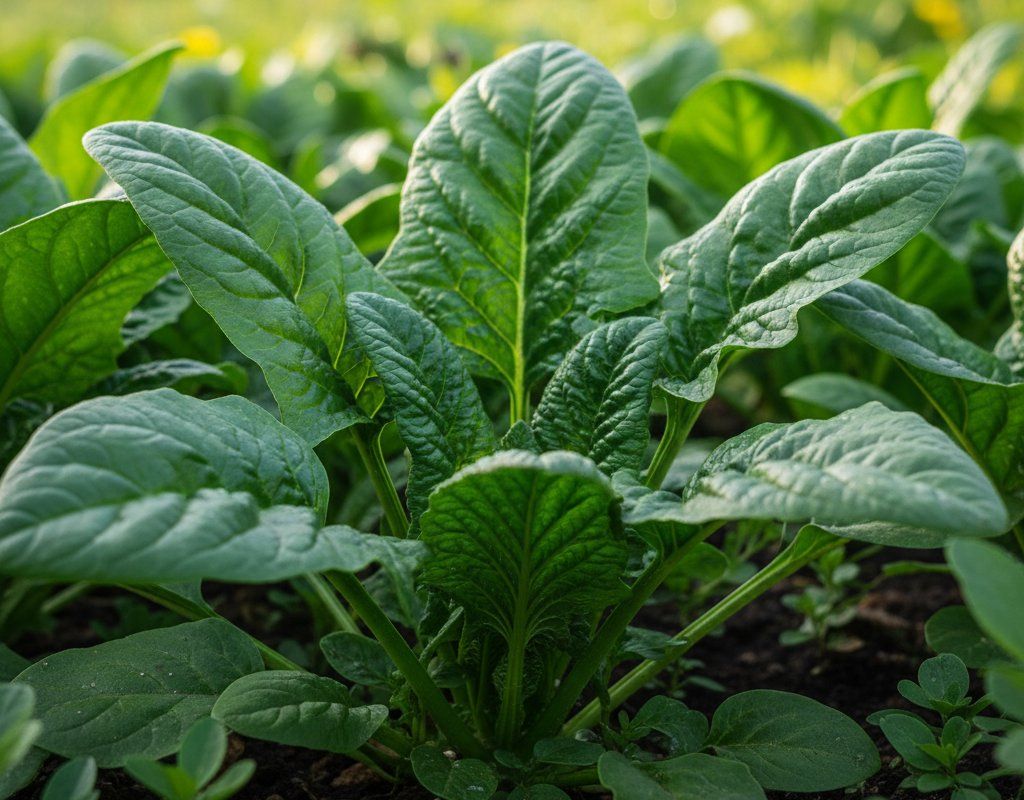
Spinach pairs naturally with cilantro since both prefer cooler weather and can share space during spring and fall plantings. Avoid planting cilantro near fennel, as these herbs can cross-pollinate and affect each other's flavor. In our fertile Midwest soil, cilantro also works well as a quick-growing crop between rows of slower-developing plants, making efficient use of garden space during our 168-day growing season.
🌸Best Flowers to Plant with Cilantro
These flowers protect your Cilantro from pests and attract pollinators for better harvests.



Get a Reminder When It's Time to Plant
We'll email you when key planting windows open for your zone.