
Spinach in Zone 5B — Midwest
Spinacia oleracea · Your Complete 2026 Planting Guide
Last Call for Seed Starting!
Indoor seed starting window closes in 10 days.
Start Seeds This Week
Start seeds now for transplanting later.
Or Wait for Starts
If you don’t want to start seeds, starts will be available around March 28.
How to Plant Spinach in Zone 5B — Midwest
Here are all your options for getting spinach in the ground, from the easiest method to more advanced approaches.
Direct Sow Seeds
RecommendedMid March through mid August
around March 14
Consider succession planting every 2-3 weeks for continuous harvest.
Spinach loves cold soil. Direct sow as soon as ground can be worked.
Start Seeds Indoors
RecommendedLate February through mid March
around February 28
Then transplant: Late March through early May
Start seeds 4-6 weeks before transplanting outdoors.
Buy Starts
Works WellLate March through early May
around March 28
Plant purchased starts after last frost (April 25).
Transplant Outdoors
Timing InfoLate March through early May
around March 28
Can tolerate light frost, but wait for soil to be workable.
You have a nice window — no need to rush.
Fall Planting
Mid August through mid September
August 29 ideal · Direct sow for fall harvest
Plant a second crop in mid-summer for fall harvest. Spinach actually prefers the cooling temperatures of fall.
Overview
Spinach thrives in our Midwest climate, giving you nutrient-packed leaves that taste worlds better than anything from the grocery store. Our moderate-to-hot summers and fertile soil create perfect conditions for multiple harvests throughout the growing season — you can plant in early spring when the ground barely thaws and keep succession planting through late summer for fall crops.
Our 168-day growing season works beautifully for spinach since it's a cool-season crop that actually prefers our variable spring weather and cooler fall temperatures. While summer heat spells can be challenging, proper timing and a bit of afternoon shade will keep your spinach productive when other gardeners are struggling with bolted plants.
Starting Seeds Indoors
Starting spinach indoors isn't essential, but it gives you a head start during our unpredictable spring weather. You can sow seeds in late February through mid-March, about four weeks before your planned transplant date. This method works well if you want guaranteed seedlings ready to go once the soil becomes workable.
Set up seed trays in a cool location — spinach actually prefers temperatures around 50-60°F for germination, so a basement or unheated garage often works better than a warm kitchen windowsill. Bottom watering keeps the soil evenly moist without creating the fungal problems that overhead watering can cause in our moderate humidity.
The main advantage here in the Midwest is getting around our variable spring timing. Indoor-started plants give you flexibility when late cold snaps hit or when clay soil stays too wet to work directly.
Transplanting Outdoors
Transplant your indoor-started spinach seedlings from late March through early May, timing it around our typical last frost window. Spinach handles light frost beautifully, so you don't need to wait until Memorial Day like you would with tomatoes or peppers.
Harden off your seedlings gradually over a week, starting with just a few hours outdoors in a protected spot. Our spring weather can swing from 40°F to 70°F in the same week, so this gradual exposure prevents transplant shock. Plant them 4-6 inches apart in rows or blocks — they'll fill in nicely without crowding.
Watch for those late cold snaps that can surprise us even into early May. A simple row cover or even old bedsheets will protect your newly transplanted spinach if temperatures drop unexpectedly below 25°F.
Direct Sowing
Direct sowing works exceptionally well for spinach in the Midwest since this crop actually loves cold soil. You can start sowing from mid-March through mid-August, beginning as soon as your clay soil becomes workable in spring. Don't worry about soil temperature — spinach will germinate in soil as cool as 35°F.
Prepare your planting area by working compost into the soil if possible, though spinach isn't particularly fussy about soil conditions. Our fertile Midwest soil usually provides everything spinach needs. Plant seeds about half an inch deep and 4-6 inches apart — closer spacing works fine since you'll be harvesting outer leaves regularly.
The beauty of direct sowing here is avoiding transplant shock entirely, and spinach seedlings establish quickly in cool spring conditions. For summer plantings, choose a spot that gets morning sun but afternoon shade to help the plants handle our heat spells better.
Watering Spinach in Zone 5B (Midwest)
Spinach needs consistent moisture but not waterlogged conditions — a challenge with our clay soil that either sheds water or holds too much. Aim for about 1 to 1.5 inches of water per week, including rainfall. Our typical 30-40 inches of annual precipitation means you'll rarely need supplemental watering in spring and fall, but summer heat spells require attention.
Check soil moisture by sticking your finger 2 inches deep near the plants. The soil should feel like a wrung-out sponge — moist but not soggy. In our moderate-to-humid climate, water early morning at the base of plants rather than overhead. This prevents the leaf diseases that thrive in our humid summer conditions.
During summer heat spells when temperatures hit 86°F or higher, increase watering frequency to keep the soil cool. Hot, dry soil triggers bolting faster than almost anything else. A 2-inch layer of grass clippings or shredded leaves helps retain moisture and keeps roots cool during those typical Midwest heat waves.
Watch for wilting in afternoon heat (normal) versus morning wilting (needs water). Overwatered spinach develops yellowing lower leaves and can rot at the base, especially problematic in our clay soil that drains slowly.
🧪Fertilizing Spinach
Feeding Schedule
Organic Fertilizer Options
Harvest Time
Your first spinach harvest typically comes in late April through early May, about 40 days from planting. You'll know it's ready when the outer leaves reach 3-4 inches long and have that deep green color. Don't wait for huge leaves — younger leaves taste better and harvesting encourages more growth.
Harvest by cutting outer leaves about an inch above the soil line, leaving the center growing point intact. This "cut and come again" method keeps plants producing for weeks. You can also harvest entire small rosettes by cutting the whole plant about an inch above soil level — new growth will emerge from the crown in cool weather.
Keep harvesting regularly through late spring, then take a break during summer heat spells when plants tend to bolt. Resume planting and harvesting again from late summer plantings, continuing until our first frost in early October. Fall spinach often tastes sweetest since cool nights concentrate sugars in the leaves.
Once plants start sending up flower stalks (bolting), harvest immediately — the leaves become bitter quickly after flowering begins. In our climate, this usually happens when day length increases and temperatures consistently hit the mid-80s.
Common Problems in Zone 5B (Midwest)
Bolting shows up as a tall flower stalk shooting from the center of your spinach plant, often seemingly overnight. The leaves become bitter and tough once this happens, essentially ending your harvest from that plant. Our Midwest summer heat spells combined with longer June days trigger this response — it's the plant's natural survival mechanism when it senses stress.
Plant spinach early in spring or wait until late summer to avoid the worst heat. Provide afternoon shade during summer heat spells and keep soil consistently moist. Choose slow-bolt varieties like 'Space' or 'Tyee' that tolerate heat better than standard types.
Downy mildew appears as yellow patches on leaf tops with fuzzy gray-purple growth on the undersides, typically starting on older leaves. Our moderate-to-humid climate creates perfect conditions for this fungal disease, especially during cool, wet spring weather that's common here. The disease spreads quickly in humid conditions.
Improve air circulation by proper spacing and remove affected leaves immediately. Water at soil level rather than overhead — our humidity provides enough moisture in the air already. Copper-based fungicides can help prevent spread, but good cultural practices work better long-term.
Leaf miners create winding trails or blotches inside leaves where tiny larvae tunnel through the leaf tissue. You'll see the actual tunnels as white or light green squiggly lines, and sometimes tiny black specks of insect waste. These pests become more active during our warm, humid summer conditions.
Remove affected leaves promptly and destroy them — don't compost. Row covers during peak season (late spring through early summer) prevent adult flies from laying eggs. The damage is mostly cosmetic on spinach since you're harvesting leaves anyway.
Midwest Specific Challenges: Our combination of moderate-to-humid summers and wet-summer rainfall creates ideal conditions for fungal diseases, while summer heat spells trigger bolting faster than in cooler climates. Plan your planting schedule around our climate patterns rather than fighting them.
Best Companions for Spinach
Plant these nearby for healthier Spinach and better harvests.

Keep Away From
Companion Planting Details
Spinach grows beautifully alongside strawberries, peas, and beans in our Midwest gardens. Strawberries provide light shade during summer heat spells while spinach's shallow roots don't compete with strawberry crowns. Peas and beans fix nitrogen in the soil, feeding your spinach naturally — plus these crops mature at different times, maximizing your garden space efficiency.
Brassicas like cabbage, broccoli, and kale make excellent companions since they share similar growing preferences for cool weather and consistent moisture. Plant them together in early spring or late summer, and they'll all thrive in our fertile Midwest soil without competing heavily for resources. There aren't any significant bad companions for spinach — it's one of the most cooperative vegetables you can grow.
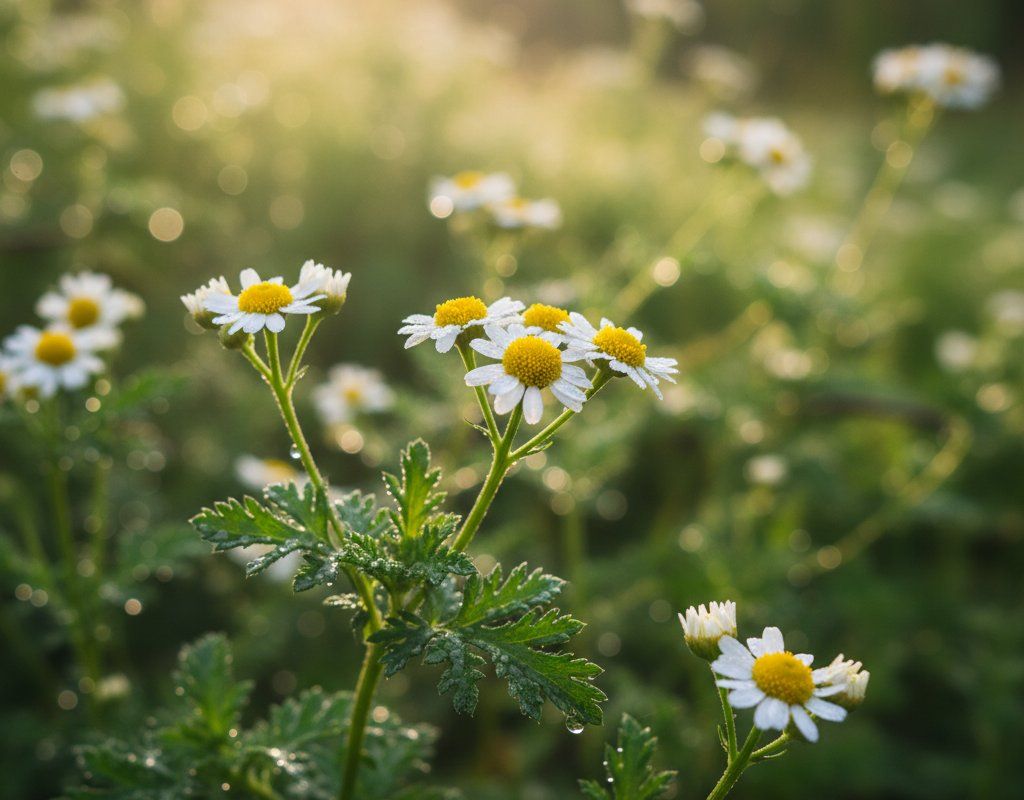
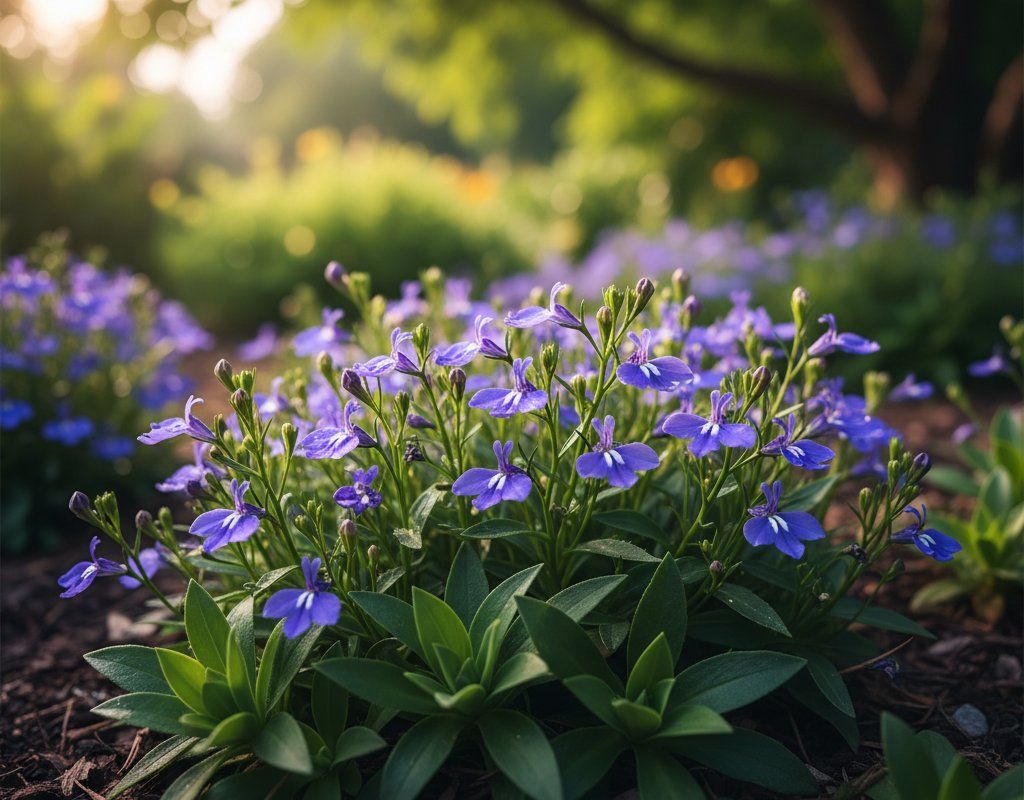
🌸Best Flowers to Plant with Spinach
These flowers protect your Spinach from pests and attract pollinators for better harvests.
For Pest Control



Get a Reminder When It's Time to Plant
We'll email you when key planting windows open for your zone.