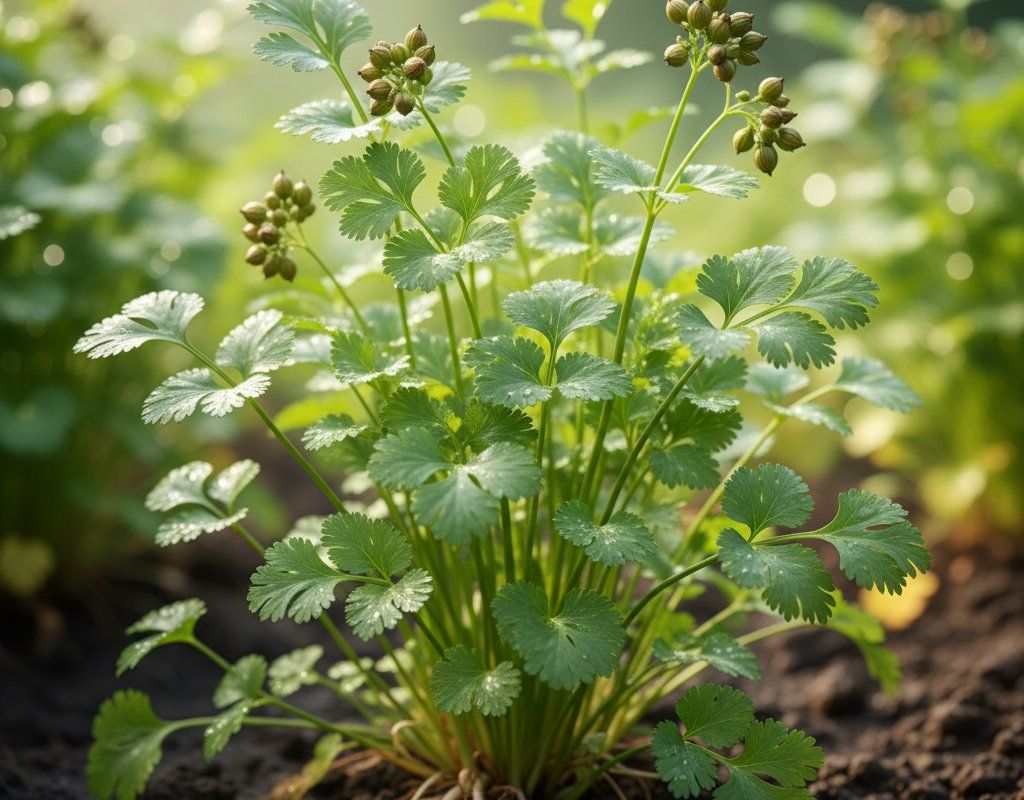
Cilantro in Zone 6B — Mountain West
Coriandrum sativum · Your Complete 2026 Planting Guide
Planning Ahead — Great!
You’re ahead of the season. Here’s when to start.
Mark Your Calendar
How to Plant Cilantro in Zone 6B — Mountain West
Here are all your options for getting cilantro in the ground, from the easiest method to more advanced approaches.
Direct Sow Seeds
RecommendedMid April through early August
around April 11
Consider succession planting every 2-3 weeks for continuous harvest.
Cilantro bolts quickly in heat. Direct sow in cool weather for best results.
Start Seeds Indoors
RecommendedLate March through mid April
around March 28
Then transplant: Late April through early June
Start seeds 4-6 weeks before transplanting outdoors.
Buy Starts
Works WellLate April through early June
around April 25
Plant purchased starts after last frost (April 25).
Transplant Outdoors
Timing InfoLate April through early June
around April 25
Can tolerate light frost, but wait for soil to be workable.
You have a nice window — no need to rush.
Fall Planting
Early August through early September
August 24 ideal · Direct sow for fall harvest
Plant a second crop in mid-summer for fall harvest. Cilantro actually prefers the cooling temperatures of fall.
Overview
Cilantro thrives in the Mountain West's unique climate, making it one of our most reliable herbs. The cool nights even in summer keep this Mediterranean herb from bolting too quickly, while our intense sunlight produces robust flavor in the leaves. Our moderate-at-altitude summers create perfect conditions for multiple succession plantings, giving you fresh cilantro from late spring through fall.
Our short 163-day growing season and late spring start might seem limiting, but cilantro's quick 45-day maturity works perfectly with our Mountain timing. The key is working with our cool spring and early fall windows, avoiding the peak summer heat when this herb wants to bolt. With proper timing and succession planting, you'll have more fresh cilantro than you can use.
Starting Seeds Indoors
Starting cilantro indoors isn't the preferred method, but it can give you a head start in our late Mountain spring. Start seeds late March through mid-April, about 4 weeks before your last frost. Use seed trays with good drainage and keep them in a warm spot (65-70°F) until germination.
Bottom watering works best for cilantro seedlings since they're prone to damping off with overhead watering. Once sprouted, provide bright light and keep soil consistently moist but not soggy. The main advantage of indoor starting here is getting around our unpredictable late spring weather.
Cilantro doesn't love root disturbance, so consider biodegradable pots or plant cells that can go directly in the ground. This method makes most sense if you want the earliest possible harvest or if late spring snow is still threatening your garden beds.
Transplanting Outdoors
Transplant your cilantro seedlings late April through early June, after our typical last frost window passes. Start hardening them off a full week before transplanting – our intense UV and temperature swings can shock tender seedlings. Gradually increase their outdoor exposure, starting with just an hour in filtered light.
Space transplants 6-8 inches apart in partial shade to full sun. In our intense Mountain sun, partial shade actually helps prevent premature bolting. Plant them at the same depth they were growing in their containers, firming soil gently around the roots.
Watch for those late spring temperature swings that can stress young plants. Having row covers handy helps protect transplants from unexpected cold snaps or late season snow that can still hit us in early May.
Direct Sowing
Direct sowing works well for cilantro in the Mountain West, especially for succession planting. Sow seeds mid-April through early August, planting every 2-3 weeks for continuous harvest. The soil should be workable and consistently above 45°F – our soils warm slowly at altitude.
Prepare your bed by working compost into our typically alkaline soil. Sow seeds ¼ inch deep and 6-8 inches apart, or broadcast and thin later. Keep soil consistently moist until germination, which takes 7-14 days in cool Mountain soil.
Direct sowing in late summer (early August through early September) gives you the best fall crop since cilantro loves our cooling temperatures. Spring sowings often bolt quickly once summer heat arrives, but fall plantings stay productive until hard frost hits in early October.
Watering Cilantro in Zone 6B (Mountain West)
Cilantro needs consistent moisture in our dry Mountain climate – this isn't a drought-tolerant herb despite what some guides claim. Our low humidity and intense sun dry out soil faster than you might expect. Check soil moisture with the finger test, poking down 2 inches. If it's dry there, it's time to water.
Provide about 1 inch of water weekly through deep, less frequent watering rather than daily sprinkles. Water at soil level rather than overhead to prevent leaf diseases, though our low humidity makes fungal issues less common than in humid climates. Morning watering works best, giving plants time to dry before our cool nights.
Watch for signs of water stress – wilting leaves and premature bolting are dead giveaways that your cilantro is too dry. Overwatering shows up as yellowing lower leaves and stunted growth. Our alkaline soil can become hydrophobic when too dry, so consistent moisture is key.
A light mulch helps retain moisture in our dry air, but keep it away from plant stems. Organic matter like grass clippings or shredded leaves works well, breaking down to improve our often-challenging Mountain soils while conserving precious water.
🧪Fertilizing Cilantro
Feeding Schedule
Organic Fertilizer Options
Harvest Time
Your first cilantro harvest comes about 45 days after planting, typically late May through mid-October depending on your planting timing. Start harvesting when plants reach 6+ inches tall with several sets of true leaves. The younger leaves have the best flavor – once flowering starts, leaves become bitter and tough.
Cut outer stems at the base rather than pinching individual leaves. This encourages bushy growth and more productive plants. Harvest in the morning after dew dries but before the day's heat builds. In our intense Mountain sun, afternoon-harvested herbs can be stressed and less flavorful.
Keep harvesting regularly to prevent bolting – this plant wants to set seed quickly in our climate. Once you see the central flower stalk forming, harvest heavily and start your next succession planting. The flowers are edible too, with a mild cilantro flavor.
As our first frost approaches in early October, harvest entire plants and freeze or dry the leaves. Unlike basil, cilantro won't recover from frost damage, so get that final harvest before cold weather ends the season.
Common Problems in Zone 6B (Mountain West)
Bolting shows up as a tall central flower stalk shooting up from the plant center, usually accompanied by smaller, more bitter leaves. This happens when cilantro gets stressed by heat, drought, or long summer days. In the Mountain West, this typically hits during our warmest periods in July and August, especially if plants dry out in our low humidity.
Fix bolting by planting at the right times – early spring and late summer work best here. Provide afternoon shade during peak summer heat and keep soil consistently moist. Choose slow-bolt varieties like 'Slow Bolt' or 'Jantar' that tolerate our temperature swings better.
Aphids appear as clusters of tiny green or black insects on stems and leaf undersides, often with sticky honeydew residue and curled new growth. Our dry air doesn't deter them like it does many other pests, and they multiply quickly during warm spells.
Blast them off with strong water spray from your hose – this works especially well in our low humidity since plants dry quickly. Encourage natural predators like ladybugs by planting diverse flowers nearby. For heavy infestations, insecticidal soap works well in our climate since there's little rain to wash it off.
Leaf spot creates brown or black spots on leaves, particularly during our infrequent but intense summer storms when humidity briefly spikes. Though less common in our dry climate, it can hit when plants stay wet too long after watering or sudden weather changes.
Prevent leaf spot by watering at soil level and ensuring good air circulation between plants. Remove affected leaves immediately and avoid overhead watering late in the day. Our typically dry conditions help prevent this disease, but watch for it during unusual humid spells.
Mountain West Specific Challenges: Our intense UV can stress cilantro faster than gardeners from other regions expect, while our alkaline soils may need amendments for optimal growth. The combination of moderate-at-altitude heat and low humidity means plants need more consistent watering than typical cilantro advice suggests, but our excellent drainage prevents most root problems.
Best Companions for Cilantro
Plant these nearby for healthier Cilantro and better harvests.

Keep Away From

Companion Planting Details
Plant cilantro near tomatoes and peppers – it helps repel aphids and spider mites that commonly attack these warm-season crops in our climate. The partial shade from taller plants also helps prevent premature bolting during our intense summer sun. Spinach makes an excellent companion since both prefer cool weather and similar watering needs.
Beans work well with cilantro since they don't compete for nutrients and the nitrogen-fixing helps in our often-poor Mountain soils. Avoid planting near fennel, which can cross-pollinate and affect flavor, plus both plants attract similar beneficial insects, creating competition rather than cooperation in your garden ecosystem.
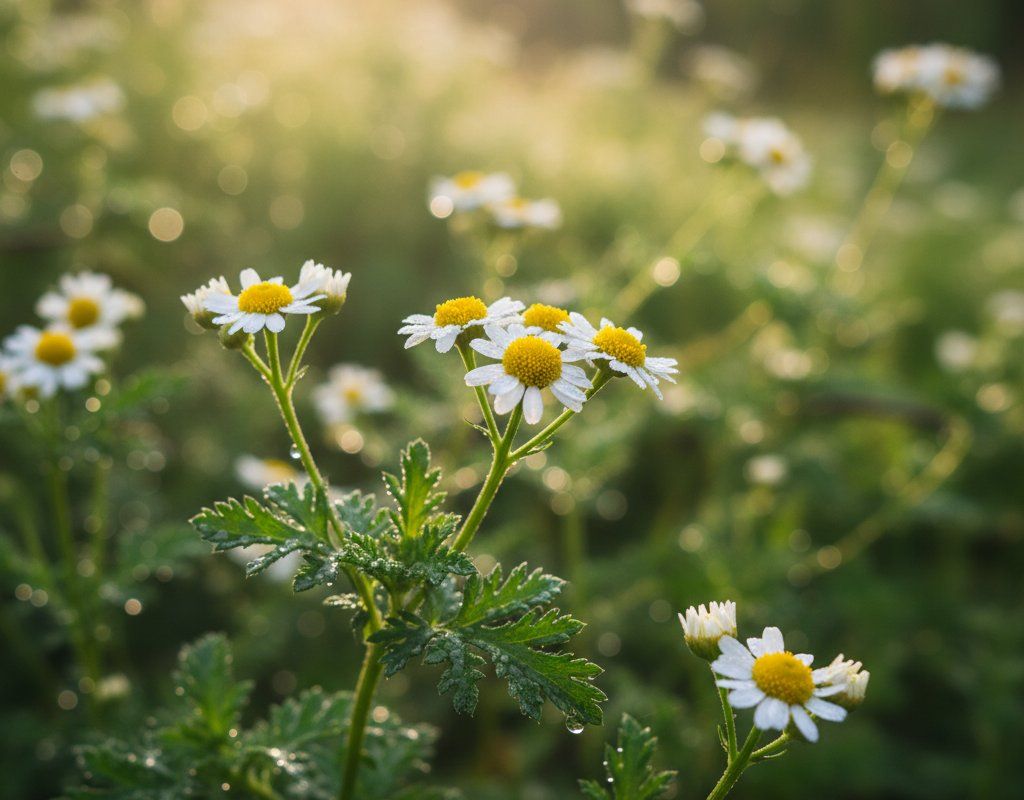
🌸Best Flowers to Plant with Cilantro
These flowers protect your Cilantro from pests and attract pollinators for better harvests.



Get a Reminder When It's Time to Plant
We'll email you when key planting windows open for your zone.