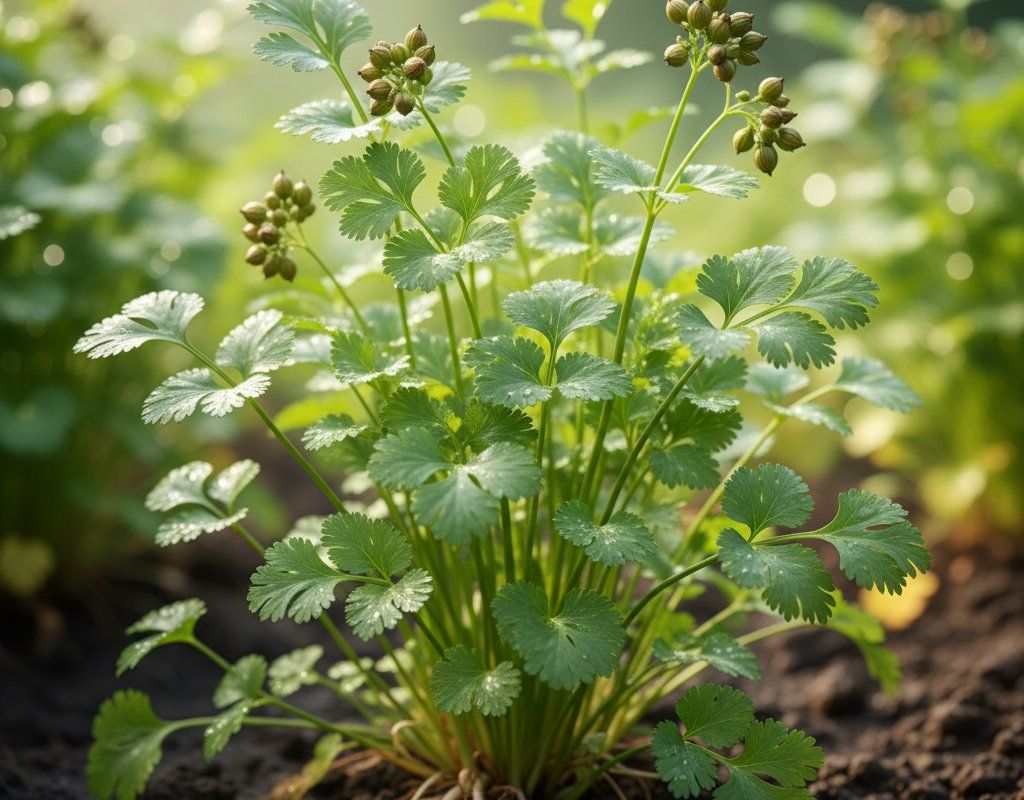
Cilantro in Zone 7A — Mid-Atlantic
Coriandrum sativum · Your Complete 2026 Planting Guide
Ideal Time: Start Seeds Indoors!
This is the perfect time for the biggest, best harvest.
Start Seeds Now
- Start seeds in trays or pots with seed-starting mix
- Keep soil moist and warm (70-80°F)
- Transplant outdoors Early April through mid May
Not Starting from Seed?
Buy starts around April 5 — that works great too!
How to Plant Cilantro in Zone 7A — Mid-Atlantic
Here are all your options for getting cilantro in the ground, from the easiest method to more advanced approaches.
Direct Sow Seeds
RecommendedLate March through early September
around March 22
Consider succession planting every 2-3 weeks for continuous harvest.
Cilantro bolts quickly in heat. Direct sow in cool weather for best results.
Start Seeds Indoors
RecommendedEarly to late March
around March 8
Then transplant: Early April through mid May
Start seeds 4-6 weeks before transplanting outdoors.
Buy Starts
Works WellEarly April through mid May
around April 5
Plant purchased starts after last frost (April 5).
Transplant Outdoors
Timing InfoEarly April through mid May
around April 5
Can tolerate light frost, but wait for soil to be workable.
You have a nice window — no need to rush.
Fall Planting
Early September through early October
September 18 ideal · Direct sow for fall harvest
Plant a second crop in mid-summer for fall harvest. Cilantro actually prefers the cooling temperatures of fall.
Overview
Cilantro brings fresh, bright flavor to your Mid-Atlantic garden that you simply can't get from the wilted bunches at the grocery store. Here in Zone 7A, our four seasons and reliable rainfall create perfect conditions for growing this cool-weather herb, especially during our moderate spring and fall periods. Fresh cilantro elevates everything from summer salsas to fall soups, and you'll appreciate having it steps away from your kitchen.
Our humid summers and variable spring weather can challenge cilantro's preference for cool conditions, but smart timing makes all the difference. With our 208-day growing season, you have multiple opportunities to succession plant and enjoy fresh cilantro from early spring through late fall. The key is working with our climate patterns rather than fighting them.
Starting Seeds Indoors
Starting cilantro indoors isn't essential, but it makes sense when you want an early spring harvest or more control over germination. Start seeds in early to late March, about 4 weeks before your planned transplant date. Use seed trays with quality potting mix, keeping them at 60-70°F for best germination.
Cilantro seedlings appreciate bottom watering to prevent damping off in our humid spring conditions. Place trays in bright light or under grow lights once seeds sprout. Our moderate spring start means you won't need as much indoor heat as gardeners in colder zones, but consistent moisture is crucial.
Remember that cilantro doesn't love root disturbance, so consider using biodegradable pots if you choose the indoor route. The seedlings will be ready to harden off when they're 3-4 inches tall with several true leaves.
Transplanting Outdoors
Transplant your cilantro seedlings from early April through mid-May, after our last frost risk passes in early April. Start hardening them off about a week before transplanting by gradually exposing them to outdoor conditions. Begin with an hour or two of morning sun, extending the time daily.
Space transplants 6-8 inches apart in prepared soil. Our variable spring weather means you might face unexpected warm spells that stress young plants, so choose a location that gets morning sun but afternoon shade. This protection becomes especially valuable as temperatures climb toward summer.
Handle the root ball gently during transplanting since cilantro resents root disturbance. Water thoroughly after planting and consider using a light mulch to maintain consistent soil moisture during those unpredictable spring temperature swings we're known for.
Direct Sowing
Direct sowing works beautifully for cilantro in the Mid-Atlantic, especially for succession plantings. Sow seeds from late March through early September, timing your plantings to avoid the hottest summer weeks when cilantro bolts quickly. The soil should be workable and at least 50°F for good germination.
Plant seeds ¼ inch deep and 6-8 inches apart in rows. Our clay soil benefits from added compost or aged manure to improve drainage and make it easier for cilantro's taproot to develop. Keep the soil consistently moist during germination, which typically takes 7-14 days in our spring conditions.
For continuous harvests, succession sow every 2-3 weeks during cool weather periods. Skip plantings during July and August when our heat and humidity cause rapid bolting, then resume in late August for fall harvests that can continue until our first frost in late October.
Watering Cilantro in Zone 7A (Mid-Atlantic)
Cilantro needs consistent moisture but not soggy soil, which makes our 40-50 inches of annual rainfall both a blessing and a challenge. During spring and fall, natural rainfall often provides most of what your cilantro needs. However, our humid summers with typical highs around 88°F require more careful water management.
Check soil moisture by sticking your finger 2 inches deep near the plants. If it feels dry, it's time to water. Aim for about 1 inch per week, including rainfall. During hot spells, you might need to water every 2-3 days to prevent the stress that triggers bolting.
Water at the base of plants rather than overhead to minimize leaf diseases in our humid conditions. Early morning watering allows leaves to dry before evening, reducing fungal problems. A thin layer of organic mulch helps maintain consistent soil moisture and keeps roots cool during summer heat.
Watch for signs of water stress: wilting during the heat of the day (even with adequate soil moisture) and rapid bolting. Overwatering in our clay soil creates yellowing leaves and root rot. Consistent, moderate watering is key to keeping cilantro productive in our Mid-Atlantic climate.
🧪Fertilizing Cilantro
Feeding Schedule
Organic Fertilizer Options
Harvest Time
Your first cilantro harvest typically arrives in early May from spring plantings and continues through early November with succession sowings. Plants reach harvestable size about 45 days from seed, when they're 6+ inches tall with plenty of leafy growth.
Cut outer stems at the base of the plant, taking no more than one-third of the plant at a time. This encourages continued growth and delays bolting. Fresh cilantro is best harvested in the morning when leaves are crisp and full of moisture. You'll notice the distinctive aroma intensifies when you cut the stems.
Once plants bolt and send up flower stalks, leaf production stops and flavor becomes bitter. This happens quickly in our summer heat, but cooler fall temperatures slow the process significantly. Pinch off flower buds as they appear to extend leaf production, though eventually the plant's biology wins.
As our first frost approaches in late October, harvest any remaining cilantro and consider potting up a plant or two for a sunny windowsill. The roots are also edible and store well refrigerated, giving you a final harvest even after the leaves are spent.
Common Problems in Zone 7A (Mid-Atlantic)
Bolting appears as a central flower stalk shooting up from the plant, often seemingly overnight during warm weather. The leaves become smaller and more bitter as the plant shifts energy to seed production. Our mid-summer heat and long days trigger this response naturally, which is why timing plantings for cooler weather is crucial. Prevent bolting by providing afternoon shade during hot spells, maintaining consistent soil moisture, and choosing varieties bred for slow bolting. If plants do bolt, let them go to seed and harvest fresh coriander.
Aphids show up as clusters of tiny, soft-bodied insects on stem tips and leaf undersides, often leaving sticky honeydew residue. These green, black, or white pests multiply rapidly in our warm, humid conditions and can quickly distort new growth. Strong water sprays knock them off effectively, or encourage natural predators like ladybugs and lacewings. For heavy infestations, insecticidal soap works well in our humid climate. Avoid over-fertilizing with nitrogen, which makes plants more attractive to aphids.
Leaf spot appears as brown or yellow spots on leaves, often with dark borders, and spreads quickly in our humid summer conditions. Fungal diseases thrive when leaves stay wet, especially during our muggy summer nights. Improve air circulation by proper spacing, water at soil level rather than overhead, and remove affected leaves immediately. In severe cases, copper-based fungicides help, but prevention through good garden hygiene works best in our climate.
Mid-Atlantic Specific Challenges: Our combination of moderate-to-hot summers, high humidity, and variable spring weather creates unique challenges for cilantro. The humidity promotes fungal diseases while heat stress triggers rapid bolting. However, our reliable rainfall and four distinct seasons also provide excellent opportunities for spring and fall cultivation when cilantro thrives.
Best Companions for Cilantro
Plant these nearby for healthier Cilantro and better harvests.

Keep Away From

Companion Planting Details
Cilantro pairs beautifully with tomatoes, peppers, and beans in Mid-Atlantic gardens. The herb's flowers attract beneficial insects that help with pollination and pest control for these warm-season crops. Plant cilantro nearby to take advantage of the partial shade these taller plants provide during our humid summers. Spinach makes an excellent companion for succession planting since both prefer cooler weather and similar growing conditions.
Avoid planting cilantro near fennel, which can cross-pollinate and affect flavor if both plants are allowed to go to seed. In our humid climate, good air circulation becomes especially important, so give companion plants adequate spacing to prevent fungal issues that can spread between crowded plantings.
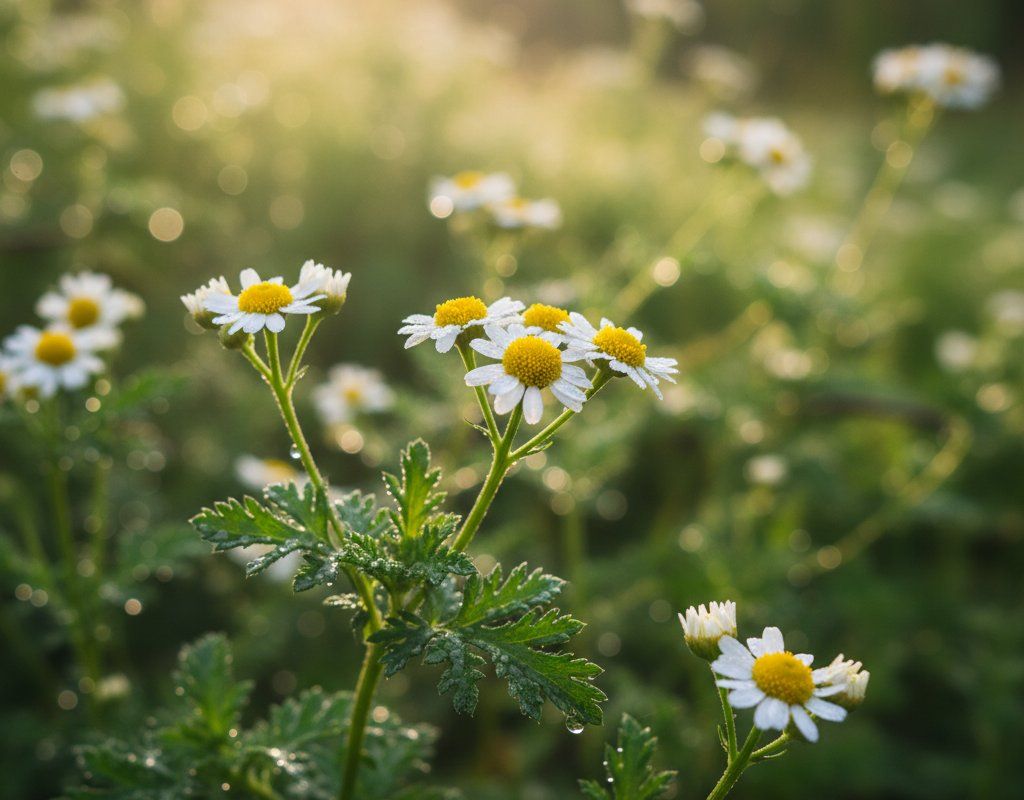
🌸Best Flowers to Plant with Cilantro
These flowers protect your Cilantro from pests and attract pollinators for better harvests.



Get a Reminder When It's Time to Plant
We'll email you when key planting windows open for your zone.