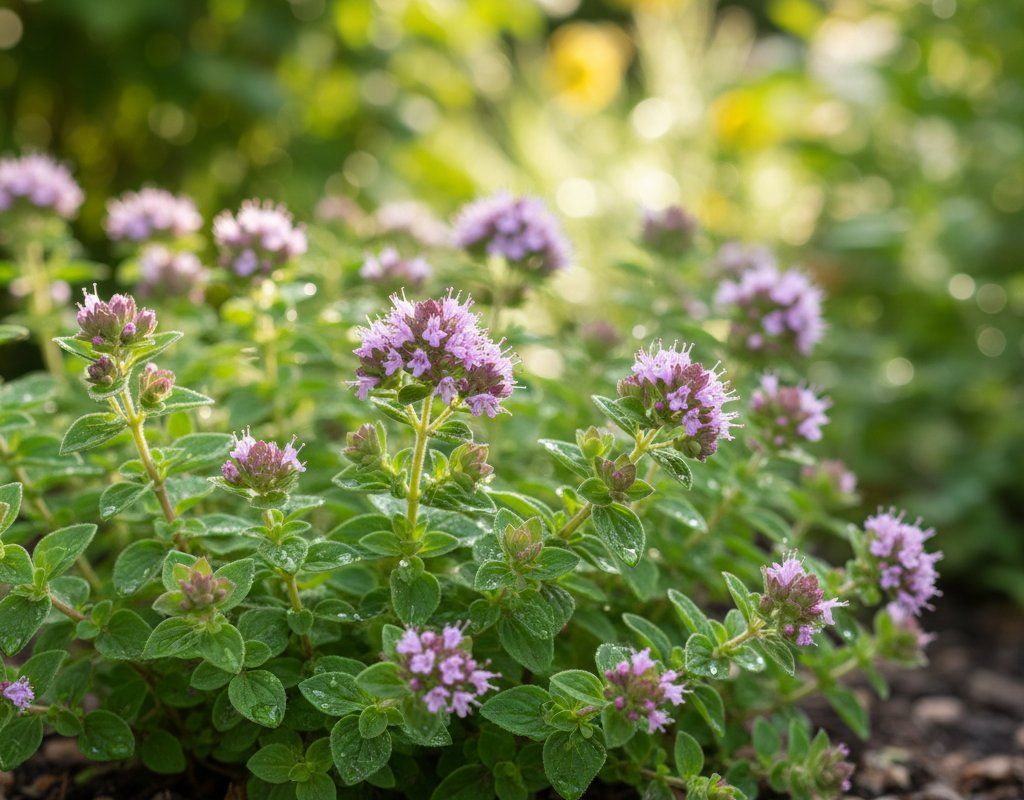
Oregano in Zone 7A — Mid-Atlantic
Origanum vulgare · Your Complete 2026 Planting Guide
Missed Seed Starting? No Problem!
Wait for starts to become available.
What to Do
Starts will be available at nurseries in 32 days (around April 5).
How to Plant Oregano in Zone 7A — Mid-Atlantic
Here are all your options for getting oregano in the ground, from the easiest method to more advanced approaches.
Buy Starts
RecommendedEarly April through mid May
around April 5
Plant purchased starts after last frost (April 5).
Easy from seed but slow. Starts give faster results.
Start Seeds Indoors
Works WellEarly to late February
around February 8
Then transplant: Early April through mid May
Start seeds 8-10 weeks before transplanting outdoors.
Direct Sow Seeds
Works WellEarly April through early September
around April 5
Consider succession planting every 2-3 weeks for continuous harvest.
Transplant Outdoors
Timing InfoEarly April through mid May
around April 5
Can tolerate light frost, but wait for soil to be workable.
You have a nice window — no need to rush.
Overview
Oregano brings the taste of authentic Mediterranean cooking to your Mid-Atlantic garden, offering an intensity that store-bought oregano simply can't match. This hardy perennial thrives in our four distinct seasons, spreading into a productive mat that provides fresh leaves from spring through fall. With our reliable rainfall and warm, humid summers, oregano establishes quickly and produces abundantly once settled.
Your biggest challenge here will be managing our clay soil and humid conditions, which oregano doesn't love. But with proper timing and soil prep, this drought-tolerant herb becomes nearly maintenance-free. Our 208-day growing season gives you plenty of time to establish plants and harvest multiple cuttings before the first frost arrives in late October.
Starting Seeds Indoors
Starting oregano seeds indoors makes sense if you want multiple plants or specific varieties not available as transplants. Sow seeds in early to late February, about 8 weeks before your planned transplant date. Oregano seeds are tiny and need light to germinate, so barely cover them with seed-starting mix.
Keep your seed trays warm (70-75°F) and use bottom watering to avoid disturbing the fine seeds. The germination is slow and uneven, often taking 2-3 weeks. Once seedlings emerge, provide bright light and maintain consistent moisture without waterlogging.
With our moderate spring start, you'll have plenty of time to grow sturdy transplants. But honestly, oregano from seed is slow going—most Mid-Atlantic gardeners find better success buying established plants or taking cuttings from friends' gardens.
Transplanting Outdoors
Transplant oregano outdoors from early April through mid-May, after your soil has warmed and the risk of hard frost has passed. Even though oregano is hardy, young transplants benefit from settled spring weather. Harden off your plants gradually over a week, introducing them to outdoor conditions for longer periods each day.
Space plants 12-18 inches apart to allow for their spreading habit. In our clay soil, work in compost or coarse sand to improve drainage—oregano hates wet feet. Plant at the same depth they were growing in containers.
Watch for those temperature swings we get in April and early May. A late cold snap won't kill established oregano, but it can set back new transplants. Keep row cover handy if overnight temperatures drop below 35°F during the first few weeks after planting.
Direct Sowing
Direct sowing oregano works well in the Mid-Atlantic from early April through early September, giving you flexibility for succession plantings. Prepare your soil by working in compost and ensuring good drainage—this is especially important with our clay soil. Scatter the tiny seeds thinly and rake lightly to barely cover them.
Keep the seedbed consistently moist until germination, which takes 2-3 weeks in cool spring soil. Our spring rains help, but you may need to supplement with gentle watering. Thin seedlings to 12-18 inches apart once they're 2 inches tall.
Direct sowing in summer works for fall harvest, but be prepared to water regularly during establishment since young plants haven't developed their drought tolerance yet. Spring sowing generally gives better results in our climate.
Watering Oregano in Zone 7A (Mid-Atlantic)
Established oregano thrives on neglect in our Mid-Atlantic climate. Once your plants are settled (about 4 weeks after transplanting), they need minimal supplemental watering thanks to our reliable 40-50 inches of annual rainfall. During typical summer weather with highs around 88°F, established plants rarely need watering unless we hit a genuine dry spell lasting more than two weeks.
Use the finger test: stick your finger 2 inches into the soil near the plant. If it's dry at that depth, give plants a deep drink—about 1 inch of water weekly during dry periods. Water at the base rather than overhead; our humid summers create perfect conditions for fungal problems when leaves stay wet.
Overwatering is the quickest way to kill oregano and dilute its essential oils. In our clay soil, this is especially problematic since drainage is naturally slow. You'll know you're overwatering if leaves look pale and growth seems weak. Signs of underwatering include wilted, grayish leaves, but honestly, this rarely happens here except during exceptional drought.
A thin layer of mulch helps regulate soil moisture, but keep it away from the plant base to prevent crown rot in our humid conditions.
Pruning & Maintaining Oregano
Oregano needs minimal pruning but benefits from a midsummer trim to keep plants compact and productive. Cut back the entire plant by one-third in July or early August, just as flower buds start forming. This prevents the plant from getting woody and encourages fresh, flavorful growth for fall harvest.
Throughout the season, pinch off flower buds as they appear if you want to maximize leaf production. However, oregano flowers attract beneficial insects, so consider leaving some to bloom—especially since our humid summers can harbor fewer pollinators than drier climates.
In late fall, after the first hard frost in late October, cut plants back to about 2 inches from the ground. This tidies the garden and removes any disease-harboring foliage before winter. Don't worry about protecting the crowns—oregano is fully hardy here and will emerge vigorously next spring.
🧪Fertilizing Oregano
Feeding Schedule
Organic Fertilizer Options
Harvest Time
Expect your first meaningful harvest from mid-May onward, once plants reach 4-6 inches tall and have multiple stems. The best flavor comes just before flowering, when essential oil concentration peaks. Cut stems in the morning after dew has dried but before the day gets hot.
Always cut stems above a pair of leaves, leaving at least 2 inches of stem with foliage. This ensures the plant continues producing new growth. You can harvest continuously through early November, right up until hard frost arrives. Each plant can be cut back by half every 3-4 weeks during the growing season.
For the strongest flavor, harvest during dry weather—our humid summers can dilute essential oils if you cut during or right after rain. Fresh oregano keeps well in the refrigerator for a week, or you can dry it by hanging bundles in a well-ventilated area.
As late October approaches and first frost threatens, harvest heavily and preserve what you can't use fresh. The plants will die back with frost but return vigorously the following spring.
Common Problems in Zone 7A (Mid-Atlantic)
Root Rot: Yellowing leaves that progress upward from the base, soft blackened roots, and plants that wilt despite moist soil signal root rot. Our clay soil and humid conditions create perfect conditions for this fungal disease, especially when combined with overwatering. Improve drainage by working coarse sand or perlite into planting areas, and water only when soil is dry 2 inches down. Remove affected plants immediately and don't replant oregano in the same spot for several years.
Aphids: Look for clusters of tiny green, black, or white insects on stem tips and leaf undersides, often accompanied by sticky honeydew residue and curled new growth. Our warm, humid summers create ideal breeding conditions for these sap-suckers. Knock them off with a strong water spray daily for a week, or use insecticidal soap for heavy infestations. Encourage beneficial insects by planting nearby flowers—ladybugs and lacewings are your best natural control.
Spider Mites: Fine white stippling on leaves and barely visible webbing between stems indicate spider mites. These tiny pests thrive during hot, dry spells that stress plants. Increase humidity around plants with mulch or frequent light misting, and use daily water sprays to disrupt their life cycle. Our naturally humid climate usually prevents severe infestations, but they can appear during unusually dry summer stretches.
Mid-Atlantic Specific Challenges: Our moderate-to-hot, humid summers with even rainfall create a double-edged situation for oregano. While the consistent moisture reduces drought stress, the combination of humidity and clay soil significantly increases root rot risk. Focus on drainage improvement and avoid the temptation to water frequently—let our reliable rainfall do most of the work.
Best Companions for Oregano
Plant these nearby for healthier Oregano and better harvests.

Keep Away From
Companion Planting Details
Oregano makes an excellent companion for heat-loving vegetables in your Mid-Atlantic garden. Plant it near tomatoes, peppers, and squash where it reportedly helps repel pests while its shallow roots won't compete for water and nutrients. The aromatic oils may also deter some of the beetles that plague these crops during our humid summers.
Beans and oregano pair well because beans fix nitrogen that oregano can use, while oregano's spreading habit helps suppress weeds around bean plants. Avoid planting oregano near moisture-loving herbs like basil or mint—their different water needs don't match well in our clay soil conditions where drainage management is already challenging.
🌸Best Flowers to Plant with Oregano
These flowers protect your Oregano from pests and attract pollinators for better harvests.
For Pest Control



Get a Reminder When It's Time to Plant
We'll email you when key planting windows open for your zone.