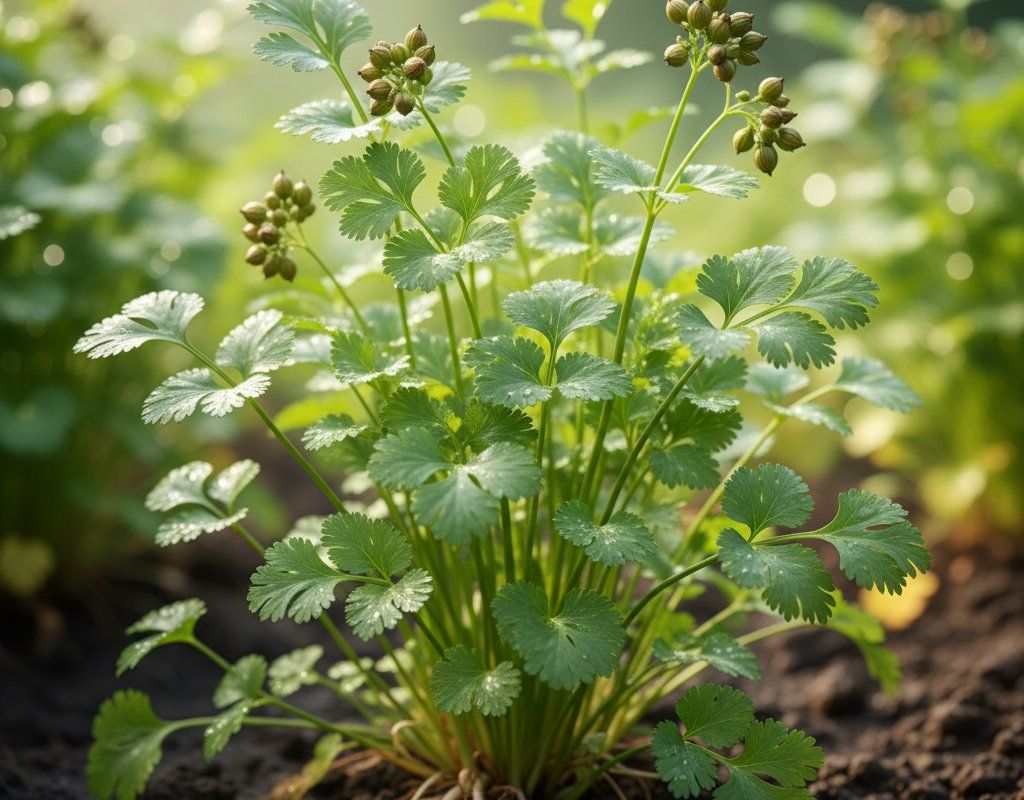
Cilantro in Zone 7A — Texas
Coriandrum sativum · Your Complete 2026 Planting Guide
Missed Seed Starting? No Problem!
Wait for starts to become available.
What to Do
Starts will be available at nurseries in 11 days (around March 15).
How to Plant Cilantro in Zone 7A — Texas
Here are all your options for getting cilantro in the ground, from the easiest method to more advanced approaches.
Direct Sow Seeds
RecommendedEarly March through mid September
around March 1
Consider succession planting every 2-3 weeks for continuous harvest.
Cilantro bolts quickly in heat. Direct sow in cool weather for best results.
Start Seeds Indoors
RecommendedEarly February through early March
around February 15
Then transplant: Mid March through late April
Start seeds 4-6 weeks before transplanting outdoors.
Buy Starts
Works WellMid March through late April
around March 15
Plant purchased starts after last frost (March 15).
Transplant Outdoors
Timing InfoMid March through late April
around March 15
Can tolerate light frost, but wait for soil to be workable.
You have a nice window — no need to rush.
Fall Planting
Mid September through mid October
October 4 ideal · Direct sow for fall harvest
Plant a second crop in mid-summer for fall harvest. Cilantro actually prefers the cooling temperatures of fall.
Overview
Cilantro thrives in Texas's long 245-day growing season, giving you multiple plantings from early spring through late fall. The fresh, distinctive flavor transforms your homegrown salsa and Mexican dishes in ways that store-bought herbs simply can't match. In our Texas climate, you can actually get two prime growing windows—spring before the brutal summer heat hits, and again in fall when temperatures cool down.
Yes, our unpredictable weather and extreme summer heat can challenge cilantro, but timing your plantings right makes all the difference. This cool-season herb actually appreciates some protection from our intense sun, and with succession planting every few weeks, you'll have fresh leaves from mid-April clear through late November.
Starting Seeds Indoors
Starting cilantro seeds indoors works well in Texas, especially for your earliest spring crop. Start seeds in early February through early March, about 4 weeks before you plan to transplant outdoors. This timing lets you get plants established before our spring weather turns hot and unpredictable.
Use seed-starting trays with good drainage, and keep them in a warm spot around 60-70°F. Cilantro seeds can be slow to germinate, taking 7-14 days, so be patient. Bottom watering works best—set your trays in a shallow pan of water rather than watering from above to prevent disturbing the seeds.
Since our Texas springs start early but can have sudden temperature swings, indoor starting gives you more control over those critical first weeks. You'll have sturdy transplants ready to go out as soon as the soil can be worked in mid-March.
Transplanting Outdoors
Transplant your indoor-started cilantro from mid-March through late April, once soil temperatures reach about 50°F and the worst freeze risk has passed. In Texas, this timing usually works well since our last frost typically hits around mid-March, though always keep an eye on weather forecasts for late cold snaps.
Harden off your seedlings gradually over a week before transplanting. Start with an hour or two outdoors in a protected spot, then gradually increase their time outside. Our spring winds and variable humidity can shock tender plants, so this step is crucial for success.
Space transplants 6-8 inches apart in well-draining soil. Choose a spot that gets morning sun but has some afternoon shade protection—cilantro will bolt quickly once our Texas heat really kicks in. The earlier you get plants established, the better harvest you'll get before summer arrives.
Direct Sowing
Direct sowing cilantro works excellently in Texas, especially for fall plantings when the weather cooperates better. Sow seeds from early March through mid-September, though your best results come from early spring and fall sowings when temperatures stay moderate.
Prepare your soil by working in compost and ensuring good drainage—standing water after our flash floods can rot cilantro roots quickly. Plant seeds about ¼ inch deep and 6-8 inches apart. Soil temperature should be between 50-85°F for good germination.
The key challenge with direct sowing here is that cilantro bolts fast in heat. If you're sowing in late spring or summer, choose the coolest spot in your garden and consider providing afternoon shade. Fall direct-sowing from mid-September through mid-October often gives better results than fighting our summer heat.
Watering Cilantro in Zone 7A (Texas)
Cilantro needs consistent moisture to prevent bolting, which makes watering strategy crucial in our variable Texas climate. Aim for about 1 inch of water per week, though you'll need to adjust based on our unpredictable rainfall patterns and heat levels. During cooler months, natural rainfall might handle most of your watering needs.
Check soil moisture with the finger test—stick your finger 2 inches deep, and water when it feels dry at that level. In our extreme summer heat, you might need to water every other day, while cooler spring and fall weather might only require twice-weekly watering. Always water at soil level rather than overhead to avoid encouraging fungal problems in our variable humidity.
During drought periods, consistent watering becomes even more critical since cilantro will bolt immediately if stressed by dry conditions. Conversely, after flash floods, make sure your soil drains well—soggy roots will kill cilantro faster than drought. Signs of underwatering include wilting and premature flowering, while overwatering shows up as yellowing leaves and stunted growth.
A 2-3 inch layer of mulch helps moderate soil moisture and temperature swings, which is especially valuable during our hot summer months. This also helps suppress weeds that compete for water during dry spells.
🧪Fertilizing Cilantro
Feeding Schedule
Organic Fertilizer Options
Harvest Time
Your first cilantro harvest typically comes in mid-April through late November, depending on when you planted. Most plantings reach harvestable size in about 45 days, though spring plantings often mature faster in our warming soil.
Harvest when plants reach 6+ inches tall by cutting outer stems at the base, leaving the center growing point intact. This encourages continued leaf production for several more harvests. The leaves should be bright green and aromatic—once the plant starts sending up a flower stalk (bolting), the leaf flavor turns bitter and the harvest window closes.
For continuous production, start new seeds every 2-3 weeks from early spring through early fall. This succession planting strategy works especially well in Texas since individual plants bolt quickly in our heat. Cut entire stems rather than picking individual leaves, which keeps the plant productive longer.
As first frost approaches around mid-November, harvest all remaining leaves at once. You can also let some plants go to seed to collect coriander seeds, though the leaf harvest ends once flowering begins. The plants won't survive our winter freezes, so make the most of that final harvest.
Common Problems in Zone 7A (Texas)
Bolting appears as a tall, spindly flower stalk shooting up from the center of your cilantro plant, often seemingly overnight. The leaves become smaller, tougher, and develop a bitter flavor once this happens. In Texas, this problem intensifies during our extreme heat and long summer days, making bolting the biggest challenge for cilantro growers here.
The primary cause is heat stress combined with our long daylight hours in summer. Drought conditions accelerate bolting, which is why consistent watering is so critical. To prevent bolting, plant at the right times (early spring and fall), provide afternoon shade during hot weather, and keep soil consistently moist. Choose slow-bolt varieties like 'Slow Bolt' or 'Jantar' that tolerate heat better than standard types.
Aphids show up as clusters of tiny green, black, or white insects on stem tips and leaf undersides. You'll notice sticky honeydew residue on leaves and curled or distorted new growth. In our variable humidity and warm weather, aphid populations can explode rapidly, especially during spring and fall growing seasons.
These sap-sucking pests multiply quickly in warm conditions, and fire ants often farm them for their honeydew, making the problem worse. Blast them off with a strong water spray from your hose, and encourage beneficial insects like ladybugs and lacewings. For heavy infestations, use insecticidal soap or neem oil, and avoid over-fertilizing with nitrogen, which attracts aphids.
Leaf spot appears as dark brown or black spots on cilantro leaves, often with yellow halos around the edges. The spots may start small but can spread to cover entire leaves, which then turn yellow and drop off. This fungal problem thrives in our variable humidity conditions, especially when leaves stay wet from overhead watering or after heavy rains.
Caused by various fungal pathogens that spread through water splash and humid conditions, leaf spot becomes worse during our unpredictable rainfall patterns. Prevent it by watering at soil level rather than overhead, providing good air circulation between plants, and avoiding working in the garden when plants are wet. Remove affected leaves immediately and dispose of them in the trash, not your compost pile.
Texas Specific Challenges: Our extreme heat and unpredictable weather create perfect storms for cilantro problems. The combination of sudden temperature swings, flash floods followed by drought, and variable humidity means you'll need to stay vigilant about watering and timing. Plant early in spring, provide afternoon shade, and focus on fall plantings for the most success.
Best Companions for Cilantro
Plant these nearby for healthier Cilantro and better harvests.

Keep Away From

Companion Planting Details
Cilantro makes an excellent companion for tomatoes, peppers, and beans in your Texas garden. Plant it near tomatoes to help repel aphids and other pests while providing ground cover that keeps soil cool during our hot summers. The cilantro's shallow roots won't compete with deeper-rooted peppers and tomatoes, making efficient use of garden space.
Spinach pairs well with cilantro since both prefer cooler weather and similar growing conditions—you can succession plant both together for continuous harvests through fall and early spring. Avoid planting cilantro near fennel, as fennel can inhibit cilantro's growth and both plants will bolt quickly in our Texas heat, creating competition for the same limited cool-weather growing window.
🌸Best Flowers to Plant with Cilantro
These flowers protect your Cilantro from pests and attract pollinators for better harvests.



Get a Reminder When It's Time to Plant
We'll email you when key planting windows open for your zone.