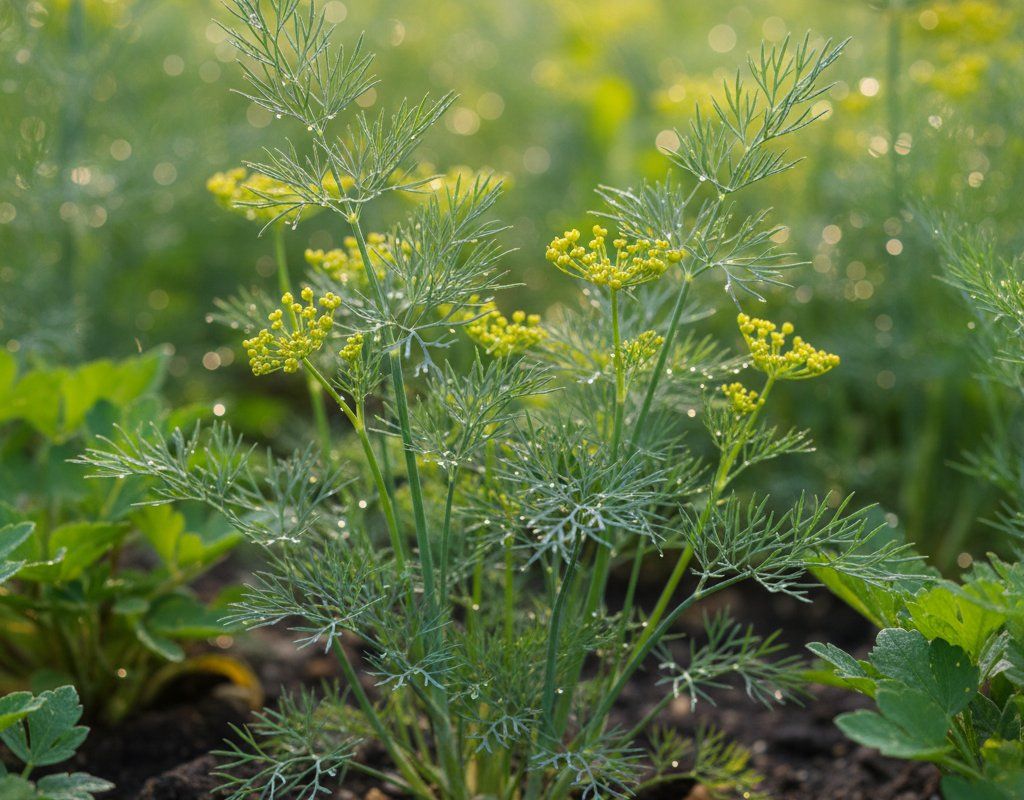
Dill in Zone 7A — Texas
Anethum graveolens · Your Complete 2026 Planting Guide
Last Call for Seed Starting!
Indoor seed starting window closes in 4 days.
Start Seeds This Week
Start seeds now for transplanting later.
Or Wait for Starts
If you don’t want to start seeds, starts will be available around March 22.
How to Plant Dill in Zone 7A — Texas
Here are all your options for getting dill in the ground, from the easiest method to more advanced approaches.
Direct Sow Seeds
RecommendedMid March through late September
around March 15
Consider succession planting every 2-3 weeks for continuous harvest.
Dill has a taproot and prefers direct sowing, but transplants work if handled carefully.
Start Seeds Indoors
RecommendedMid February through early March
around February 22
Then transplant: Late March through early May
Start seeds 4-6 weeks before transplanting outdoors.
Buy Starts
Works WellLate March through early May
around March 22
Plant purchased starts after last frost (March 15).
Transplant Outdoors
Timing InfoLate March through early May
around March 22
Can tolerate light frost, but wait for soil to be workable.
You have a nice window — no need to rush.
Fall Planting
Mid September through mid October
October 4 ideal · Direct sow for fall harvest
Plant a second crop in mid-summer for fall harvest. Dill actually prefers the cooling temperatures of fall.
Overview
Dill brings that bright, tangy flavor to your Texas garden that transforms everything from pickles to potato salad. Here in Zone 7A, you can grow fresh dill through most of our 245-day growing season, with the feathery leaves ready to harvest in just 40 days. The herb thrives in our early spring conditions and makes an excellent fall crop when the brutal summer heat finally breaks.
Our unpredictable Texas weather and intense summer heat can challenge dill, but timing is everything. Plant early to beat the heat, then again in fall for a second harvest. With proper timing and consistent watering, you'll have fresh dill from late April clear through late November.
Starting Seeds Indoors
Starting dill indoors makes sense if you want to get an early jump on spring or need more control over germination. Start seeds mid-February through early March, about 4 weeks before your transplant date. This gives you mature plants ready to go out when conditions are right in late March.
Set up your seed trays in a warm spot around 65-70°F with good light exposure. Dill seeds germinate best with bottom watering – fill your trays from underneath rather than sprinkling from the top. This prevents the fine seeds from washing around and keeps the soil consistently moist without creating soggy conditions.
Since dill develops a taproot early, choose deeper cells or peat pots that can go directly in the ground. Our early spring weather can swing dramatically, so indoor starting gives you more flexibility to time your transplants with stable conditions.
Transplanting Outdoors
Transplant your dill seedlings outdoors from late March through early May, after the risk of hard freezes passes. Choose a calm, cloudy day if possible – our spring winds can stress young transplants. Space plants 12 inches apart to give each room to develop its full, feathery growth.
Harden off seedlings for a week before transplanting by gradually exposing them to outdoor conditions. Start with 2-3 hours of morning sun, then increase daily. This process is crucial in Texas since our spring temperatures can jump from 60°F to 85°F in the same week.
Handle transplants carefully since dill doesn't love root disturbance. If you started seeds in biodegradable pots, plant the whole thing. Water gently after transplanting and provide some afternoon shade for the first few days if temperatures spike above 80°F.
Direct Sowing
Direct sowing works beautifully for dill since it develops a long taproot that prefers not to be disturbed. Sow seeds from mid-March through late September, giving you multiple planting windows throughout our long growing season. The soil should be consistently above 50°F for good germination.
Prepare a sunny spot with loose, well-draining soil. Scatter seeds thinly and cover with just 1/4 inch of soil – dill needs light to germinate well. Space your final plants 12 inches apart by thinning seedlings once they're 2-3 inches tall. Don't waste those thinnings – they're perfect for cooking.
Direct sowing lets you succession plant every 2-3 weeks from spring through early fall. This keeps fresh dill coming since each plant only produces for about 6-8 weeks before bolting in our heat. Fall plantings from mid-September through mid-October often give the best results since cooler weather slows bolting.
Watering Dill in Zone 7A (Texas)
Dill needs moderate, consistent moisture but can't handle waterlogged soil or drought stress. In Texas, both extremes trigger premature bolting – exactly what you're trying to avoid. Aim for about 1 inch of water per week, including rainfall, but adjust based on our unpredictable weather patterns.
Use the finger test to check soil moisture 2 inches deep before watering. During our hot summers with variable humidity, you might need to water every 2-3 days. Water at the base of plants early morning to reduce evaporation and avoid wetting the feathery foliage, which can encourage fungal problems when humidity spikes.
Our intense heat and unpredictable rainfall make consistent watering challenging. Apply 2-3 inches of mulch around plants to retain moisture and moderate soil temperature. During flash floods, ensure good drainage – dill roots rot quickly in standing water.
Watch for signs of stress: wilting leaves mean underwatering, while yellowing lower leaves often indicate overwatering. In extreme heat above 95°F, even well-watered dill may wilt mid-day, then recover by evening. This is normal – just maintain consistent soil moisture.
🧪Fertilizing Dill
Feeding Schedule
Organic Fertilizer Options
Harvest Time
Your first dill harvest comes 40 days after planting, typically late April for spring crops and continuing through late November with succession plantings. Start harvesting the feathery leaves when plants reach 6-8 inches tall – cut individual stems or pinch leaves as needed for cooking.
Harvest frequently to keep plants producing. Cut stems in the cool morning hours when the oils are most concentrated. Take no more than one-third of the plant at once to keep it healthy. Fresh leaves have the best flavor, but dill also dries well for winter use.
For dill seed (great for pickling), let some plants flower and go to seed. The umbrella-shaped flower heads turn brown and papery when seeds are ready, usually 8-10 weeks after planting. Cut the entire head and shake seeds into a paper bag – they'll fall right out when ripe.
As our first frost approaches in mid-November, harvest heavily or cover plants with row covers for a few extra weeks. Dill is fairly cold-hardy but won't survive hard freezes. Pull plants after the first killing frost and hang them to dry for winter herb supplies.
Common Problems in Zone 7A (Texas)
Bolting shows up as a tall flower stalk shooting from the center, with leaves becoming bitter and sparse. This happens when dill gets stressed by heat, drought, or long summer days – all common in Texas. Once bolted, the plant focuses on seed production instead of those tender leaves you want.
Plant at the right time to avoid the worst heat. Spring plantings from mid-March work well, but summer heat triggers bolting fast. Fall plantings from mid-September through mid-October perform much better. Keep soil consistently moist and provide afternoon shade when temperatures exceed 90°F. Choose slow-bolt varieties like 'Dukat' or 'Fernleaf' for better heat tolerance.
Aphids appear as clusters of tiny green, black, or white insects on stems and leaf undersides, often with sticky honeydew residue and curled growth. Our fire ants actually farm aphids, making this problem worse in Texas gardens. Populations explode in warm weather – exactly what we have plenty of.
Blast them off with a strong water spray early morning before temperatures climb. Encourage beneficial insects like ladybugs and lacewings with diverse plantings. For heavy infestations, use insecticidal soap or neem oil. Avoid high-nitrogen fertilizers that create tender growth aphids love. Check plants regularly since populations double every few days in hot weather.
Caterpillars from various moths chew holes in dill foliage, with the most common being parsley worms (black swallowtail caterpillars). You'll see large green caterpillars with black stripes and orange spots, plus dark droppings on leaves. While they eventually become beautiful butterflies, they can defoliate young plants quickly.
Hand-pick larger caterpillars – they're easy to spot on dill's feathery foliage. For smaller infestations, consider leaving them since swallowtail butterflies benefit Texas gardens. Use Bt (Bacillus thuringiensis) spray for severe damage, but only if necessary. Plant extra dill if you want to share with wildlife.
Texas Specific Challenges: Our extreme heat accelerates bolting, while unpredictable rainfall either drowns plants or stresses them into flowering. Variable humidity creates perfect conditions for both fungal problems and pest population explosions. The key is timing plantings for cooler weather and maintaining consistent moisture during our challenging growing conditions.
Best Companions for Dill
Plant these nearby for healthier Dill and better harvests.


Keep Away From
Companion Planting Details
Plant dill near cabbage, broccoli, and other brassicas – it repels cabbage worms while attracting beneficial insects that control other pests. Cucumbers benefit from dill's ability to deter cucumber beetles, plus both crops appreciate similar moderate watering schedules in our Texas heat. Onions make excellent neighbors since their strong scent confuses pests that target dill, and both handle our clay soils well when amended.
Lettuce and dill work beautifully together in spring and fall plantings, sharing similar cool-weather preferences and harvest timing. Avoid planting dill near carrots – they're related plants that compete for nutrients and can cross-pollinate, affecting flavor. Keep dill away from tomatoes too, since dill can inhibit tomato growth and both have different watering needs during our intense summers.
🌸Best Flowers to Plant with Dill
These flowers protect your Dill from pests and attract pollinators for better harvests.
For Pest Control




Get a Reminder When It's Time to Plant
We'll email you when key planting windows open for your zone.