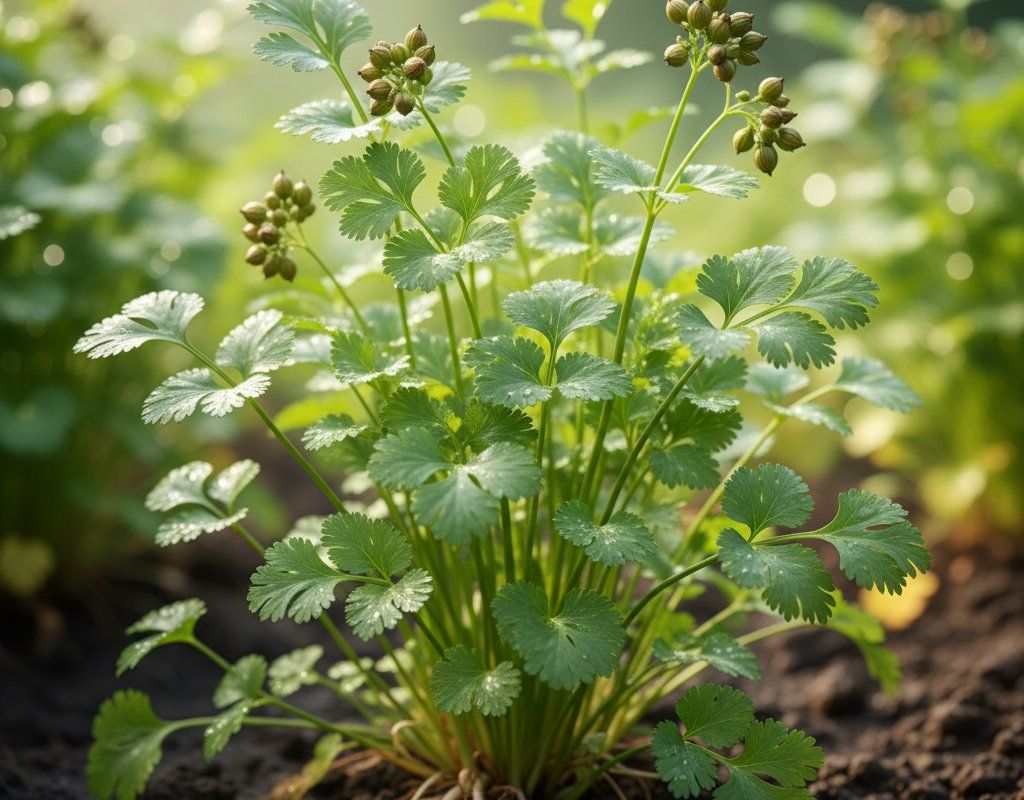
Cilantro in Zone 8A — Florida
Coriandrum sativum · Your Complete 2026 Planting Guide
Time to Buy Starts!
Seed starting window passed, but starts are available now.
Buy Starts Now
Head to your local nursery, Home Depot, or farmers market for transplants.
- Look for stocky plants with dark green leaves
- Avoid leggy seedlings or plants already flowering
- Check that roots aren't circling the pot (rootbound)
How to Plant Cilantro in Zone 8A — Florida
Here are all your options for getting cilantro in the ground, from the easiest method to more advanced approaches.
Direct Sow Seeds
RecommendedMid February through early October
around February 11
Consider succession planting every 2-3 weeks for continuous harvest.
Cilantro bolts quickly in heat. Direct sow in cool weather for best results.
Start Seeds Indoors
RecommendedLate January through mid February
around January 28
Then transplant: Late February through early April
Start seeds 4-6 weeks before transplanting outdoors.
Buy Starts
Works WellLate February through early April
around February 25
Plant purchased starts after last frost (February 25).
Transplant Outdoors
Timing InfoLate February through early April
around February 25
Can tolerate light frost, but wait for soil to be workable.
You have a nice window — no need to rush.
Fall Planting
Early October through early November
October 24 ideal · Direct sow for fall harvest
Plant a second crop in mid-summer for fall harvest. Cilantro actually prefers the cooling temperatures of fall.
Overview
Cilantro brings that distinctive citrusy, fresh flavor that's impossible to replicate with dried herbs, making it especially valuable for Florida gardeners who love Mexican, Asian, and Middle Eastern cuisines. In our humid subtropical climate, fresh herbs from the garden taste dramatically better than anything shipped from distant farms, and cilantro's quick 45-day turnaround means you can have continuous harvests throughout our long growing season.
While Florida's extreme humidity and summer heat can challenge many herbs, cilantro thrives in our cooler months from fall through spring. With our 283-day growing season, you can grow multiple successive crops when you time plantings right, avoiding the brutal summer heat that causes immediate bolting.
Starting Seeds Indoors
Starting cilantro seeds indoors isn't the most common approach, but it makes sense when you want precise timing for transplants in late February through early April. Since our Florida spring arrives earlier than most regions, starting seeds indoors during late January through mid-February gives you strong transplants ready when soil conditions are perfect.
Set up seed trays with good drainage and keep them at room temperature—our warm Florida homes provide ideal germination conditions without heat mats. Use bottom watering to prevent fungal issues that our high humidity can encourage. The controlled environment protects seedlings from our unpredictable late winter weather swings.
Give seedlings bright light from a south-facing window or grow lights once they emerge. You'll have transplant-ready seedlings in about 4 weeks, perfectly timed for our reversed growing calendar where cool-season crops start in late winter rather than late spring.
Transplanting Outdoors
Transplant your indoor-started cilantro seedlings outdoors from late February through early April, when nighttime temperatures consistently stay above freezing. This timing takes advantage of our mild Florida winters and gets plants established before summer heat arrives.
Harden off seedlings gradually over one week, starting with 2-3 hours of morning sun and increasing daily exposure. Our intense Florida sun can shock tender indoor-grown plants, so this gradual transition prevents transplant setback. Even in late winter, our subtropical sun is stronger than many regions experience in summer.
Space transplants 6-8 inches apart in well-draining soil, as our sandy Florida soils often need organic matter added for moisture retention. Plant on overcast days or in late afternoon to reduce transplant stress, and water gently at the base to avoid splashing soil onto leaves in our humid conditions.
Direct Sowing
Direct sowing cilantro works well in Florida from mid-February through early October, though spring and fall sowings perform best. Our sandy soils warm quickly, making early spring planting possible weeks before northern gardeners can even think about outdoor sowing.
Prepare beds with compost or aged manure to improve our naturally sandy soil's water-holding capacity. Sow seeds about ¼ inch deep and 6-8 inches apart, keeping soil consistently moist during germination. The main challenge with direct sowing is that cilantro bolts extremely quickly once temperatures hit the upper 80s, so timing is everything.
For continuous harvests, succession sow every 2-3 weeks during the cooler months. Skip summer sowings entirely unless you can provide afternoon shade—our 93°F typical summer highs will cause immediate bolting before you get any usable leaves.
Watering Cilantro in Zone 8A (Florida)
Cilantro needs consistent moisture but not waterlogged conditions, which can be tricky in Florida's climate extremes. During our dry winter months, water deeply once or twice weekly, providing about 1 inch total. Check soil moisture by inserting your finger 2 inches deep—if it's dry, it's time to water.
Our wet summer season brings different challenges. While you might not need to irrigate much during heavy rainfall periods, ensure good drainage to prevent root rot in our humid conditions. When summer thunderstorms skip your area, cilantro will need daily attention since it bolts quickly under heat and drought stress.
Water at the base of plants rather than overhead to reduce fungal disease risks in our very high humidity. Our 50-65 inches of annual rainfall sounds generous, but it comes irregularly, so supplemental watering maintains the consistent moisture cilantro demands.
Apply a thin layer of organic mulch around plants to retain soil moisture and moderate temperature swings, but keep mulch away from stems to prevent pest harboring in our warm, humid environment. Watch for signs of stress—wilting in morning hours or yellowing lower leaves indicate watering adjustments needed.
🧪Fertilizing Cilantro
Feeding Schedule
Organic Fertilizer Options
Harvest Time
Your first cilantro harvest comes surprisingly early in Florida—as soon as late March if you planted in late February, thanks to our warm growing conditions and long season. Begin harvesting when plants reach 6+ inches tall, typically 45 days from sowing, by cutting outer stems at the base rather than picking individual leaves.
Regular harvesting encourages continued leaf production and delays bolting. Cut what you need for the kitchen every few days, always leaving the growing center intact. Fresh cilantro has bright green color and that characteristic pungent aroma—once it starts flowering, leaf flavor becomes bitter and unusable.
In Florida's climate, cilantro plants have a shorter productive window than in cooler regions, often lasting only 6-8 weeks before bolting. Plan succession sowings every 2-3 weeks during cool months to maintain continuous harvests. You can potentially harvest through mid-December if you time fall plantings correctly.
When flower stalks appear, harvest immediately or let plants go to seed for coriander spice. Once our first frost approaches in early December, harvest all remaining leaves at once and preserve them by freezing or making cilantro paste with olive oil.
Common Problems in Zone 8A (Florida)
Bolting Plants suddenly send up tall flower stalks and leaves turn bitter—this happens frustratingly fast in Florida heat. You'll notice the plant's center shooting upward with small white flowers, and harvest quality ends immediately.
Hot weather, long days, and our intense subtropical sun trigger premature bolting in cilantro. Even brief temperature spikes into the 80s can cause cool-season crops like cilantro to shift into survival mode and reproduce rather than produce leaves.
Plant only during cool months, provide afternoon shade during warm spells, and keep soil consistently moist. Choose slow-bolt varieties when available and succession plant every 2-3 weeks rather than relying on one large planting.
Aphids Clusters of tiny green or black insects appear on new growth and stem undersides, often with sticky honeydew coating leaves. New leaves curl and growth becomes distorted as these sap-suckers multiply rapidly.
Florida's year-round warmth allows aphid populations to explode quickly, and they're attracted to tender new growth. Our humid conditions can stress plants, making them more susceptible to pest problems.
Blast aphids off with a strong spray from the hose early morning. Encourage beneficial insects like ladybugs by avoiding broad-spectrum pesticides. Apply insecticidal soap for heavy infestations, and avoid over-fertilizing with nitrogen, which produces the tender growth aphids prefer.
Leaf Spot Circular brown or black spots appear on leaves, often with yellow halos, starting on lower foliage and spreading upward. Leaves may yellow and drop prematurely in severe cases.
Florida's extreme humidity and frequent rainfall create perfect conditions for fungal diseases. Poor air circulation around plants and overhead watering compound the problem in our subtropical climate.
Space plants properly for air circulation, water at soil level rather than on leaves, and avoid working around wet plants. Remove affected leaves immediately and consider applying organic fungicide if problems persist through multiple plantings.
Florida Specific Challenges Our combination of intense summer heat, very high humidity, and irregular but heavy rainfall creates a perfect storm of challenges for cilantro. The extreme humidity promotes fungal diseases while summer temperatures cause immediate bolting, making timing absolutely critical for success.
Best Companions for Cilantro
Plant these nearby for healthier Cilantro and better harvests.
Keep Away From

Companion Planting Details
Plant cilantro near tomatoes and peppers—it reportedly helps repel aphids and other pests that commonly attack these warm-season crops in Florida's bug-friendly climate. The timing works well too, since you can grow cilantro during the cooler months when your tomato and pepper beds are being prepared or just planted.
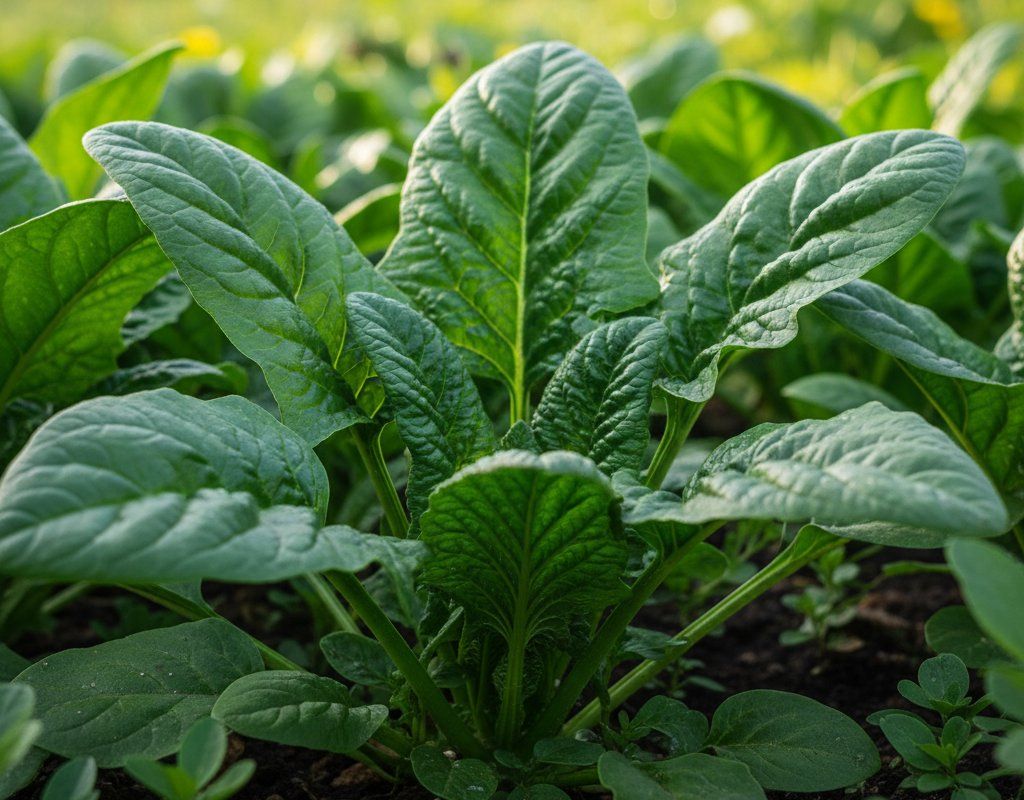
Spinach and beans make excellent neighbors since they share similar growing preferences for Florida's cooler months and don't compete aggressively for space or nutrients. Avoid planting cilantro near fennel, as these two herbs can cross-pollinate and affect seed quality if you plan to save seeds, plus fennel's strong root system can outcompete cilantro's more delicate growth in our sandy soils.
🌸Best Flowers to Plant with Cilantro
These flowers protect your Cilantro from pests and attract pollinators for better harvests.



Get a Reminder When It's Time to Plant
We'll email you when key planting windows open for your zone.