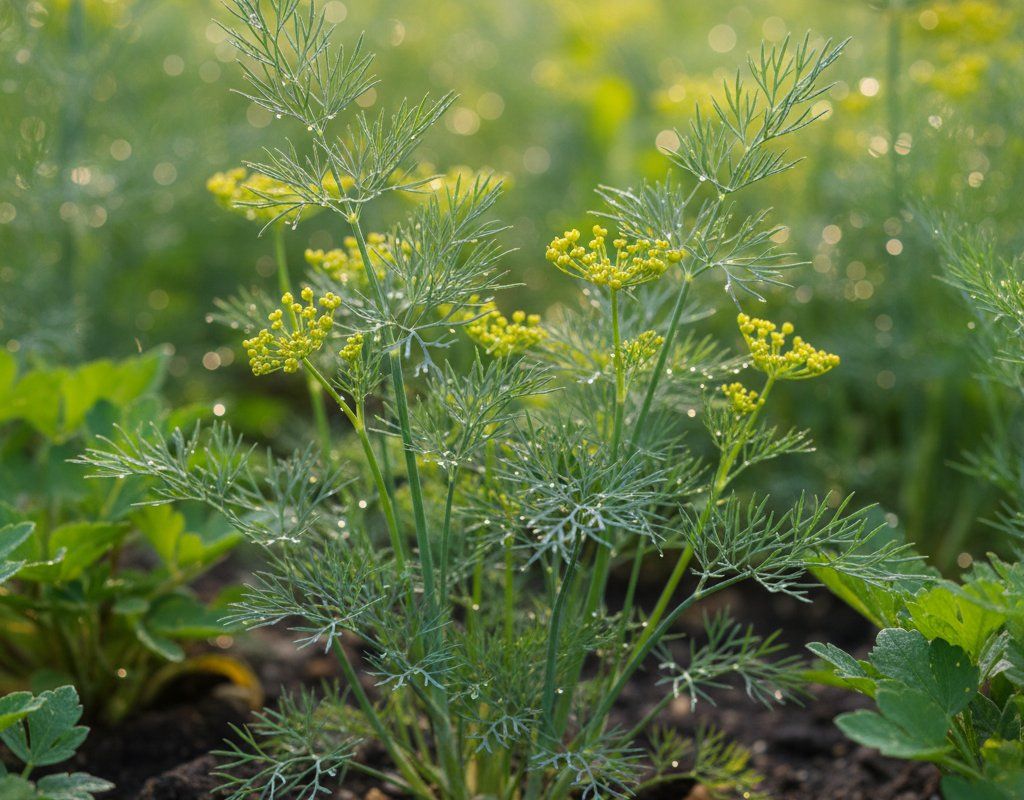
Dill in Zone 8A — Florida
Anethum graveolens · Your Complete 2026 Planting Guide
Time to Buy Starts!
Seed starting window passed, but starts are available now.
Buy Starts Now
Head to your local nursery, Home Depot, or farmers market for transplants.
- Look for stocky plants with dark green leaves
- Avoid leggy seedlings or plants already flowering
- Check that roots aren't circling the pot (rootbound)
How to Plant Dill in Zone 8A — Florida
Here are all your options for getting dill in the ground, from the easiest method to more advanced approaches.
Direct Sow Seeds
RecommendedLate February through mid October
around February 25
Consider succession planting every 2-3 weeks for continuous harvest.
Dill has a taproot and prefers direct sowing, but transplants work if handled carefully.
Start Seeds Indoors
RecommendedLate January through mid February
around February 4
Then transplant: Early March through mid April
Start seeds 4-6 weeks before transplanting outdoors.
Buy Starts
Works WellEarly March through mid April
around March 4
Plant purchased starts after last frost (February 25).
Transplant Outdoors
Timing InfoEarly March through mid April
around March 4
Can tolerate light frost, but wait for soil to be workable.
You have a nice window — no need to rush.
Fall Planting
Early October through early November
October 24 ideal · Direct sow for fall harvest
Plant a second crop in mid-summer for fall harvest. Dill actually prefers the cooling temperatures of fall.
Overview
Dill thrives in Florida's Zone 8A climate, giving you fresh feathery leaves for pickles, fish dishes, and Mediterranean cooking year-round. Unlike many herbs that struggle with our intense summer heat and humidity, dill actually prefers our cooler months and can handle light frosts, making it perfect for fall through spring production. The distinctive flavor of homegrown dill beats anything from the store, and you'll have both fresh leaves and seeds for your kitchen.
Florida's reversed growing season works beautifully for dill since it's naturally a cool-weather crop that bolts quickly in heat. Our 283-day growing season means you can succession plant from late winter through fall, avoiding only the brutal summer months when most herbs suffer. With proper timing, you'll dodge the worst humidity and fungal pressure while still getting multiple harvests throughout the year.
Starting Seeds Indoors
Starting dill indoors works well in Florida, though it's not absolutely necessary given our mild winters. Start seeds from late January through mid-February, about four weeks before your last frost typically arrives. This gives you stronger transplants ready to go into the garden when conditions are perfect in early spring.
Use seed starting trays with good drainage and keep them at around 65-70°F for germination. Bottom watering works best since dill seedlings are prone to damping off in our humid conditions. Provide bright light once they sprout, either from a sunny window or grow lights.
The main advantage of indoor starting here is getting a jump on the season and having transplants ready when those perfect growing days arrive in early March. Since dill has a taproot, handle seedlings gently and don't let them get rootbound before transplanting.
Transplanting Outdoors
Move your indoor-started dill seedlings outside from early March through mid-April, after hardening them off gradually over a week. This timing catches Florida's sweet spot before the intense heat arrives but after most frost danger passes. Start with a few hours of morning sun, then gradually increase outdoor exposure.
Space transplants 12 inches apart in well-draining soil with morning sun and some afternoon protection if possible. Handle the roots carefully since dill doesn't love being disturbed - plant them at the same depth they were growing in containers.
Watch for those late-season cold snaps that can surprise us in March. Have some row cover ready if temperatures drop below 40°F, though established dill can handle light frost just fine. The plants will take off quickly once settled in our warm spring weather.
Direct Sowing
Direct sowing is actually dill's preferred method since it develops a taproot that doesn't love transplanting. In Florida, you can sow from late February through mid-October, though spring and fall sowings perform best. Skip the summer months when heat causes immediate bolting.
Prepare your planting area with loose, well-draining soil since our sandy soils actually work in dill's favor here. Sow seeds about 1/4 inch deep and 12 inches apart, or broadcast and thin later. Seeds germinate best when soil temperatures are between 60-70°F, which happens quickly in our spring warming.
Fall planting from early October through early November often gives the best results since plants mature during our pleasant winter months. The cooler weather prevents bolting and gives you the longest harvest period. Just scatter seeds where you want them and let Florida's winter rains do most of the watering work.
Watering Dill in Zone 8A (Florida)
Dill needs moderate, consistent moisture but absolutely hates soggy feet - a tricky balance in Florida's wet summers. During spring and fall growing seasons, aim for about an inch of water per week, including rainfall. Check soil moisture by sticking your finger 2 inches down; if it's dry, it's time to water.
Water at the base of plants rather than overhead to avoid encouraging fungal diseases in our high humidity. This becomes critical from May through September when humidity stays above 80% most days. Early morning watering allows leaves to dry quickly as temperatures rise.
Summer rainfall often provides too much water, while winter can be surprisingly dry. During our 50-65 inch rainy season, you might need to improve drainage or even skip watering entirely. In drier winter months, watch for drooping or grayish foliage that signals water stress.
A 2-3 inch layer of organic mulch helps maintain consistent soil moisture and prevents the rapid wet-dry cycles that cause bolting. Pine straw works particularly well in Florida since it improves drainage in our sandy soils while retaining just enough moisture.
🧪Fertilizing Dill
Feeding Schedule
Organic Fertilizer Options
Harvest Time
Your first dill harvest typically arrives from early April through mid-December, depending on planting timing. With proper succession planting, you can harvest fresh dill leaves almost year-round except during our hottest summer months. Start snipping the feathery foliage once plants reach 6-8 inches tall, about 40 days from seeding.
Harvest individual fronds by cutting stems at the base, or pinch off what you need for immediate use. The more you harvest, the more leaves the plant produces before bolting. For dill seeds, let some plants flower and wait until the seed heads turn brown and dry - usually late fall in Florida.
Cut entire stems early morning when essential oils are strongest. Fresh dill keeps in the refrigerator for about a week, or you can dry it by hanging bundles in a well-ventilated area. Seeds can be collected by shaking dried flower heads into a paper bag.
As December's first frost approaches, harvest heavily and preserve what you can. Plants will die back with frost, but if you've succession planted, younger plants may survive mild freezes and continue producing into January during warm spells.
Common Problems in Zone 8A (Florida)
Bolting appears as tall flower stalks shooting up from the center of the plant, often overnight during hot spells. Leaves become bitter and sparse once flowering begins. This happens when temperatures consistently hit the upper 80s or during our long summer days, making dill primarily a fall-through-spring crop in Florida.
Hot weather, drought stress, and long daylight hours trigger premature flowering. Plant during cooler months and provide afternoon shade during warm spells in late spring. Keep soil consistently moist and succession plant every 3-4 weeks for continuous harvests before heat arrives.
Aphids show up as clusters of tiny green, black, or white insects on new growth and stem joints, leaving sticky honeydew behind. These soft-bodied pests multiply rapidly in warm weather and love the tender new growth that dill produces. You'll notice curled or distorted leaves and a general decline in plant vigor.
Blast them off with a strong spray from the hose, or encourage beneficial insects like ladybugs and lacewings. Insecticidal soap works for heavy infestations, applied in early morning or evening to avoid leaf burn. Avoid over-fertilizing with nitrogen, which creates the lush growth aphids prefer.
Caterpillars, particularly parsley worms (black swallowtail larvae), can strip dill plants quickly since they're in the same family as carrots and parsley. These green caterpillars with black stripes and orange spots are actually beneficial butterfly larvae, so hand-picking and relocating works better than pesticides.
Florida Specific Challenges: Our extreme humidity from June through September creates perfect conditions for fungal diseases, while sandy soils drain almost too quickly during dry spells. The combination of heat and humidity makes summer growing nearly impossible, so timing is everything for successful dill production here.
Best Companions for Dill
Plant these nearby for healthier Dill and better harvests.


Keep Away From
Companion Planting Details
Dill makes an excellent companion for cabbage family crops, cucumbers, and lettuce during Florida's cooler months. Plant it near broccoli, cauliflower, and cabbage to help repel cabbage worms and flea beetles. The umbrella-shaped flowers attract beneficial insects like parasitic wasps that control many garden pests naturally.
Cucumbers and dill grow beautifully together in spring plantings since both prefer similar cool conditions and moderate water. Dill's strong scent helps mask cucumber plants from cucumber beetles. Lettuce appreciates dill's light shade during our intense spring sunshine, and both crops finish before summer heat arrives.
Avoid planting dill near carrots since they can cross-pollinate and affect flavor, plus they compete for similar nutrients. Keep it away from tomatoes as dill can actually inhibit tomato growth and attract hornworms. In Florida's limited cool-season space, it's better to group dill with quick-growing greens and brassicas that share similar timing and water needs.
🌸Best Flowers to Plant with Dill
These flowers protect your Dill from pests and attract pollinators for better harvests.
For Pest Control




Get a Reminder When It's Time to Plant
We'll email you when key planting windows open for your zone.