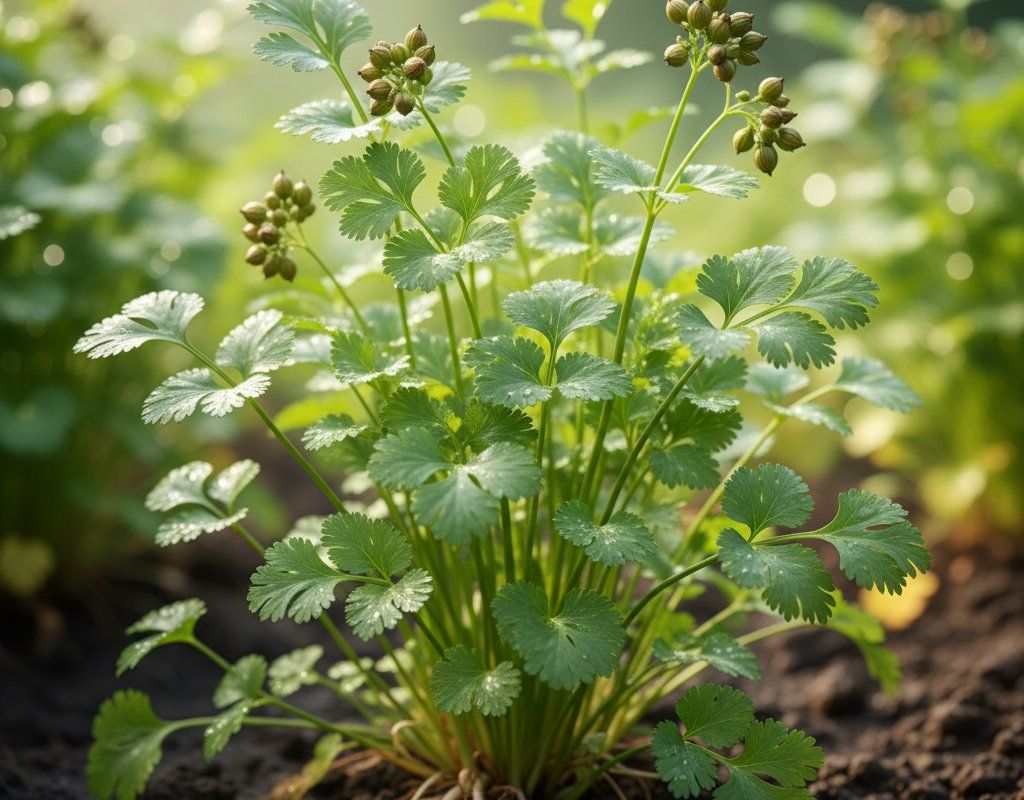
Cilantro in Zone 8B — Southern California
Coriandrum sativum · Your Complete 2026 Planting Guide
Time to Buy Starts!
Seed starting window passed, but starts are available now.
Buy Starts Now
Head to your local nursery, Home Depot, or farmers market for transplants.
- Look for stocky plants with dark green leaves
- Avoid leggy seedlings or plants already flowering
- Check that roots aren't circling the pot (rootbound)
How to Plant Cilantro in Zone 8B — Southern California
Here are all your options for getting cilantro in the ground, from the easiest method to more advanced approaches.
Direct Sow Seeds
RecommendedEarly February through mid October
around February 1
Consider succession planting every 2-3 weeks for continuous harvest.
Cilantro bolts quickly in heat. Direct sow in cool weather for best results.
Start Seeds Indoors
RecommendedMid January through early February
around January 18
Then transplant: Mid February through late March
Start seeds 4-6 weeks before transplanting outdoors.
Buy Starts
Works WellMid February through late March
around February 15
Plant purchased starts after last frost (February 15).
Transplant Outdoors
Timing InfoMid February through late March
around February 15
Can tolerate light frost, but wait for soil to be workable.
You have a nice window — no need to rush.
Fall Planting
Mid October through mid November
October 29 ideal · Direct sow for fall harvest
Plant a second crop in mid-summer for fall harvest. Cilantro actually prefers the cooling temperatures of fall.
Overview
Cilantro thrives in Southern California's mild winters and benefits tremendously from our year-round growing season. The fresh, citrusy leaves are worlds apart from store-bought cilantro that often tastes flat after long transport, and you'll have the satisfaction of snipping exactly what you need for fresh salsa, Thai curries, or Mexican dishes right from your garden. Our Mediterranean-style climate actually favors cilantro during the cooler months when this cool-season herb performs at its peak.
The main challenge with cilantro in SoCal is timing around our intense summer heat inland and managing it through our dry periods. However, with our 298-day growing season, you can succession plant multiple crops from late winter through fall, ensuring a steady supply when you keep it cool and consistently watered. The key is working with our natural cool periods rather than fighting the heat.
Starting Seeds Indoors
Starting cilantro indoors makes sense if you want precise timing for your first spring crop or if you're dealing with particularly windy conditions during our early spring season. Start seeds from mid-January through early February, about 4 weeks before you plan to transplant outdoors. Our very early spring means you'll be moving seedlings out while other regions are still dealing with snow.
Use seed trays with good drainage and keep them in a warm spot around 65-70°F until germination. Bottom watering works well for cilantro seeds since they prefer consistent moisture without getting waterlogged. Once sprouted, give them bright light from a south-facing window or grow lights. The seedlings will be ready to harden off when nighttime temperatures consistently stay above 40°F, which happens reliably by mid-February in most of SoCal.
Transplanting Outdoors
Transplant your cilantro seedlings from mid-February through late March, timing it with our mild winter-to-spring transition. This gives you the longest harvest window before summer heat forces the plants to bolt. Space transplants 6-8 inches apart to allow for good air circulation, which helps prevent fungal issues in our occasionally humid winter weather.
Harden off seedlings gradually over a week by placing them outside for increasing periods each day. Start with 2-3 hours in filtered morning sun, then work up to full outdoor exposure. Watch for any late cold snaps during this period - while rare, they can happen through mid-February. Once hardened off, transplants adapt quickly to our generally stable spring conditions.
Plant in a location that gets morning sun but some afternoon shade, especially if you're inland where temperatures can spike unexpectedly even in early spring.
Direct Sowing
Direct sowing works well in SoCal since our soil rarely freezes hard and we can plant much earlier than colder zones. Sow seeds from early February through mid-October, though spring and fall plantings perform much better than summer attempts. The extended sowing window lets you succession plant every 2-3 weeks for continuous harvests.
Prepare your soil by working in compost and ensuring good drainage - cilantro doesn't like waterlogged conditions. Sow seeds about 1/4 inch deep and 6-8 inches apart, or plant more densely and thin later. Seeds germinate best when soil temperatures are between 55-68°F, which describes most of our late winter through early spring period.
Keep in mind that cilantro bolts quickly once temperatures consistently hit the high 80s, so direct sowings from late spring through early fall require afternoon shade and extra attention to watering. Fall plantings from mid-October through mid-November often produce the best crops since they mature during our coolest, most stable weather.
Watering Cilantro in Zone 8B (Southern California)
Cilantro needs consistent moisture to prevent bolting, especially important in our low-humidity climate where plants can stress quickly. During our winter growing season, you'll typically need to water 1-2 times per week depending on rainfall, but summer plantings may need daily attention. Check soil moisture by sticking your finger 2 inches deep - it should feel like a wrung-out sponge.
In Southern California's winter-wet pattern, natural rainfall often handles much of your watering from December through March. However, our dry periods can stretch longer than expected, so don't rely entirely on nature. During dry spells or when growing cilantro through summer, aim for about 1 inch of water per week, applied slowly and deeply to encourage strong root development.
Water at the base of plants rather than overhead to minimize fungal issues, though our low-to-moderate humidity makes this less critical than in more humid regions. Signs of underwatering include wilting during the heat of the day and premature bolting. Overwatering shows up as yellowing lower leaves and sluggish growth.
A 2-3 inch layer of mulch helps retain moisture and keeps roots cool during warm spells. Use lightweight materials like shredded leaves or straw that won't hold too much moisture during our wet winter periods but will provide good insulation during our intense summer heat inland.
🧪Fertilizing Cilantro
Feeding Schedule
Organic Fertilizer Options
Harvest Time
Your first cilantro harvest will be ready from mid-March through mid-December, depending on when you planted. Most plantings reach harvestable size in about 45 days, with leaves ready when plants are 6+ inches tall and have developed that distinctive cilantro aroma and flavor.
Harvest by cutting outer stems at the base rather than picking individual leaves - this encourages continued growth from the center of the plant. Take what you need and let the plant keep producing. You can harvest continuously for several weeks if you keep the plant from bolting by maintaining consistent moisture and providing afternoon shade during warm periods.
Once cilantro sends up a flower stalk (bolts), the leaves become bitter and the plant shifts energy from leaf production to seed development. In SoCal, this typically happens when daytime temperatures consistently reach the mid-80s or if the plant gets drought stressed. You can delay bolting by pinching off flower buds as they appear, but it's often easier to succession plant new crops every 3-4 weeks.
As our first frost approaches in early December, harvest remaining leaves for freezing or making cilantro paste. The plants usually handle our mild winter temperatures fine, but growth slows significantly once daylight hours shorten.
Common Problems in Zone 8B (Southern California)
Bolting shows up as a tall flower stalk shooting from the center of your cilantro plant, followed by small white flowers. Once this happens, the leaves turn bitter and production essentially stops. In Southern California, this is typically triggered by our sudden heat spikes inland, extended dry periods, or when day length increases in late spring. The combination of our intense sun and low humidity can stress plants quickly. Combat bolting by providing afternoon shade during warm periods, maintaining consistent soil moisture, and choosing bolt-resistant varieties like 'Slow Bolt' or 'Long Standing'. Succession planting every 3 weeks gives you backup crops when others inevitably bolt.
Aphids appear as clusters of tiny green, black, or white insects on stems and leaf undersides, often accompanied by sticky honeydew residue and curled new growth. Our warm SoCal weather allows these pests to reproduce rapidly, especially during spring and fall when temperatures are ideal for both cilantro and aphids. They're often tended by ants who farm them for honeydew. Blast them off with a strong spray from your hose, encourage natural predators like ladybugs and lacewings, or use insecticidal soap for heavy infestations. Avoid over-fertilizing with nitrogen, which creates the tender growth aphids prefer.
Leaf spot appears as brown or black spots on cilantro leaves, often with yellow halos around the spots. While less common in our low-humidity climate, it can develop during our wetter winter months or if you're overhead watering frequently. The combination of moisture on leaves and our mild temperatures creates conditions fungal pathogens enjoy. Prevent leaf spot by watering at soil level, ensuring good air circulation between plants, and avoiding overhead watering late in the day when leaves won't dry quickly.
Southern California Specific Challenges: Our intense summer heat inland and Santa Ana wind conditions create unique stresses for cilantro. The hot, dry winds can desiccate plants quickly, while our sudden temperature spikes can trigger immediate bolting even in otherwise healthy plants. During fire season, ash and poor air quality can also stress plants. Focus on providing wind protection and consistent moisture during these challenging periods.
Best Companions for Cilantro
Plant these nearby for healthier Cilantro and better harvests.

Keep Away From

Companion Planting Details
Cilantro pairs beautifully with tomatoes, peppers, and beans in Southern California gardens since they all appreciate similar watering schedules during our dry season. The cilantro provides ground cover that helps retain soil moisture around these taller plants, while its flowers (when you let it bolt) attract beneficial insects that help with pest control on your warm-season crops. Spinach makes an excellent cool-season companion since both prefer the same mild temperatures and consistent moisture during our winter growing period.
Avoid planting cilantro near fennel, which can cross-pollinate and affect seed production if you're saving seeds. More importantly for SoCal gardeners, fennel tends to have allelopathic effects that can inhibit cilantro growth. Keep these herbs in separate areas of your garden, especially since our year-round growing season means they're likely to overlap more than in colder climates.
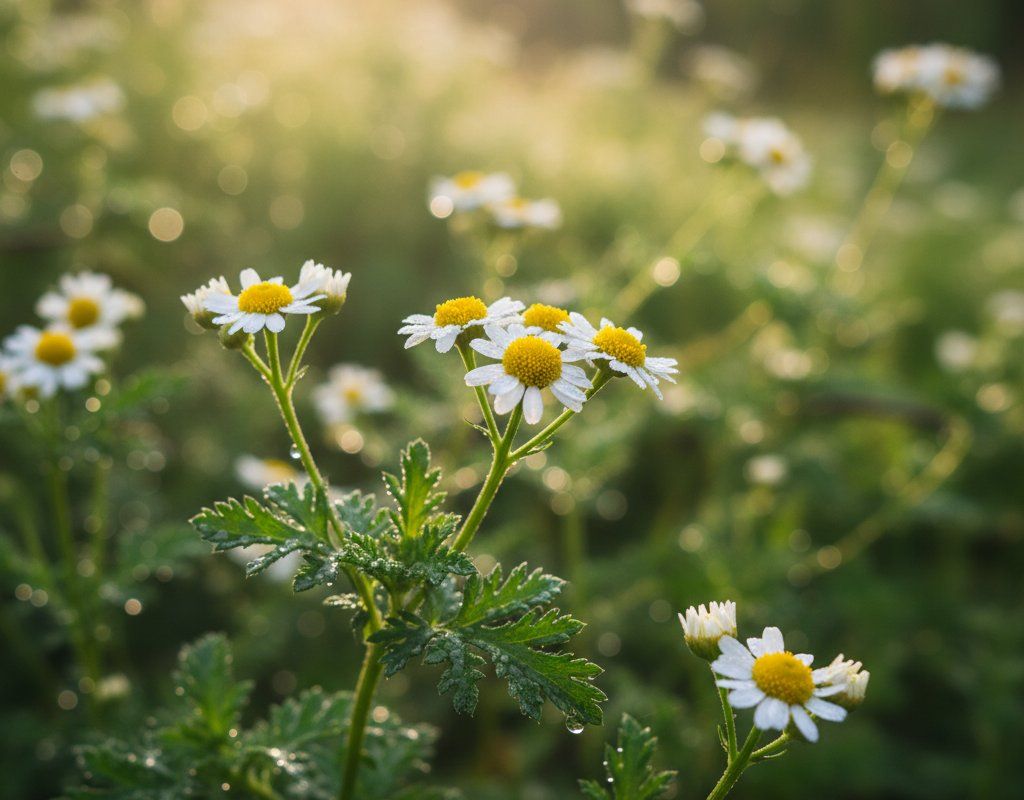
🌸Best Flowers to Plant with Cilantro
These flowers protect your Cilantro from pests and attract pollinators for better harvests.



Get a Reminder When It's Time to Plant
We'll email you when key planting windows open for your zone.