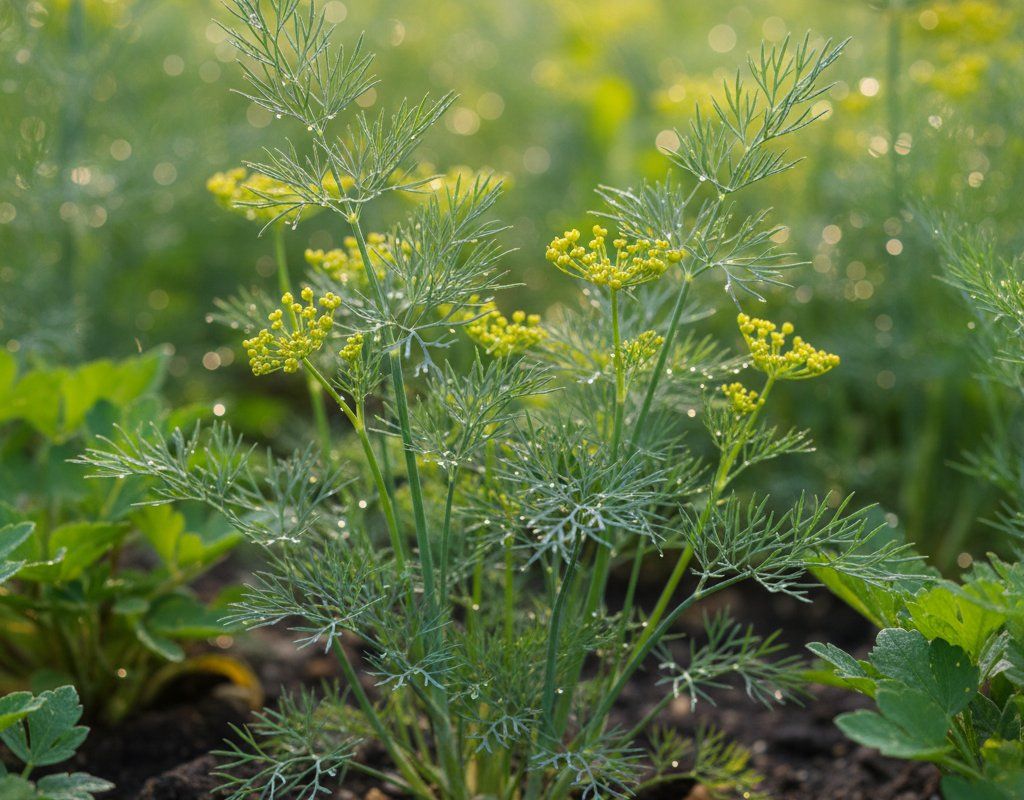
Dill in Zone 8B — Southern California
Anethum graveolens · Your Complete 2026 Planting Guide
Time to Buy Starts!
Seed starting window passed, but starts are available now.
Buy Starts Now
Head to your local nursery, Home Depot, or farmers market for transplants.
- Look for stocky plants with dark green leaves
- Avoid leggy seedlings or plants already flowering
- Check that roots aren't circling the pot (rootbound)
How to Plant Dill in Zone 8B — Southern California
Here are all your options for getting dill in the ground, from the easiest method to more advanced approaches.
Direct Sow Seeds
RecommendedMid February through mid October
around February 15
Consider succession planting every 2-3 weeks for continuous harvest.
Dill has a taproot and prefers direct sowing, but transplants work if handled carefully.
Start Seeds Indoors
RecommendedMid January through early February
around January 25
Then transplant: Late February through early April
Start seeds 4-6 weeks before transplanting outdoors.
Buy Starts
Works WellLate February through early April
around February 22
Plant purchased starts after last frost (February 15).
Transplant Outdoors
Timing InfoLate February through early April
around February 22
Can tolerate light frost, but wait for soil to be workable.
You have a nice window — no need to rush.
Fall Planting
Mid October through mid November
October 29 ideal · Direct sow for fall harvest
Plant a second crop in mid-summer for fall harvest. Dill actually prefers the cooling temperatures of fall.
Overview
Dill brings that fresh, tangy flavor you just can't get from the store-bought stuff, and here in Southern California's Zone 8B, you can keep it coming almost year-round. Our mild winters and extended growing season mean you can succession plant dill from late winter through fall, giving you fresh fronds for everything from cucumber salad to grilled fish. The feathery foliage adds texture to your garden beds, and the umbrella-shaped flower heads attract beneficial insects that help your entire garden thrive.
Sure, our hot summers and occasional water restrictions can make dill a bit tricky – it tends to bolt quickly when temperatures soar inland. But with our 298-day growing season, you have plenty of flexibility to time your plantings for cooler weather, and you can easily grow it as a spring and fall crop when it performs best in our semi-arid climate.
Starting Seeds Indoors
Starting dill indoors isn't the most common approach since it has a taproot that doesn't love disturbance, but it can work if you want to get a jump on the season. If you go this route, start seeds in mid-January through early February, about 4 weeks before you plan to transplant outdoors. Use deep seed trays or individual pots to accommodate that taproot, and keep them in a warm spot with good light.
Bottom watering works well for dill seedlings – it encourages deep root development without disturbing the delicate stems. With our very early spring character here in SoCal, indoor starting mainly gives you a few weeks' head start, but direct sowing often catches up quickly once outdoor conditions warm up. The main advantage is having transplants ready when you want them, rather than waiting for direct-sown seeds to establish.
Transplanting Outdoors
If you've started dill indoors, plan to transplant in late February through early April, once soil temperatures stay consistently above 50°F. Dill doesn't love root disturbance, so handle those transplants gently and try to keep the root ball intact. Space plants about 12 inches apart to give them room to develop their upright, feathery growth.
Harden off your seedlings gradually over a week – our temperature swings in late winter can be more dramatic than they seem. Even though we rarely get hard freezes, those cool nights followed by warm days can stress young plants. Watch for late-season Santa Ana winds too, which can dry out newly transplanted seedlings faster than you'd expect.
Direct Sowing
Direct sowing is really dill's preferred method, and you have a long window from mid-February through mid-October here in Southern California. The key is timing it for cooler weather – dill bolts quickly once temperatures consistently hit the 80s and 90s. Spring and fall plantings work best, though you can squeeze in summer sowings if you provide afternoon shade.
Prepare your soil by working in some compost, then sow seeds about a quarter-inch deep and 12 inches apart. Dill's taproot likes loose, well-draining soil, which works perfectly with our natural drainage needs during winter rains. The seeds germinate quickly in our mild conditions – usually within 7-10 days once soil warms up. Consider succession planting every 2-3 weeks for continuous harvest, especially during the prime growing windows.
Watering Dill in Zone 8B (Southern California)
Dill needs moderate, consistent moisture but definitely isn't drought-tolerant like some of our Mediterranean herbs. In Southern California's climate, this means adjusting your watering schedule dramatically between seasons. During spring establishment, water deeply 2-3 times per week, giving about an inch of water total. Use the finger test – if soil is dry 2 inches down, it's time to water.
Summer watering becomes critical because dill bolts quickly under heat stress combined with dry soil. If you're growing summer dill, water every other day during heat waves and provide afternoon shade when temperatures hit the 90s. Focus water at the base of plants rather than overhead – our low humidity means less disease pressure, but you'll waste less water with targeted irrigation.
Fall and winter dill needs much less water thanks to our natural winter rainfall pattern. Once winter rains begin, you might only need supplemental watering during dry spells. Watch for signs of overwatering during our wet season – yellowing lower leaves or soft stems mean you need to back off. A light mulch helps retain moisture while keeping weeds down, just don't pile it against the stems.
Signs of underwatering include wilting during the day (especially in heat) and premature bolting. Overwatered dill shows yellowing from the bottom up and may develop root rot in heavy soils. Keep soil consistently moist but never soggy – dill appreciates good drainage year-round.
🧪Fertilizing Dill
Feeding Schedule
Organic Fertilizer Options
Harvest Time
Your first dill harvest typically comes 40 days from seeding, which puts spring sowings ready by late March and fall plantings producing well into December. Start snipping the feathery fronds when plants are about 6 inches tall – cut outer stems first, leaving the center to keep growing. You can harvest continuously this way for weeks before the plant bolts.
For fresh dill, harvest in the morning after dew dries but before the heat hits. The essential oils are strongest then. Cut stems rather than individual leaves, and use them within a few days for best flavor. If you're after dill seed, let some plants go to flower – those umbrella-shaped heads will develop seeds by late summer or fall, depending on when you planted.
Once plants bolt (send up flower stalks), the leaves become less flavorful, but you gain those beneficial pollinator flowers. In our extended growing season, you can keep succession planting new crops while harvesting seeds from older plants. Dill self-seeds readily here, so you might find volunteer plants popping up where you least expect them.
As first frost approaches in early December, harvest remaining fresh growth and let flower heads dry completely on the plant. Shake mature seed heads into a paper bag – those seeds store well and make excellent seasoning or next year's planting stock.
Common Problems in Zone 8B (Southern California)
Bolting shows up as a sudden tall flower stalk shooting from the center, with leaves becoming bitter and tough. In Southern California's climate, bolting typically happens when temperatures consistently hit the upper 80s or 90s, especially during those inland heat waves. Our intense summer sun combined with hot Santa Ana winds creates perfect bolting conditions. Plant during cooler months (spring and fall), provide afternoon shade during heat waves, and keep soil consistently moist. Succession planting every 2-3 weeks ensures you always have young, tender plants coming along.
Aphids appear as clusters of tiny green, black, or white insects on stem tips and leaf undersides, leaving sticky honeydew and causing distorted growth. These multiply rapidly in our warm weather, and our dry conditions don't provide the natural predator balance you'd find in more humid climates. Blast them off with a strong water spray, encourage ladybugs and lacewings with diverse plantings, or use insecticidal soap for heavy infestations. Avoid overfeeding with nitrogen, which creates the tender growth aphids love.
Caterpillars (particularly swallowtail caterpillars) chew holes in leaves and can strip plants quickly. These beautiful black and yellow striped larvae specifically target dill family plants. While they're future butterflies, they can devastate small plantings. Hand-pick larger caterpillars or use Bt (Bacillus thuringiensis) spray for serious infestations. Consider planting extra dill to share with these pollinators.
Southern California Specific Challenges: Our hot, dry summers with low humidity create perfect conditions for rapid bolting, while water restrictions can make it challenging to maintain the consistent moisture dill prefers. Plant during cooler seasons, mulch well to retain moisture, and consider drip irrigation to maximize water efficiency during our limited rainfall periods.
Best Companions for Dill
Plant these nearby for healthier Dill and better harvests.


Keep Away From
Companion Planting Details
Dill makes an excellent companion for cabbage family crops, cucumbers, and lettuce – all plants that appreciate similar growing conditions during our cooler seasons. The dill flowers attract beneficial wasps that help control cabbage worms on your broccoli and kale, while its strong scent may deter cucumber beetles. Onions planted nearby help repel aphids from both crops, creating a natural pest management system that works well in our low-humidity climate.
Avoid planting dill near carrots, as they can cross-pollinate and affect flavor, and keep it away from tomatoes since dill can inhibit tomato growth. In our intensive Southern California growing space, this companion strategy becomes even more important – you want every plant pulling its weight and supporting its neighbors through our challenging summer heat and water restrictions.
🌸Best Flowers to Plant with Dill
These flowers protect your Dill from pests and attract pollinators for better harvests.
For Pest Control




Get a Reminder When It's Time to Plant
We'll email you when key planting windows open for your zone.