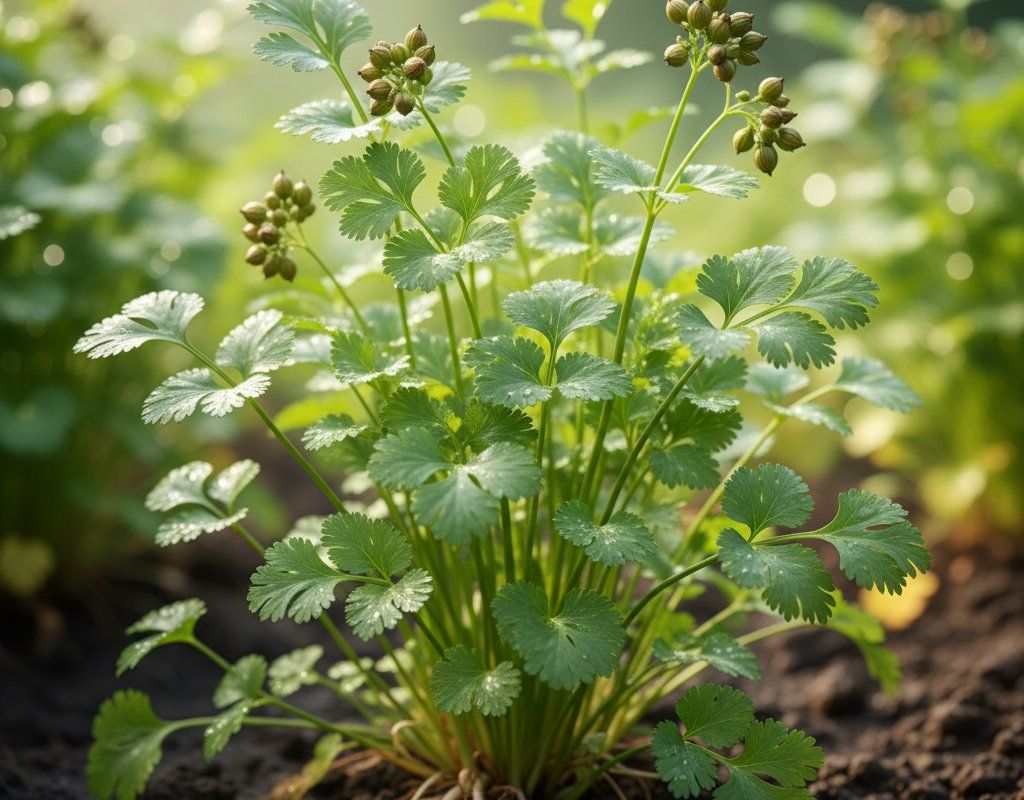
Cilantro in Zone 8B — Texas
Coriandrum sativum · Your Complete 2026 Planting Guide
Time to Buy Starts!
Seed starting window passed, but starts are available now.
Buy Starts Now
Head to your local nursery, Home Depot, or farmers market for transplants.
- Look for stocky plants with dark green leaves
- Avoid leggy seedlings or plants already flowering
- Check that roots aren't circling the pot (rootbound)
How to Plant Cilantro in Zone 8B — Texas
Here are all your options for getting cilantro in the ground, from the easiest method to more advanced approaches.
Direct Sow Seeds
RecommendedMid February through late September
around February 11
Consider succession planting every 2-3 weeks for continuous harvest.
Cilantro bolts quickly in heat. Direct sow in cool weather for best results.
Start Seeds Indoors
RecommendedLate January through mid February
around January 28
Then transplant: Late February through early April
Start seeds 4-6 weeks before transplanting outdoors.
Buy Starts
Works WellLate February through early April
around February 25
Plant purchased starts after last frost (February 25).
Transplant Outdoors
Timing InfoLate February through early April
around February 25
Can tolerate light frost, but wait for soil to be workable.
You have a nice window — no need to rush.
Fall Planting
Late September through late October
October 14 ideal · Direct sow for fall harvest
Plant a second crop in mid-summer for fall harvest. Cilantro actually prefers the cooling temperatures of fall.
Overview
Fresh cilantro from your own garden offers flavors that store-bought bunches simply can't match – bright, pungent leaves perfect for salsas, tacos, and Thai dishes that are staples in Texas kitchens. This fast-growing herb thrives in our mild winters and gives you multiple harvests throughout our long growing season, making it one of the most rewarding cool-weather crops for Texas gardeners.
The key to success with cilantro here is understanding that it's a cool-weather lover that bolts quickly once our Texas heat kicks in. With our 273-day growing season and relatively mild winters, you can grow cilantro from late winter through early summer, then again in fall when temperatures drop. Time it right, and you'll have fresh cilantro for most of the year.
Starting Seeds Indoors
Starting cilantro indoors makes sense if you want to get a jump on the season or have better control over germination. Sow seeds in late January through mid-February, about 4 weeks before your planned transplant date. Since our spring starts early here, this gives you seedlings ready to go out as soon as the soil is workable.
Use seed trays with good drainage and keep the soil consistently moist – bottom watering works particularly well for cilantro seeds since they can be prone to damping off. Place trays in a warm spot (65-70°F) until germination, then move to bright light or under grow lights.
While indoor starting works fine for cilantro, most Texas gardeners find direct sowing easier since this herb doesn't mind some cold and transplants can be a bit finicky. The choice is yours, but don't feel like you need to start indoors to succeed with cilantro here.
Transplanting Outdoors
If you've started cilantro indoors, plan to transplant from late February through early April when soil temperatures are consistently above 45°F. Since cilantro is quite cold-hardy, you can transplant earlier than many other herbs, even with occasional dips into the upper 20s.
Harden off seedlings gradually over a week, starting with a few hours outdoors and extending the time daily. Space transplants 6-8 inches apart in rows or scatter them throughout your garden beds. Cilantro doesn't need much room but appreciates good air circulation.
Watch the weather during transplant time – our Texas springs can bring unexpected warm spells that stress young transplants, followed by surprise cold snaps. A row cover can help protect newly transplanted cilantro from both temperature extremes and those late-season storms that seem to come from nowhere.
Direct Sowing
Direct sowing is often the easiest way to grow cilantro in Texas, especially since this herb actually prefers cool soil and doesn't transplant as readily as other crops. Sow seeds from mid-February through late September, focusing on the cooler months for best results.
Prepare your soil by working in some compost, then sow seeds about ¼ inch deep and 6-8 inches apart. Cilantro seeds are fairly large and easy to handle, though they're actually dried fruit that contains two seeds each. Keep the soil consistently moist until germination, which usually takes 7-14 days in our spring temperatures.
The key timing consideration is our brutal summer heat – cilantro bolts almost immediately once temperatures consistently hit the 80s. Focus your spring sowings on February through April, then wait until late September for fall plantings when our weather starts cooling down again.
Watering Cilantro in Zone 8B (Texas)
Cilantro needs consistent moisture to produce tender leaves and avoid bolting, which becomes especially challenging during our unpredictable Texas weather patterns. Keep soil evenly moist but not waterlogged – about 1 inch of water per week is ideal, though you'll need to adjust based on our variable rainfall and humidity levels.
Use the finger test regularly: stick your finger 2 inches into the soil near your plants. If it's dry at that depth, it's time to water. During our hot spells, you may need to water every other day, while during cooler, humid periods, twice a week might be plenty. Our unpredictable rainfall means you can't rely on nature alone.
Water at soil level rather than overhead when possible, especially during our humid periods when leaf diseases can develop quickly. A soaker hose or drip irrigation works well, or simply water by hand at the base of plants early in the morning.
Apply a light mulch around plants to help retain moisture and keep roots cool, but don't pile it too thick – cilantro appreciates good air circulation around the base. When cilantro starts showing signs of stress (yellowing leaves, slow growth), it often means the watering schedule needs adjustment before our Texas heat forces it to bolt.
🧪Fertilizing Cilantro
Feeding Schedule
Organic Fertilizer Options
Harvest Time
Your first cilantro harvest typically comes 45 days after planting, usually arriving anywhere from late March through early December depending on your planting timing. Look for plants that have reached 6 inches tall with several sets of true leaves – this usually means they're established enough to handle regular cutting.
Harvest by cutting outer stems at the base rather than pinching individual leaves, which encourages bushier growth and more production. Take no more than one-third of the plant at each harvest to keep it productive. The leaves should be bright green and aromatic – once the plant starts sending up a flower stalk (bolting), the leaves become bitter and less flavorful.
For continuous harvests, succession plant new seeds every 2-3 weeks during the growing season. This gives you fresh, tender cilantro while older plants are approaching bolt stage. In Texas, you can often get 3-4 harvests from spring plantings before the heat forces them to bolt.
As your first frost approaches in late November, harvest any remaining plants completely. Cilantro won't survive our winter freezes, but the good news is you can start the cycle again with winter plantings in protected areas or cold frames.
Common Problems in Zone 8B (Texas)
Bolting: The most common problem with cilantro in Texas is premature flowering, where plants send up tall flower stalks and stop producing tender leaves. You'll notice the plant suddenly shooting upward with umbrella-like white flowers, and the remaining leaves become bitter and tough. This happens when plants experience heat stress, long days, or inconsistent watering – all common triggers during our unpredictable spring weather and brutal summer heat. Plant during cooler months (February-April and September-November), provide afternoon shade during warm spells, and keep soil consistently moist. Choose slow-bolt varieties like 'Slow Bolt' or 'Long Standing' for better heat tolerance.
Aphids: These tiny green, black, or white insects cluster on stems and leaf undersides, leaving sticky honeydew and causing leaves to curl or become distorted. Aphid populations explode quickly during warm weather, which arrives early and stays late in Texas. Fire ants sometimes farm aphids, making the problem worse in our region. Blast them off with a strong water spray in the morning, encourage beneficial insects like ladybugs, or use insecticidal soap for heavy infestations. Avoid over-fertilizing with nitrogen, which creates tender growth that attracts aphids.
Leaf Spot: Brown or black spots on cilantro leaves, often starting as small dark specks that grow larger and cause leaves to yellow and drop. This fungal disease thrives in our variable humidity and is worse during periods of overhead watering or heavy rainfall followed by heat. Improve air circulation by proper spacing, water at soil level rather than on leaves, and remove affected leaves immediately. If leaf spot is recurring, try planting in a different location with better drainage and morning sun.
Texas Specific Challenges: Our extreme heat and unpredictable weather make cilantro particularly challenging compared to milder climates. The combination of sudden temperature swings, variable humidity, and intense summer sun means timing is absolutely critical – plant too late in spring or too early in fall, and your cilantro will bolt before you get a decent harvest.
Best Companions for Cilantro
Plant these nearby for healthier Cilantro and better harvests.

Keep Away From

Companion Planting Details
Cilantro makes an excellent companion for tomatoes, peppers, and beans since it naturally repels aphids and other pests that commonly attack these warm-season crops in Texas gardens. Plant cilantro around the base of pepper plants or between tomato rows for natural pest control, and the cilantro will appreciate the partial shade these taller plants provide during our intense afternoon sun.
Spinach pairs well with cilantro since both prefer cool weather and similar watering schedules, making them perfect companions for fall and winter gardens in Texas. However, avoid planting cilantro near fennel – these two herbs can cross-pollinate and create off-flavors in both plants, plus they compete for similar nutrients and growing space.
🌸Best Flowers to Plant with Cilantro
These flowers protect your Cilantro from pests and attract pollinators for better harvests.



Get a Reminder When It's Time to Plant
We'll email you when key planting windows open for your zone.