
Yarrow in Zone 8B — Texas
Achillea millefolium · Your Complete 2026 Planting Guide
Time to Buy Starts!
Seed starting window passed, but starts are available now.
Buy Starts Now
Head to your local nursery, Home Depot, or farmers market for transplants.
- Look for stocky plants with dark green leaves
- Avoid leggy seedlings or plants already flowering
- Check that roots aren't circling the pot (rootbound)
How to Plant Yarrow in Zone 8B — Texas
Here are all your options for getting yarrow in the ground, from the easiest method to more advanced approaches.
Buy Starts
RecommendedMid February through mid March
around February 11
Plant purchased starts after last frost (February 25).
Perennial. Buy starts for flowers the first year.
Start Seeds Indoors
Works WellEarly to late December
around December 17
Then transplant: Mid February through mid March
Start seeds 8-10 weeks before transplanting outdoors.
Direct Sow Seeds
Works WellLate February through early September
around February 25
Consider succession planting every 2-3 weeks for continuous harvest.
Transplant Outdoors
Timing InfoMid February through mid March
around February 11
Can tolerate light frost, but wait for soil to be workable.
You have a nice window — no need to rush.
Overview
Yarrow is a fantastic addition to any Texas garden. Its feathery foliage and clusters of blooms add beauty, plus it's a magnet for beneficial insects that help keep pests in check. Here in Zone 8B, it's especially rewarding because it's drought-tolerant and can handle our intense sunlight, making it a low-maintenance choice for our unpredictable weather.
Our Texas climate certainly throws curveballs, from sudden freezes to scorching heat waves. But with Yarrow, a little planning goes a long way. Our long growing season (about 273 days!) gives you plenty of time to get it established and enjoy its benefits.
Starting Seeds Indoors
Starting Yarrow indoors isn't essential, but it can give you a head start, especially if you want blooms the first year. Start your seeds indoors from early to late December, about eight weeks before you plan to transplant.
Use seed trays with a good seed-starting mix, and keep them in a warm spot, around 70°F. A heat mat can help. A grow light will ensure sturdy seedlings, especially with our early spring warmth tempting plants to bolt. Bottom watering is great – set the tray in a shallow dish of water until the surface soil is moist.
Transplanting Outdoors
Transplant your Yarrow seedlings outdoors from mid February through mid March. Before planting, harden them off by gradually exposing them to outdoor conditions for about a week. This helps them adjust to the Texas sun and wind.
Choose a sunny spot with well-drained soil, and space your plants 12-18 inches apart. Keep an eye on the weather forecast – those late freezes can still happen! Yarrow is a perennial, but buying starts will give you flowers the first year.
Direct Sowing
Direct sowing Yarrow is an easy option, especially if you're not in a rush for early blooms. Sow your seeds from late February through early September.
Prepare the soil by loosening it and removing any weeds. Yarrow prefers soil temperatures around 60-70°F for germination. Scatter the seeds lightly on the surface, and gently press them into the soil. Space seeds 12-18 inches apart, or thin seedlings to that spacing later. Direct sowing is simple, but remember the plants might take a bit longer to flower compared to transplants.
Watering Yarrow in Zone 8B (Texas)
Yarrow is incredibly drought-tolerant once established, making it perfect for our Texas climate. The key is not to overwater it, especially with our variable humidity.
During the hottest parts of the summer, when temperatures are hitting those typical highs around 97°F, water deeply about once a week, or when the top two inches of soil feel dry to the touch. Stick your finger in to check – that's the best way to tell! Aim for about an inch of water per week, but adjust based on rainfall. Water at the base of the plant to avoid fungal issues, especially if humidity is high.
In the spring and fall, you can usually reduce watering to every 10-14 days, depending on rainfall. Signs of underwatering include drooping leaves and stunted growth. Overwatering, on the other hand, can lead to floppy growth and root rot. A layer of mulch around the base of the plant helps retain moisture in our dry conditions and keeps the soil cooler during the brutal Texas heat.
Pruning & Maintaining Yarrow
Pruning Yarrow is simple and helps keep it looking its best. Deadhead spent flowers throughout the growing season to encourage more blooms. Just snip off the flower heads below the lowest flowers on the stem.
In late fall, after the first frost around late November, cut the plant back to its basal foliage. This helps it conserve energy over the winter. Yarrow can be aggressive, so divide the clumps every 2-3 years to keep it from taking over your garden.
🧪Fertilizing Yarrow
Feeding Schedule
Organic Fertilizer Options
Harvest Time
You can start harvesting Yarrow flowers from early May through early December, about 65 days after planting. The best time to harvest is when the flowers are fully open and brightly colored.
Cut the stems just above a leaf node, using sharp scissors or pruners. Harvest in the morning, after the dew has dried, for the best flavor and fragrance. To dry the flowers, hang them upside down in a cool, dark, and dry place. Regular harvesting encourages continuous production throughout the growing season. As the first frost approaches in late November, harvest any remaining blooms to dry and enjoy indoors.
Common Problems in Zone 8B (Texas)
Yarrow is generally easy to grow, but here are a few common problems in Texas:
Aggressive Spreading
- What it looks like: Yarrow spreads via rhizomes and can quickly take over garden beds.
- What causes it: Its vigorous growth habit, especially in our long growing season, allows it to spread rapidly.
- How to fix/prevent it: Plant in containers or use edging to contain its spread. Divide clumps every 2-3 years to keep it in check. Remove unwanted plants promptly.
Powdery Mildew
- What it looks like: White or grayish powdery coating on leaves, stems, and sometimes fruit. Leaves curl, yellow, and die.
- What causes it: Various fungi that thrive in warm days, cool nights, and moderate humidity, which we often experience during spring and fall. Dry leaf surfaces actually favor it.
- How to fix/prevent it: Improve air circulation through spacing and pruning. Remove affected leaves. Neem oil or potassium bicarbonate sprays help. Milk spray (1 part milk to 9 parts water) is surprisingly effective.
Aphids
- What it looks like: Clusters of tiny soft-bodied insects (green, black, or white) on stems and leaf undersides. Sticky honeydew residue. Curled or distorted new growth.
- What causes it: Rapid-reproducing sap-sucking insects. Populations explode in warm weather. Ant colonies may farm them for honeydew. And we all know about fire ants in Texas!
- How to fix/prevent it: Strong water spray knocks them off. Encourage ladybugs and lacewings (natural predators). Insecticidal soap for heavy infestations. Neem oil works systemically. Avoid excess nitrogen fertilizer (it attracts them).
Texas Specific Challenges: Our hot-to-extreme heat, variable humidity, and unpredictable rainfall can exacerbate these issues. Extreme heat can stress plants, making them more susceptible to pests and diseases. Variable humidity can create ideal conditions for powdery mildew. And unpredictable rainfall patterns can make it difficult to maintain consistent soil moisture, which is crucial for healthy growth.
Best Companions for Yarrow
Plant these nearby for healthier Yarrow and better harvests.
View Full Companion Planting Chart →

Companion Planting Details
Yarrow makes a great companion plant in a Texas garden. It attracts beneficial insects like ladybugs and lacewings, which help control pests on other plants.
Good companions include:
- Tomatoes: Yarrow repels tomato hornworms and other pests.
- Peppers: Similar to tomatoes, yarrow offers pest protection for peppers.
- Herbs: Yarrow enhances the flavor and growth of many herbs, especially rosemary and thyme.
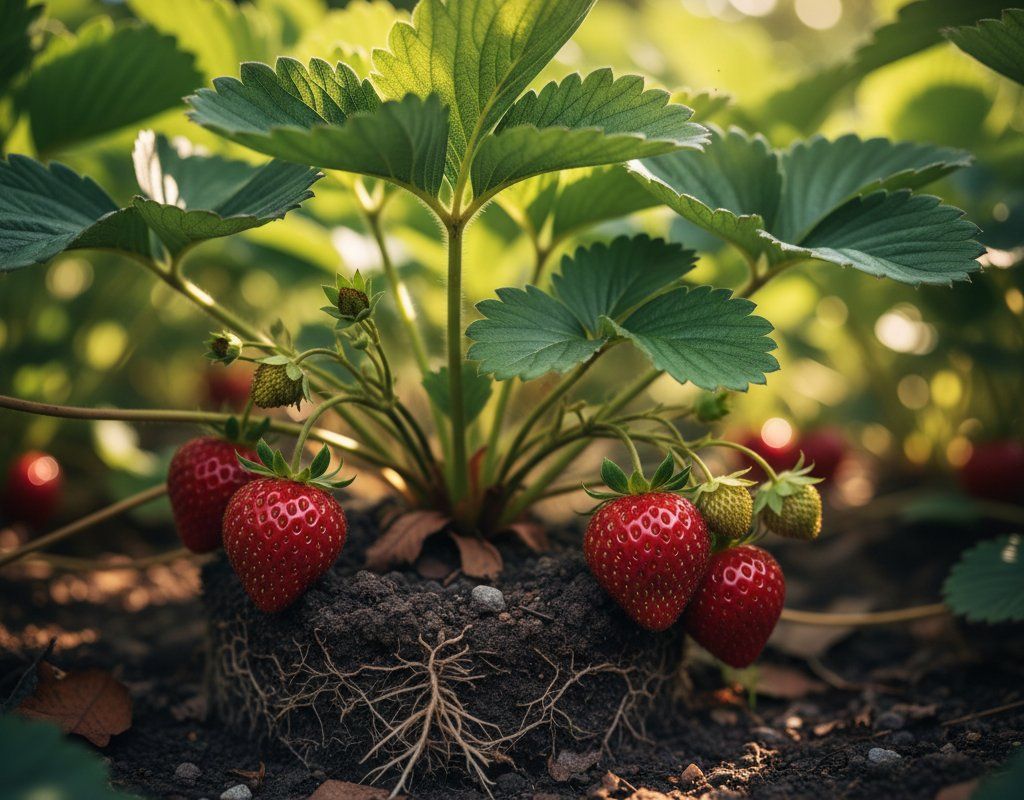
- Strawberries: Yarrow attracts pollinators, which increases strawberry yields.
Avoid planting Yarrow near plants that prefer rich, moist soil, as Yarrow thrives in drier conditions.
🥬Best Vegetables to Pair With Yarrow
Yarrow benefits these vegetables through pest control, pollinator attraction, or improved garden health.






Get a Reminder When It's Time to Plant
We'll email you when key planting windows open for your zone.