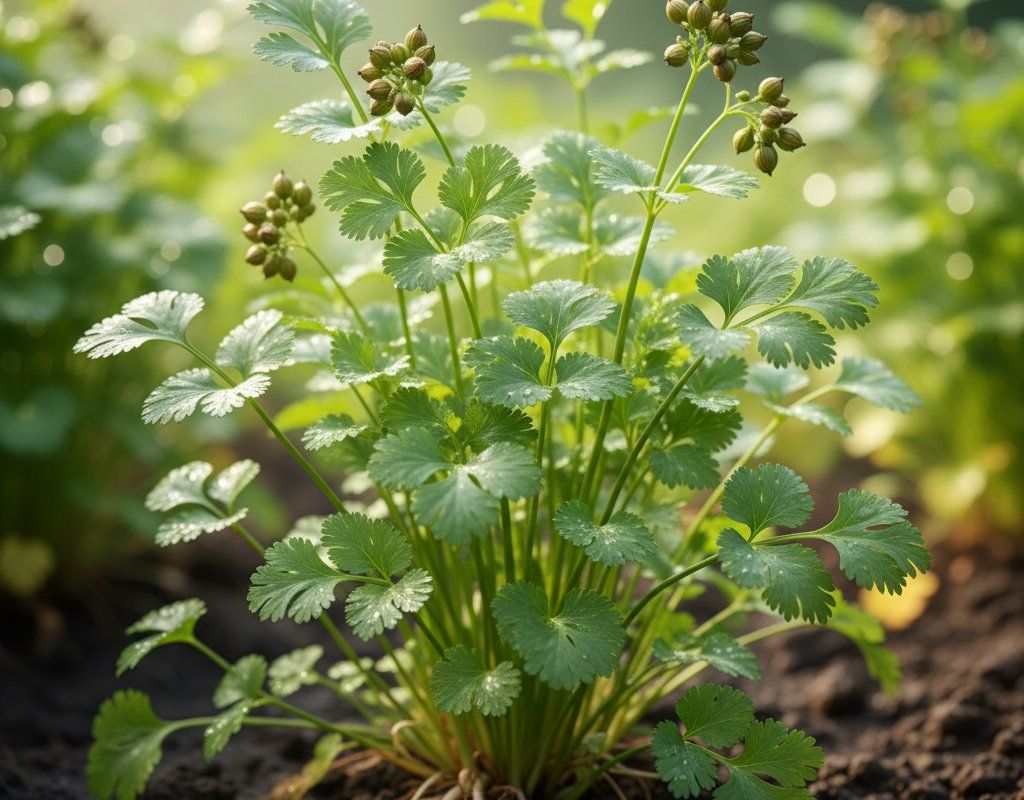
Cilantro in Zone 9A — Florida
Coriandrum sativum · Your Complete 2026 Planting Guide
Harvest Time!
Your Cilantro should be producing now!
Harvest Tips
Harvest in the morning after dew dries for the best flavor.
How to Plant Cilantro in Zone 9A — Florida
Here are all your options for getting cilantro in the ground, from the easiest method to more advanced approaches.
Direct Sow Seeds
RecommendedMid January through late October
around January 18
Consider succession planting every 2-3 weeks for continuous harvest.
Cilantro bolts quickly in heat. Direct sow in cool weather for best results.
Start Seeds Indoors
RecommendedLate December through mid January
around January 4
Then transplant: Early February through mid March
Start seeds 4-6 weeks before transplanting outdoors.
Buy Starts
Works WellEarly February through mid March
around February 1
Plant purchased starts after last frost (February 1).
Transplant Outdoors
Timing InfoEarly February through mid March
around February 1
Can tolerate light frost, but wait for soil to be workable.
You have a nice window — no need to rush.
Fall Planting
Late October through late November
November 13 ideal · Direct sow for fall harvest
Plant a second crop in mid-summer for fall harvest. Cilantro actually prefers the cooling temperatures of fall.
Overview
Growing cilantro in Florida gives you fresh herbs year-round for salsas, curries, and countless dishes that define our diverse culinary landscape. Unlike gardeners up north who struggle with short seasons, you can succession plant cilantro from fall through spring and harvest continuously for months. The leaves stay tender and flavorful during our mild winters, making it perfect for the reversed Florida gardening calendar where cool-season crops shine.
Florida's extreme humidity and scorching summers do present challenges for cilantro, but timing is everything. Plant during our cooler months and you'll avoid the quick bolting that kills cilantro in summer heat. With your 327-day growing season, you have multiple planting windows to keep fresh cilantro on your table when store-bought herbs cost a fortune.
Starting Seeds Indoors
Starting cilantro indoors makes sense if you want an early jump on the season or live in an area with unpredictable winter weather. Sow seeds in late December through mid-January, about 4 weeks before your last expected frost in early February. Use seed trays with good drainage and keep them in a warm spot around 65-70°F.
Cilantro seeds can be stubborn germinators, so bottom watering works better than overhead watering to prevent fungal issues in our humid climate. Set your trays in shallow water and let the soil absorb moisture from below. Once seedlings emerge, they need bright light - either a sunny south window or grow lights for 12-14 hours daily.
Since Florida's spring comes early and mild, indoor starting isn't essential like it is up north. You're often better off direct sowing once temperatures moderate, but indoor starting gives you more control over timing and protects young plants from any late cold snaps.
Transplanting Outdoors
Move your indoor-started cilantro seedlings outdoors from early February through mid-March, after the last frost risk passes. Harden them off gradually over a week - start with 2-3 hours of morning sun, then increase daily until they're acclimated to full outdoor conditions. Skip this step and your tender seedlings will shock badly in our intense sun.
Space transplants 6-8 inches apart in well-draining soil amended with compost. Our sandy Florida soil drains fast, which cilantro appreciates since it hates wet feet. Plant them slightly deeper than they were in their containers to encourage strong root development.
Watch for temperature swings during transplant season - February and March can still surprise you with a cold front dropping temperatures into the 30s. Have row covers ready, though cilantro handles light frosts better than most herbs. The bigger concern is our rapidly warming days that can trigger early bolting if you transplant too late in the season.
Direct Sowing
Direct sowing cilantro works well in Florida from mid-January through late October, though your best results come during cooler months. Prepare your planting bed with compost worked into our sandy soil, which helps retain moisture without creating the soggy conditions cilantro despises. Sow seeds ¼ inch deep and 6-8 inches apart in rows.
Cool-season sowings from January through March give you the best leaf production before heat triggers bolting. You can try summer sowings if you provide afternoon shade, but expect quick bolting once temperatures hit the 90s regularly. Fall sowings from late October through November often produce your best cilantro, growing strong through winter when humidity drops and temperatures moderate.
Keep soil consistently moist during germination, which takes 7-14 days in cool weather. Once established, cilantro handles brief dry spells better than constant moisture, making it suitable for our feast-or-famine rainfall patterns outside of summer's daily downpours.
Watering Cilantro in Zone 9A (Florida)
Cilantro needs consistent moisture but despises soggy soil, making water management crucial in Florida's wet-summer climate. During your main growing season from fall through spring, aim for about 1 inch of water weekly, including rainfall. Check soil moisture with the finger test - stick your finger 2 inches deep and water when it feels dry at that level.
Water at the base of plants rather than overhead to reduce fungal disease pressure in our high humidity. Drip irrigation or soaker hoses work perfectly for cilantro rows. Morning watering allows leaves to dry before evening, reducing the leaf spot and other fungal issues common in our humid conditions.
Summer watering requires more attention since cilantro bolts quickly when stressed by heat and drought. If you're growing cilantro in summer shade, check soil daily and water deeply when the top inch feels dry. Light, frequent watering encourages shallow roots that can't handle Florida's intense heat stress.
Apply 2-3 inches of organic mulch around plants to retain moisture and keep roots cool, but pull it back from stems to prevent pest harboring. Signs of underwatering include wilting and premature flowering, while overwatering shows as yellowing lower leaves and stunted growth that invites root rot in our sandy soils.
🧪Fertilizing Cilantro
Feeding Schedule
Organic Fertilizer Options
Harvest Time
Your first cilantro harvest comes 45 days after sowing, typically early March through early January depending on your planting schedule. Look for plants 6+ inches tall with multiple sets of true leaves - those first round leaves (cotyledons) don't count. The leaves should be bright green and aromatic when you brush against them.
Cut outer stems at the base using clean scissors or garden shears, taking no more than one-third of the plant at once. This encourages continued growth from the center and prevents shocking the plant into early bolting. Start harvesting early and often - frequent cutting actually delays flowering and keeps leaves tender longer.
Once cilantro sends up a flower stalk (bolts), leaf production stops and the remaining leaves turn bitter. In Florida's heat, this happens quickly, so check plants daily during warm spells. You can pinch out flower buds to extend leaf harvest for a few more weeks, but eventually the plant wins and shifts to seed production.
Plan succession sowings every 2-3 weeks during your main growing season to ensure continuous harvests. As your first planting approaches bolting in late spring, your second sowing should be ready for harvest. This strategy works especially well during Florida's extended cool season from October through April.
Common Problems in Zone 9A (Florida)
Bolting appears when your cilantro suddenly shoots up a tall flower stalk from the center, often seemingly overnight. The leaves become smaller, bitter, and tough as the plant shifts energy to seed production. In Florida, this typically happens when temperatures consistently hit the upper 80s and 90s, or during sudden heat waves that stress cool-season plants.
Heat and drought stress are the main triggers, made worse by our intense sun and high humidity. Plant cilantro during cooler months (October through March) for best results. Provide afternoon shade during marginal seasons and keep soil consistently moist. Choose slow-bolting varieties like 'Calypso' or 'Jantar' bred specifically for heat tolerance.
Aphids cluster on new growth and stem tips, appearing as tiny green, black, or white soft-bodied insects. You'll notice sticky honeydew residue on leaves and curled or distorted new growth where they're feeding. These sap-suckers multiply rapidly in warm weather, and Florida's year-round growing season means populations never get winter-killed.
Ants often farm aphids for their honeydew, so controlling ant colonies helps reduce aphid pressure. Blast aphids off with strong water spray early in infestations. Encourage beneficial insects like ladybugs and lacewings by planting diverse flowers nearby. For heavy infestations, insecticidal soap or neem oil work effectively without harming beneficial insects.
Leaf spot shows as brown or black spots on leaves, often with yellow halos that spread rapidly in humid conditions. Infected leaves eventually yellow and drop, weakening the plant. Florida's high humidity and frequent summer rains create perfect conditions for fungal diseases, making leaf spot common during our wet season.
Improve air circulation by proper spacing and avoid overhead watering that keeps leaves wet. Water at soil level early in the morning so any splash dries quickly. Remove infected plant debris promptly and avoid working around wet plants. Copper-based fungicides can help in severe cases, but prevention through good cultural practices works better long-term.
Florida Specific Challenges: Our extreme humidity and wet summer conditions make fungal diseases a constant threat to cilantro. The rapid transition from mild winter to hot summer creates a narrow window for optimal growth, requiring precise timing and succession planting to maintain harvests. Sandy soil drains quickly but requires consistent watering attention during our intense heat periods.
Best Companions for Cilantro
Plant these nearby for healthier Cilantro and better harvests.
Keep Away From

Companion Planting Details
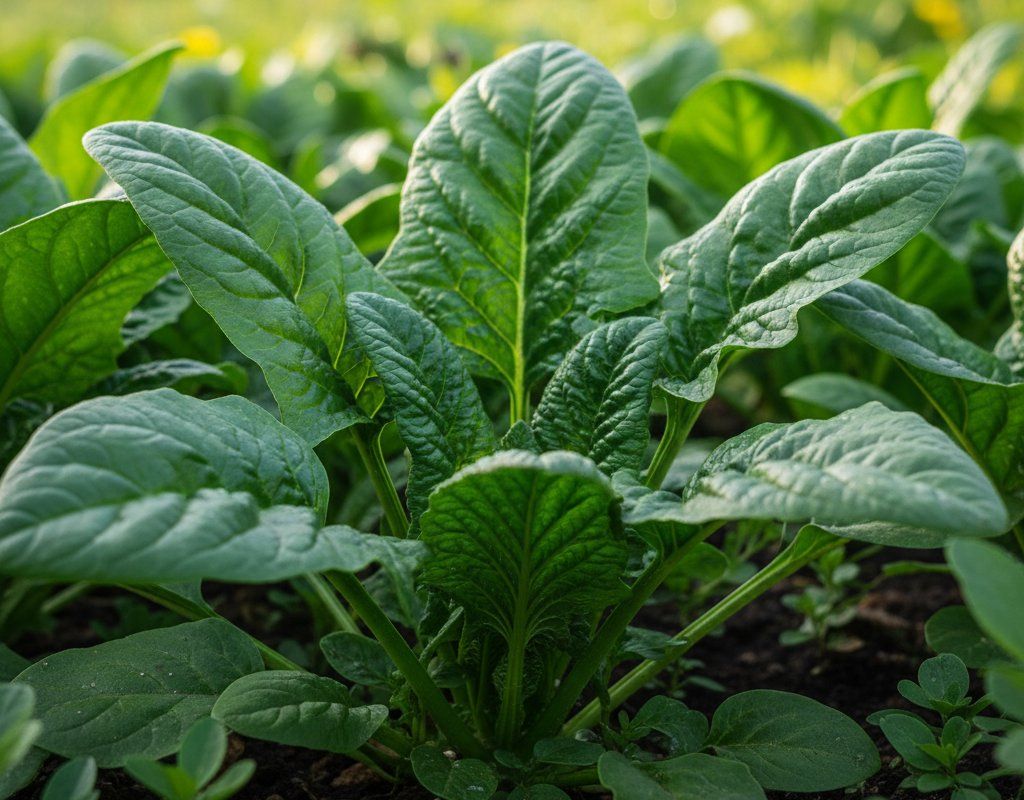
Plant cilantro near tomatoes, peppers, and beans where it provides natural pest deterrent properties while benefiting from their taller growth for afternoon shade. The herb's strong scent helps repel aphids and spider mites from neighboring plants, while tomatoes and peppers create beneficial microclimates that moderate soil temperature during Florida's heat. Spinach makes an excellent companion since both thrive in the same cool-season window and have similar water needs.
Avoid planting cilantro near fennel, which produces compounds that inhibit cilantro growth and can cause stunted development. Keep these plants separated by at least 10 feet in your garden layout. In Florida's intensive growing conditions, companion relationships become more critical since plants compete for resources in our challenging summer heat and humidity.
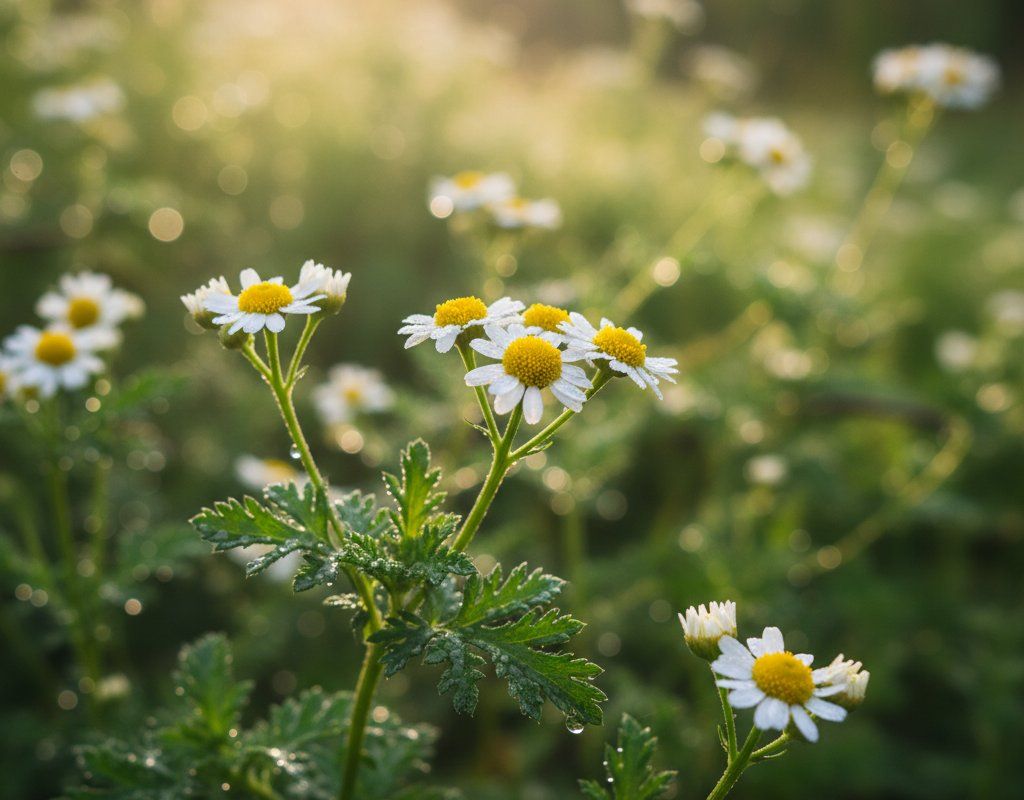
🌸Best Flowers to Plant with Cilantro
These flowers protect your Cilantro from pests and attract pollinators for better harvests.



Get a Reminder When It's Time to Plant
We'll email you when key planting windows open for your zone.