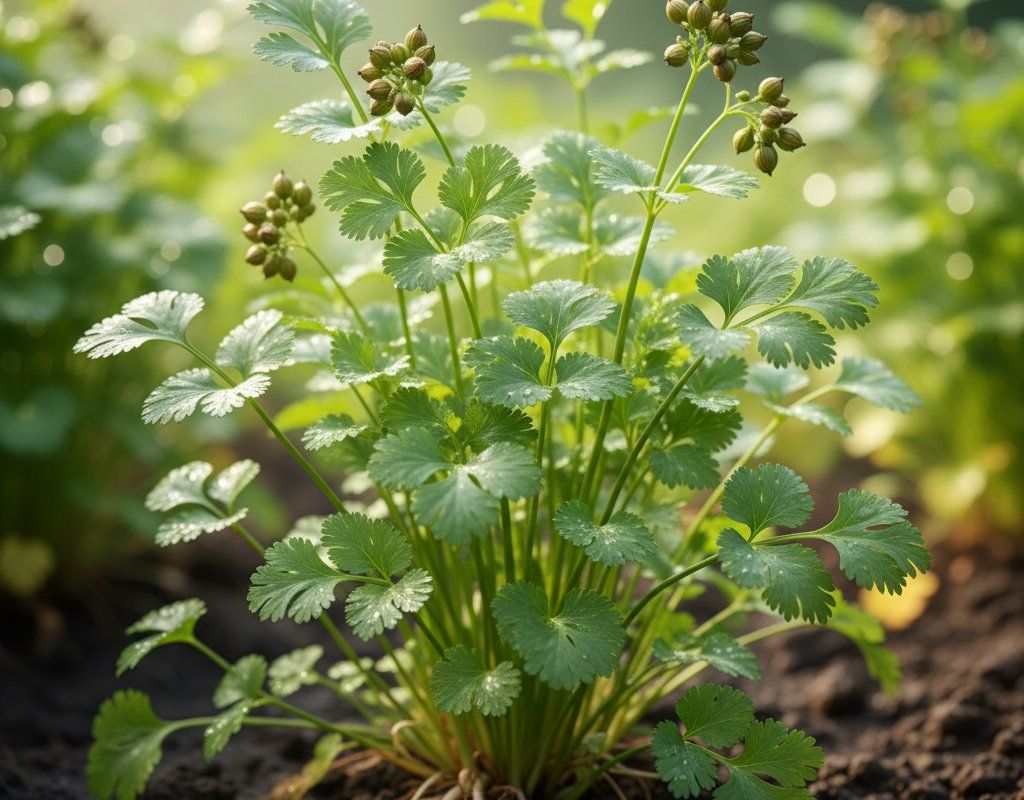
Cilantro in Zone 9B — Desert Southwest
Coriandrum sativum · Your Complete 2026 Planting Guide
Time to Buy Starts!
Seed starting window passed, but starts are available now.
Buy Starts Now
Head to your local nursery, Home Depot, or farmers market for transplants.
- Look for stocky plants with dark green leaves
- Avoid leggy seedlings or plants already flowering
- Check that roots aren't circling the pot (rootbound)
How to Plant Cilantro in Zone 9B — Desert Southwest
Here are all your options for getting cilantro in the ground, from the easiest method to more advanced approaches.
Direct Sow Seeds
RecommendedLate January through mid October
around January 22
Consider succession planting every 2-3 weeks for continuous harvest.
Cilantro bolts quickly in heat. Direct sow in cool weather for best results.
Start Seeds Indoors
RecommendedEarly to late January
around January 8
Then transplant: Early February through mid March
Start seeds 4-6 weeks before transplanting outdoors.
Buy Starts
Works WellEarly February through mid March
around February 5
Plant purchased starts after last frost (February 5).
Transplant Outdoors
Timing InfoEarly February through mid March
around February 5
Can tolerate light frost, but wait for soil to be workable.
You have a nice window — no need to rush.
Fall Planting
Mid October through mid November
November 3 ideal · Direct sow for fall harvest
Plant a second crop in mid-summer for fall harvest. Cilantro actually prefers the cooling temperatures of fall.
Overview
Cilantro thrives in our Desert Southwest climate when you time it right, giving you fresh leaves for salsa, guacamole, and countless Southwestern dishes year-round. Unlike store-bought cilantro that wilts in our dry air, homegrown plants stay crisp and flavorful, and you can harvest exactly what you need without waste. The herb's quick 45-day maturity means you'll have fresh cilantro on your table while others are still planning their gardens.
Our extreme summer heat and 313-day growing season present unique challenges for this cool-weather herb, but smart timing turns these obstacles into advantages. Cilantro actually prefers our mild winter temperatures and can handle light frost, making it perfect for our two growing seasons. Plant during our cooler months and you'll enjoy continuous harvests while avoiding the summer heat that causes immediate bolting.
Starting Seeds Indoors
Starting cilantro indoors makes sense when you want an early spring harvest or need precise timing for your planting schedule. Sow seeds in seed trays from early to late January, about 4 weeks before your planned transplant date in early February. Use bottom watering to keep the soil consistently moist without disturbing the delicate seedlings.
Our very-early spring character means you can transplant outdoors sooner than most regions, but indoor starting gives you better control over germination in January's cooler weather. Keep seed trays in a warm spot (65-70°F) and provide bright light once seedlings emerge. The controlled environment helps ensure strong transplants ready for our desert conditions.
While direct sowing works well for cilantro, indoor starting lets you get multiple plantings established during our narrow cool-weather window before extreme heat arrives.
Transplanting Outdoors
Transplant your indoor-started cilantro seedlings from early February through mid-March, timing them after our last frost risk in early February. Harden off seedlings gradually over one week, starting with morning shade and slowly increasing their outdoor exposure to prepare them for our intense desert sun and low humidity.
Space transplants 6-8 inches apart in well-amended soil, choosing a spot with morning sun and afternoon shade protection. Our alkaline soil benefits from compost additions, and adequate spacing prevents overcrowding that leads to poor air circulation and faster bolting in warming weather.
Plant transplants during our mild morning temperatures and water them in well. The established root system from indoor starting helps them handle the transition better than direct-sown seeds, especially important as temperatures start climbing toward our extreme summer heat.
Direct Sowing
Direct sowing cilantro works beautifully in our Desert Southwest climate from late January through mid-October, taking advantage of our long growing season and mild winter temperatures. Sow seeds when soil temperatures reach 50-65°F, which happens earlier here than in colder regions thanks to our abundant winter sunshine.
Prepare your planting area by working compost into our naturally alkaline soil, creating better drainage and nutrient availability. Plant seeds ¼ inch deep and space them 6-8 inches apart, keeping the soil consistently moist until germination occurs in 7-14 days. Our dry air means you'll need to water more frequently than gardeners in humid climates.
The biggest advantage of direct sowing here is avoiding transplant shock during weather transitions, but remember that cilantro bolts quickly once temperatures consistently hit the 80s. Focus your direct sowing on fall through early spring plantings, avoiding summer completely when our extreme heat causes immediate flowering.
Watering Cilantro in Zone 9B (Desert Southwest)
Cilantro needs consistent moisture in our arid Desert Southwest climate, requiring about 1-1.5 inches of water per week through deep, infrequent watering sessions. Our low humidity and intense sun quickly stress this moisture-loving herb, so check soil daily using the finger test – if it's dry 2 inches down, it's time to water deeply at the base of plants.
Water early morning to reduce evaporation losses in our dry air, avoiding overhead watering that wastes precious water through evaporation. During our mild winter growing season, you might water twice weekly, but as temperatures climb toward our extreme summer heat, daily watering becomes necessary. Our 8-15 inches of annual rainfall means irrigation is essential year-round.
Watch for signs of water stress: wilting during morning hours (afternoon wilting is normal in extreme heat), yellow lower leaves, or premature bolting. Overwatering shows up as yellowing from the bottom up and soggy soil that doesn't dry between waterings. Apply 2-3 inches of mulch around plants to conserve moisture and keep roots cool, but keep mulch away from plant stems in our humid monsoon season to prevent rot.
Succession plant every 2-3 weeks during cool weather to maintain continuous harvests, as water-stressed cilantro bolts immediately in our heat. Once temperatures consistently reach the 90s, even perfect watering won't prevent bolting, so time your plantings for fall through early spring success.
🧪Fertilizing Cilantro
Feeding Schedule
Organic Fertilizer Options
Harvest Time
Your first cilantro harvest begins in early March and can continue through late December in our Desert Southwest climate, thanks to our 313-day growing season and mild winters. Start harvesting when plants reach 6+ inches tall, typically 45 days from seed, by cutting outer stems at the base rather than picking individual leaves.
Harvest in early morning when leaves are crisp and full of moisture, before our intense desert sun causes them to wilt slightly. Cut no more than one-third of the plant at each harvest, focusing on the older outer growth while leaving the center to continue producing. This method keeps plants productive for weeks in cool weather.
Regular harvesting actually prevents premature bolting by removing the growing tips where flower stalks form. Once you see a central flower stalk developing, harvest all usable leaves immediately – they'll become bitter and tough once flowering begins. In our extreme heat, this happens quickly, so stay vigilant during temperature swings.
Plan your final harvests before our first frost arrives in mid-December. Unlike many herbs, cilantro doesn't dry well, so harvest fresh and use immediately, or preserve by freezing in ice cubes with olive oil for year-round flavor.
Common Problems in Zone 9B (Desert Southwest)
Bolting What it looks like: A tall flower stalk shoots up from the center of the plant, leaves become bitter and tough, and the plant stops producing tender new growth. You'll see small white or pink flowers developing at the top of the stalk.
What causes it: Our extreme heat triggers immediate bolting in cilantro, often within days of temperatures hitting the high 80s. Long daylight hours and drought stress accelerate the process, making this the biggest challenge for Desert Southwest cilantro growers.
How to fix/prevent it: Time plantings for fall through early spring only, avoiding summer completely. Provide afternoon shade cloth (30-50%) as temperatures climb, maintain consistent soil moisture, and choose slow-bolt varieties like 'Slow Bolt' or 'Jantar'. Succession plant every 2-3 weeks during cool weather for continuous harvests.
Aphids What it looks like: Clusters of tiny green, black, or white soft-bodied insects on stem tips and leaf undersides, sticky honeydew residue on leaves, and curled or distorted new growth.
What causes it: These sap-sucking insects multiply rapidly in our warm spring weather, especially when plants are stressed by heat or inconsistent watering. Ant colonies often farm them for honeydew, making infestations worse.
How to fix/prevent it: Blast them off with strong water spray in early morning, encourage beneficial insects like ladybugs and lacewings with diverse plantings, and use insecticidal soap for heavy infestations. Avoid high-nitrogen fertilizers that create tender growth aphids prefer.
Leaf Spot What it looks like: Small brown or black spots on leaves that may have yellow halos, spots that enlarge and merge together, and eventual leaf drop starting from the bottom of the plant.
What causes it: Fungal diseases thrive during our monsoon season when humidity briefly increases, especially when leaves stay wet overnight or air circulation is poor around crowded plants.
How to fix/prevent it: Water at soil level rather than overhead, provide adequate spacing for air circulation, and remove affected leaves immediately. Apply copper fungicide if needed, and avoid working around wet plants during monsoon season.
Desert Southwest Specific Challenges: Our extreme heat, arid conditions, and alkaline soil create a perfect storm for cilantro stress. The rapid temperature swings from mild winter to scorching spring trigger premature bolting, while our low humidity and intense sun quickly dehydrate plants. Focus on cool-season growing and protection strategies rather than fighting our summer climate.
Best Companions for Cilantro
Plant these nearby for healthier Cilantro and better harvests.
Keep Away From

Companion Planting Details
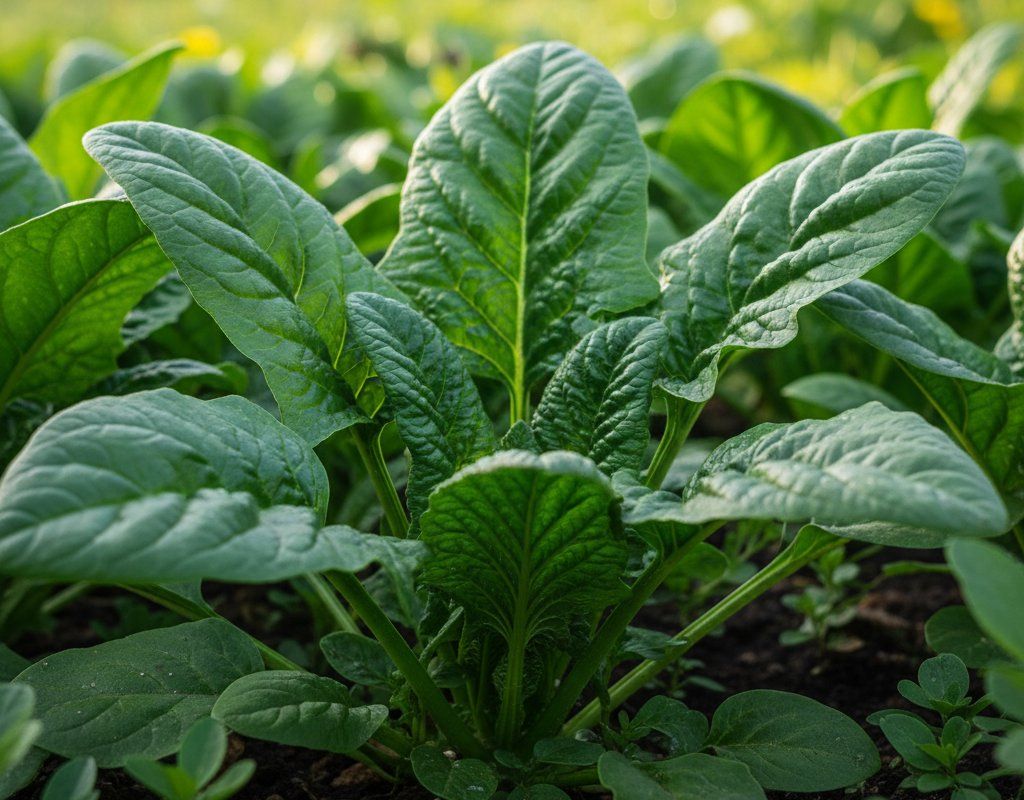
Plant cilantro alongside tomatoes and peppers for mutual benefits – the cilantro's strong scent helps deter pests while the taller plants provide valuable afternoon shade protection in our intense desert sun. Spinach makes an excellent companion since both prefer cool weather and similar watering schedules, maximizing your garden space during our limited cool-season window. Beans work well too, as their nitrogen fixation helps feed the cilantro while their bushy growth provides some wind protection from our desert breezes.
Avoid planting cilantro near fennel, which releases compounds that inhibit cilantro's growth and can cause premature bolting – something we already battle enough with our extreme heat. Keep these herbs in separate areas of your garden, especially important in our intense growing conditions where plants need every advantage to thrive during the narrow cool-weather windows.
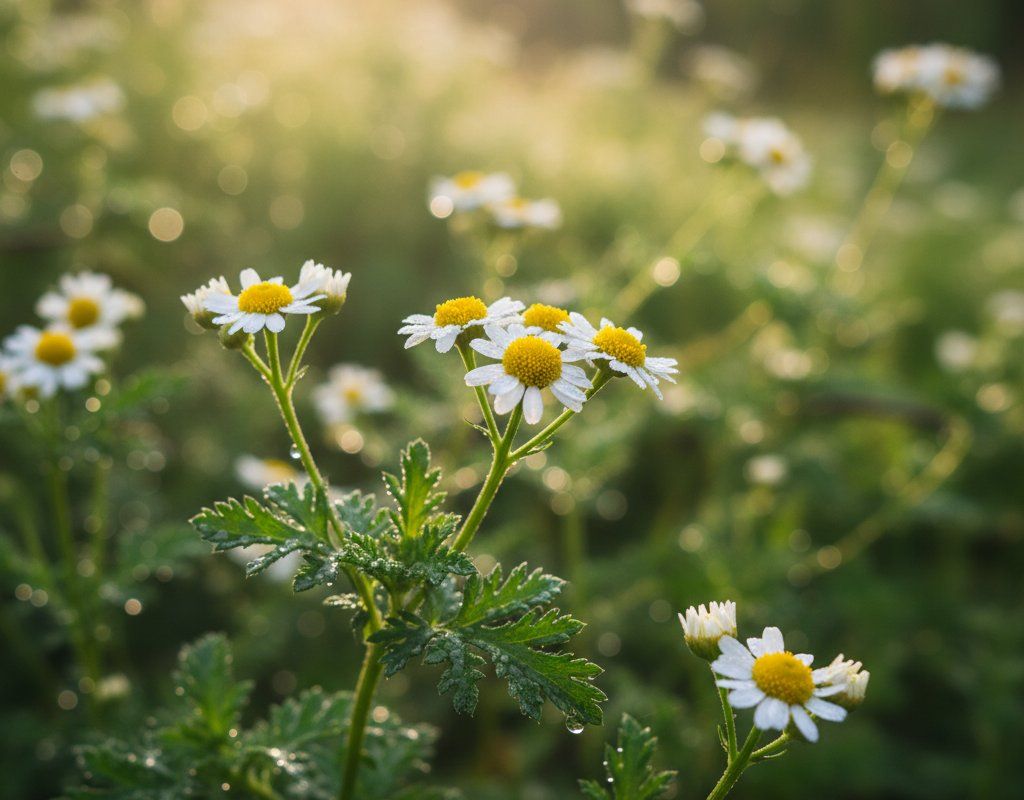
🌸Best Flowers to Plant with Cilantro
These flowers protect your Cilantro from pests and attract pollinators for better harvests.



Get a Reminder When It's Time to Plant
We'll email you when key planting windows open for your zone.