
Corn in Zone 10A — Florida
Zea mays · Your Complete 2026 Planting Guide
Still Time to Sow!
The sowing window is still open for Corn.
Sow Seeds Soon
Corn doesn't transplant well and grows fast. Direct sow after frost when soil is warm.
How to Plant Corn in Zone 10A — Florida
Here are all your options for getting corn in the ground, from the easiest method to more advanced approaches.
Direct Sow Seeds
RecommendedMid January through early October
around January 17
Consider succession planting every 2-3 weeks for continuous harvest.
Corn doesn't transplant well and grows fast. Direct sow after frost when soil is warm.
Buy Starts
Works WellLate January through late February
around January 24
Plant purchased starts after last frost (January 10).
Start Seeds Indoors
ChallengingThis plant is typically not started indoors.
Transplant Outdoors
Timing InfoLate January through late February
around January 24
Wait until nighttime temperatures stay above 50°F.
You have a nice window — no need to rush.
Overview
Growing corn in Zone 10A Florida gives you access to sweet, tender ears that put grocery store corn to shame. With our year-round growing season, you can plant multiple successions and enjoy fresh corn on the cob from spring through winter. The satisfaction of harvesting your own corn—still warm from the Florida sun—makes the effort worthwhile, especially when you can grow varieties unavailable in stores.
Florida's extreme humidity and fungal pressure can challenge corn growers, but our 355-day growing season means you have plenty of opportunities to get it right. The key is working with our reversed calendar: plant in fall and winter when conditions are more favorable, and avoid the brutal summer heat that stresses both plants and gardeners.
Transplanting Outdoors
While corn can be transplanted, it's rarely the best choice for Florida gardeners since corn develops a deep taproot that doesn't like disturbance. If you do choose to transplant, start seeds indoors about 2-3 weeks before your target planting date and transplant during late January through late February.
Before moving seedlings outside, harden them off gradually over a week by increasing their outdoor exposure daily. Plant transplants 8-12 inches apart in blocks rather than single rows to ensure proper pollination. Space rows 30-36 inches apart to allow good air circulation in our humid climate.
Watch for late cold snaps during transplant time—even though we rarely see hard freezes, corn is tender and a surprise dip below 50°F can set back young plants significantly.
Direct Sowing
Direct sowing is the preferred method for corn in Florida since it avoids transplant shock and allows the taproot to develop naturally. Plant from mid-January through early October, though timing depends on your specific goals and heat tolerance.
Wait until soil temperatures reach at least 60°F consistently—usually by mid to late January in most of Zone 10A. Plant seeds 1-2 inches deep in well-draining soil, spacing them 8-12 inches apart. In our sandy soils, you may need to plant slightly deeper to ensure good moisture contact.
Plant in blocks of at least 4 rows rather than single long rows to improve pollination success in our often-windy conditions. Corn relies on wind pollination, and blocks help ensure pollen reaches the silks effectively. Consider succession planting every 2-3 weeks for continuous harvest, but avoid planting during the hottest months (June through August) when heat stress reduces kernel development.
Watering Corn in Zone 10A (Florida)
Corn has high water needs throughout its growing cycle, requiring about 1-1.5 inches per week from germination through harvest. This is especially critical during tasseling and silking stages—drought stress during pollination results in ears with missing kernels or poor fill.
In Florida's wet summers, natural rainfall often provides adequate moisture, but you'll need to irrigate during our drier winter and spring months when you're likely growing corn. Use the finger test: stick your finger 2 inches into the soil near the base of plants. If it's dry at that depth, it's time to water deeply.
Water at soil level rather than overhead to minimize fungal diseases in our humid climate. Soaker hoses or drip irrigation work well, delivering water directly to root zones while keeping foliage dry. Morning watering allows any moisture on leaves to evaporate quickly before our humid afternoons set in.
Apply 2-3 inches of organic mulch around plants to retain soil moisture and regulate temperature, but keep mulch a few inches away from stalks to prevent pest harboring and maintain air circulation in our fungal-prone environment.
🧪Fertilizing Corn
Feeding Schedule
Organic Fertilizer Options
Harvest Time
Your first corn harvest typically begins in early April if you planted in mid-January, with the growing window extending through late December depending on planting times. Most varieties mature in about 75 days from planting, though heat can accelerate development while cool weather may slow it.
Corn is ready when silks turn brown and dry, and kernels release milky juice when punctured with your fingernail. Pull back a small section of husk to check—kernels should be plump and bright colored, filling the ear completely to the tip. The kernels should feel firm but not hard.
Harvest ears by twisting and pulling downward sharply, or cut the stalk just below the ear with a sharp knife. Pick corn in the morning when sugar content is highest, and use it immediately for best flavor—corn begins converting sugars to starch within hours of harvest.
As Florida's mild winter approaches in late December, any remaining ears should be harvested before temperatures consistently drop below 50°F, which can damage developing kernels and reduce quality.
Common Problems in Zone 10A (Florida)
Corn Earworm You'll find holes in husks and kernels, often with brown frass (insect droppings) visible around damaged areas. The larvae tunnel into developing ears, creating extensive damage and entry points for fungal infections.
This pest thrives in Florida's warm, humid conditions and can have multiple generations per year. The moths lay eggs on fresh silks, and larvae bore into ears within days.
Apply Bt (Bacillus thuringiensis) spray every 3-4 days once silks appear, focusing on fresh silk growth. Some gardeners inject mineral oil into the silk channel using a syringe about a week after silk emergence to suffocate larvae.
Raccoons Stalks are bent or broken, ears partially eaten with obvious claw marks, and husks scattered around the garden. Raccoons have excellent timing, often harvesting corn just one night before you planned to pick it.
These clever mammals test corn ripeness by feeling ears and can devastate an entire planting in one night. Florida's suburban raccoon populations are particularly bold and persistent.
Install 4-foot fencing with an electric wire at the top, or try companion planting with prickly squash vines that raccoons avoid walking through. Some gardeners harvest ears slightly early and let them finish ripening indoors.
Poor Pollination Ears develop with missing kernels in patches or rows, or ears fail to fill out completely despite healthy-looking plants. You might see silks that turn brown but no kernels develop behind them.
Florida's extreme heat during summer months can reduce pollen viability, while high humidity and still air can prevent effective wind pollination. Planting single rows instead of blocks also reduces pollination success.
Plant corn in blocks of at least 4 rows to ensure adequate pollen distribution. During hot weather, hand-pollinate by collecting pollen from tassels in early morning and brushing it onto silks using a small paintbrush. Time plantings for cooler months when possible.
Florida Specific Challenges Our intense humidity and frequent summer thunderstorms create perfect conditions for fungal diseases like rust and leaf blight. The combination of heat stress and high moisture also attracts more insect pests than northern regions experience, making regular monitoring essential for successful corn production.
Best Companions for Corn
Plant these nearby for healthier Corn and better harvests.

Keep Away From
Companion Planting Details
Plant beans around your corn to take advantage of the classic "Three Sisters" combination—beans climb the corn stalks while fixing nitrogen that benefits both crops. Squash and cucumbers make excellent ground covers beneath corn, their broad leaves shading soil and conserving moisture while their prickly vines may deter raccoons from reaching your corn.
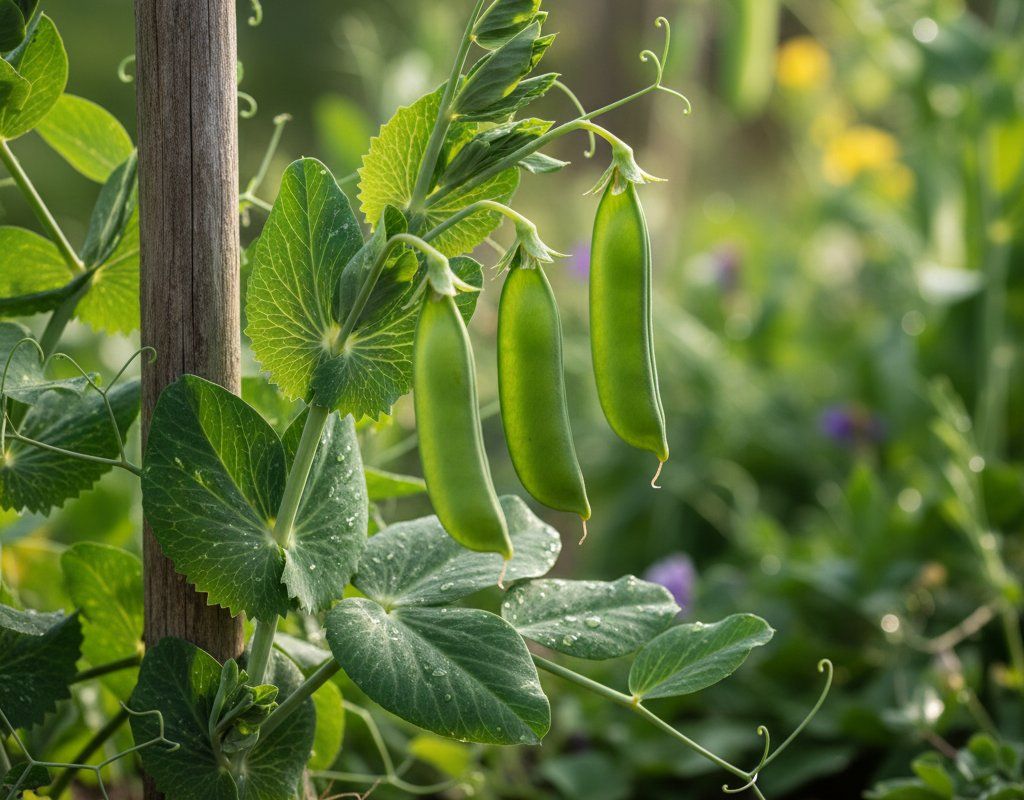
Peas planted as a winter companion before corn goes in can improve soil nitrogen levels, especially important in Florida's sandy soils that don't hold nutrients well. Avoid planting tomatoes near corn as both are heavy feeders that compete for the same nutrients, and both attract similar pest insects like hornworms, creating concentrated pest pressure in one area.
🌸Best Flowers to Plant with Corn
These flowers protect your Corn from pests and attract pollinators for better harvests.
For Pest Control


Get a Reminder When It's Time to Plant
We'll email you when key planting windows open for your zone.