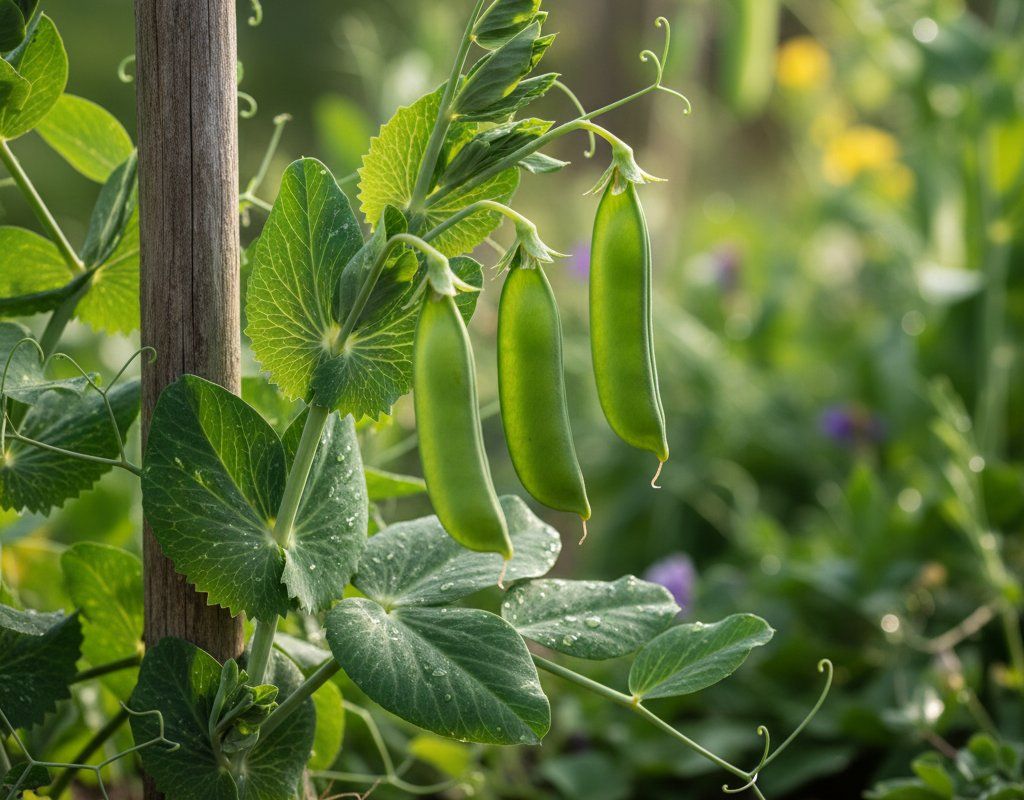
Peas in Zone 10A — Florida
Pisum sativum · Your Complete 2026 Planting Guide
Harvest Time!
Your Peas should be producing now!
Harvest Tips
Pick when pods are firm but seeds inside are still small. Check daily!
How to Plant Peas in Zone 10A — Florida
Here are all your options for getting peas in the ground, from the easiest method to more advanced approaches.
Direct Sow Seeds
RecommendedLate November through mid October
around November 29
Consider succession planting every 2-3 weeks for continuous harvest.
Peas prefer cool soil and don't transplant well. Direct sow in early spring.
Buy Starts
Works WellMid December through early January
around December 13
Plant purchased starts after last frost (January 10).
Start Seeds Indoors
ChallengingThis plant is typically not started indoors.
Transplant Outdoors
Timing InfoMid December through early January
around December 13
Can tolerate light frost, but wait for soil to be workable.
You have a nice window — no need to rush.
Fall Planting
Mid October through mid November
October 29 ideal · Direct sow for fall harvest
Plant a second crop in mid-summer for fall harvest. Peas actually prefers the cooling temperatures of fall.
Overview
Peas bring reliable sweetness to your Florida garden when the rest of the country is dealing with winter doldrums. Here in Zone 10A, you get to enjoy fresh sugar snaps and shell peas during our pleasant cool season when humidity drops and temperatures stay comfortable for both plants and gardeners. The satisfaction of picking crisp pods while your northern friends are planning their spring gardens never gets old.
While our extreme summer humidity and heat make peas impossible during those brutal months, our 355-day growing season means you can grow multiple successions from fall through early spring. The key is working with our reversed seasons - plant when the first cool fronts start rolling through, and you'll be harvesting sweet pods through the holidays and into the new year.
Transplanting Outdoors
Transplanting peas works in Florida, though it's not the preferred method since peas develop better root systems when direct sown. If you do start indoors or buy transplants, plan to move them outside from mid-December through early January when our cool season is well established.
Harden off your seedlings gradually over a week, starting with a few hours of morning sun and working up to full outdoor exposure. The cool, dry air during this period can shock plants that aren't properly acclimated. Space transplants 2-4 inches apart in rows, being extra gentle with the roots since peas hate root disturbance.
Watch for those unexpected warm spells that can hit us even in winter - if temperatures spike into the 80s for several days, provide some afternoon shade until cooler weather returns. Our winter weather can be surprisingly variable, so keep some row cover handy for protection during the occasional cold snap.
Direct Sowing
Direct sowing is definitely the way to go with peas in Florida. Plant your seeds from late November through mid-October when soil temperatures have cooled down from summer's heat. Peas actually prefer cool soil around 45-65°F, which we finally get once those first cold fronts move through.
Prepare your planting area by working compost into our sandy soil to improve both drainage and water retention. Plant seeds 2-4 inches apart and about an inch deep. The cooler soil during this window helps seeds germinate properly without rotting, which can happen if you plant too early while soil temperatures are still in the 70s or 80s.
Don't worry if germination seems slow compared to summer crops - peas take their time in cooler conditions, but they'll establish stronger root systems. Keep the soil consistently moist but not waterlogged, which is easier to manage during our drier winter months when humidity levels drop.
Watering Peas in Zone 10A (Florida)
Peas need consistent moisture but definitely don't want to sit in waterlogged soil, which makes timing crucial here in Florida. During our fall and winter growing season, you'll typically need to provide about an inch of water per week, but pay attention to our variable rainfall patterns - some weeks you won't need to water at all.
Use the finger test to check soil moisture about 2 inches deep before watering. During flowering and pod development, even brief dry spells can cause poor pod set and tough, stringy peas. Our sandy soil drains quickly, so you might need to water more frequently than gardeners in heavier soils, especially during those dry winter stretches.
Water at the base of plants rather than overhead to avoid encouraging fungal problems in our high humidity. Even during winter, morning watering is best so any moisture on leaves can dry before evening when humidity naturally rises. A thin layer of organic mulch helps retain moisture and keeps our sandy soil from drying out too quickly.
Watch for signs of stress: wilting despite adequate soil moisture usually means overwatering and root problems, while yellowing leaves often indicate either too much or too little water. The key is consistent moisture without waterlogged conditions.
Supporting Your Peas
Even dwarf pea varieties benefit from some kind of support in Florida, where our occasional strong winter winds can knock over unsupported plants. Install your support system at planting time - whether it's a simple string trellis, chicken wire fence, or traditional pea brush - so you don't disturb roots later.
For most varieties, a 4-6 foot tall support works well. Peas climb using tendrils, so they need something to grab onto. String or wire mesh works better than smooth poles. If you're growing in containers, bamboo teepees or tomato cages provide excellent support and look neat.
Train young plants gently toward their support once they're 4-6 inches tall. Our winter breezes actually help strengthen stems, but a sudden cold front with gusty winds can flatten unsupported plants. Check ties regularly and adjust as plants grow to prevent stem damage.
🧪Fertilizing Peas
Feeding Schedule
Organic Fertilizer Options
Harvest Time
Your first peas should be ready for harvest in late January through early February, about 60 days from planting. Shell peas are ready when pods are plump and you can feel the round seeds inside, but pick them before pods start turning yellow or becoming tough and fibrous.
Harvest daily once pods start maturing - this keeps plants producing new flowers and pods. Use both hands when picking: hold the vine with one hand and gently pull the pod with the other to avoid damaging the plant. Early morning harvesting gives you the crispest, sweetest pods.
For continuous production, make succession plantings every 2-3 weeks through mid-November. This extends your harvest window well into spring. As our last frost approaches in late December, harvest any remaining pods even if they're not quite mature - they're still delicious and won't survive a freeze.
Keep picking regularly even if you can't use all the peas immediately. Unpicked pods signal the plant to stop flowering, ending your harvest prematurely. Fresh peas store well in the refrigerator for several days, or blanch and freeze extras for later use.
Common Problems in Zone 10A (Florida)
Powdery Mildew This fungal disease shows up as a white or grayish powdery coating on leaves, stems, and sometimes pods. Leaves may curl, yellow, and eventually die, reducing plant vigor and yields. You'll often see it first on older, lower leaves before it spreads upward.
Our winter humidity, combined with cool nights and warm days, creates perfect conditions for powdery mildew. Unlike many fungi, this one actually prefers dry leaf surfaces, so it thrives even during our drier winter months. Improve air circulation by proper spacing and removing affected leaves immediately. Neem oil sprays help, but try the old milk spray trick - 1 part milk to 9 parts water is surprisingly effective and safe for edible crops.
Pea Aphids These small, soft-bodied green insects cluster on stems, leaves, and pods, sucking plant juices and causing yellowing, stunted growth, and distorted pods. They also produce honeydew, which attracts ants and can lead to sooty mold problems in our humid conditions.
Cool weather actually favors aphid reproduction, and they can build up quickly on winter pea crops. Beneficial insects are less active during cooler months, giving aphids an advantage. Spray them off with water early in the day so plants dry before evening. Insecticidal soap works well, or encourage beneficial insects with diverse plantings nearby.
Root Rot Plants develop yellowing leaves, poor growth, and may suddenly wilt despite adequate soil moisture. Roots appear dark, mushy, or have a foul smell when examined. This often starts in poorly drained areas or during extended rainy periods.
Our sandy soil usually drains well, but winter rains can create soggy conditions that favor root rot fungi. Overwatering compounds the problem, especially in containers or low-lying areas. Improve drainage before planting and avoid watering if soil is already moist. Plant in raised beds if your area tends to stay wet after rains.
Florida Specific Challenges: Even during our mild winters, the combination of variable temperatures, occasional heavy rains, and still-present humidity creates unique challenges. Root problems develop quickly in waterlogged sandy soil, while our warm spells can stress cool-season crops and make them more susceptible to pests and diseases.
Best Companions for Peas
Plant these nearby for healthier Peas and better harvests.

Keep Away From

Companion Planting Details
Carrots and radishes make excellent companions for peas in Florida winter gardens since they all prefer the same cool growing conditions and won't compete for space - the root crops grow underground while peas climb upward. Radishes actually help break up our sandy soil and can be harvested before peas reach full size, making efficient use of garden space.
Corn planted nearby provides natural support for climbing peas once it gets established, though timing can be tricky since corn needs warmer conditions to get started. Avoid planting peas near onions and garlic, which can inhibit pea growth - this is especially important in Florida where our intensive growing seasons mean you're often succession planting and intercropping to maximize production year-round.
🌸Best Flowers to Plant with Peas
These flowers protect your Peas from pests and attract pollinators for better harvests.
For Pest Control

For Pollinators

Get a Reminder When It's Time to Plant
We'll email you when key planting windows open for your zone.