
Corn in Zone 3B — Great Plains
Zea mays · Your Complete 2026 Planting Guide
Planning Ahead — Great!
You’re ahead of the season. Here’s when to start.
Mark Your Calendar
How to Plant Corn in Zone 3B — Great Plains
Here are all your options for getting corn in the ground, from the easiest method to more advanced approaches.
Direct Sow Seeds
RecommendedLate May through mid June
around May 27
Direct sow as soon as conditions allow.
Corn doesn't transplant well and grows fast. Direct sow after frost when soil is warm.
Buy Starts
Works WellEarly to mid June
around June 3
Plant purchased starts after last frost (May 20).
Start Seeds Indoors
ChallengingThis plant is typically not started indoors.
Transplant Outdoors
Timing InfoEarly to mid June
around June 3
Wait until nighttime temperatures stay above 50°F.
Plan to transplant within a few weeks of your target date.
Overview
Sweet corn grown in your own Great Plains garden delivers a sweetness that store-bought ears can't match. Our intense prairie sunshine and fertile soil create perfect conditions for developing those sugary kernels, while the satisfying ritual of husking fresh ears connects you to generations of Plains farmers who've grown corn in this challenging but rewarding landscape.
Our 118-day growing season might seem short for corn, but it's plenty of time when you work with our climate rather than against it. Yes, we face wind, variable rainfall, and those notorious Plains temperature swings, but corn actually thrives in our hot summers and handles our weather extremes better than many crops once established.
Transplanting Outdoors
Transplanting corn isn't the preferred method since corn develops a deep taproot that doesn't like disturbance, but if you're starting with transplants, plan for early to mid-June planting. This timing ensures soil temperatures stay consistently warm while giving you the full growing season before our mid-September frost.
Harden off transplants gradually over a full week, starting with just 2-3 hours of morning sun and building up to full exposure. Our Plains wind can shock tender transplants, so choose calm days for the transition when possible.
Space transplants 8-12 inches apart in rows, and plant them slightly deeper than they were in containers to encourage strong root development. Water thoroughly at planting and provide wind protection with row covers or temporary barriers during the first week while roots establish in your prairie soil.
Direct Sowing
Direct sowing is absolutely the best method for corn in our region. Plant from late May through mid-June when soil temperature reaches 60°F consistently—cold soil leads to poor germination and stunted growth that never recovers.
Work compost into your prairie soil before planting, as corn is a heavy feeder. Plant seeds 1-2 inches deep and 8-12 inches apart in blocks rather than single rows to ensure proper pollination in our windy conditions. The wind that challenges other crops actually helps corn by moving pollen from tassels to silks.
Plant every two weeks through mid-June for continuous harvest, but remember that corn planted too late may not mature before our first frost. Your soil warms quickly in our intense sunshine, so once conditions are right, corn will germinate and grow fast in the heat that defines our Plains summers.
Watering Corn in Zone 3B (Great Plains)
Corn has high water needs and absolutely cannot tolerate drought, especially during the critical silking and ear development stages in mid to late summer. In our variable rainfall climate, you'll need to supplement with irrigation during dry spells—corn needs about 1-1.5 inches of water per week.
Water deeply at the base of plants rather than overhead to maximize efficiency in our low-to-moderate humidity. Use the finger test: if soil feels dry 2 inches down, it's time to water. During pollination (when tassels release pollen and silks emerge), consistent moisture is absolutely critical—drought stress during this 2-week window causes those frustrating gaps of missing kernels on ears.
Apply a thick layer of grass clippings or straw mulch around plants to conserve moisture and moderate soil temperature during our hot summer days. This is especially important in our region where temperatures can hit 93°F regularly and rainfall varies dramatically from year to year.
Watch for signs of water stress: leaves rolling inward during the day, stunted growth, or tassels emerging before silks (which prevents proper pollination). Overwatering is rare in our climate, but poorly drained prairie soil can cause yellowing lower leaves and weak stalks that topple in our ever-present wind.
🧪Fertilizing Corn
Feeding Schedule
Organic Fertilizer Options
Harvest Time
Your first ears will be ready from early August through mid-September, typically 75 days after planting. Check ears daily once silks start browning—corn reaches perfect ripeness quickly in our hot Plains summers and passes peak quality fast.
Look for brown, dried silks and plump ears that feel full when you squeeze them gently. Pull back the husk slightly to check kernel color and puncture a kernel with your fingernail—it should squirt milky juice, not clear liquid or thick paste. The kernels should be plump and bright, filling the ear completely to the tip.
Harvest by twisting and pulling ears downward, supporting the stalk with your other hand to prevent wind damage to remaining ears. Pick early in the morning when sugar content is highest—those hot afternoon temperatures convert sugars to starch rapidly.
As our mid-September frost approaches, harvest all remaining ears regardless of size. Corn cannot ripen off the plant, so what's on the stalk is what you get. Even small ears are perfect for pickling or cutting off for corn salad if they haven't reached full maturity.
Common Problems in Zone 3B (Great Plains)
Corn Earworm Small holes near the tip of ears with dark, moist frass (insect droppings) inside the husk indicate corn earworm damage. You'll find green or brown striped caterpillars feeding inside the ears, often tunneling down from the silk end. Our hot Plains summers create ideal conditions for multiple generations of these pests. Apply mineral oil to silks every 3-4 days once they emerge, or plant varieties with tight husks that resist entry. Remove and destroy affected ears immediately.
Raccoons Partially husked ears scattered around your garden with kernels eaten off the cob signal raccoon raids. These intelligent raiders can devastate an entire patch in one night, often targeting ears just as they reach perfect ripeness. Our rural Plains setting provides plenty of raccoon habitat and few natural deterrents. Install 4-foot high electric fencing around the corn patch, or try hanging pie pans and radios to create noise and movement in our constant wind.
Poor Pollination Ears with missing kernels in rows, small or misshapen ears, or ears that fail to develop despite healthy tassels indicate pollination problems. Our extreme temperature swings can disrupt the timing between pollen release and silk receptivity, while our persistent winds may blow pollen away before it reaches silks. Plant in blocks rather than single rows to improve pollination success, and hand-pollinate with a small brush during calm morning hours if weather conditions interfere with natural pollination.
Great Plains Specific Challenges: Our combination of intense heat, variable rainfall, and constant wind creates unique stresses for corn. High temperatures during pollination can reduce kernel set, while our dry air and hot days mean corn uses water faster than in more humid regions. The positive side is that our low humidity and good air circulation reduce fungal diseases that plague corn in more humid climates.
Best Companions for Corn
Plant these nearby for healthier Corn and better harvests.

Keep Away From
Companion Planting Details
Plant beans alongside your corn to take advantage of the classic Three Sisters combination—beans fix nitrogen that corn needs while using corn stalks for support. Squash and cucumbers make excellent ground covers between corn rows, their large leaves shading soil to conserve moisture in our hot, dry summers while their sprawling habit helps block weeds.
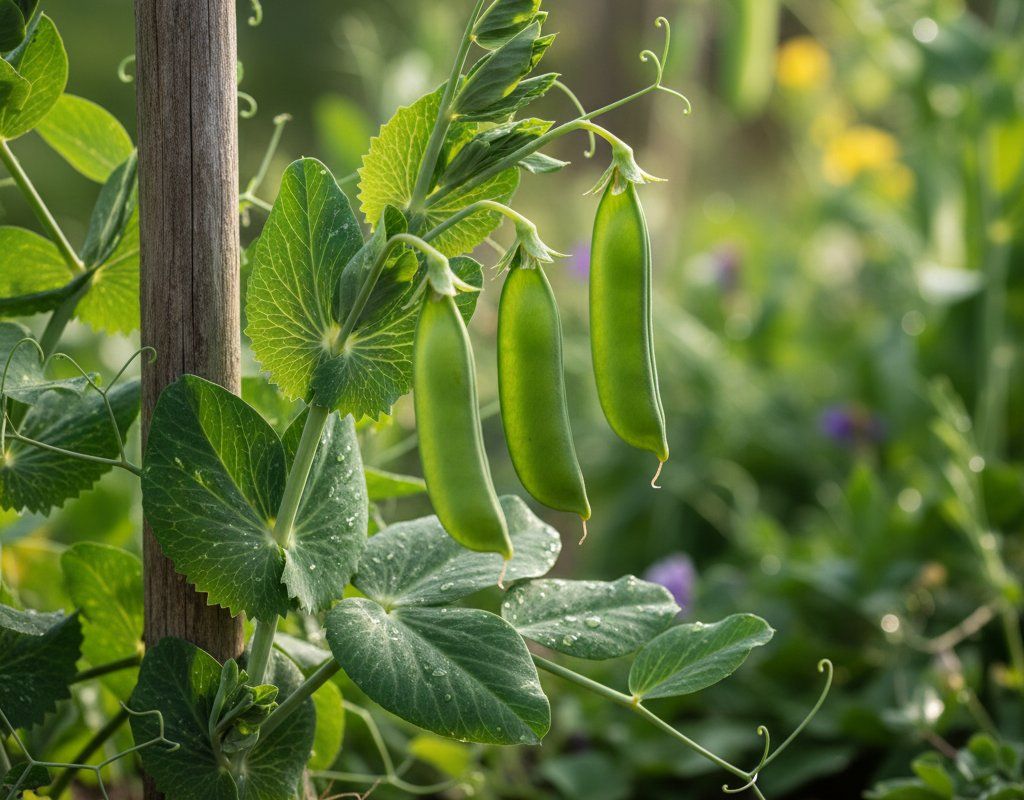
Avoid planting tomatoes near corn since both crops attract similar pests and compete heavily for nutrients and water. In our Plains climate where water management is critical, this competition becomes even more problematic. Peas planted as an early crop before corn can help prepare the soil, but harvest them before corn shades them out in our intense summer sunshine.
🌸Best Flowers to Plant with Corn
These flowers protect your Corn from pests and attract pollinators for better harvests.
For Pest Control



Get a Reminder When It's Time to Plant
We'll email you when key planting windows open for your zone.