
Geranium in Zone 3B — Great Plains
Pelargonium × hortorum · Your Complete 2026 Planting Guide
Ideal Time: Start Seeds Indoors!
This is the perfect time for the biggest, best harvest.
Start Seeds Now
- Start seeds in trays or pots with seed-starting mix
- Keep soil moist and warm (70-80°F)
- Transplant outdoors Early to late June
Not Starting from Seed?
Buy starts around June 3 — that works great too!
How to Plant Geranium in Zone 3B — Great Plains
Here are all your options for getting geranium in the ground, from the easiest method to more advanced approaches.
Buy Starts
RecommendedEarly to late June
around June 3
Plant purchased starts after last frost (May 20).
Very slow from seed. Buy starts for easiest results.
Start Seeds Indoors
Works WellEarly to late March
around March 11
Then transplant: Early to late June
Start seeds 12-14 weeks before transplanting outdoors.
Direct Sow Seeds
ChallengingDirect sowing is not typical for Geranium.
Transplant Outdoors
Timing InfoEarly to late June
around June 3
Wait until nighttime temperatures stay above 50°F.
Plan to transplant within a few weeks of your target date.
Overview
Geraniums bring vibrant color to our short Plains summers, and their heat tolerance makes them a reliable choice even when the weather throws us a curveball. Their versatility in containers and garden beds means you can tuck them in anywhere for a pop of color. Plus, deadheading keeps them blooming, giving you a long-lasting show of flowers.
Our extreme temperature swings and variable rainfall can be tough on plants, but with a little planning, you can enjoy geraniums in our Zone 3B gardens. Starting seeds indoors gives you a head start on our roughly 118-day growing season, ensuring you get to enjoy their blooms before the first frost.
Starting Seeds Indoors
Starting geranium seeds indoors in early to late March gives you a jump start on the season, but be prepared for a slow process. It takes about 12 weeks to get them to transplant size. If you're new to seed starting, buying starts from a local nursery might be easier.
To start seeds, use seed trays with a good seed-starting mix. Keep the soil consistently moist, watering from the bottom to avoid damping off. A warm location and grow lights are essential, especially with our variable spring weather.
Transplanting Outdoors
Transplant your geraniums outdoors in early to late June, after all danger of frost has passed. Before planting, harden off your seedlings by gradually exposing them to outdoor conditions for about a week. This helps them adjust to the Plains's intense sunshine and wind.
Space your geraniums 10-12 inches apart in a sunny spot with well-drained soil. Keep a close eye on the weather forecast; a late frost can still happen, so be ready to cover your plants if necessary. Remember, geraniums are very slow from seed; buying established plants gives you instant gratification.
Watering Geranium in Zone 3B (Great Plains)
Geraniums need moderate watering, but they don't like soggy soil. Let the soil dry out slightly between waterings, especially in our low-to-moderate humidity. Overwatering can lead to stem rot, a common problem in poorly drained soil.
During the hot summer months, you'll likely need to water your geraniums more frequently, perhaps every 2-3 days, depending on rainfall. Use the "finger test" – stick your finger about 2 inches into the soil; if it feels dry, it's time to water. Aim for about 1 inch of water per week, watering at the base of the plant to avoid getting the foliage wet and encouraging fungal diseases.
In the cooler spring and fall, you can reduce watering to once a week or even less, depending on rainfall. Signs of underwatering include wilting leaves and dry, cracked soil. Overwatered geraniums will have yellowing leaves and mushy stems. A layer of mulch around the base of the plants helps retain moisture and regulate soil temperature, which is especially helpful with our extreme temperature swings.
Pruning & Maintaining Geranium
Deadheading is key to keeping your geraniums blooming all season long. Simply pinch or cut off the spent flower clusters just above a leaf node. This encourages the plant to produce more flowers instead of putting energy into seed production.
Throughout the growing season, you can also pinch back leggy stems to encourage bushier growth. Just trim the stems back by a few inches. As the first frost approaches in mid- September, stop deadheading to allow the plant to harden off for winter if you plan to overwinter it indoors (which is possible, but a project!).
🧪Fertilizing Geranium
Feeding Schedule
Organic Fertilizer Options
Harvest Time
Geraniums aren't really "harvested" in the traditional sense. Instead, enjoy their blooms in your garden from mid-August through mid-September. The plants should begin flowering about 70 days after starting from seed.
The best sign that your geraniums are "ready" is simply that they're blooming! Regularly remove faded blooms to keep the plants looking neat and to encourage continued flowering. As the first frost approaches in mid- September, consider taking cuttings to propagate new plants indoors for next year. Otherwise, enjoy the last blooms before the cold weather arrives.
Common Problems in Zone 3B (Great Plains)
Here are three common problems you might encounter with geraniums in the Great Plains:
Botrytis Blight
- What it looks like: Gray mold on flowers, leaves, and stems, often starting with water-soaked spots.
- What causes it: High humidity and poor air circulation create ideal conditions for this fungal disease. While our humidity is generally low-to-moderate, crowded plantings or consistently wet foliage can still lead to problems.
- How to fix/prevent it: Improve air circulation by spacing plants properly and pruning out crowded growth. Remove and destroy infected plant parts. Avoid overhead watering.
Geranium Budworm
- What it looks like: Holes in buds and flowers, chewed leaves, and small green or brown caterpillars hiding within the plant.
- What causes it: These caterpillars are the larvae of moths that lay their eggs on geraniums. They can be particularly problematic during periods of warm weather.
- How to fix/prevent it: Handpick caterpillars when you see them. Use insecticidal soap or Bacillus thuringiensis (Bt) as a preventative measure, especially during peak moth activity.
Edema
- What it looks like: Small, water-soaked blisters on the undersides of leaves. These blisters eventually turn brown and corky.
- What causes it: Edema is caused by inconsistent soil moisture and cool temperatures, leading to the plant taking up more water than it can transpire. This is especially common during our variable spring weather.
- How to fix/prevent it: Ensure good drainage and avoid overwatering. Maintain consistent soil moisture. Improve air circulation around the plants.
Great Plains Specific Challenges: Our hot summers and variable rainfall can stress geraniums, making them more susceptible to problems. Consistent monitoring and proactive measures are key to keeping your plants healthy and blooming.
Best Companions for Geranium
Plant these nearby for healthier Geranium and better harvests.
View Full Companion Planting Chart →


Companion Planting Details
Geraniums make good companions for several plants in the Great Plains garden:
- Tomatoes: Geraniums are said to repel tomato hornworms, a common pest. The strong scent of the geranium can confuse the moths, preventing them from laying eggs on your tomato plants.
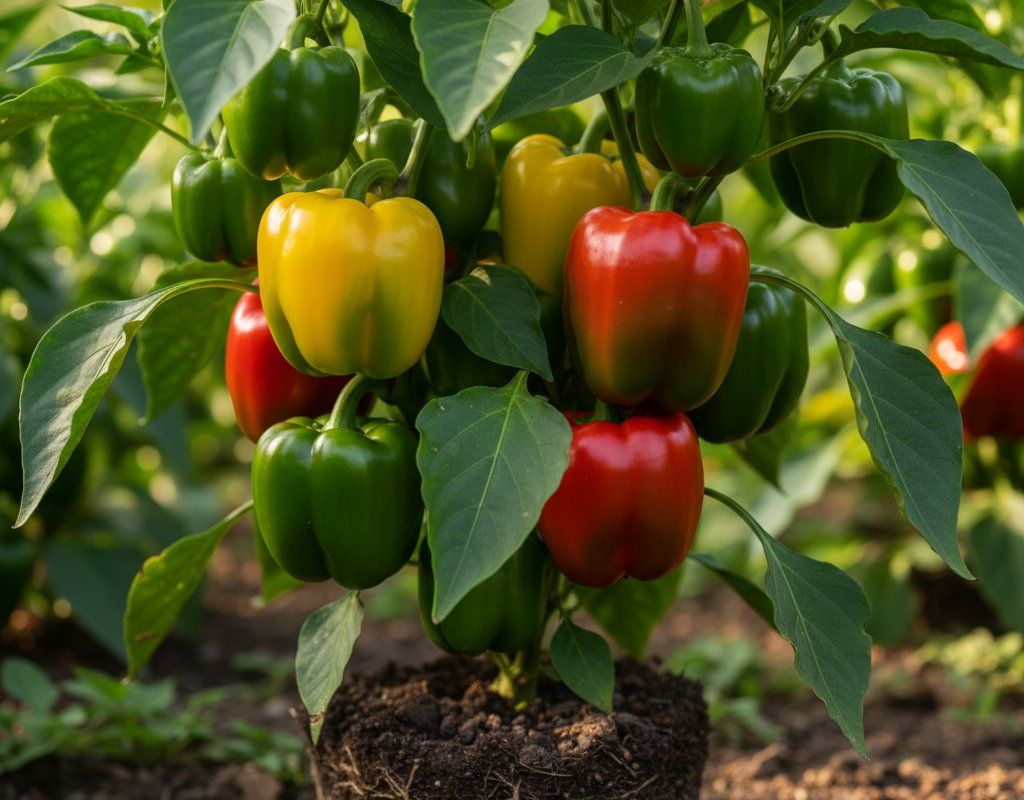
- Peppers: Similar to tomatoes, geraniums may help deter certain pepper pests.
- Corn: Geraniums can attract beneficial insects like ladybugs, which prey on aphids and other corn pests.
- Roses: Geraniums are thought to deter Japanese beetles, which can be a nuisance on roses.
Avoid planting geraniums near plants in the cabbage family, as they may attract cabbage white butterflies.
🥬Best Vegetables to Pair With Geranium
Geranium benefits these vegetables through pest control, pollinator attraction, or improved garden health.


Get a Reminder When It's Time to Plant
We'll email you when key planting windows open for your zone.