
Corn in Zone 5B — Great Plains
Zea mays · Your Complete 2026 Planting Guide
Planning Ahead — Great!
You’re ahead of the season. Here’s when to start.
Mark Your Calendar
How to Plant Corn in Zone 5B — Great Plains
Here are all your options for getting corn in the ground, from the easiest method to more advanced approaches.
Direct Sow Seeds
RecommendedLate April through mid July
around April 27
Consider succession planting every 2-3 weeks for continuous harvest.
Corn doesn't transplant well and grows fast. Direct sow after frost when soil is warm.
Buy Starts
Works WellEarly May through early June
around May 4
Plant purchased starts after last frost (April 20).
Start Seeds Indoors
ChallengingThis plant is typically not started indoors.
Transplant Outdoors
Timing InfoEarly May through early June
around May 4
Wait until nighttime temperatures stay above 50°F.
You have a nice window — no need to rush.
Overview
Sweet corn from your own garden beats anything you'll find at the store or farmers market here in the Plains. Our intense summer sunshine and fertile prairie soils grow corn with incredible sweetness and that satisfying snap when you bite into a fresh kernel. There's something deeply satisfying about growing this Native American staple in its original homeland, where the combination of our hot summers and rich soil creates ideal conditions.
Our 178-day growing season gives you plenty of time to grow corn successfully, even with our notorious temperature swings and variable rainfall. The key is timing your plantings right - wait for soil to warm up properly in spring, then take advantage of our long, hot summers to grow multiple varieties or successive plantings for continuous harvest through fall.
Transplanting Outdoors
Transplanting corn isn't the preferred method since this crop grows quickly from seed and doesn't love root disturbance. However, if you started seeds indoors to get a jump on the season, you can transplant from early May through early June once soil has warmed to at least 60°F and nighttime temperatures stay above 50°F consistently.
Spend a full week hardening off your seedlings - our Plains weather can shock tender plants with sudden temperature drops or strong winds. Start with just an hour outdoors in a protected spot, gradually increasing exposure time and wind exposure each day.
Space transplants 8-12 inches apart in rows or blocks, and plant them at the same depth they were growing in their containers. Water well after planting and provide wind protection with row covers or temporary barriers for the first week - young corn plants are particularly vulnerable to our constant Plains winds until their root systems establish.
Direct Sowing
Direct sowing is definitely the way to go with corn in the Plains. You can plant from late April through mid-July, but wait until soil temperature reaches 60°F consistently - cold, wet soil will rot your seeds before they germinate. Our prairie soils warm up beautifully once spring arrives, usually by late April in most years.
Prepare your planting area by working compost into the soil if needed, though corn thrives in our naturally fertile prairie soil. Plant seeds 1-2 inches deep and 8-12 inches apart. Many Plains gardeners plant corn in blocks rather than long rows to improve pollination - our constant winds can blow pollen away from silk if plants are too spread out.
The beauty of successive planting really shines here in the Plains. Plant a new row every 2-3 weeks through mid-July to extend your harvest window. This strategy also helps you manage our variable rainfall patterns and reduces the risk of losing your entire crop to a single hailstorm.
Watering Corn in Zone 5B (Great Plains)
Corn has high water needs and definitely isn't drought-tolerant, which makes watering strategy crucial here in the Plains with our variable rainfall patterns. Plan to provide 1-1.5 inches of water per week, including rainfall, though you'll need to adjust based on our hot summers and low-to-moderate humidity levels.
Water deeply at the base of plants rather than overhead - our dry air means less disease pressure, so you don't need to worry as much about wet foliage. Use the finger test by pushing into soil 2 inches deep; if it's dry, it's time to water. During our typical 93°F summer days, you may need to check every other day, especially during the critical silking period.
The most critical watering period is during pollination and early ear development - usually mid to late July for spring plantings. Drought stress during silking causes those frustrating ears with missing kernels in rows. Signs of water stress include leaf edges curling inward and silk drying out too quickly before pollination completes.
Apply a 2-3 inch layer of organic mulch around plants to conserve moisture and protect roots from temperature swings. Grass clippings or shredded leaves work well in our climate and break down to feed our prairie soil while reducing your watering frequency during those stretches when rainfall doesn't cooperate.
🧪Fertilizing Corn
Feeding Schedule
Organic Fertilizer Options
Harvest Time
Your first ears will be ready from mid-July through mid-October, depending on when you planted and which variety you chose. With our 75-day varieties and late April planting, expect your first harvest around mid-July - perfect timing to beat the hottest part of our Plains summer.
Check for ripeness by looking for brown, dried silks and plump ears that feel full when you squeeze gently. The definitive test is pulling back a small section of husk and puncturing a kernel with your fingernail - ripe corn squirts milky juice, while overripe corn produces a clear, watery liquid. The kernels should be plump and bright in color.
Harvest in the morning when temperatures are cooler, twisting and pulling ears downward with a quick snap. Each stalk typically produces 1-2 good ears, and timing is everything - corn is sweetest within hours of picking and starts converting sugars to starch immediately after harvest.
As our first frost approaches in mid-October, harvest all remaining ears even if they're not quite perfect. Unlike tomatoes, corn won't ripen off the plant, but slightly underripe ears can still be delicious grilled or used in soups and stews as the season winds down.
Common Problems in Zone 5B (Great Plains)
Corn Earworm These small caterpillars create holes in kernels and leave brown frass (droppings) in ear tips. You'll see entry holes at the silk end and damaged kernels when you pull back husks. Our hot Plains summers create ideal conditions for multiple generations per season.
The earworms follow corn silk to find ears, so the best prevention is timing - plant early varieties to harvest before peak earworm season in late summer. You can also apply a few drops of mineral oil to silk after it wilts but before it dries completely. Hand-picking works for small plantings, checking every few days once silks appear.
Raccoons These masked bandits seem to know exactly when your corn is perfectly ripe, often harvesting it the night before you planned to pick. You'll find stalks knocked down, partially eaten ears scattered around, and distinctive paw prints in soft soil around your corn patch.
Electric fencing works best for larger plantings, but row covers during the final ripening weeks can protect smaller plots. Some Plains gardeners swear by leaving a radio playing softly in the garden or sprinkling cayenne pepper around the base of plants. Harvest ears as soon as they're ready rather than letting them sit on stalks.
Poor Pollination You'll see ears with missing kernels in straight lines or completely empty ears despite good silk development. This happens when pollen doesn't reach all the silks - each kernel needs its own pollen grain to develop properly.
Our Plains winds can blow pollen away before it reaches silk, which is why planting in blocks works better than single rows. Hand-pollination helps ensure good kernel development - simply shake pollen from tassels onto fresh silk in early morning when humidity is highest. Plant varieties with overlapping pollen and silk timing, and avoid using pesticides during flowering periods.
Great Plains Specific Challenges: Our combination of intense heat, variable rainfall, and constant wind creates unique stresses for corn. The hot, dry air can cause silk to dry out before adequate pollination occurs, while sudden temperature swings can shock plants during critical growth periods. Hail is always a risk during our thunderstorm season, so consider staggered plantings to spread your risk across the growing season.
Best Companions for Corn
Plant these nearby for healthier Corn and better harvests.

Keep Away From
Companion Planting Details
Corn, beans, and squash make the classic "Three Sisters" combination that worked beautifully for Plains Native Americans and still works today. Beans fix nitrogen that corn uses heavily, while their vines can climb corn stalks for support. Squash spreads along the ground as living mulch, helping conserve soil moisture in our variable rainfall climate while their large leaves shade soil and reduce evaporation.
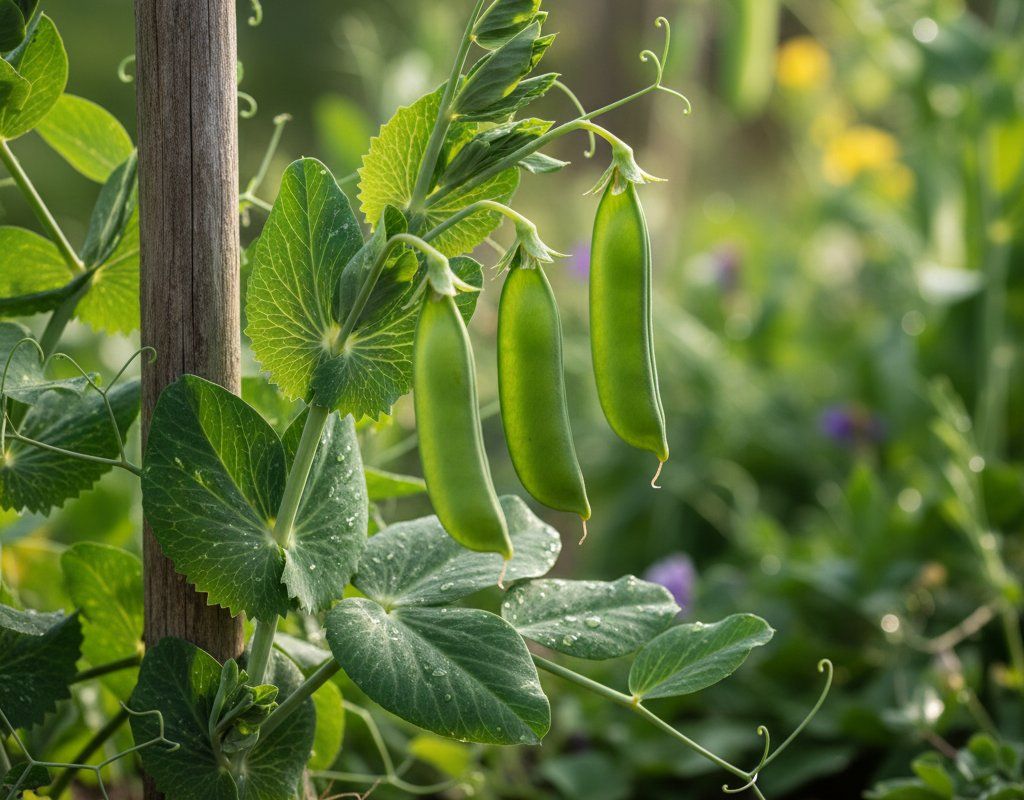
Cucumbers and peas also pair well with corn - peas contribute nitrogen early in the season before corn's heaviest feeding period, while cucumber vines can sprawl between corn rows without competing for space. Avoid planting tomatoes near corn since both crops attract similar pests and compete heavily for nutrients and water. In our Plains climate where water management is crucial, this combination also creates too much competition during our dry spells.
🌸Best Flowers to Plant with Corn
These flowers protect your Corn from pests and attract pollinators for better harvests.
For Pest Control



Get a Reminder When It's Time to Plant
We'll email you when key planting windows open for your zone.