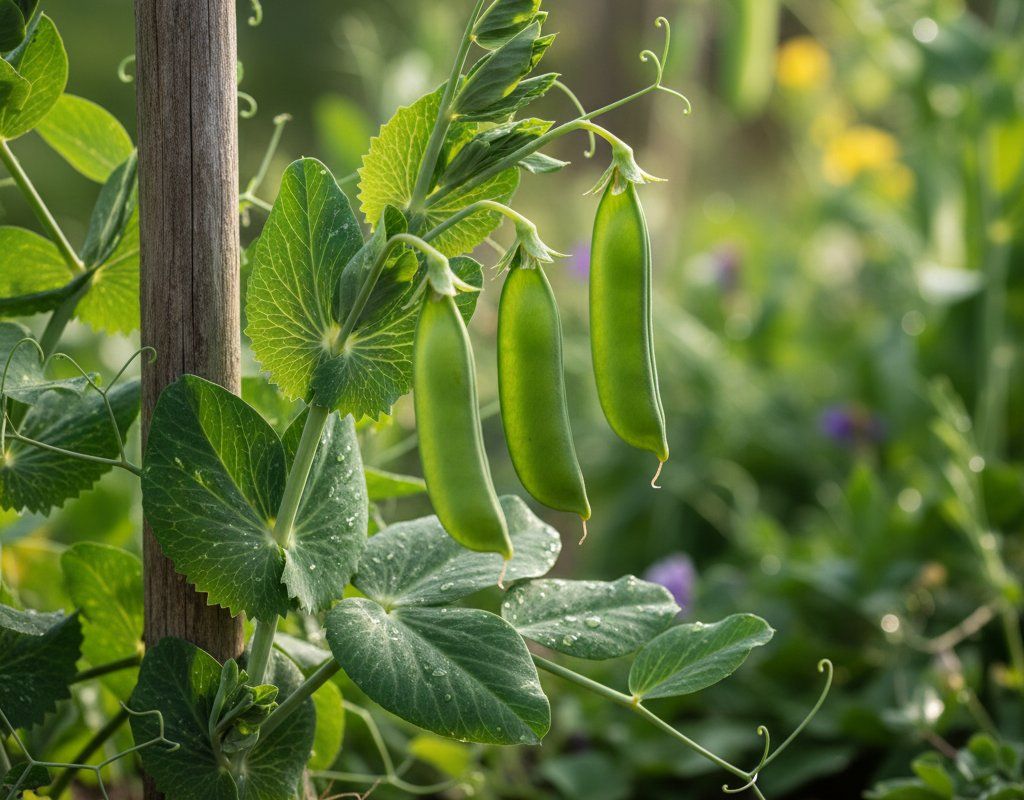
Peas in Zone 5B — Great Plains
Pisum sativum · Your Complete 2026 Planting Guide
Planning Ahead — Great!
You’re ahead of the season. Here’s when to start.
Mark Your Calendar
How to Plant Peas in Zone 5B — Great Plains
Here are all your options for getting peas in the ground, from the easiest method to more advanced approaches.
Direct Sow Seeds
RecommendedEarly March through early August
around March 9
Consider succession planting every 2-3 weeks for continuous harvest.
Peas prefer cool soil and don't transplant well. Direct sow in early spring.
Buy Starts
Works WellLate March through mid April
around March 23
Plant purchased starts after last frost (April 20).
Start Seeds Indoors
ChallengingThis plant is typically not started indoors.
Transplant Outdoors
Timing InfoLate March through mid April
around March 23
Can tolerate light frost, but wait for soil to be workable.
You have a nice window — no need to rush.
Fall Planting
Late July through late August
August 13 ideal · Direct sow for fall harvest
Plant a second crop in mid-summer for fall harvest. Peas actually prefers the cooling temperatures of fall.
Overview
Peas thrive in the Great Plains' unpredictable spring weather, offering crisp sweetness that makes store-bought frozen peas taste like cardboard. You can squeeze in multiple plantings across our long growing season, with shell peas, snow peas, and snap peas all producing well in our intense sunshine and fertile prairie soil. Nothing beats the satisfaction of popping open fresh pods on a windy May morning after our last frost scare has passed.
While our extreme temperature swings and variable precipitation can challenge warm-season crops, peas actually prefer cool weather and handle our spring volatility beautifully. With your 178-day growing season, you have plenty of time for both spring and fall crops. The key is working with our climate patterns rather than fighting them—plant early when soil can be worked, then again in midsummer for fall harvest.
Transplanting Outdoors
Transplanting peas works from late March through mid-April, though most Plains gardeners skip this step since peas prefer direct seeding. If you do start indoors, transplant while nights are still cool and before our spring heat kicks in. Your transplants need a full week of hardening off—start with 2-3 hours of morning sun, gradually increasing exposure while protecting from wind.
Space transplants 2-4 inches apart in rows, setting them at the same depth they grew in containers. Plant on calm days when possible, as young transplants struggle with our persistent Plains winds. Water thoroughly after transplanting and consider temporary wind protection with cardboard or row covers until they establish.
Your transplant window closes by mid-April because peas hate heat. Once daytime temperatures consistently hit the upper 70s, focus on getting your fall crop started instead.
Direct Sowing
Direct seeding works best for peas in the Great Plains, giving you the strongest plants that handle our weather extremes. Start sowing as early as early March when soil can be worked—peas germinate in soil as cool as 40°F and actually prefer temperatures around 50-60°F. Your window runs all the way through early August for continuous harvests.
Work your prairie soil when it crumbles in your hand rather than forming muddy clumps. Peas fix their own nitrogen, so skip heavy fertilizing and focus on loosening compacted areas. Plant seeds 2-4 inches apart and about an inch deep in heavy clay, slightly deeper in sandy soils. The seeds handle light frosts just fine, so don't worry about those surprise March cold snaps.
For succession planting, sow new rows every 2-3 weeks through late spring, then pause during peak summer heat. Resume planting from late July through late August for fall crops that produce until first frost in mid-October. This timing gives you fresh peas from May through October with minimal effort.
Watering Peas in Zone 5B (Great Plains)
Peas need consistent moisture but hate soggy soil, making water management crucial in our variable Plains rainfall. During their critical flowering and pod-filling stages, drought stress causes poor pod set and tough, starchy peas. Check soil moisture by pushing your finger 2 inches deep—if it's dry, it's time to water deeply.
Aim for about an inch of water weekly, including rainfall. Our low-to-moderate humidity means you can water at soil level without worrying much about disease issues. Soaker hoses or drip irrigation work well, though overhead watering early morning won't cause problems. During hot spells when temperatures hit the typical 93°F, you'll need to water more frequently as soil dries quickly in our windy conditions.
Watch for wilting during afternoon heat—this often signals drought stress rather than disease. Overwatered peas develop yellowing lower leaves and stunted growth, while drought-stressed plants show wilting, poor flowering, and premature pod drop. Our spring rain patterns are unpredictable, so stay flexible with your watering schedule.
Apply 2-3 inches of organic mulch around plants once they're established. This conserves moisture during dry stretches and moderates soil temperature swings. Grass clippings or chopped leaves work well, but keep mulch slightly away from stems to prevent pest issues.
Supporting Your Peas
Even dwarf pea varieties benefit from support in the Plains, where our constant winds can topple unsupported plants and reduce yields. Install trellises, fences, or pea brush at planting time—trying to add support later damages established root systems. Simple string trellises between posts work well, or use welded wire panels for sturdier support.
For climbing varieties, provide 4-6 feet of vertical support using materials that won't heat up excessively in our intense sunshine. Avoid dark metal that can scorch plants during summer heat waves. Bamboo poles, wooden stakes, or wire cages all work well. Position supports on the north or east side when possible to minimize afternoon shade.
Train young plants by gently wrapping tendrils around support structures. Peas climb naturally using their tendrils, but occasional gentle guidance helps them establish quickly. In windy areas, consider using row covers during the first few weeks after emergence to prevent wind damage while plants are small and vulnerable.
🧪Fertilizing Peas
Feeding Schedule
Organic Fertilizer Options
Harvest Time
Your first peas ripen around early May, about 60 days after spring planting. Shell peas are ready when pods feel plump and you can see round seeds pressing against the pod walls. Pick them before pods turn yellow or whitish—once they start changing color, the peas inside become starchy and lose their sweetness. Snow peas harvest while pods are flat with barely visible seeds, and snap peas when pods are plump but still bright green.
Check plants daily during peak season, as peas ripen quickly in our intense Plains sunshine. Harvest in early morning when pods are crisp and full of moisture, before afternoon heat causes them to lose quality. Use both hands—hold the vine with one while pulling pods with the other to avoid damaging the plant.
Regular harvesting encourages continued production, so don't let pods mature on the vine unless you want to save seeds. A well-tended pea plant produces for 3-4 weeks under good conditions. Your spring crop typically finishes by early summer when heat stress sets in, while fall plantings continue producing until first frost in mid-October.
As harvest winds down, consider letting the last pods mature on the vine for next year's seeds. These dried peas also make excellent soup stock through winter months.
Common Problems in Zone 5B (Great Plains)
Powdery Mildew
White or grayish powdery coating appears on leaves, stems, and sometimes pods, starting as small spots that spread rapidly. Leaves curl, yellow, and eventually die, reducing plant vigor and pod production significantly. This problem often strikes during our typical Plains weather pattern of warm days followed by cool nights with moderate humidity.
Various fungi cause powdery mildew, thriving in the temperature swings common to our region. Unlike most plant diseases, these fungi actually prefer dry leaf surfaces, making them particularly troublesome during periods when morning dew evaporates quickly in our windy conditions. Poor air circulation around plants makes the problem worse.
Improve air circulation by proper spacing and removing lower leaves that touch the ground. Strip off affected leaves immediately and dispose of them away from your garden. Spray plants with neem oil or potassium bicarbonate solutions early in the infection. Surprisingly, milk spray (1 part milk to 9 parts water) proves effective when applied weekly. Plant resistant varieties when available.
Pea Aphids
Small, soft-bodied green insects cluster on new growth, stems, and undersides of leaves, causing curling, yellowing, and stunted plant growth. Heavy infestations produce sticky honeydew that attracts ants and promotes sooty mold growth. Plants may stop flowering and setting pods when severely infested.
These pests multiply rapidly during cool, humid spring weather typical of early season in the Plains. They're particularly problematic when beneficial insect populations haven't yet built up to provide natural control. Wind can blow aphids in from neighboring areas, causing sudden population explosions.
Spray plants with a strong water stream to dislodge aphids, repeating every few days. Encourage beneficial insects by planting flowers nearby and avoiding broad-spectrum insecticides. Insecticidal soap or neem oil helps control serious infestations. Row covers during early growth protect young plants while beneficial populations establish.
Root Rot
Plants show yellowing, wilting, and stunted growth despite adequate moisture. Lower leaves drop prematurely, and plants may collapse entirely. Examining roots reveals brown, mushy, or blackened root systems instead of healthy white roots.
Poor drainage in our heavy prairie soils creates ideal conditions for soil-borne fungi that attack pea roots. The problem worsens during wet springs or when irrigation keeps soil consistently soggy. Compacted soil from foot traffic or equipment also contributes by reducing oxygen levels around roots.
Improve soil drainage by adding organic matter and creating raised beds if necessary. Avoid overwatering and ensure good air circulation around plants. Rotate pea plantings to different areas yearly to break disease cycles. Once root rot appears, affected plants rarely recover, so focus on prevention for next season's crop.
Great Plains Specific Challenges
Our hot summers with temperatures reaching 93°F stress pea plants quickly, making timing critical for success. The combination of intense sunshine, low-to-moderate humidity, and variable rainfall means you'll need to monitor soil moisture carefully while avoiding overwatering during cooler periods. Wind protection becomes essential for young plants, while our extreme temperature swings can stress plants and make them more susceptible to pest problems.
Best Companions for Peas
Plant these nearby for healthier Peas and better harvests.

Keep Away From

Companion Planting Details
Peas work beautifully with cool-season crops that share similar growing requirements in the Plains. Plant carrots and radishes nearby—the peas provide nitrogen that these root crops appreciate, while their different root depths prevent competition. Turnips make excellent companions for fall plantings, maturing as pea production winds down. Corn planted nearby provides natural wind protection for peas while benefiting from the nitrogen peas add to soil.
Avoid planting peas near onions or garlic, as these alliums can inhibit pea growth and nitrogen fixation. The chemical compounds they release into the soil interfere with the beneficial bacteria that help peas convert atmospheric nitrogen. In our windy Plains conditions, focus on companions that also provide wind protection or have similar watering needs to simplify garden management.
🌸Best Flowers to Plant with Peas
These flowers protect your Peas from pests and attract pollinators for better harvests.
For Pest Control

For Pollinators

Get a Reminder When It's Time to Plant
We'll email you when key planting windows open for your zone.