
Corn in Zone 7A — Mountain West
Zea mays · Your Complete 2026 Planting Guide
Planning Ahead — Great!
You’re ahead of the season. Here’s when to start.
Mark Your Calendar
How to Plant Corn in Zone 7A — Mountain West
Here are all your options for getting corn in the ground, from the easiest method to more advanced approaches.
Direct Sow Seeds
RecommendedLate April through mid July
around April 27
Consider succession planting every 2-3 weeks for continuous harvest.
Corn doesn't transplant well and grows fast. Direct sow after frost when soil is warm.
Buy Starts
Works WellEarly May through early June
around May 4
Plant purchased starts after last frost (April 20).
Start Seeds Indoors
ChallengingThis plant is typically not started indoors.
Transplant Outdoors
Timing InfoEarly May through early June
around May 4
Wait until nighttime temperatures stay above 50°F.
You have a nice window — no need to rush.
Overview
Growing corn in the Mountain West gives you that sweet, just-picked flavor you simply can't get from store-bought ears. Our intense sunlight and cool nights create exceptional sweetness in corn, while the low humidity means fewer fungal diseases than gardeners elsewhere battle. The satisfaction of harvesting your own ears of corn after our brief but productive growing season makes the effort worthwhile.
Our 173-day growing season and potential for late spring frosts can make corn timing tricky, but with careful planning around our mountain climate, you can enjoy fresh corn from mid-summer through early fall. The key is working with our short season rather than fighting it, and understanding that corn needs consistent warmth and water to thrive in our dry, high-altitude conditions.
Transplanting Outdoors
While corn can be transplanted outdoors from early May through early June, it's not the ideal method for mountain gardeners. Corn develops a taproot quickly and doesn't appreciate root disturbance, which makes transplanting more challenging than direct sowing.
If you do choose to transplant, harden off your seedlings gradually over a week by exposing them to outdoor conditions for increasing periods daily. Plant them 8-12 inches apart once nighttime temperatures consistently stay above 50°F. Be prepared to protect transplants from unexpected late frosts that can occur even into mid-May in our mountain climate.
Watch for those temperature swings our region is known for during transplant time. A sudden cold snap after planting can set back transplants significantly, so keep row covers handy for the first few weeks after transplanting.
Direct Sowing
Direct sowing is the recommended method for growing corn in the Mountain West. Sow seeds from late April through mid-July, but wait until soil temperature reaches at least 60°F consistently. In our mountain climate, this usually means waiting until after our typical mid-April last frost date and allowing soil to warm up properly.
Plant seeds 1-2 inches deep in well-prepared soil, spacing them 8-12 inches apart. Corn grows fast once it gets going, so direct sowing saves you the transplant shock that can slow growth in our already short season. Plant in blocks rather than single rows to ensure good pollination - corn relies on wind to move pollen from tassels to silk.
Our alkaline mountain soils benefit from added organic matter before planting. Work in compost to improve soil structure and help retain moisture, which corn desperately needs. The intense UV at our altitude can stress young seedlings, so consider light shade cloth for the first few weeks if you're sowing during peak summer heat.
Watering Corn in Zone 7A (Mountain West)
Corn has high water needs and is not drought tolerant, making consistent irrigation critical in our dry mountain climate. With only 10-20 inches of annual rainfall, you'll need to provide supplemental water throughout the growing season. Corn needs about 1-1.5 inches of water per week, which means deep watering 2-3 times weekly in our low-humidity conditions.
The most critical watering period is during silking and ear development - drought stress during pollination causes those frustrating gaps of missing kernels on your ears. Check soil moisture using the finger test: stick your finger 2 inches deep into soil near the base of plants. If it's dry at that depth, it's time to water deeply.
Water at the base of plants rather than overhead to maximize efficiency in our dry air and reduce water loss to evaporation. Drip irrigation or soaker hoses work exceptionally well for corn in mountain conditions. Mulch around plants with 2-3 inches of organic material to retain soil moisture and reduce watering frequency.
Signs of underwatering include wilting during the heat of the day (even our moderate 85°F highs), brown leaf tips, and stunted growth. Overwatering shows up as yellowing lower leaves and slow growth, though this is less common in our well-draining mountain soils.
🧪Fertilizing Corn
Feeding Schedule
Organic Fertilizer Options
Harvest Time
Your first corn harvest will be ready from mid-July through early October, depending on when you planted and which variety you chose. With our 75-day varieties and late spring planting, expect your main harvest during late summer when mountain gardens hit their productive peak.
Look for silks that have turned brown and dry, but the husks are still green and tight around the ear. The classic test is to peel back a small section of husk and puncture a kernel with your fingernail - ripe corn squirts milky juice rather than clear liquid. The kernels should be plump and well-filled from bottom to top of the ear.
Harvest by grasping the ear firmly and twisting downward while pulling. The ear should snap off cleanly. Unlike some crops, corn doesn't continue to ripen once picked, so timing is crucial. Corn is sweetest when harvested in early morning after the cool mountain night has concentrated sugars.
As our early October frost approaches, harvest all remaining ears even if they're not fully mature. Green corn can be used for cooking, and any ears close to maturity will still be delicious. Our short season means making the most of what you have rather than waiting for perfection.
Common Problems in Zone 7A (Mountain West)
Corn Earworm Small holes in husks and kernels, with dark-colored caterpillars feeding inside the ears. You'll find brown frass (insect droppings) around the silk end of ears and damaged kernels at the tip. These pests are particularly problematic during our warm summer months when they're most active.
This moth lays eggs on fresh silk, and larvae bore into developing ears. In our mountain climate, there are typically 2-3 generations per season. Apply beneficial nematodes to soil and use Bt spray on silks every few days during the silking period. Remove and destroy affected ears to prevent the next generation.
Raccoons Stalks knocked over, ears partially eaten with husks peeled back in a distinctive pattern. Raccoon damage typically happens just as corn reaches perfect ripeness - they have excellent timing. Tracks around the garden and scattered corn debris are telltale signs.
These clever animals thrive in mountain environments and are drawn to sweet corn. Install a sturdy fence at least 4 feet high with an electric wire at the top. Harvest ears as soon as they're ready rather than leaving them on stalks. Some mountain gardeners swear by radios playing talk radio all night near the corn patch.
Poor Pollination Ears with missing kernels in rows, small or oddly-shaped ears, or tassels that bloom but produce no ears. This shows up as patchy kernel development or ears that are only partially filled. Poor pollination is especially common during our cool nights or when plants are stressed.
Wind carries pollen from tassels to silk, but our mountain winds can be too strong or variable for good pollination. Plant corn in blocks of at least 4 rows rather than single rows to ensure adequate pollen coverage. Hand-pollinate by shaking tassels over silks on calm mornings. Ensure consistent watering during the critical pollination period.
Mountain West Specific Challenges: Our intense UV can stress corn plants, while sudden hail storms can devastate crops quickly. The combination of hot days and cold nights can slow growth, and our alkaline soils may require amendments for optimal corn production.
Best Companions for Corn
Plant these nearby for healthier Corn and better harvests.

Keep Away From
Companion Planting Details
Corn pairs beautifully with beans and squash in the traditional "Three Sisters" combination, which works especially well in mountain gardens. Beans fix nitrogen that corn uses heavily, while their roots help break up our sometimes compacted mountain soils. Squash provides living mulch with large leaves that shade soil and retain moisture in our dry climate.
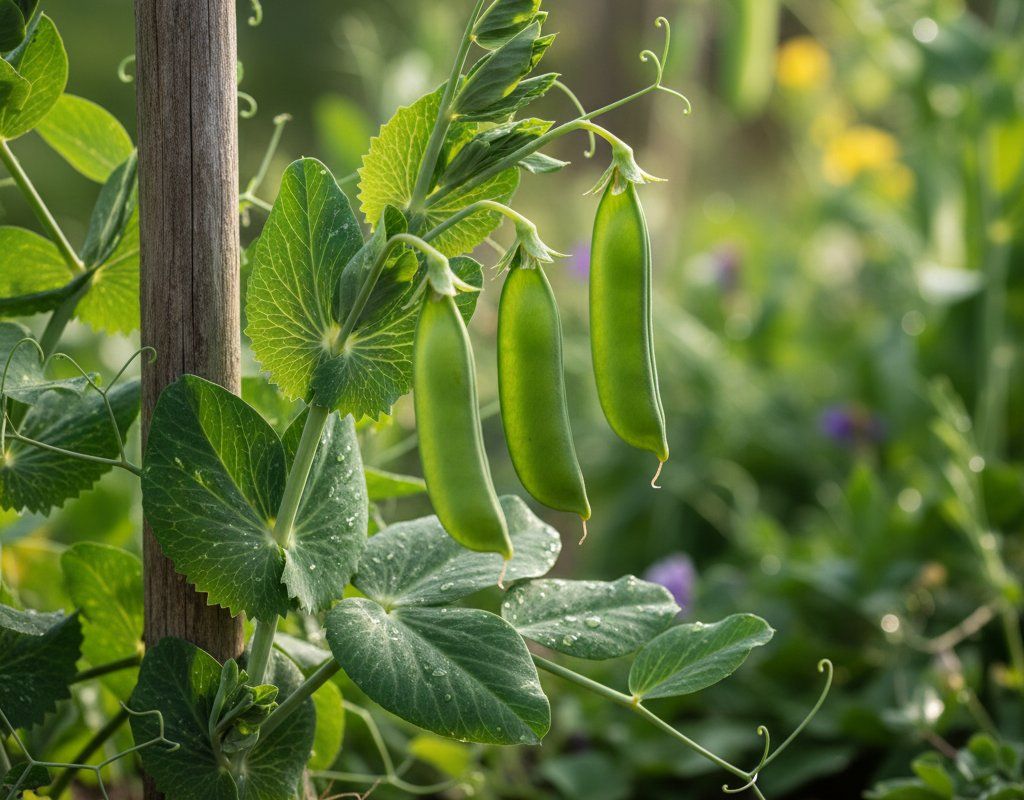
Plant cucumbers and peas near corn as well - they appreciate the light shade corn provides during our intense midday sun. Avoid planting tomatoes near corn, as both are heavy feeders that compete for nutrients, and both attract similar pests like hornworms. In our short growing season, it's better to give each crop the space and resources it needs to thrive.
🌸Best Flowers to Plant with Corn
These flowers protect your Corn from pests and attract pollinators for better harvests.
For Pest Control


Get a Reminder When It's Time to Plant
We'll email you when key planting windows open for your zone.