
Sunflower in Zone 7A — Mountain West
Helianthus annuus · Your Complete 2026 Planting Guide
Planning Ahead — Great!
You’re ahead of the season. Here’s when to start.
Mark Your Calendar
How to Plant Sunflower in Zone 7A — Mountain West
Here are all your options for getting sunflower in the ground, from the easiest method to more advanced approaches.
Direct Sow Seeds
RecommendedMid April through early July
around April 20
Consider succession planting every 2-3 weeks for continuous harvest.
Sunflowers are easy to direct sow and grow quickly.
Buy Starts
Works WellLate April through late May
around April 27
Plant purchased starts after last frost (April 20).
Start Seeds Indoors
Works WellLate March through mid April
around April 6
Then transplant: Late April through late May
Start seeds 3-5 weeks before transplanting outdoors.
Transplant Outdoors
Timing InfoLate April through late May
around April 27
Wait until nighttime temperatures stay above 50°F.
You have a nice window — no need to rush.
Overview
Sunflowers are a fantastic addition to any high-altitude garden. Their bright, cheerful blooms thrive in our intense sun and provide a late-season boost of color. Plus, you can harvest the seeds for snacking or leave them for the birds – a win-win in the Mountain West!
Our short growing season and alkaline soil can present challenges, but with careful timing and a little soil amending, you can absolutely grow gorgeous sunflowers. With our 173-day growing season, you'll be enjoying these beauties from mid-summer well into fall.
Starting Seeds Indoors
Starting sunflowers indoors is possible, but typically not needed in our climate. Because sunflowers prefer direct sowing, only consider indoor starts if you're aiming for an extra-early bloom or have particularly challenging soil conditions.
If starting indoors, begin late March through mid April, about three weeks before your last expected frost. Use seed trays filled with a well-draining potting mix and provide warmth and plenty of light – a sunny windowsill or grow lights work well. Water from the bottom to encourage strong root growth and prevent damping off. Remember our springs can be late, so keep an eye on the forecast!
Transplanting Outdoors
Transplant your sunflower seedlings outdoors late April through late May, once the danger of frost has passed. Before transplanting, harden off your seedlings by gradually exposing them to outdoor conditions for about a week. This helps them adjust to the intense UV and temperature swings of our Mountain climate.
Space your seedlings 18-24 inches apart to allow for adequate growth. Keep an eye out for late-season frosts, which can still occur even after the average last frost date. Be ready to cover your young plants if temperatures dip.
Direct Sowing
Direct sowing is the preferred method for growing sunflowers in the Mountain West. Sunflowers are easy to start from seed and grow quickly when sown directly into the garden.
Sow your sunflower seeds mid April through early July, after the soil has warmed up to at least 60°F. Prepare your planting bed by loosening the soil and amending it with compost to improve drainage and fertility. Plant seeds 1 inch deep and space them 18-24 inches apart. Water gently but thoroughly after planting. Sunflowers need warm soil to germinate, and our intense sun helps speed up the process.
Watering Sunflower in Zone 7A (Mountain West)
Sunflowers are moderately drought-tolerant once established, thanks to their deep taproot. However, regular watering is crucial, especially during the initial growth stages and during prolonged dry spells, which are common in our region.
Water deeply but infrequently, allowing the soil to dry out slightly between waterings. Aim for about 1 inch of water per week, depending on rainfall. Use the "finger test" – if the top 2 inches of soil feel dry, it's time to water. Water at the base of the plant to avoid wetting the foliage, which can encourage fungal diseases in our dry climate.
During the hottest part of the summer, you may need to water more frequently, but be careful not to overwater. Signs of underwatering include wilting leaves and stunted growth. Overwatering can lead to root rot, indicated by yellowing leaves and a mushy stem. Applying a layer of mulch around the base of your sunflowers helps retain moisture and regulate soil temperature.
🧪Fertilizing Sunflower
Feeding Schedule
Organic Fertilizer Options
Harvest Time
You can expect your first sunflower harvest from early July through early October, about 80 days after planting. For seeds, wait until the back of the flower head turns brown and the seeds are plump and easily removed.
To harvest the seeds, cut the flower head off the stalk and hang it upside down in a dry, well-ventilated place until the seeds are completely dry. For cut flowers, harvest when the petals first open. Cut the stem at an angle and place the flowers in water immediately.
As our first frost approaches in early October, harvest any remaining flower heads, even if they are not fully mature. You can dry the seeds indoors or enjoy the remaining blooms in a vase.
Common Problems in Zone 7A (Mountain West)
Here are some common problems you might encounter with sunflowers in the Mountain West:
Birds Eating Seeds *What it looks like:* Seed heads stripped bare, seeds missing. *What causes it:* Birds are attracted to the seeds, especially as they ripen. *How to fix/prevent it:* Cover the flower heads with netting or burlap bags as the seeds mature. You can also try using bird deterrents, like reflective tape or decoys.
Sunflower Moth *What it looks like:* Small caterpillars feeding on the developing seeds and flower heads. You may also see webbing and frass (caterpillar droppings). *What causes it:* Sunflower moths lay their eggs on the flower heads, and the larvae hatch and feed on the seeds. *How to fix/prevent it:* Inspect flower heads regularly for signs of infestation. Remove and destroy any infested heads. You can also use insecticidal soap or Bacillus thuringiensis (Bt) to control the larvae.
Downy Mildew *What it looks like:* Yellow patches on leaf tops with fuzzy gray-purple growth on undersides. Leaves brown and die from the bottom up. *What causes it:* Oomycete pathogen that spreads in cool, humid conditions via wind-carried spores. While our humidity is low, occasional wet springs can create favorable conditions. *How to fix/prevent it:* Remove affected leaves immediately. Improve air circulation by spacing plants properly. Water at the base, never overhead. Copper-based fungicides can be used for prevention. Plant resistant varieties where available.
Mountain West Specific Challenges: Our moderate-at-altitude heat, low humidity, and dry rainfall generally help minimize fungal diseases in sunflowers, but vigilance is still key. The intense UV can also stress young plants, so provide some afternoon shade during the hottest part of the day.
Best Companions for Sunflower
Plant these nearby for healthier Sunflower and better harvests.




Keep Away From

Companion Planting Details
Companion planting can help your sunflowers thrive in the Mountain West.
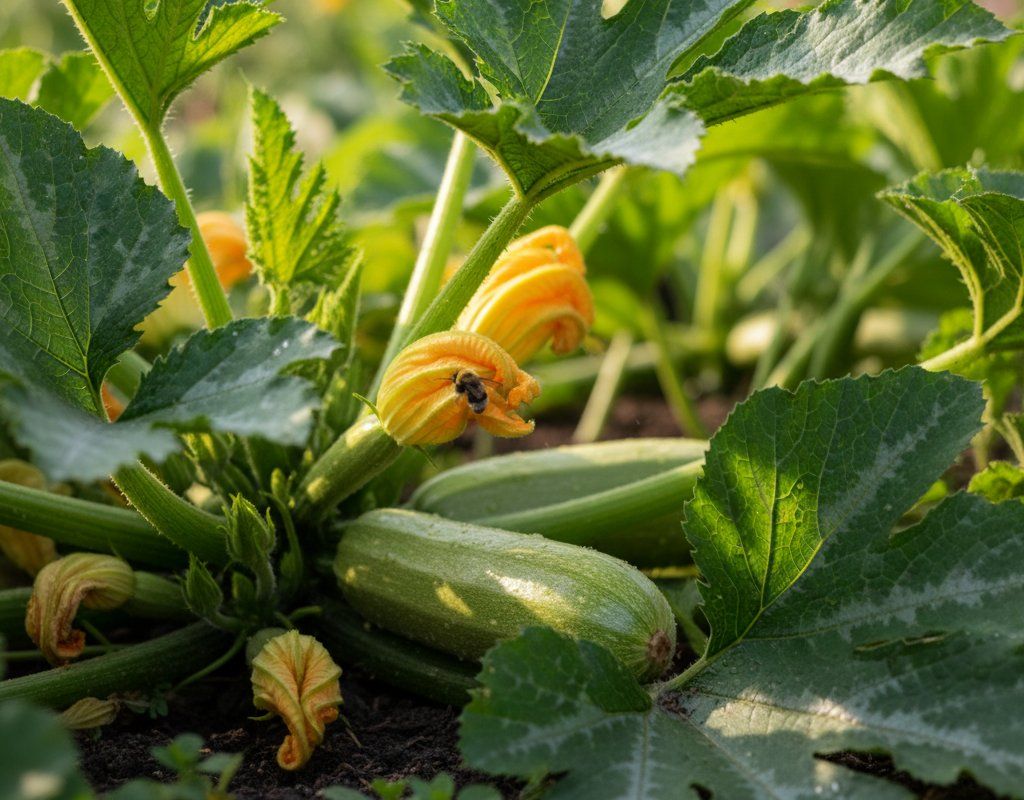
Good companions for sunflowers include cucumbers, squash, and green beans. Cucumbers and squash provide ground cover, which helps retain moisture in our dry climate and suppress weeds. Green beans fix nitrogen in the soil, which benefits sunflowers. Corn provides a natural trellis for climbing sunflowers. Lettuce can be planted in the shade of sunflowers to protect them from the intense sun.
Avoid planting potatoes near sunflowers. Potatoes are heavy feeders and can compete with sunflowers for nutrients in our often-alkaline soils.
🥬Best Vegetables to Pair With Sunflower
Sunflower benefits these vegetables through pest control, pollinator attraction, or improved garden health.



Get a Reminder When It's Time to Plant
We'll email you when key planting windows open for your zone.