
Cosmos in Zone 6A — Pacific Northwest
Cosmos bipinnatus · Your Complete 2026 Planting Guide
Planning Ahead — Great!
You’re ahead of the season. Here’s when to start.
Mark Your Calendar
How to Plant Cosmos in Zone 6A — Pacific Northwest
Here are all your options for getting cosmos in the ground, from the easiest method to more advanced approaches.
Direct Sow Seeds
RecommendedEarly May through early August
around May 10
Consider succession planting every 2-3 weeks for continuous harvest.
Cosmos is easy to direct sow and doesn't need a head start.
Buy Starts
Works WellLate May through early July
around May 24
Plant purchased starts after last frost (May 10).
Start Seeds Indoors
Works WellMid April through early May
around April 26
Then transplant: Late May through early July
Start seeds 4-6 weeks before transplanting outdoors.
Transplant Outdoors
Timing InfoLate May through early July
around May 24
Wait until nighttime temperatures stay above 50°F.
You have a nice window — no need to rush.
Overview
Cosmos are fantastic for adding a burst of color to your garden, and they're surprisingly easy to grow here in the Pacific Northwest. Their airy foliage and cheerful blooms attract pollinators, and the cool nights we often have seem to intensify their colors. Plus, they make excellent cut flowers, bringing the beauty of the garden indoors.
While our mild summers and wet springs present some unique gardening challenges, Cosmos are well-suited to our climate if you time things right. With our roughly 148-day growing season, you can easily enjoy a long season of blooms by direct sowing at the right time.
Starting Seeds Indoors
Starting Cosmos indoors isn't usually necessary in the PNW, as they germinate easily outdoors. However, if you're aiming for the earliest possible blooms, you can start seeds indoors from mid-April through early May. This gives you about 4 weeks to get them going before transplanting.
Use seed trays filled with a good seed-starting mix, and keep them consistently moist, using bottom watering to avoid disturbing the tiny seeds. A warm location and grow lights will help ensure strong, healthy seedlings. Just remember that our overcast spring days can lead to leggy seedlings if they don't get enough light.
Transplanting Outdoors
Transplant your Cosmos seedlings outdoors from late May through early July, once the danger of frost has passed. Before planting, harden them off by gradually exposing them to outdoor conditions for about a week. This prevents transplant shock.
Space them 12-18 inches apart in a sunny spot. Keep an eye on the weather forecast. Even in late May, we can still get unexpected cool snaps that might stress young transplants.
Direct Sowing
Direct sowing is the preferred and easiest method for growing Cosmos in the Pacific Northwest. Sow seeds directly into the garden from early May through early August. This gives you a long window to stagger plantings for continuous blooms.
Choose a sunny spot with well-draining soil. Gently loosen the soil and remove any weeds. Sow seeds about ¼ inch deep and space them 12-18 inches apart. Keep the soil consistently moist until the seedlings emerge, usually within a week or two.
Watering Cosmos in Zone 6A (Pacific Northwest)
Cosmos are drought-tolerant and thrive with minimal watering, making them perfect for our dry summer months in the PNW. In spring, with our frequent rainfall, you likely won't need to water them at all unless we have an unusually dry spell. Once summer arrives, and the rains stop, check the soil moisture regularly.
Stick your finger about 2 inches deep into the soil near the base of the plant. If it feels dry, it's time to water. Aim for about 1 inch of water per week, either from rainfall or irrigation. Water at the base of the plants to avoid wetting the foliage, which can help prevent fungal diseases in our region.
Overwatering is a more common problem than underwatering with Cosmos. Yellowing leaves can indicate overwatering, while drooping leaves can mean they need a drink. A light layer of mulch around the base of the plants can help retain moisture and suppress weeds.
Pruning & Maintaining Cosmos
Deadheading is essential for keeping your Cosmos blooming throughout the season. As flowers fade, cut the stem back to just above a leaf node. This encourages the plant to produce more blooms instead of setting seed.
Pinch back young plants when they are about 6 inches tall to encourage bushier growth. This will give you more stems and ultimately more flowers. In early October, as the first frost approaches, you can let the last flowers go to seed if you want to collect them for next year.
🧪Fertilizing Cosmos
Feeding Schedule
Organic Fertilizer Options
Harvest Time
You can expect your first Cosmos blooms in late June if you started early or in early to mid-July from later sowings. Harvest flowers for bouquets from late June through early October. Cut the stems when the petals have just begun to open. This will ensure a long vase life.
To harvest, use sharp scissors or pruners to cut the stem at an angle, leaving several inches of stem on the plant to encourage new growth. Regular harvesting encourages the plant to produce even more flowers. As the first frost approaches in early October, gather any remaining blooms before they are damaged. You can also allow some flower heads to dry on the plant to collect seeds for next spring.
Common Problems in Zone 6A (Pacific Northwest)
Here are a few common problems you might encounter with Cosmos in the Pacific Northwest:
Flopping in Rich Soil
- What it looks like: Tall, leggy plants that fall over easily, especially after rain or wind.
- What causes it: Overly fertile soil, particularly with too much nitrogen. Cosmos prefer lean soil.
- How to fix/prevent it: Amend soil with sand to improve drainage. Avoid high-nitrogen fertilizers. Stake plants if necessary.
Aphids
- What it looks like: Clusters of tiny soft-bodied insects (green, black, or white) on stems and leaf undersides. Sticky honeydew residue. Curled or distorted new growth.
- What causes it: Rapid-reproducing sap-sucking insects. Populations explode in warm weather. Ant colonies may farm them for honeydew.
- How to fix/prevent it: Strong water spray knocks them off. Encourage ladybugs and lacewings (natural predators). Insecticidal soap for heavy infestations. Neem oil works systemically. Avoid excess nitrogen fertilizer (it attracts them).
Powdery Mildew
- What it looks like: White or grayish powdery coating on leaves, stems, and sometimes fruit. Leaves curl, yellow, and die. Reduces plant vigor.
- What causes it: Various fungi that thrive in warm days, cool nights, and moderate humidity. Dry leaf surfaces actually favor it (unlike most fungi).
- How to fix/prevent it: Improve air circulation through spacing and pruning. Remove affected leaves. Neem oil or potassium bicarbonate sprays help. Milk spray (1 part milk to 9 parts water) is surprisingly effective. Plant resistant varieties.
Pacific Northwest Specific Challenges: Our mild summers and dry-summer rainfall can actually help with Cosmos, as they don't need a lot of water and are less susceptible to fungal diseases than in more humid climates. However, our cool springs can slow down initial growth, and late blight, while not a direct threat to Cosmos, can spread if you are growing tomatoes and potatoes nearby. Slug pressure is a constant battle in the PNW.
Best Companions for Cosmos
Plant these nearby for healthier Cosmos and better harvests.
View Full Companion Planting Chart →


Companion Planting Details
Cosmos make great companions in the Pacific Northwest garden. They attract pollinators, which benefit many other plants.
Good companions include:
- Tomatoes and Peppers: Cosmos attract beneficial insects that prey on pests that can harm tomatoes and peppers.
- Green Beans: Cosmos can help deter bean beetles.
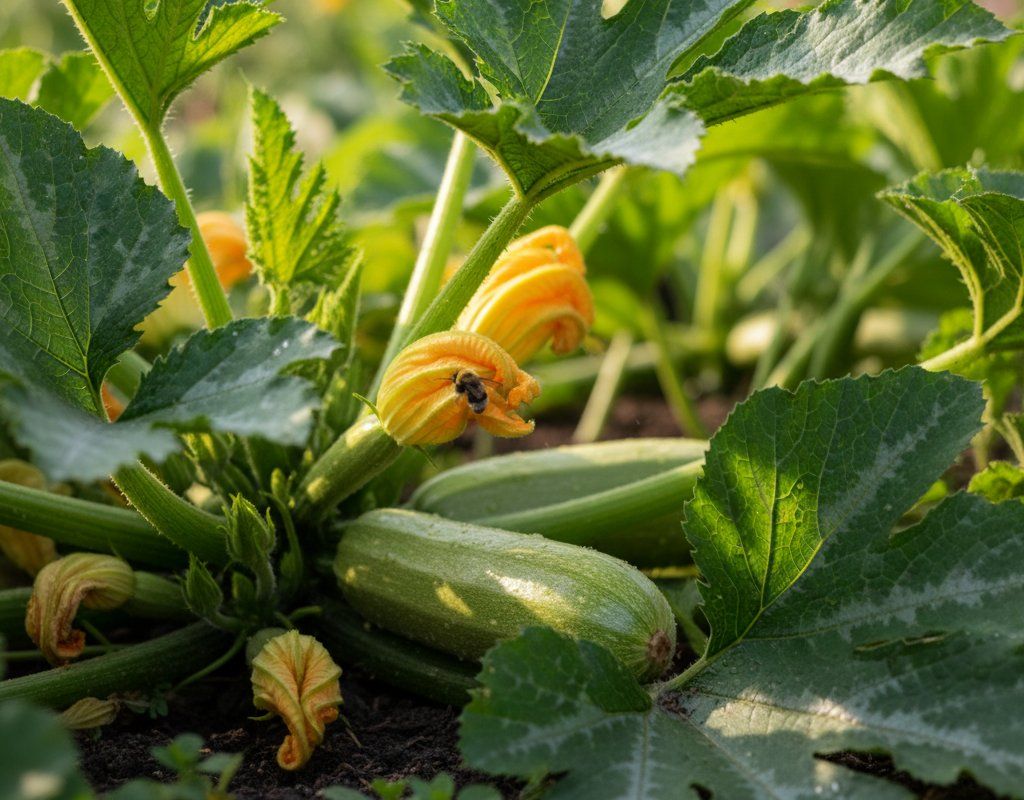
- Squash: Pollinators attracted to Cosmos will also visit squash flowers, improving fruit set.
Avoid planting Cosmos near plants that prefer very rich soil, as Cosmos thrive in leaner conditions.
🥬Best Vegetables to Pair With Cosmos
Cosmos benefits these vegetables through pest control, pollinator attraction, or improved garden health.






Get a Reminder When It's Time to Plant
We'll email you when key planting windows open for your zone.