Gardening in Zone 6A — Pacific Northwest
Zone 6A offers gardeners a delightful, moderate growing environment with just enough challenge to keep things interesting. Your growing season stretches around 173 days, giving you plenty of time to cultivate a wide variety of crops from juicy tomatoes to crisp peppers and leafy greens. This zone allows you to grow everything from heat-loving summer vegetables to cool-season brassicas and root crops.
The primary challenge in Zone 6A is managing unexpected temperature swings, particularly early spring warm spells that can trick plants into budding too soon. Your winters hover around -10 to -5°F, which means you'll need hardy plant varieties and smart protection strategies. The upside? You get to experience a true four-season gardening experience with opportunities for both spring and fall crop production.
✓ Regional Advantages
- • Few pest pressures
- • Cool nights improve flavor
- • Long mild fall
- • Less watering needed
⚠ Regional Challenges
- • Late blight
- • Cool soil in spring
- • Short heat for warm-season crops
- • Slugs
Pacific Northwest Climate Profile
Mild, dry summers with wet, mild winters
Best Plants for Zone 6A
102 plants thrive in Zone 6A's 148-day growing season. Click any plant for zone-specific planting dates.
🍅Fruiting Vegetables (37)
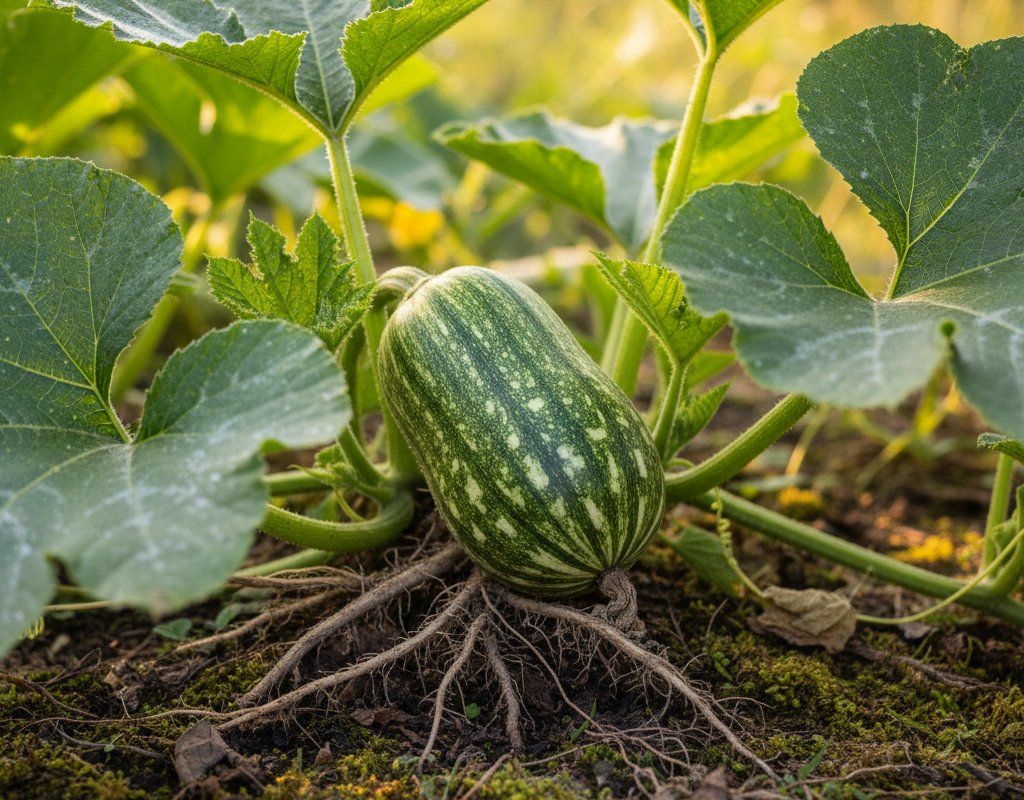
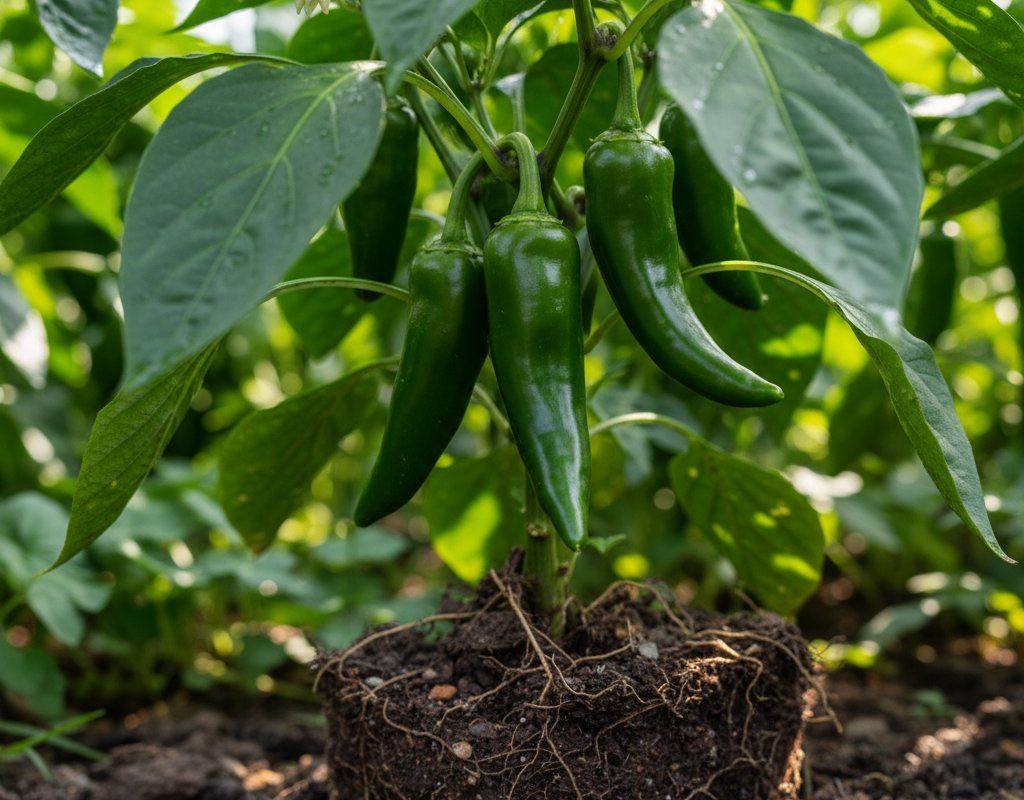
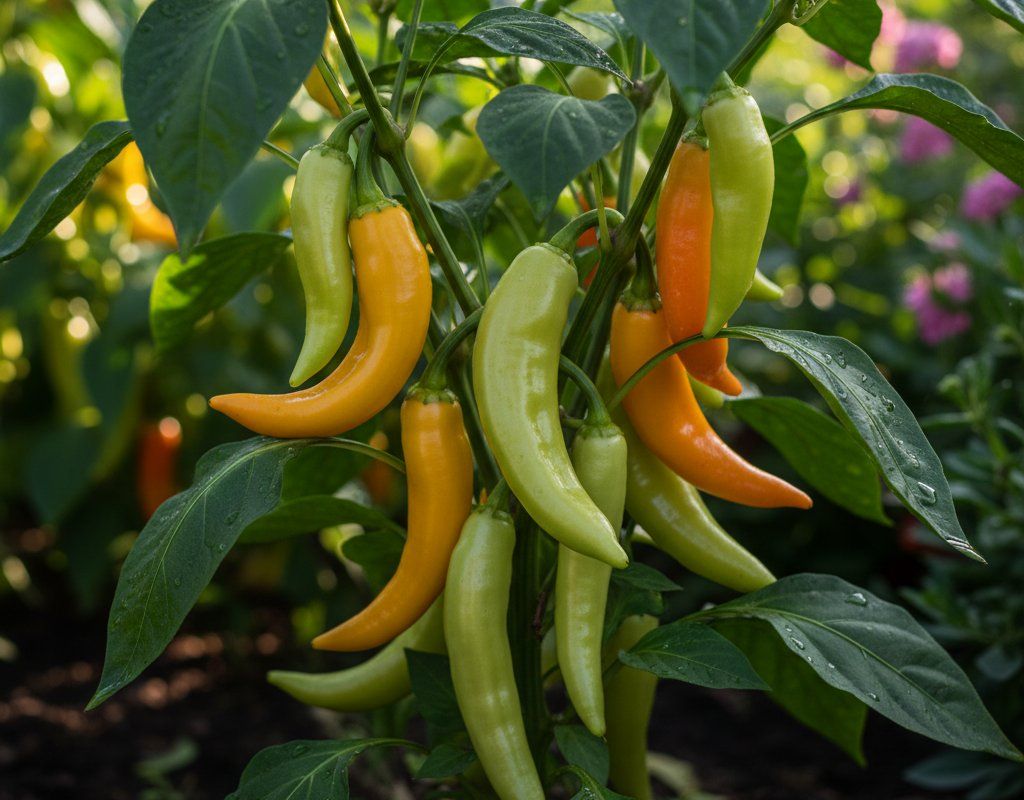
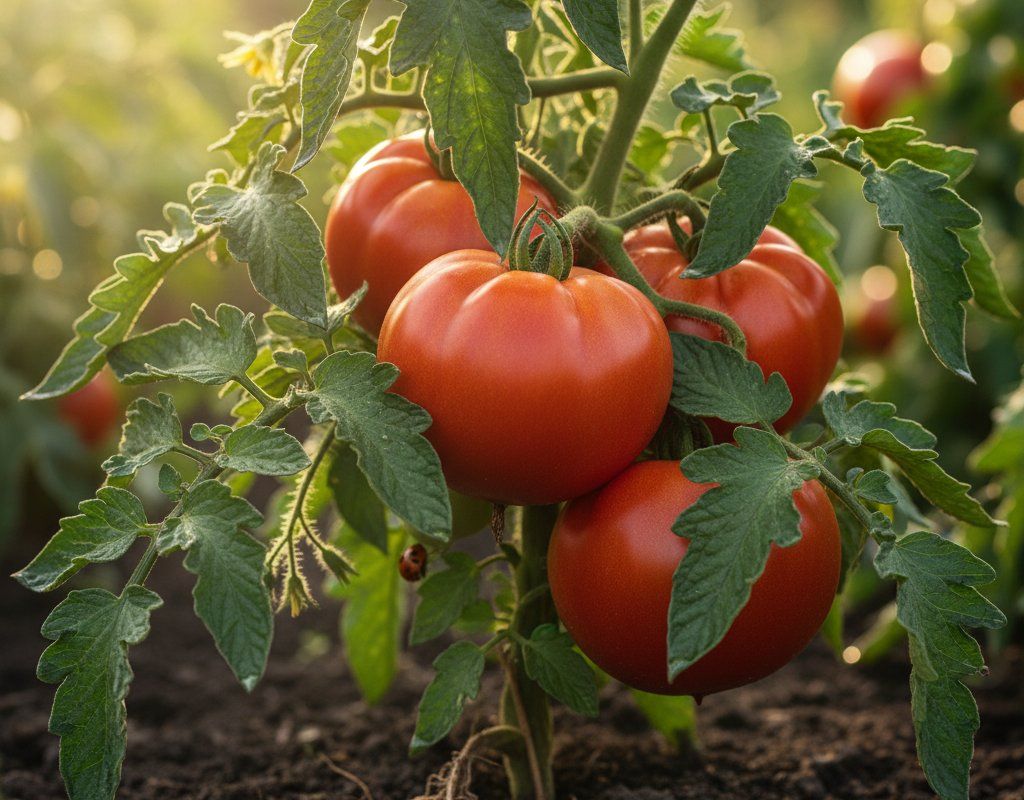
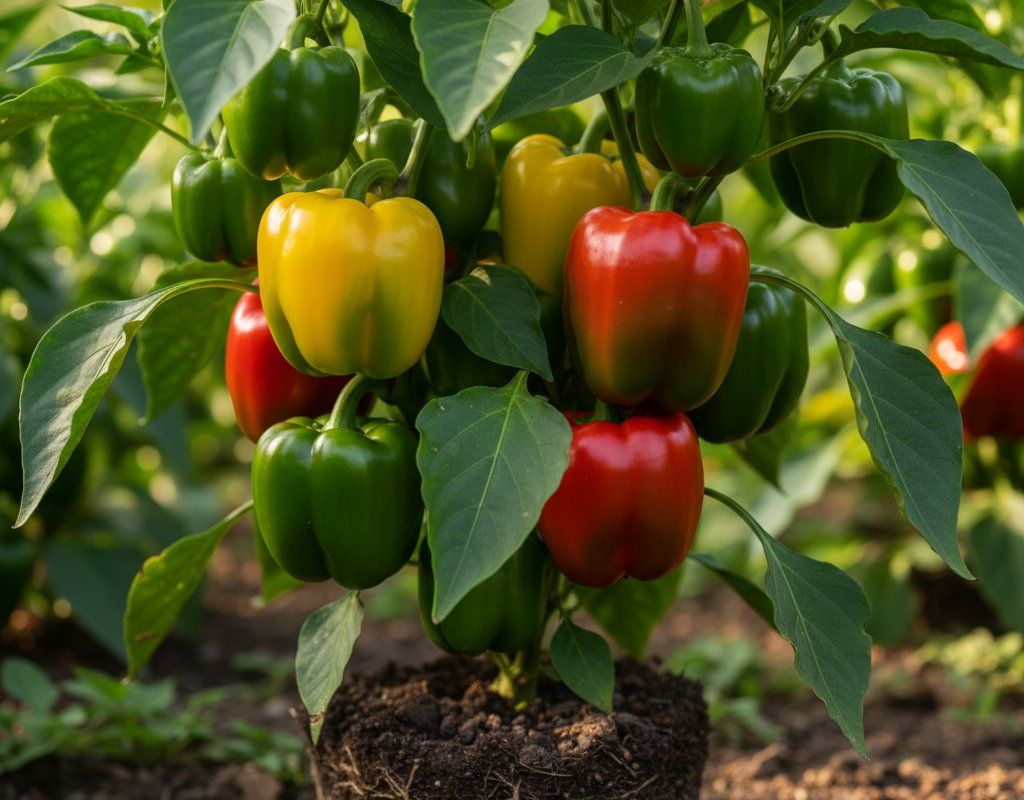
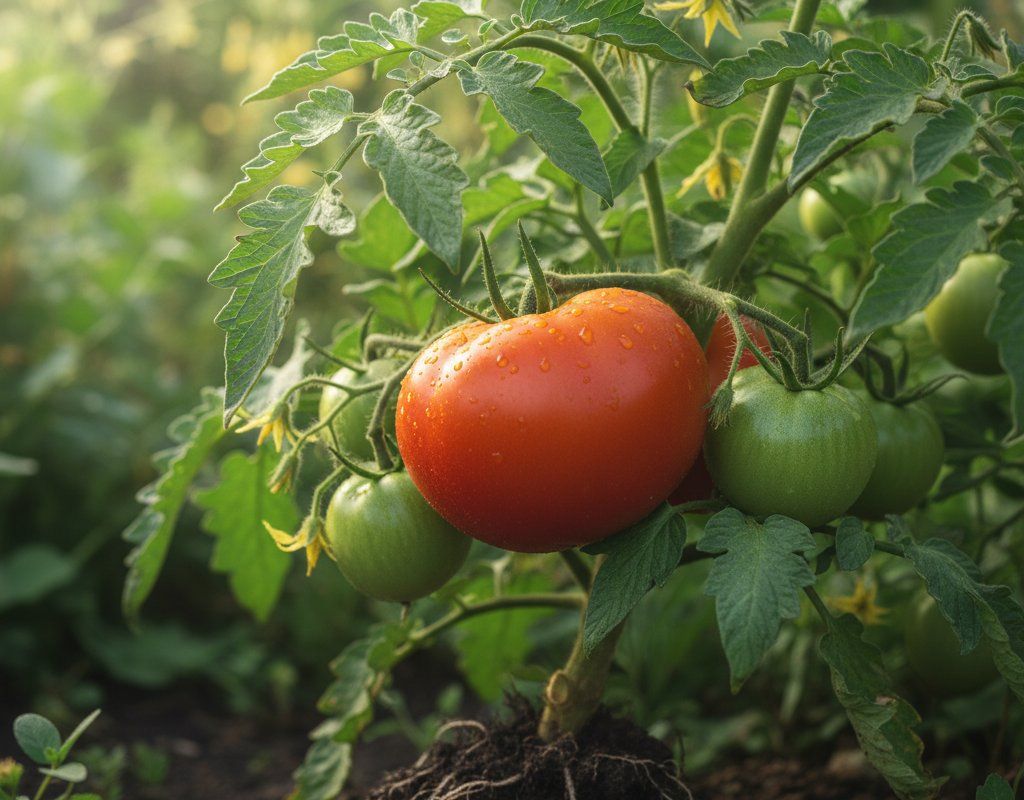
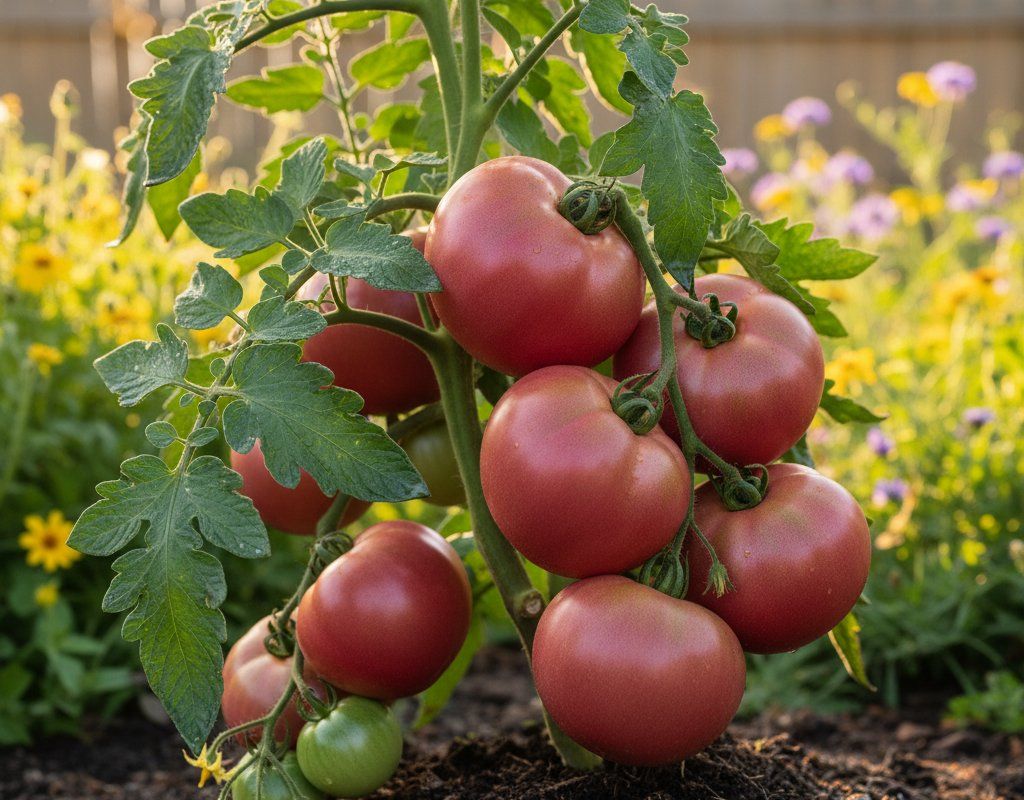
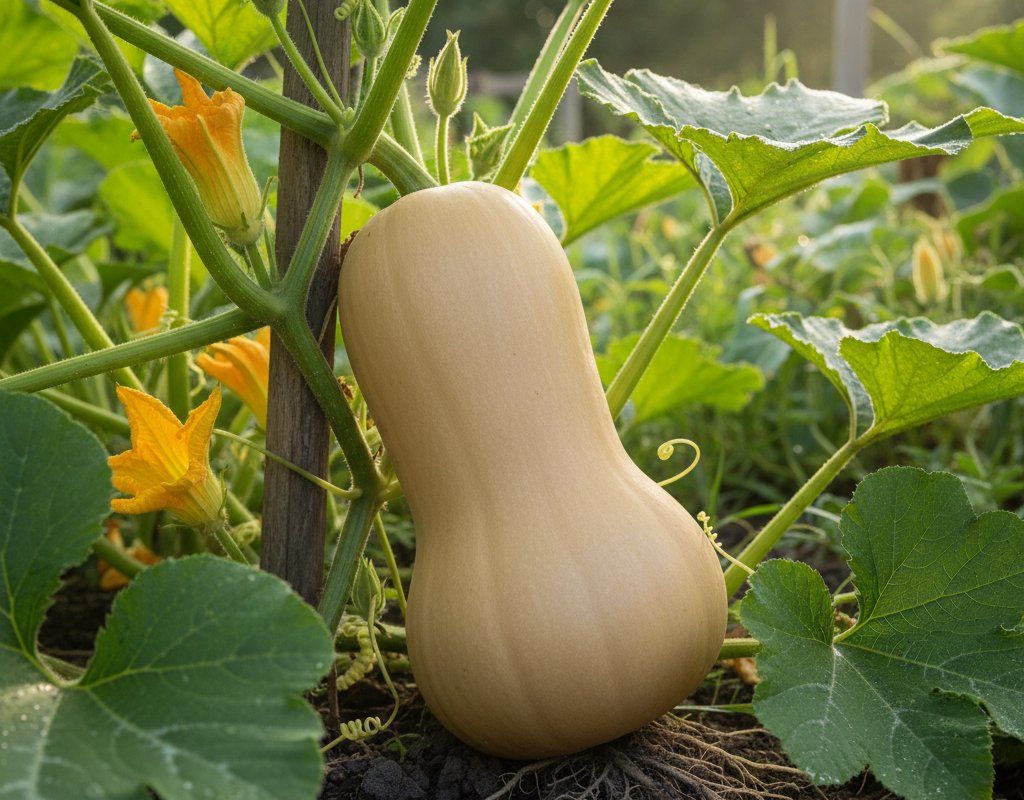
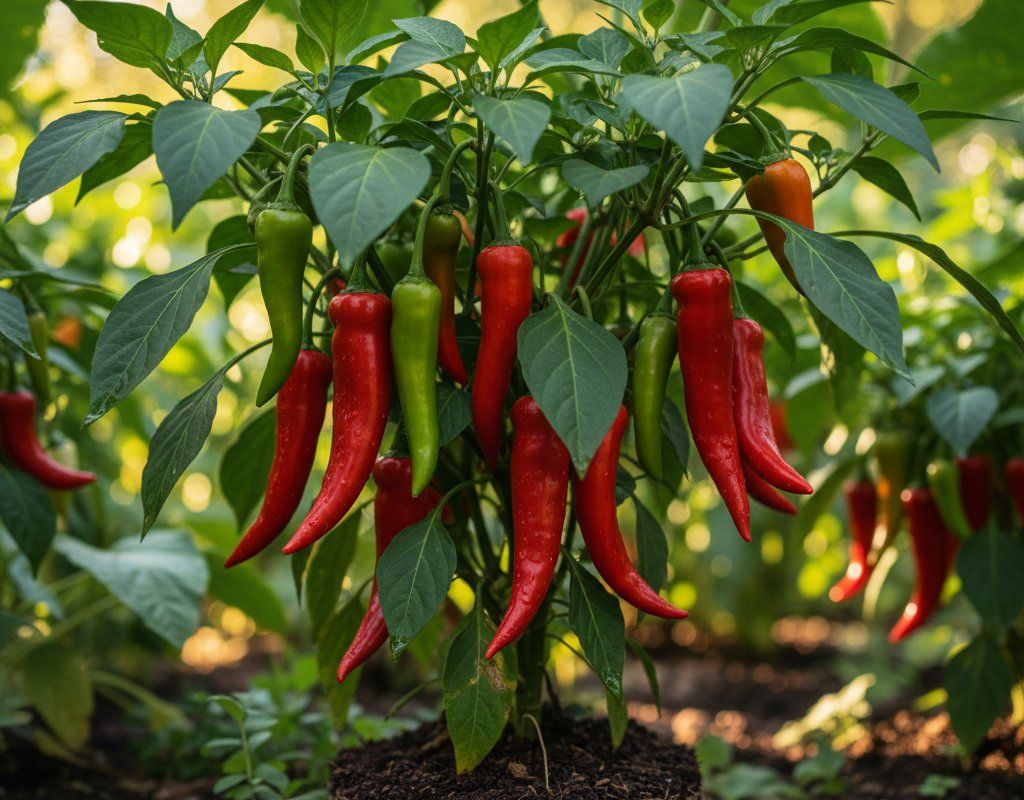
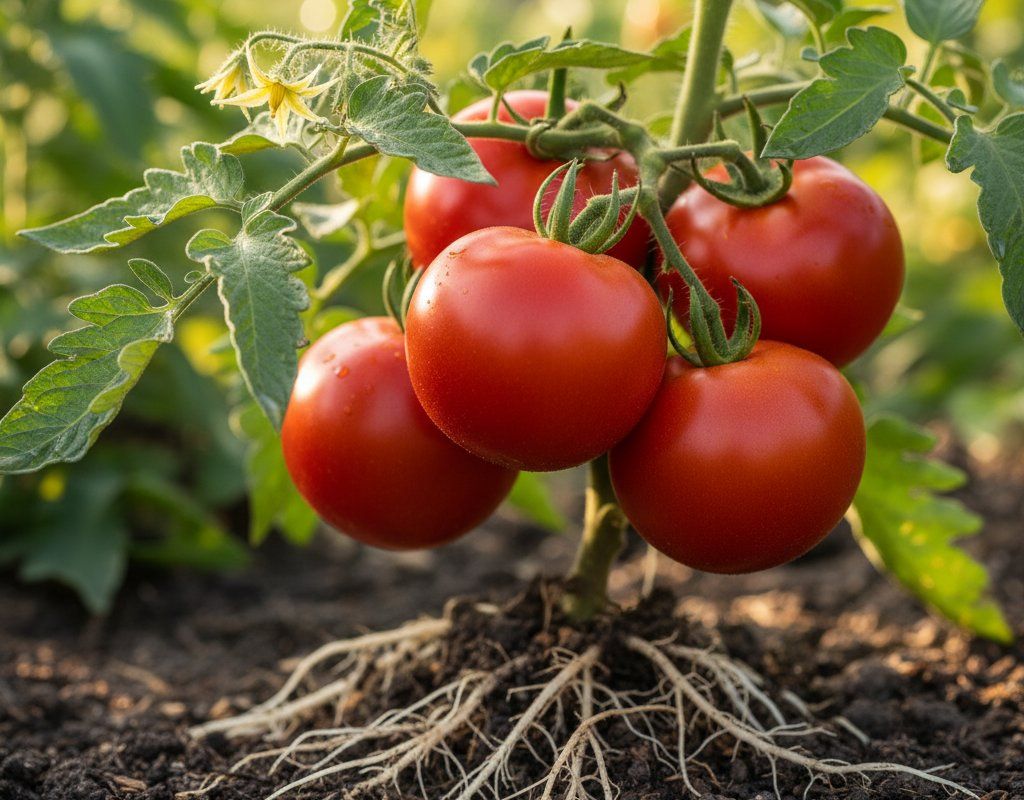

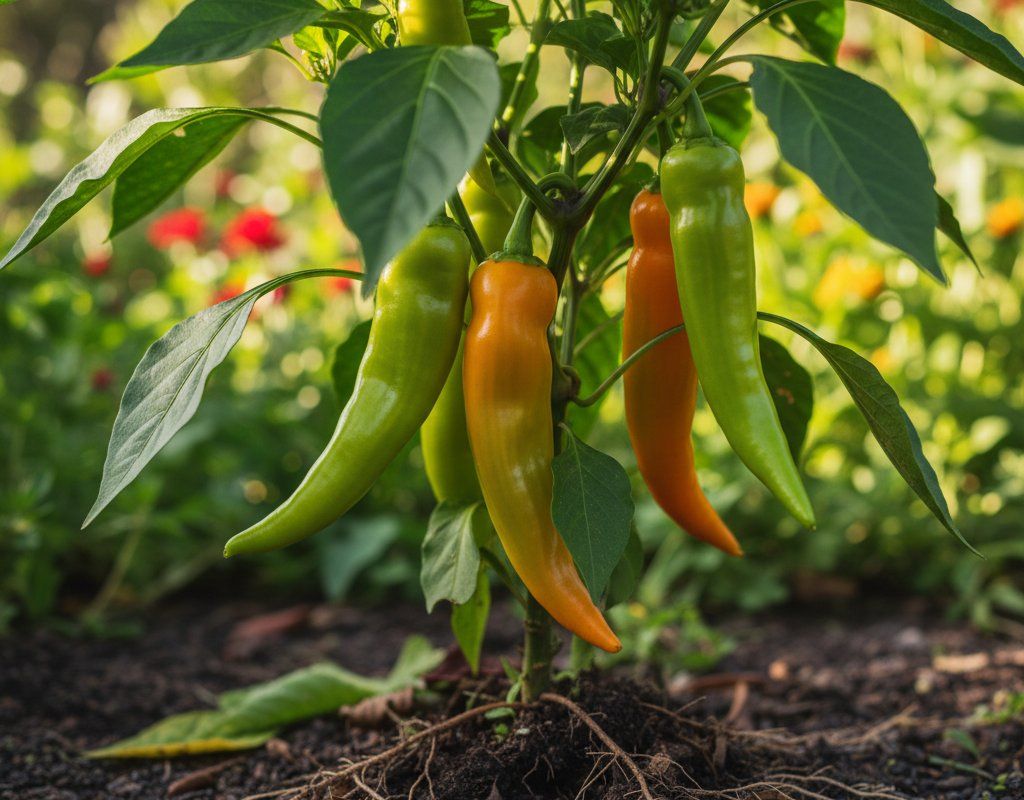

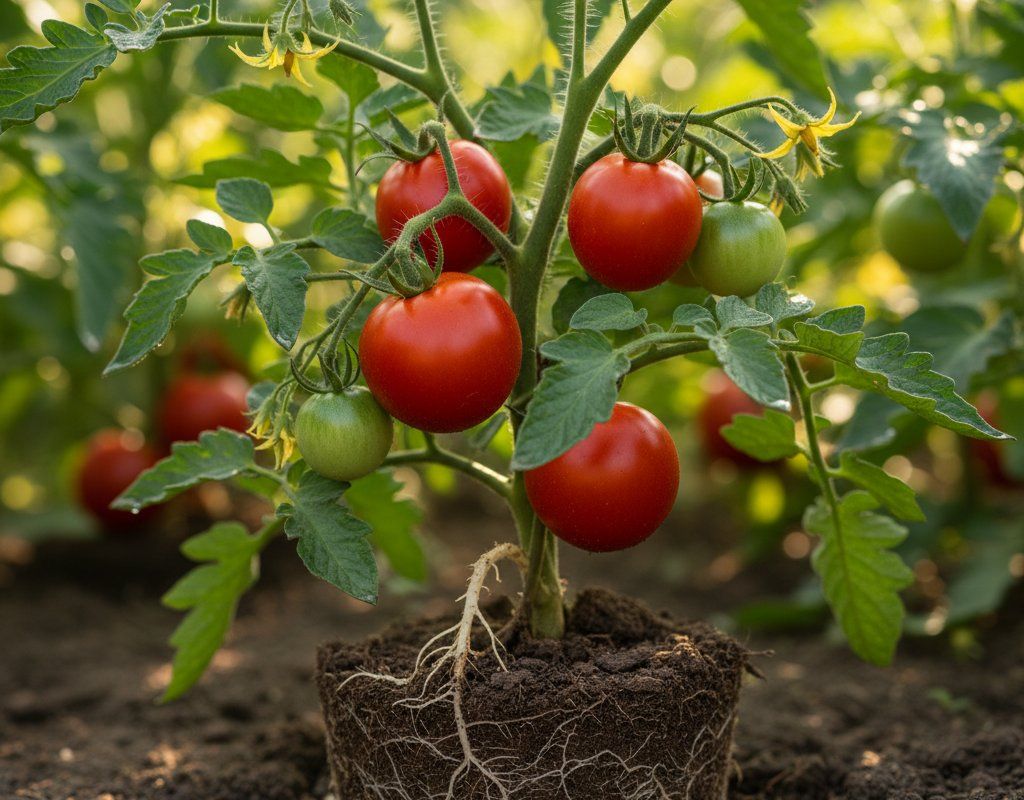
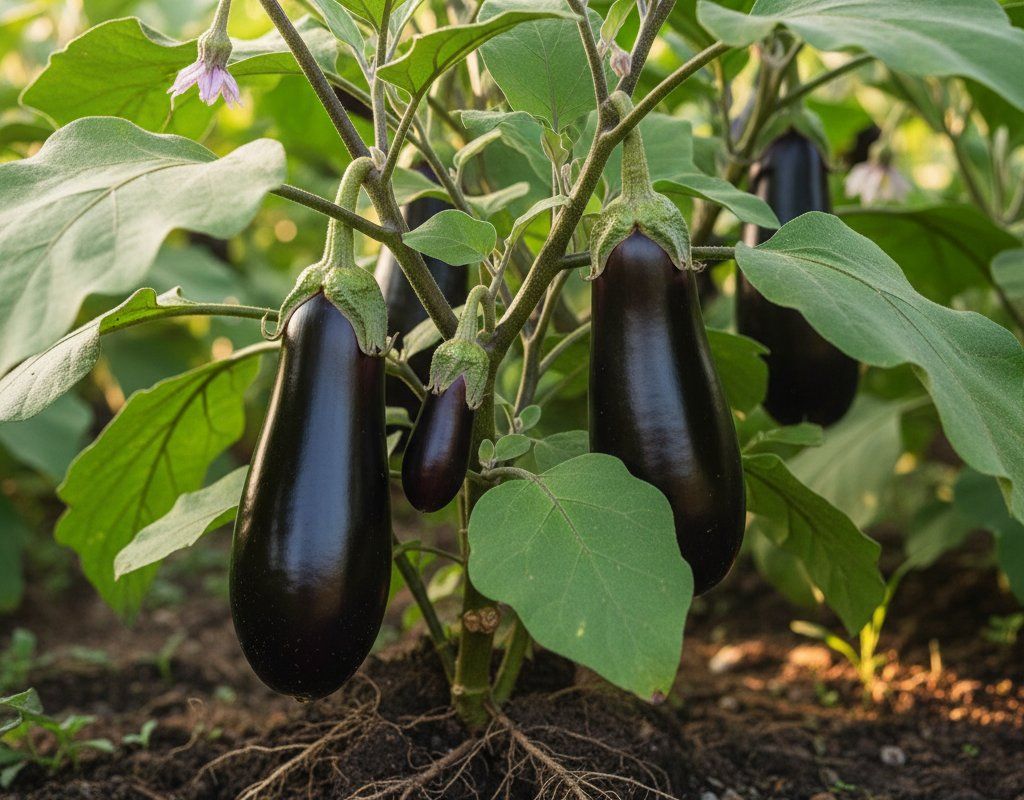

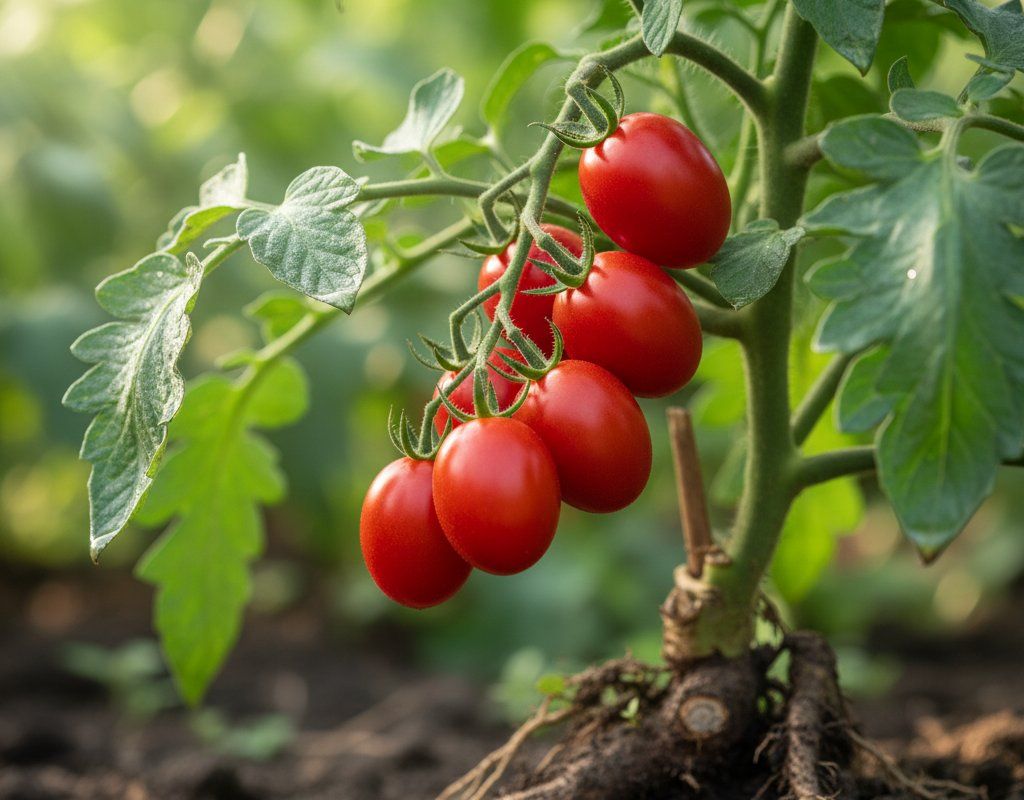
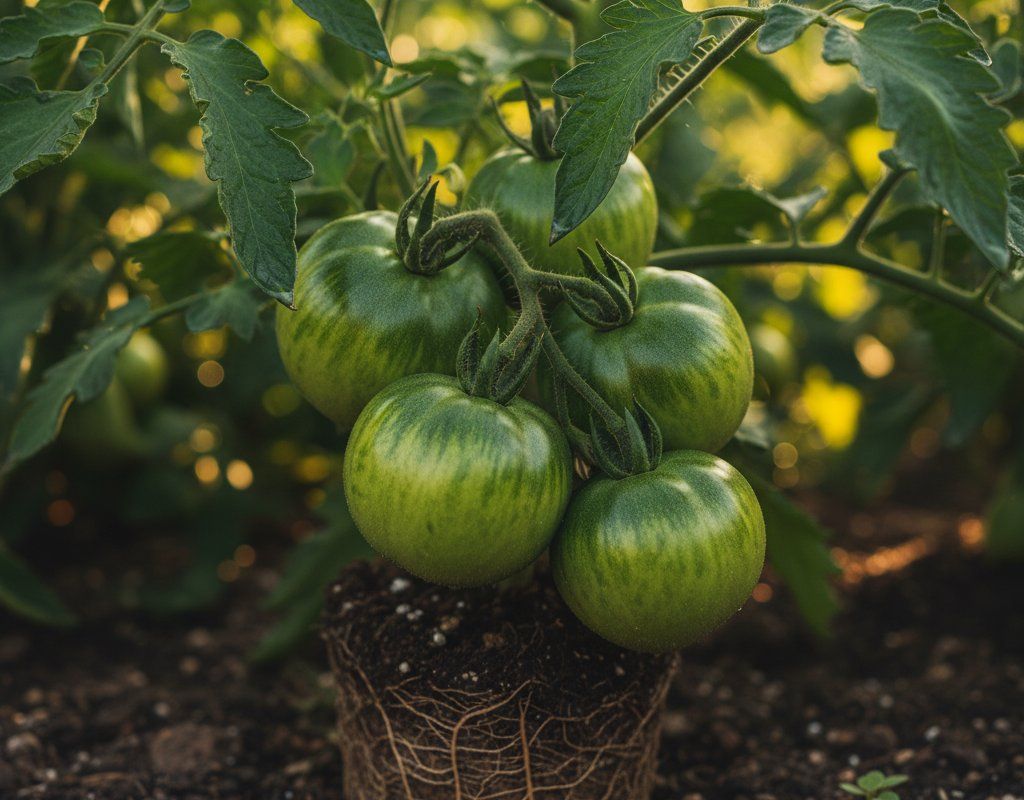
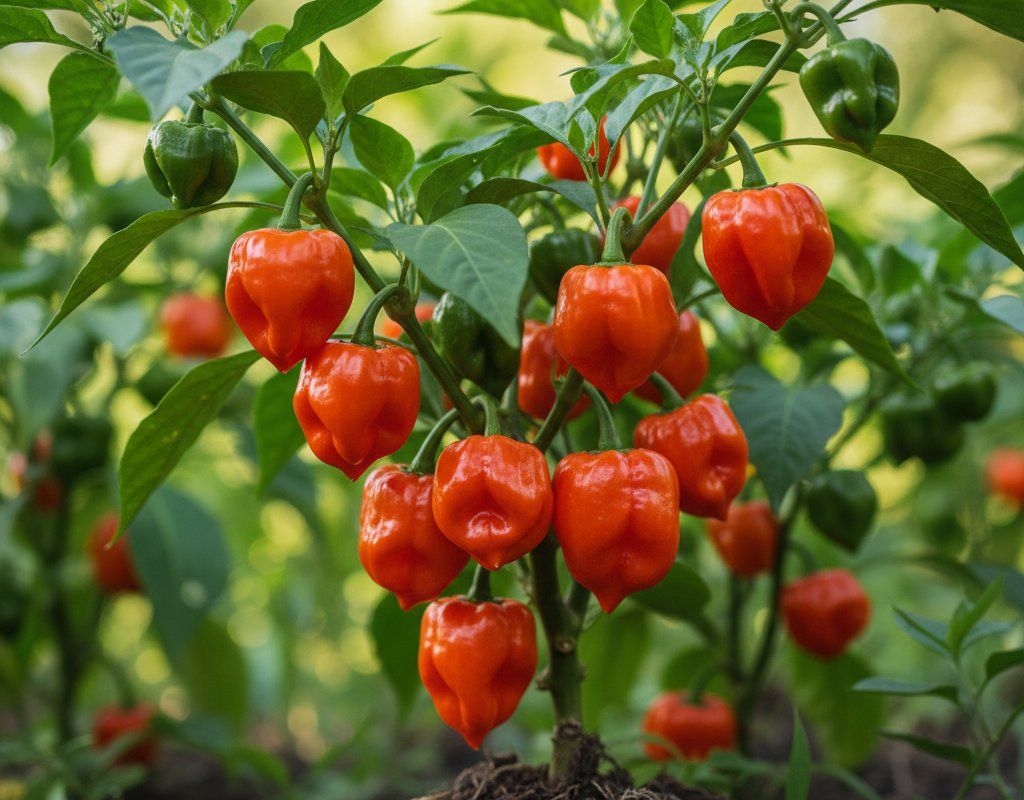
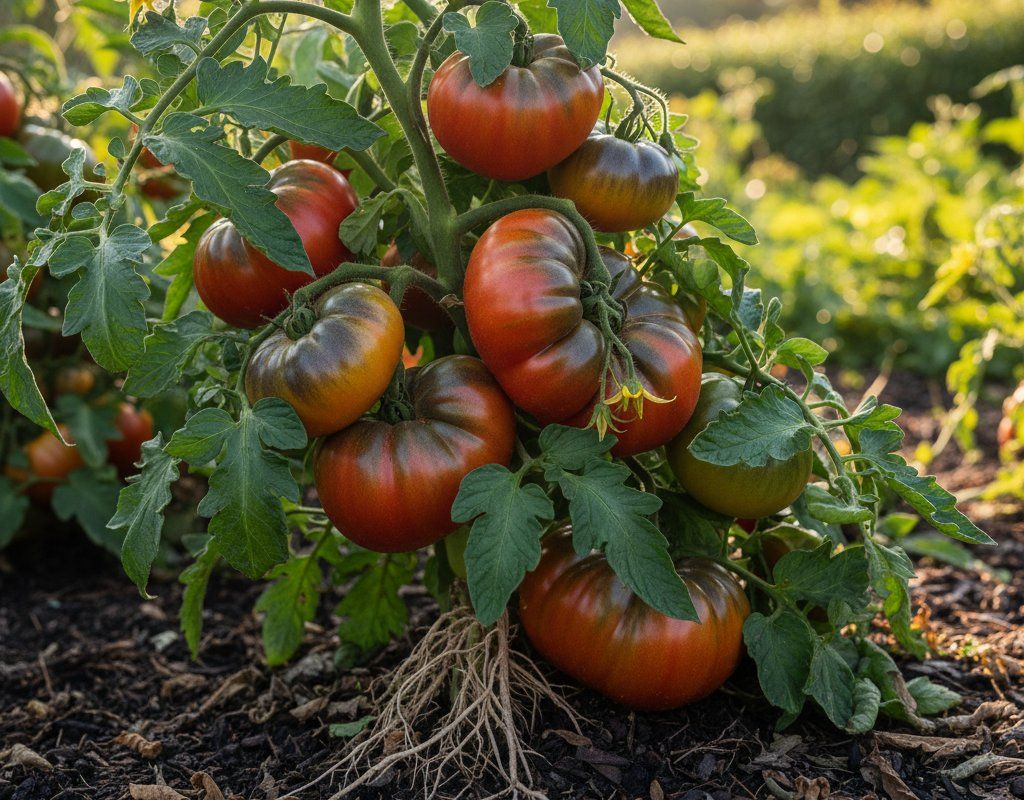
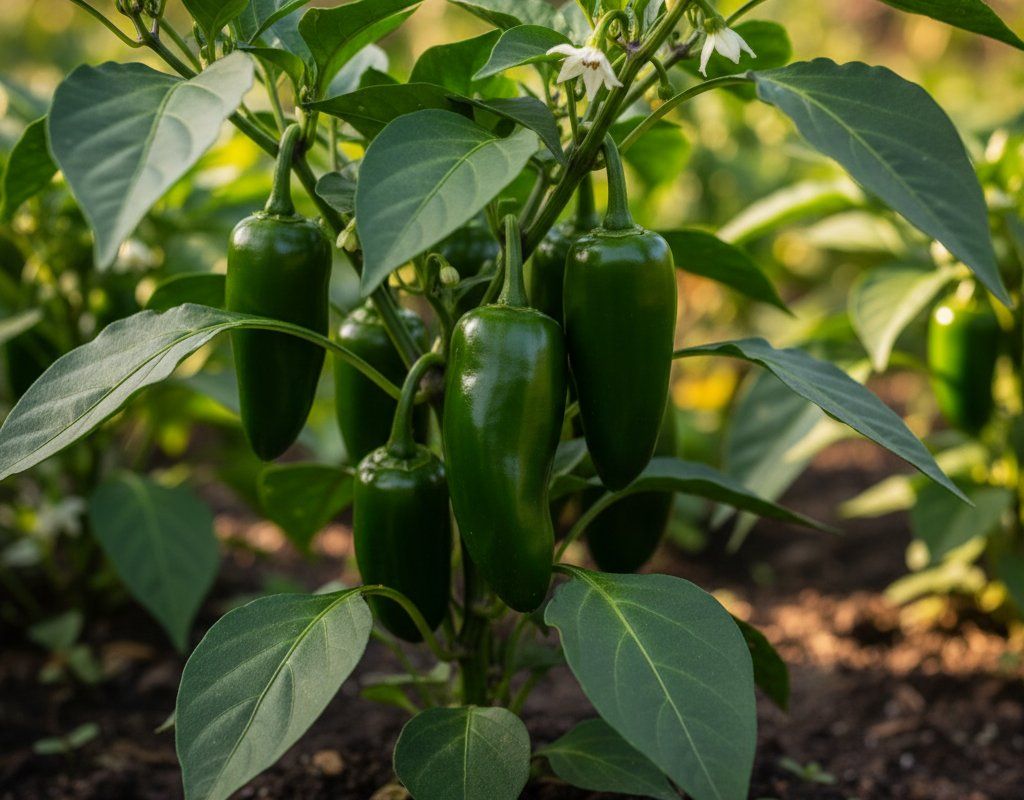

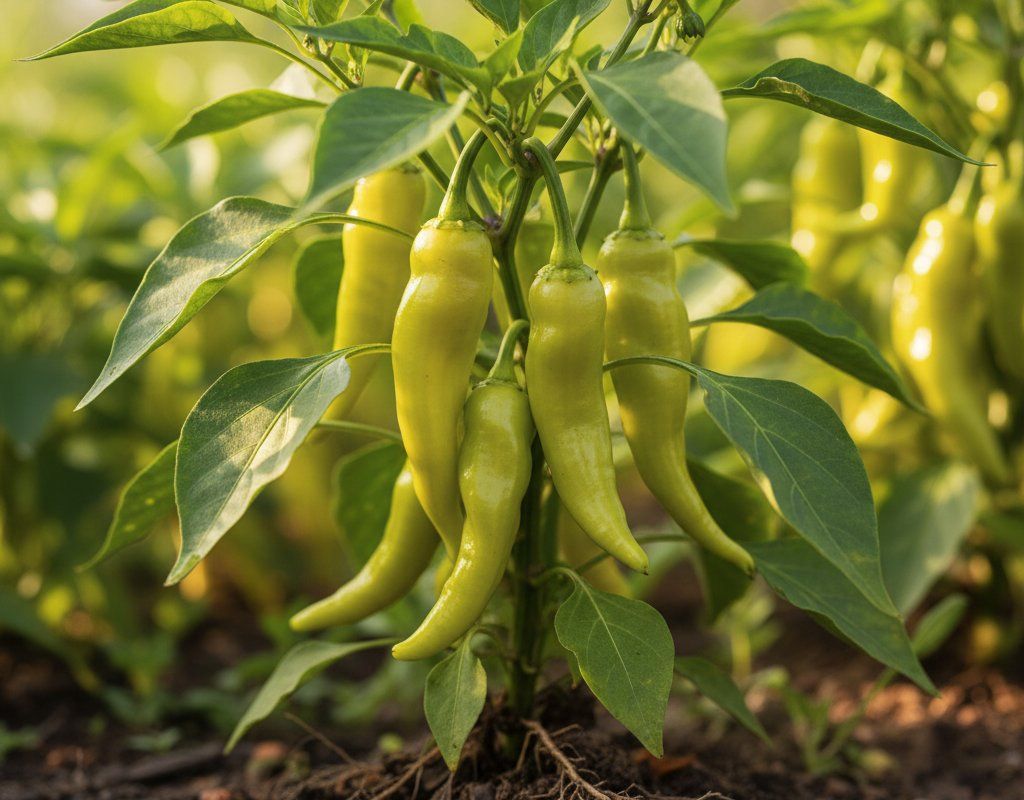
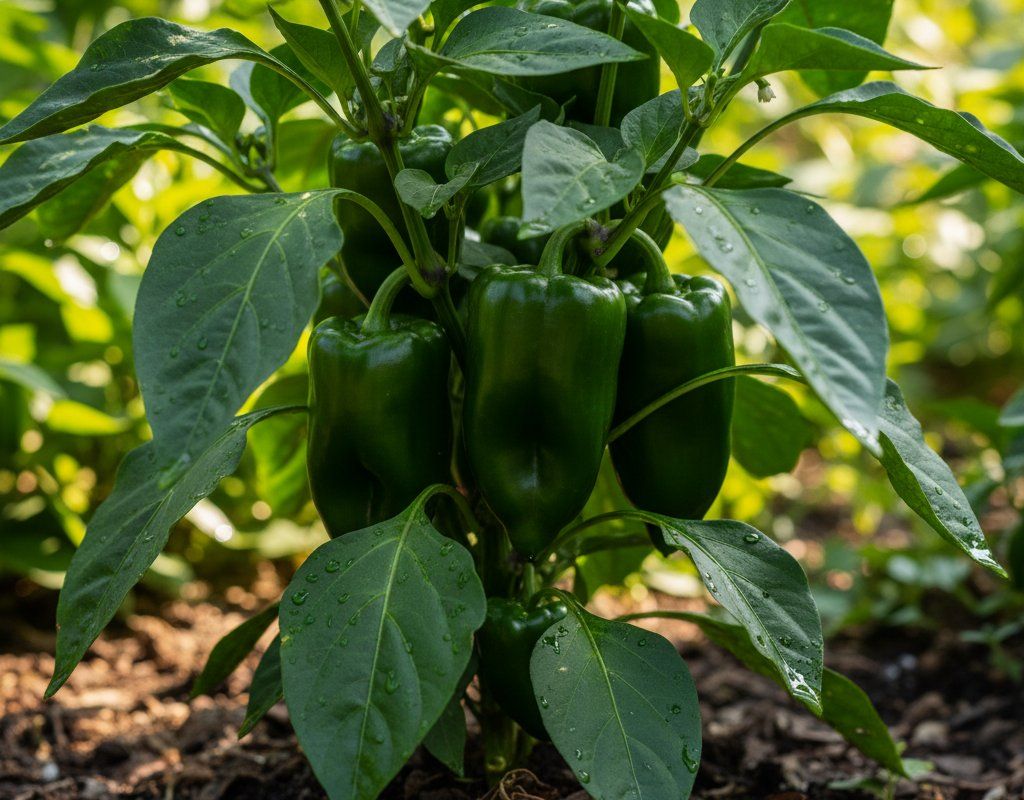

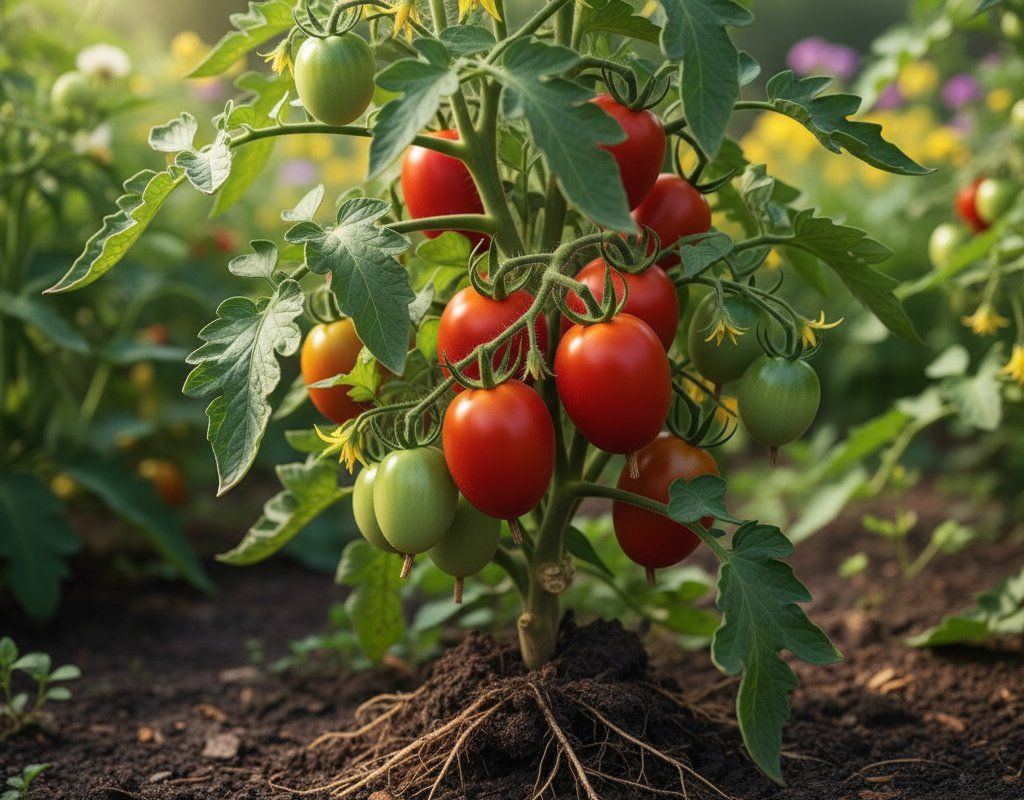
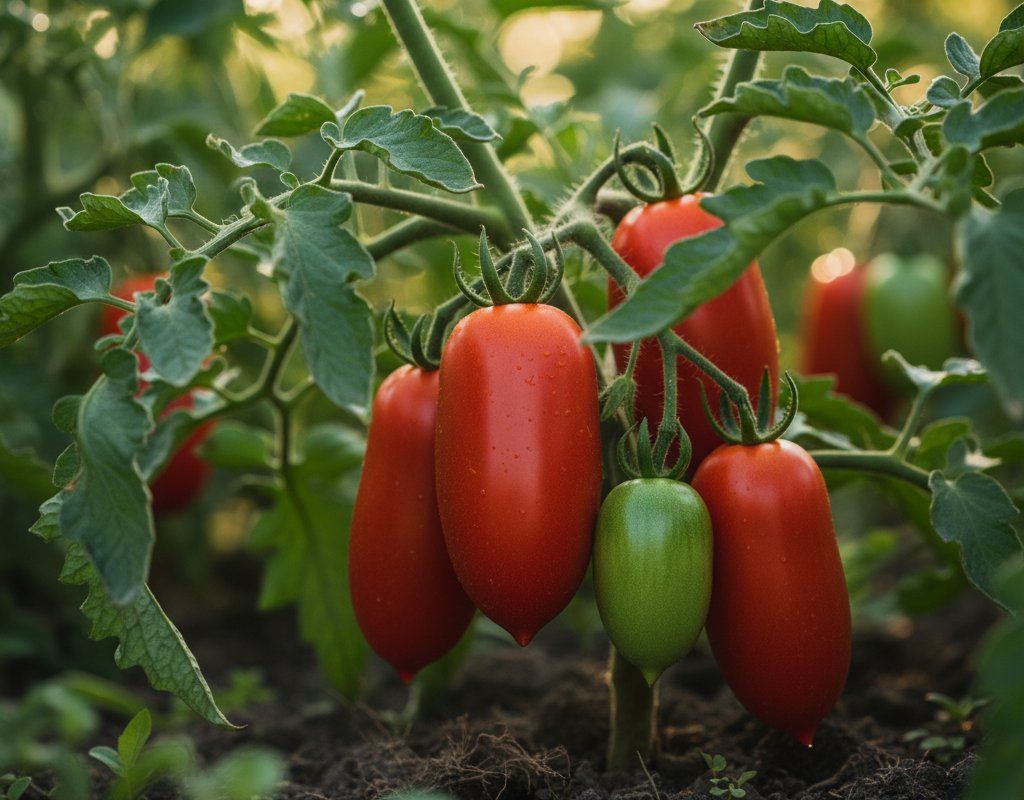
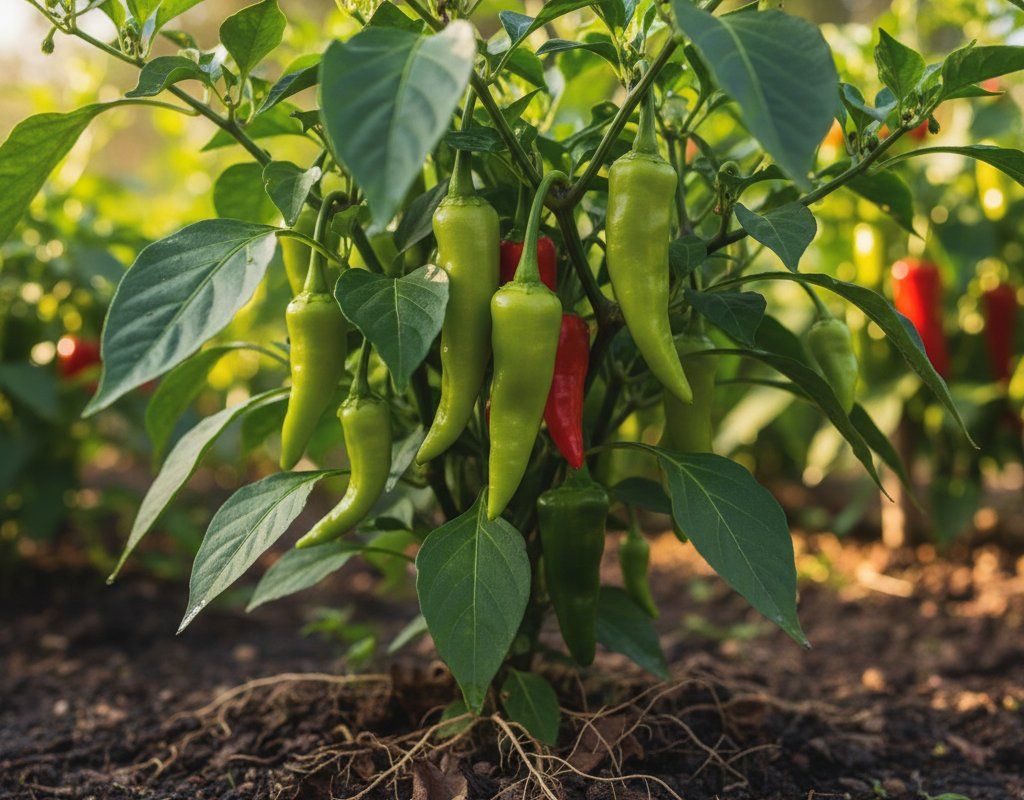
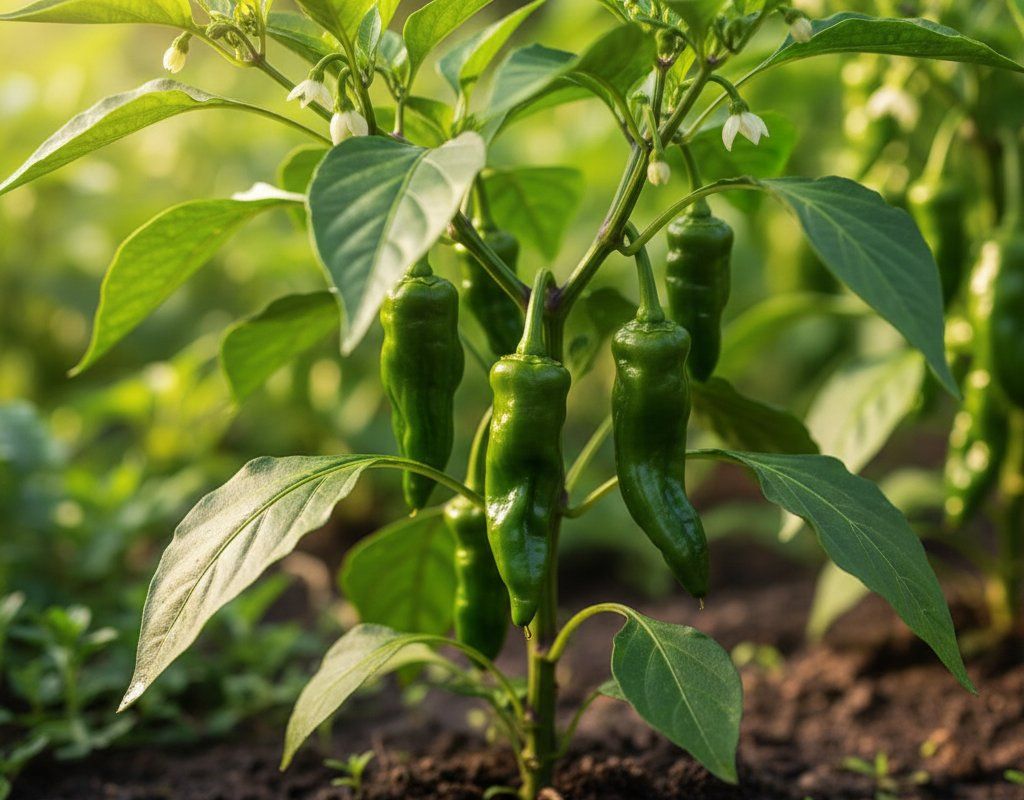
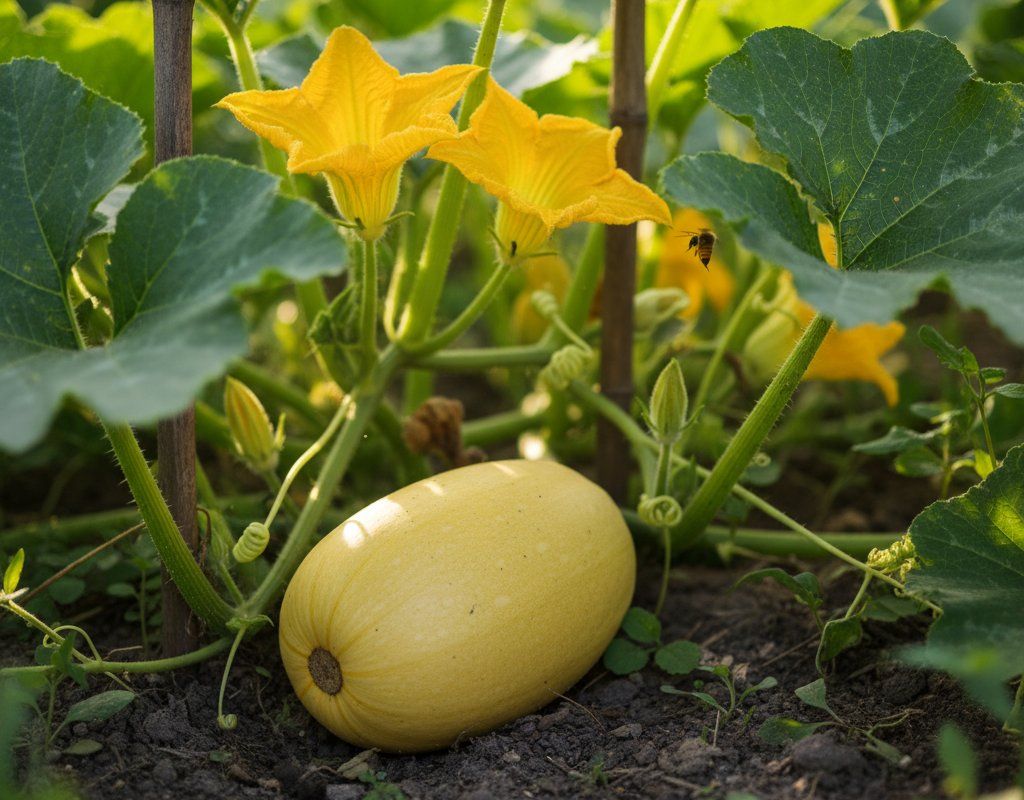

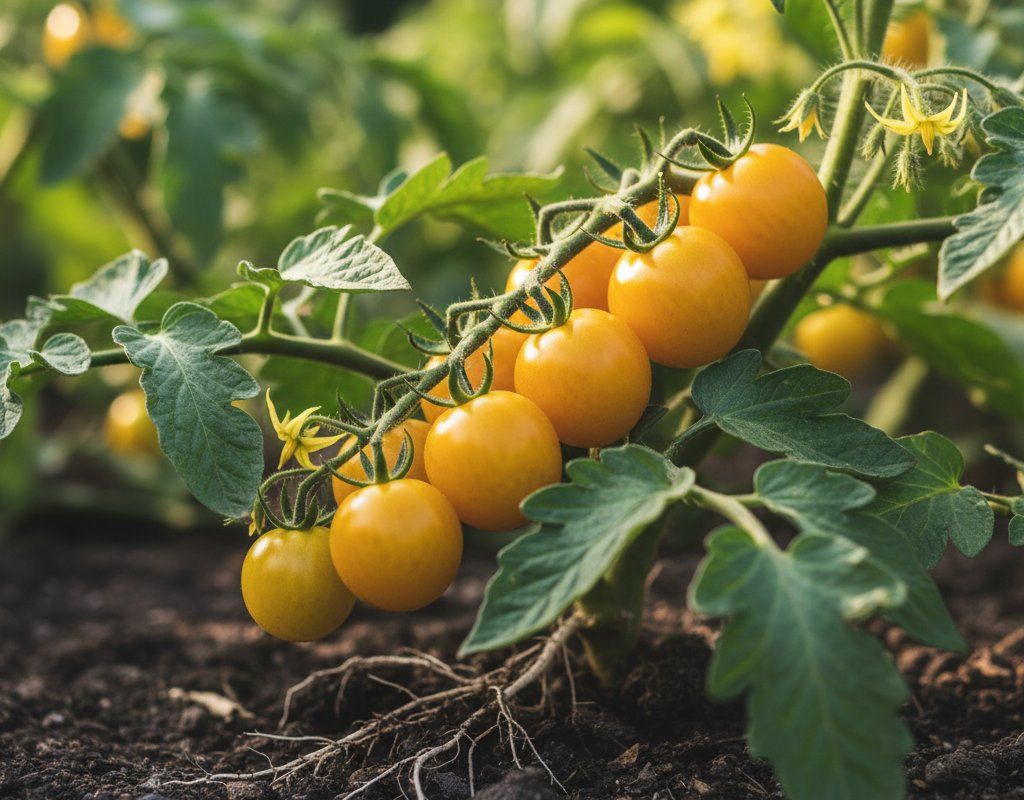
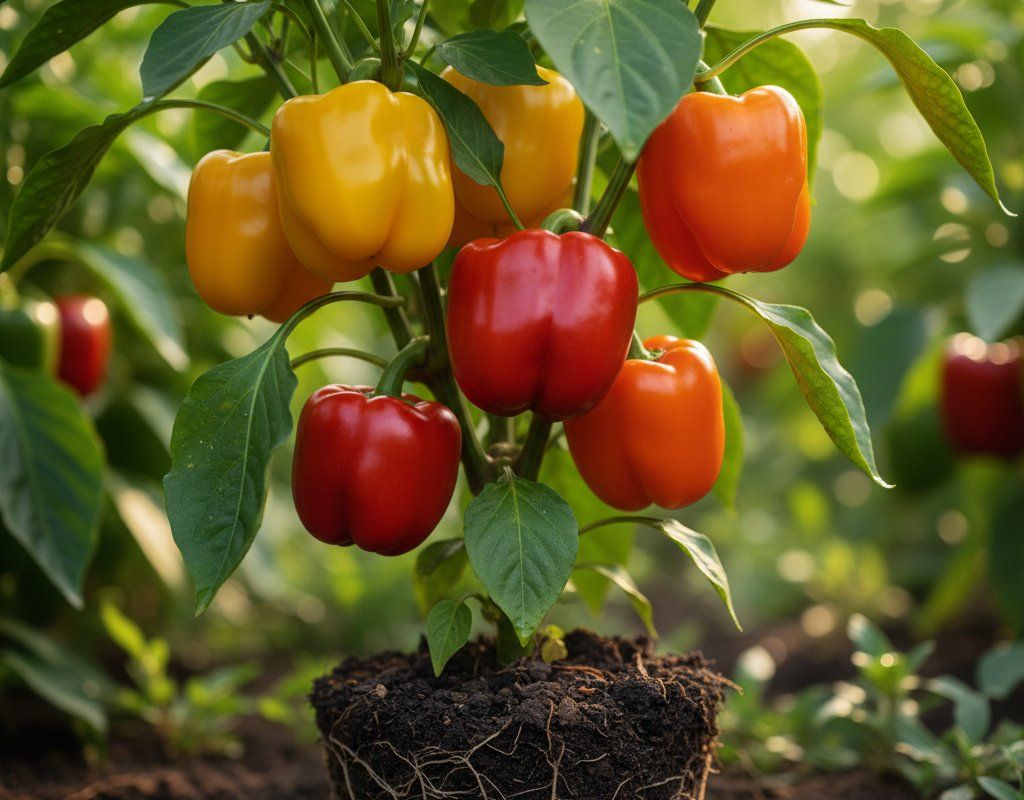
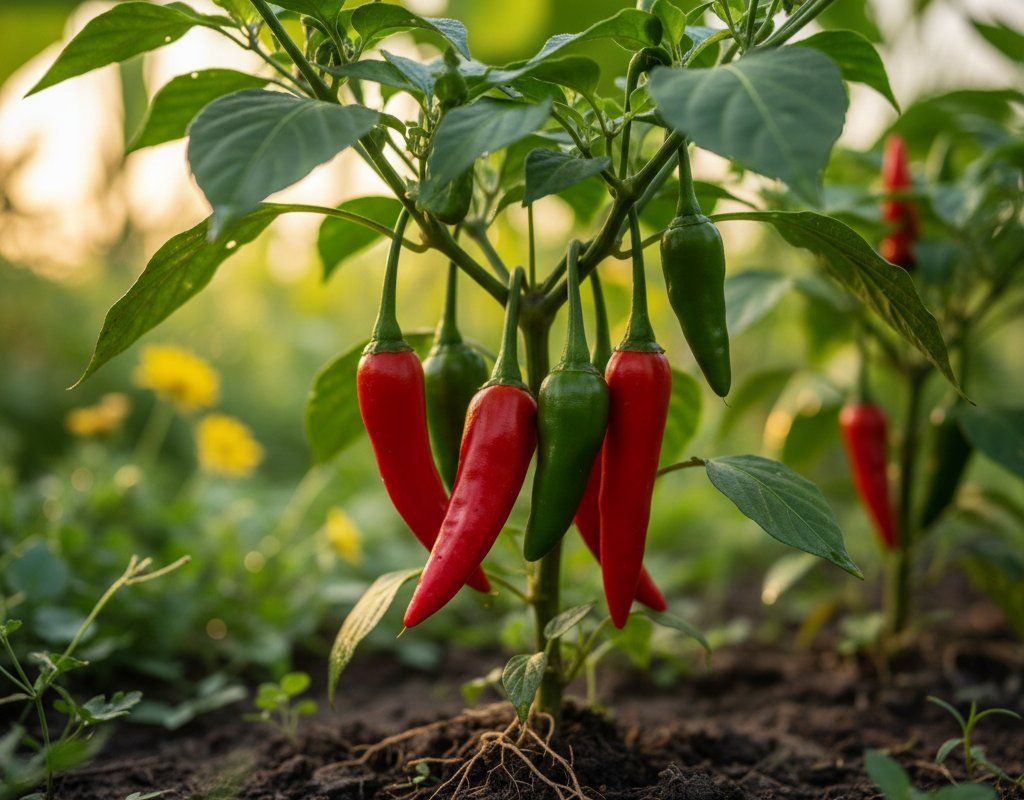

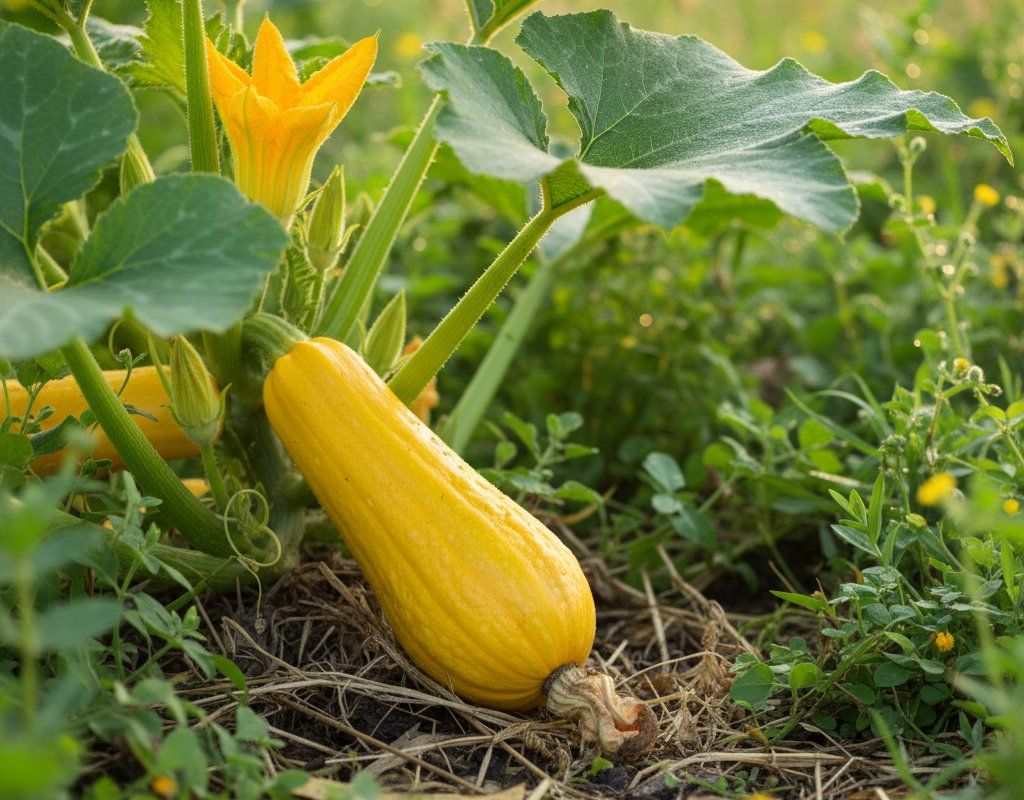
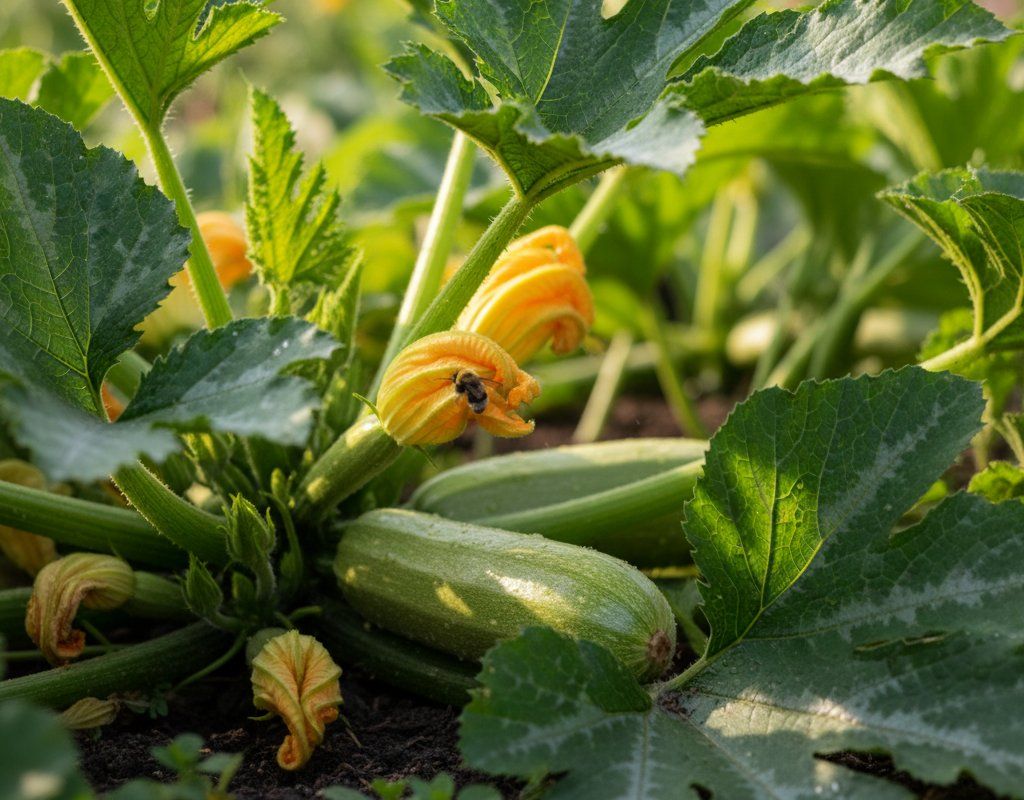
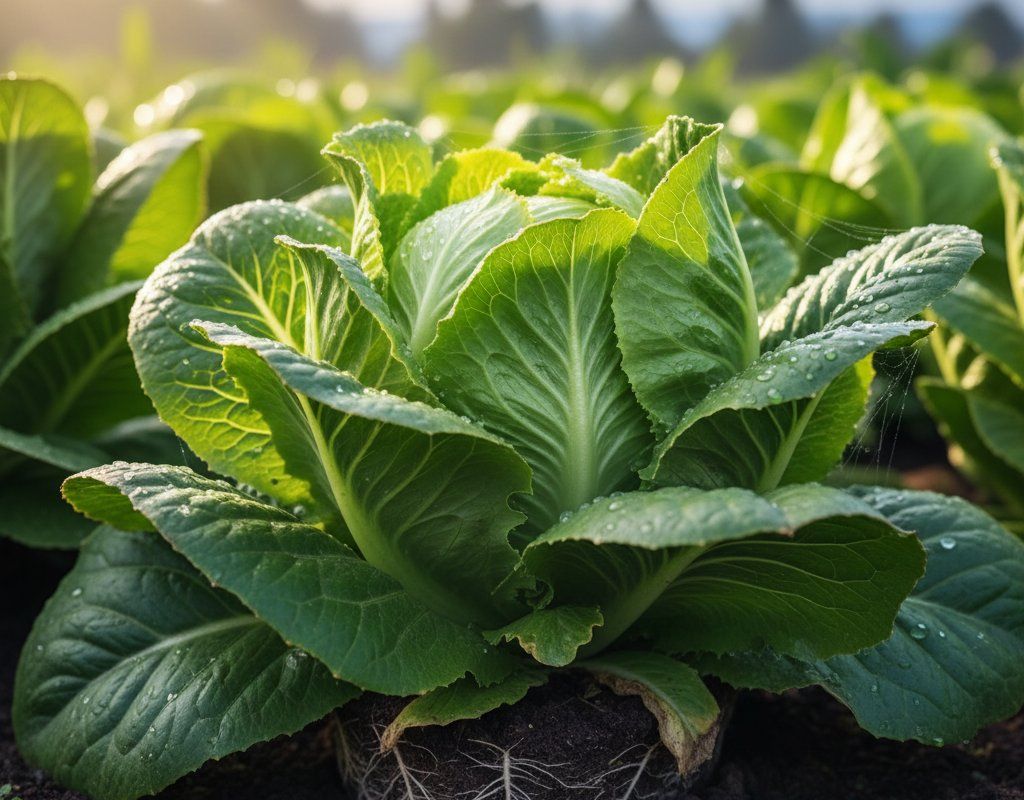
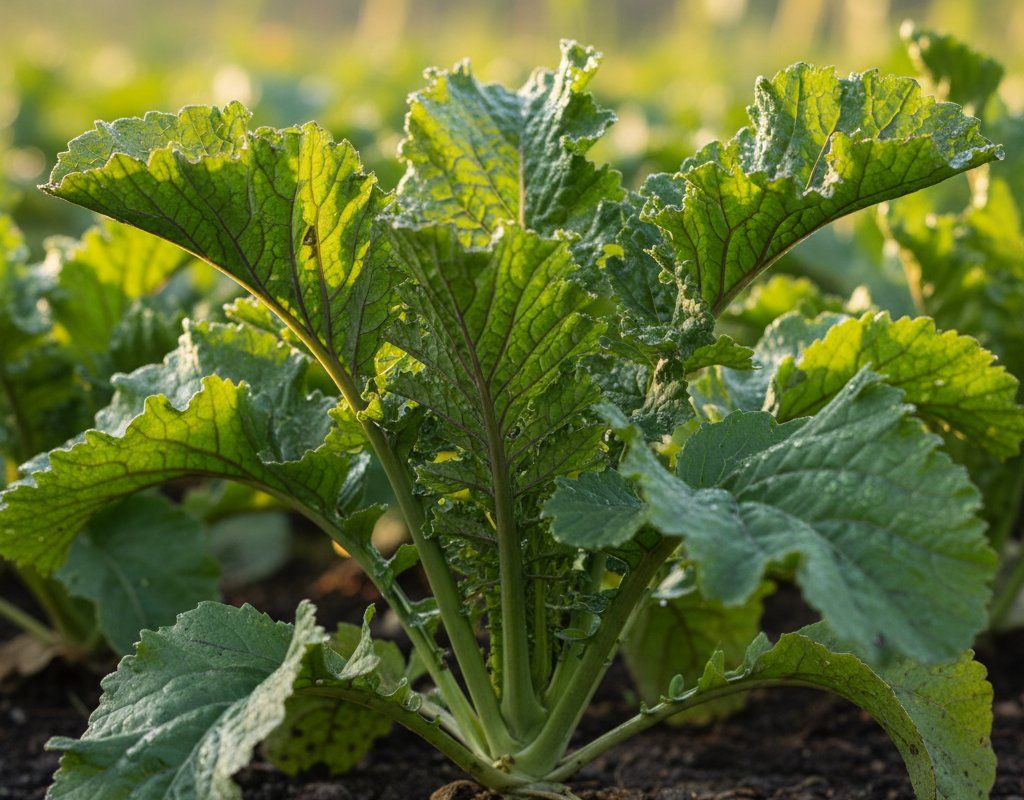
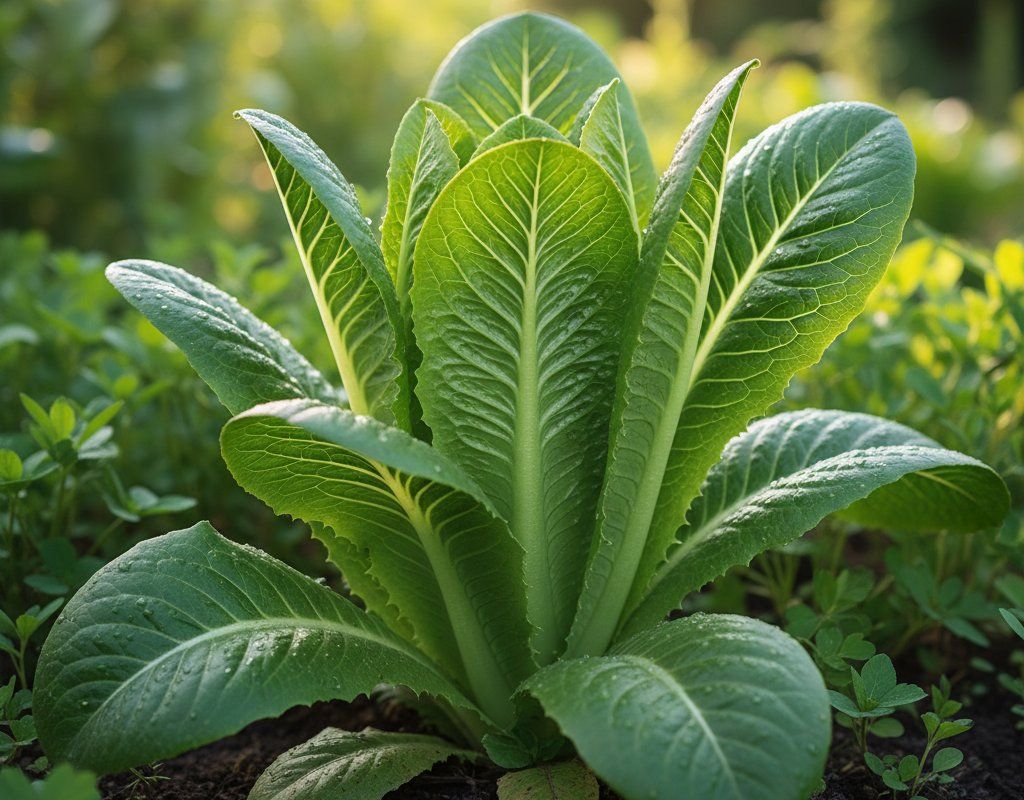
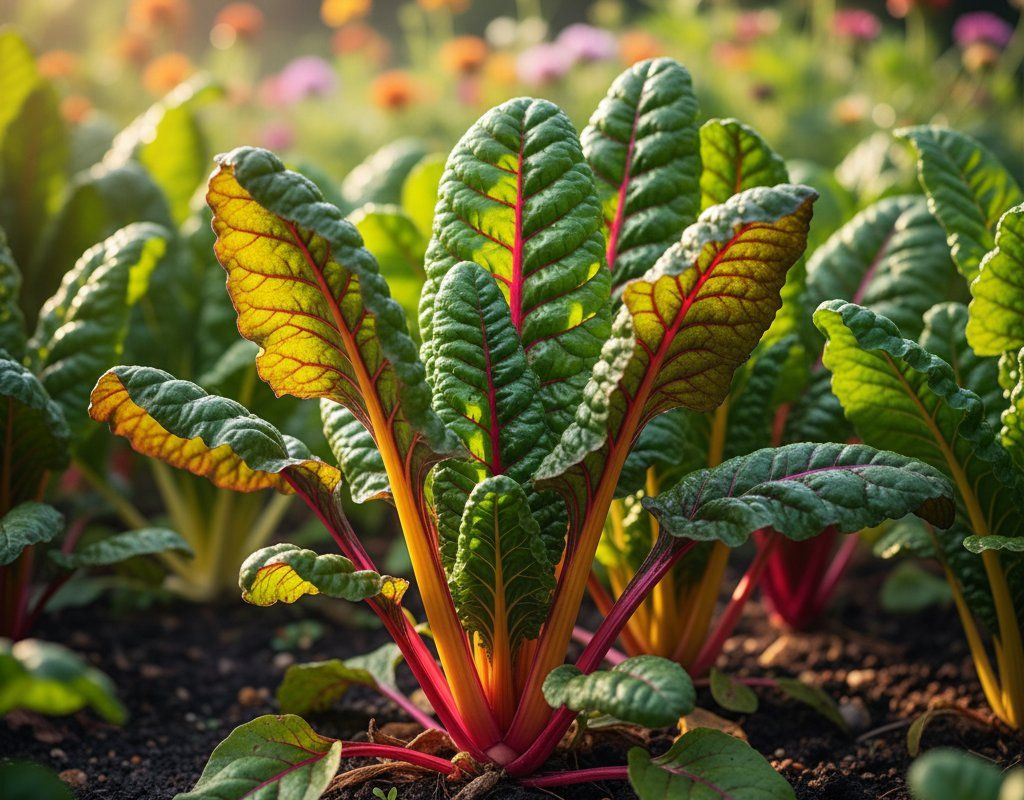
🥬Leafy Greens (9)
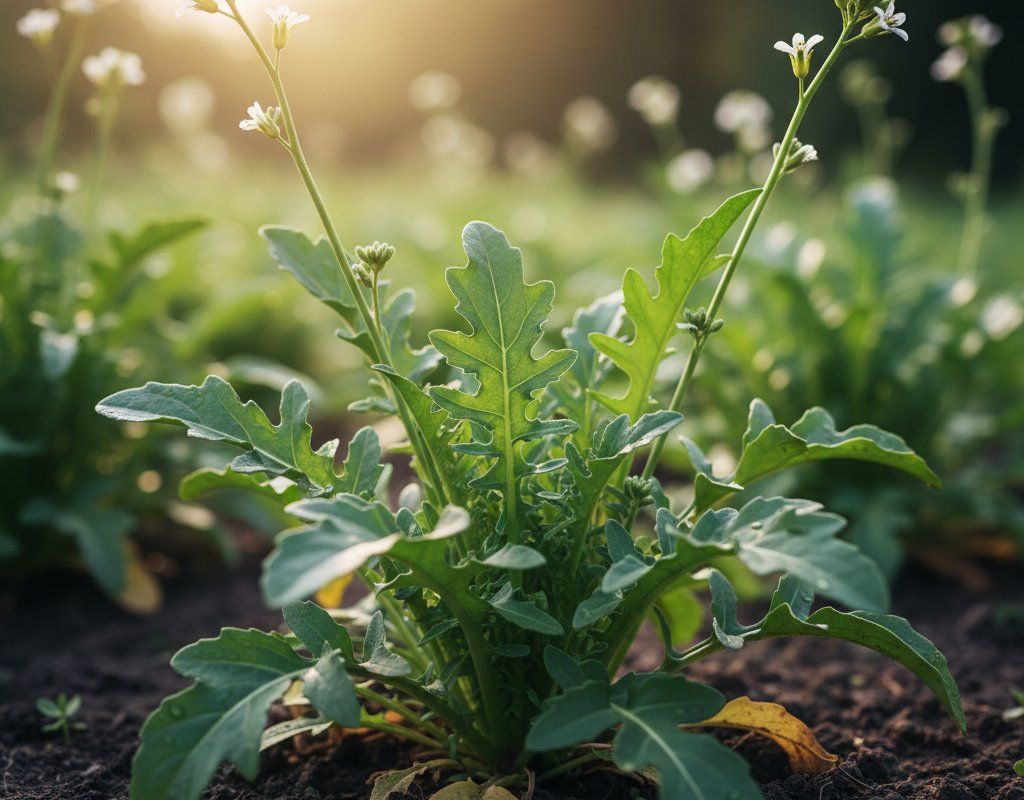

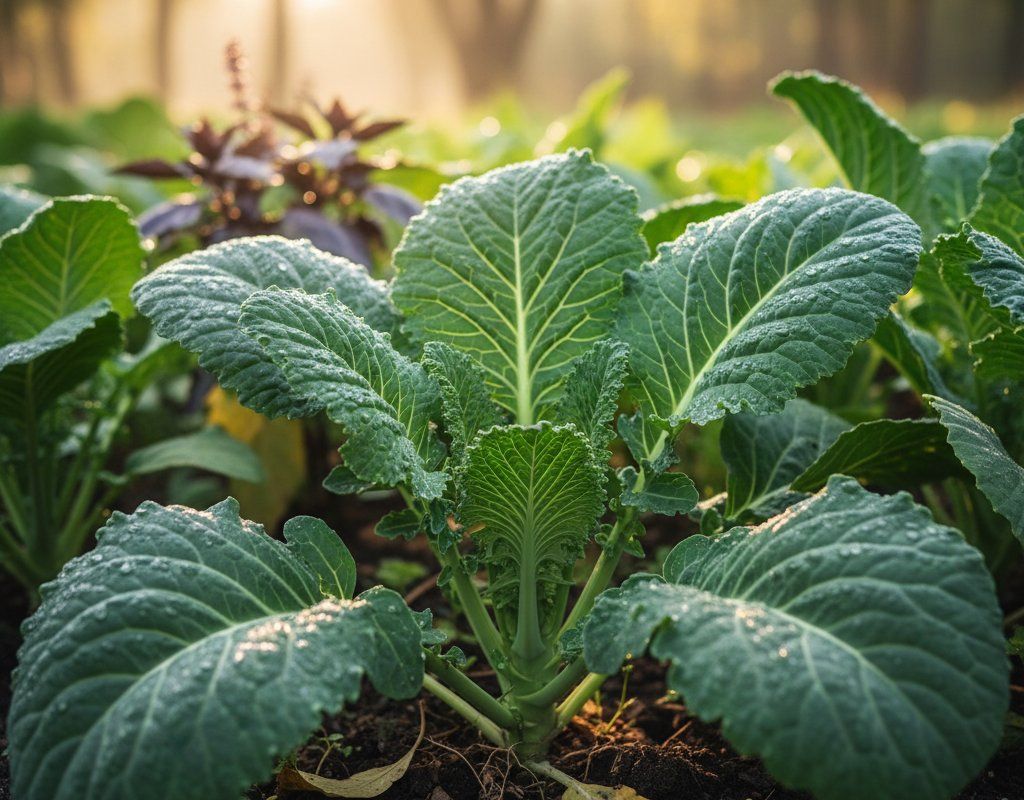


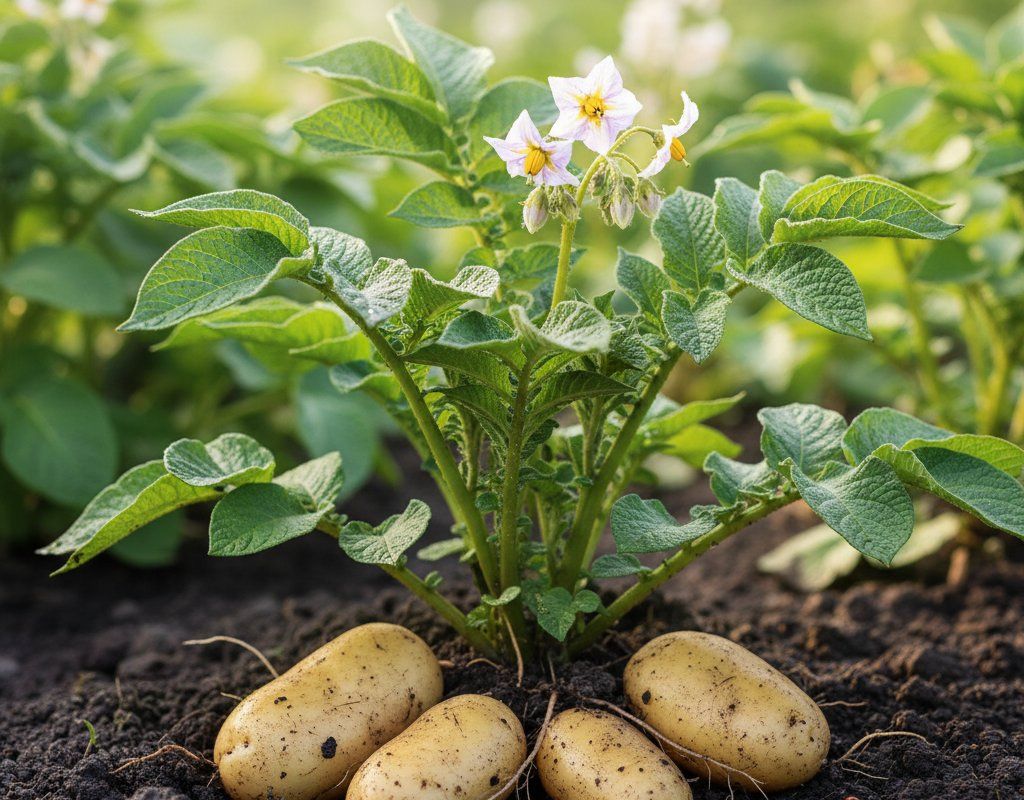
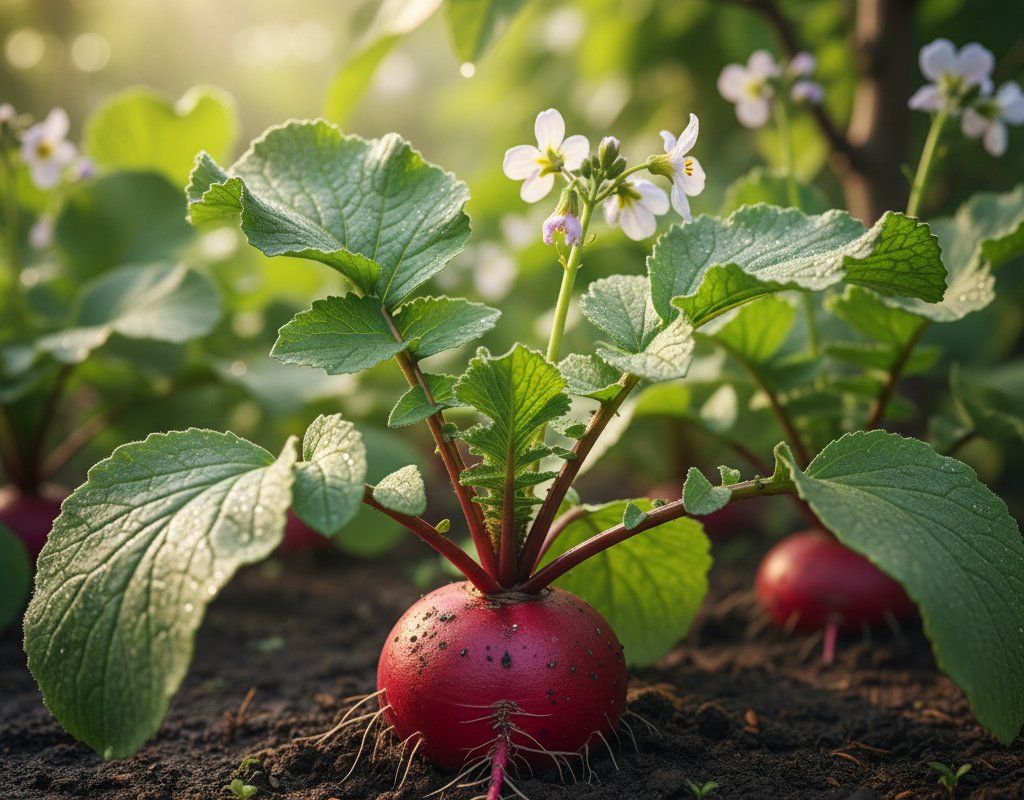
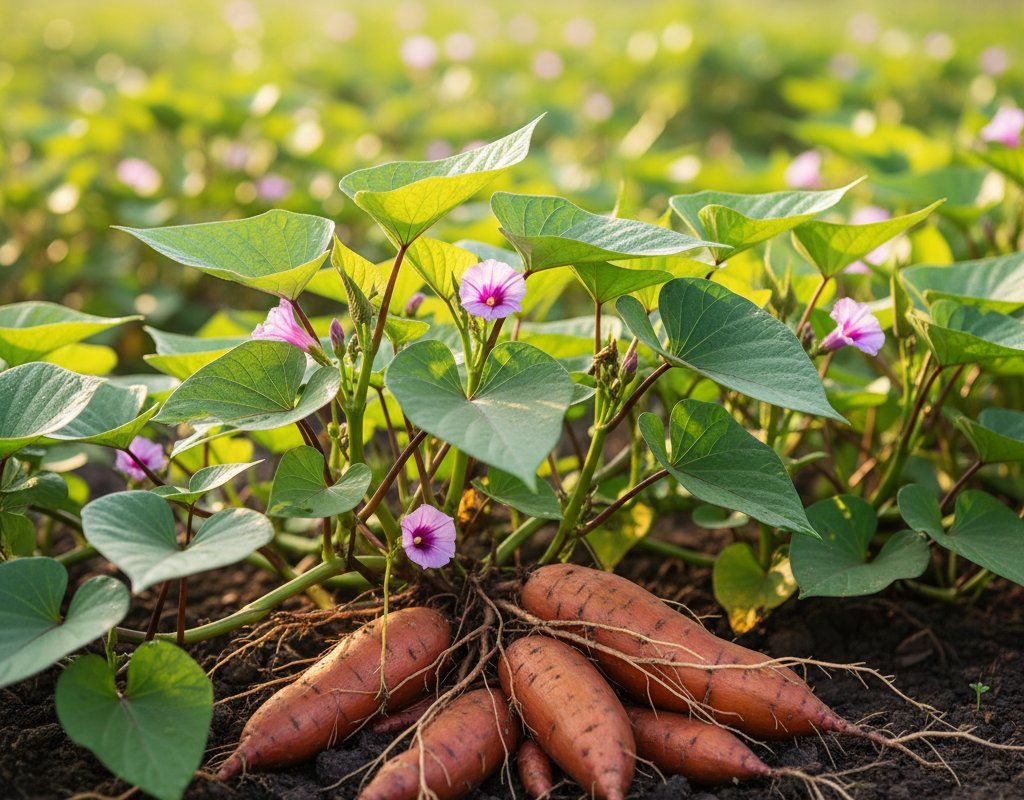
🥕Root Vegetables (5)


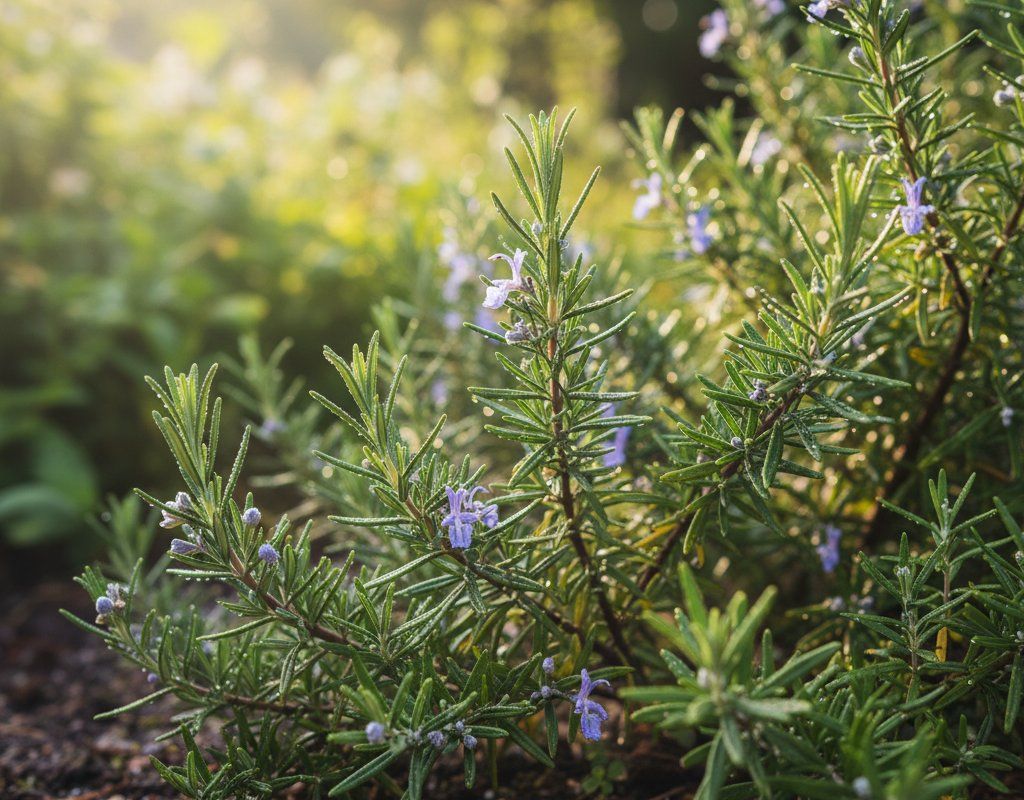
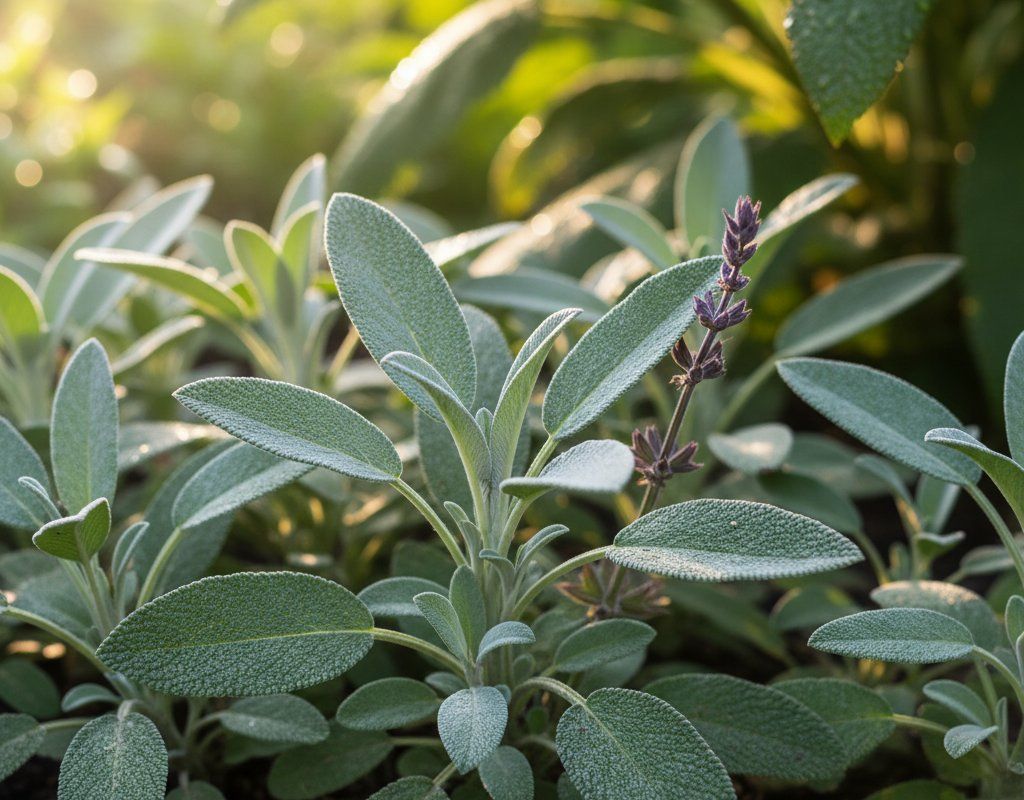
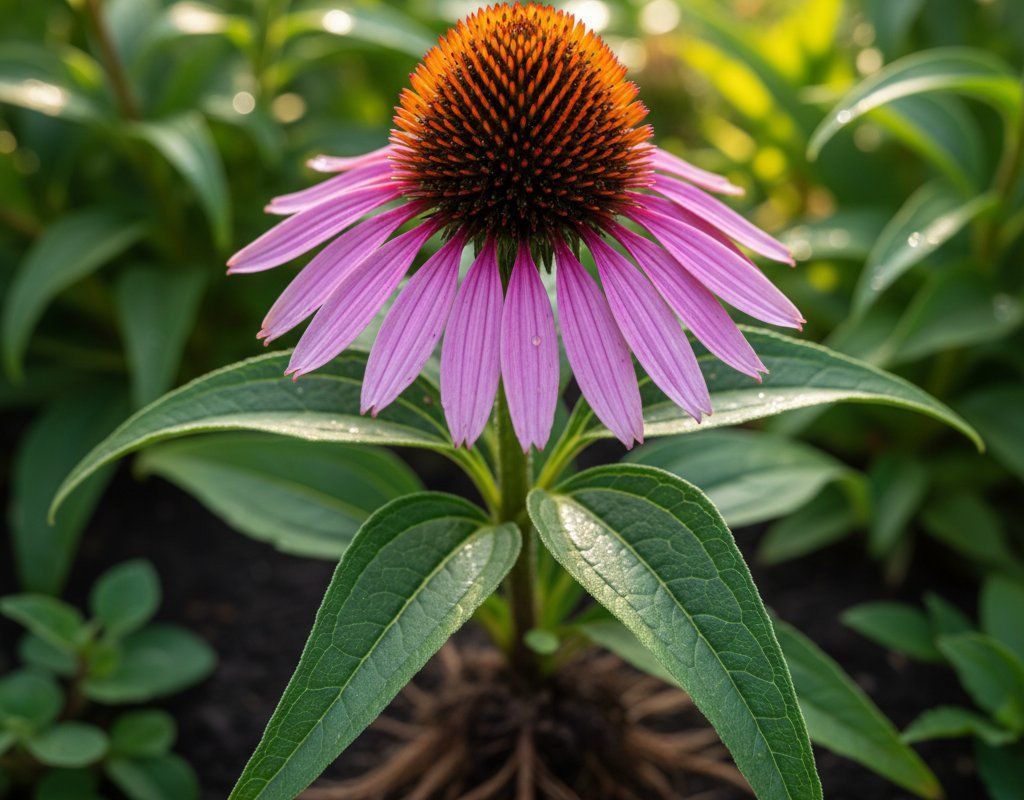
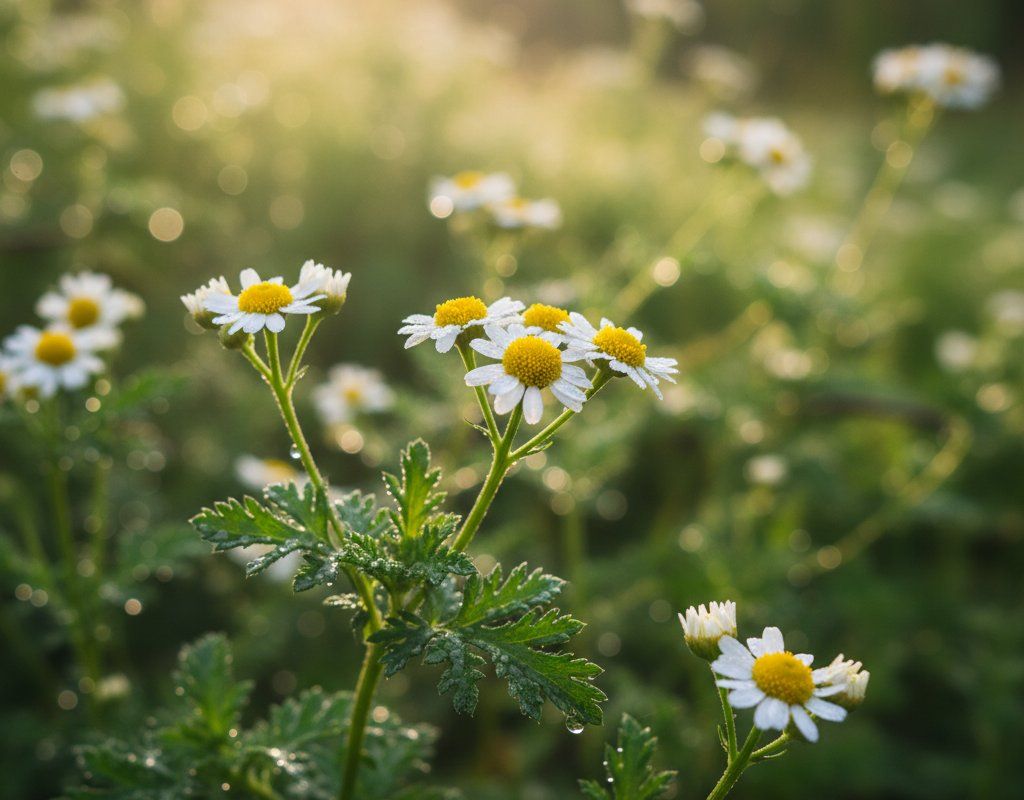
🌿Herbs (12)

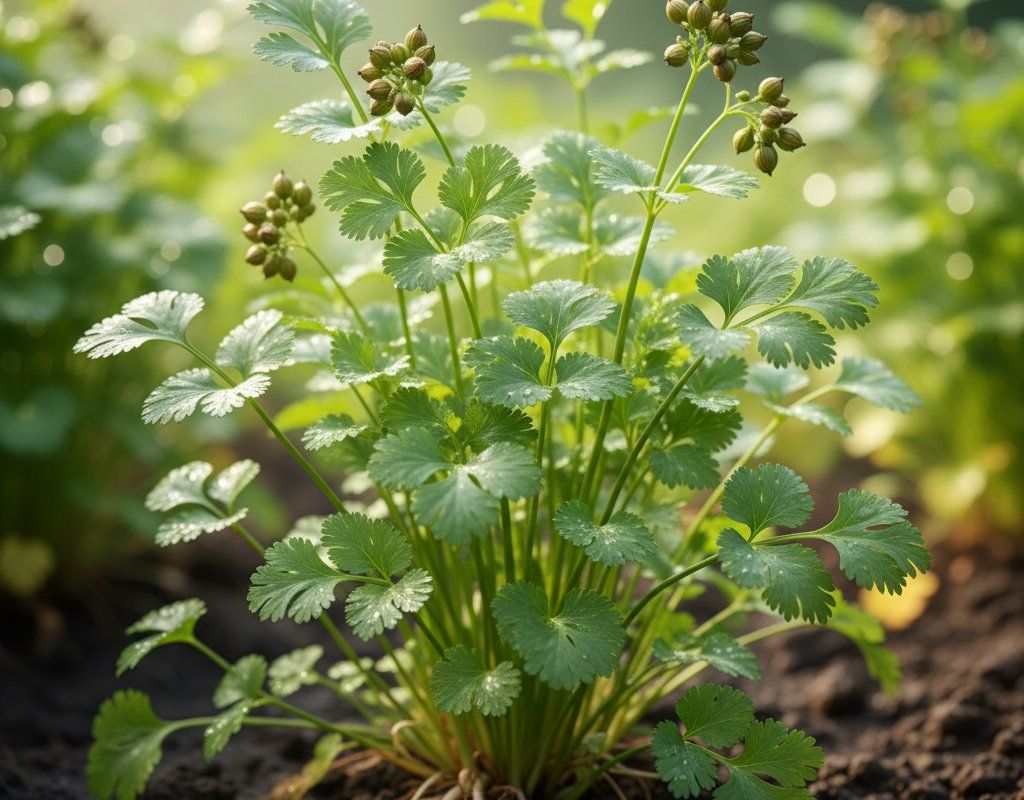
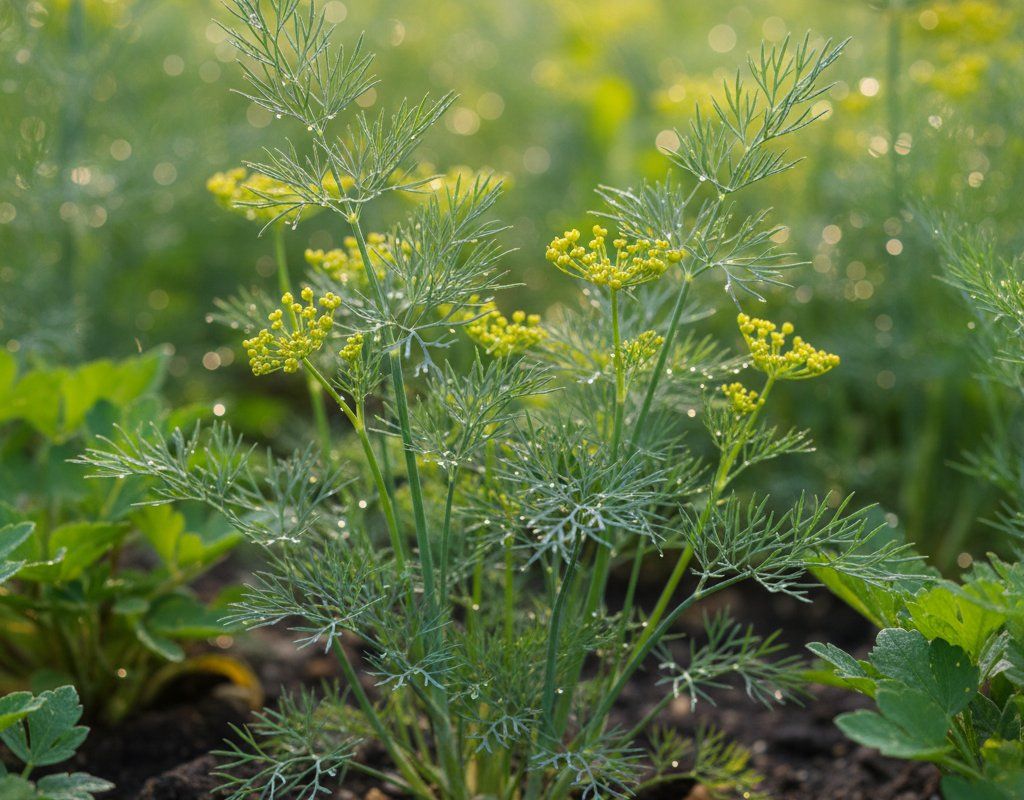

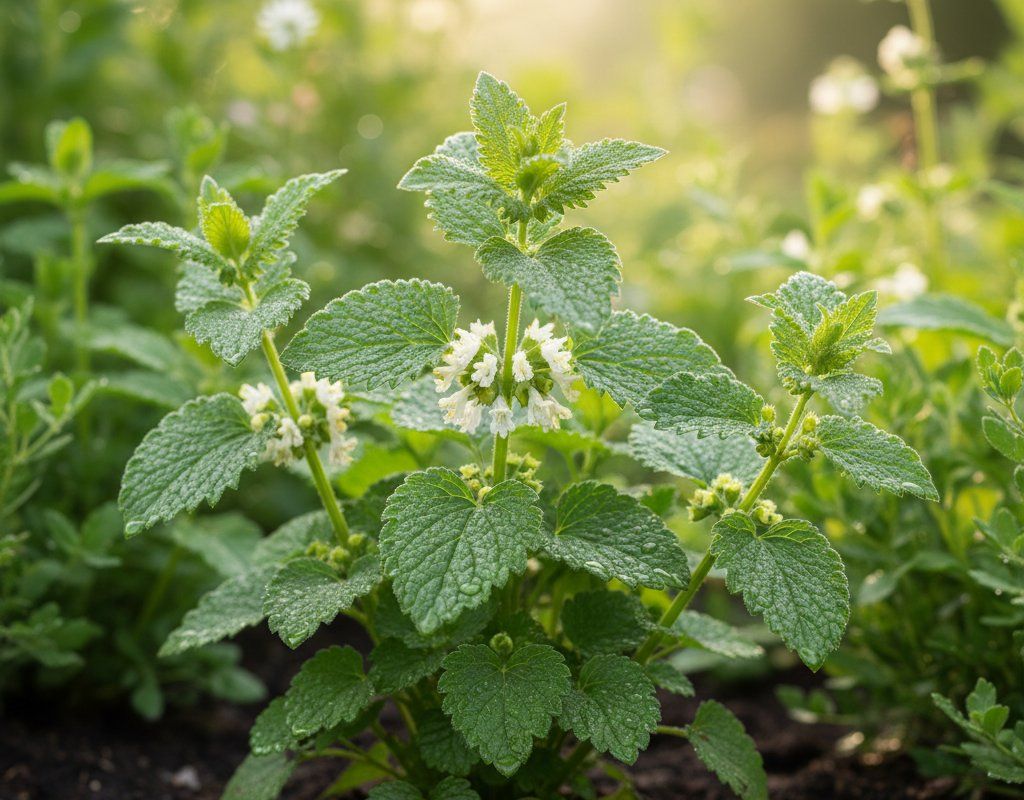

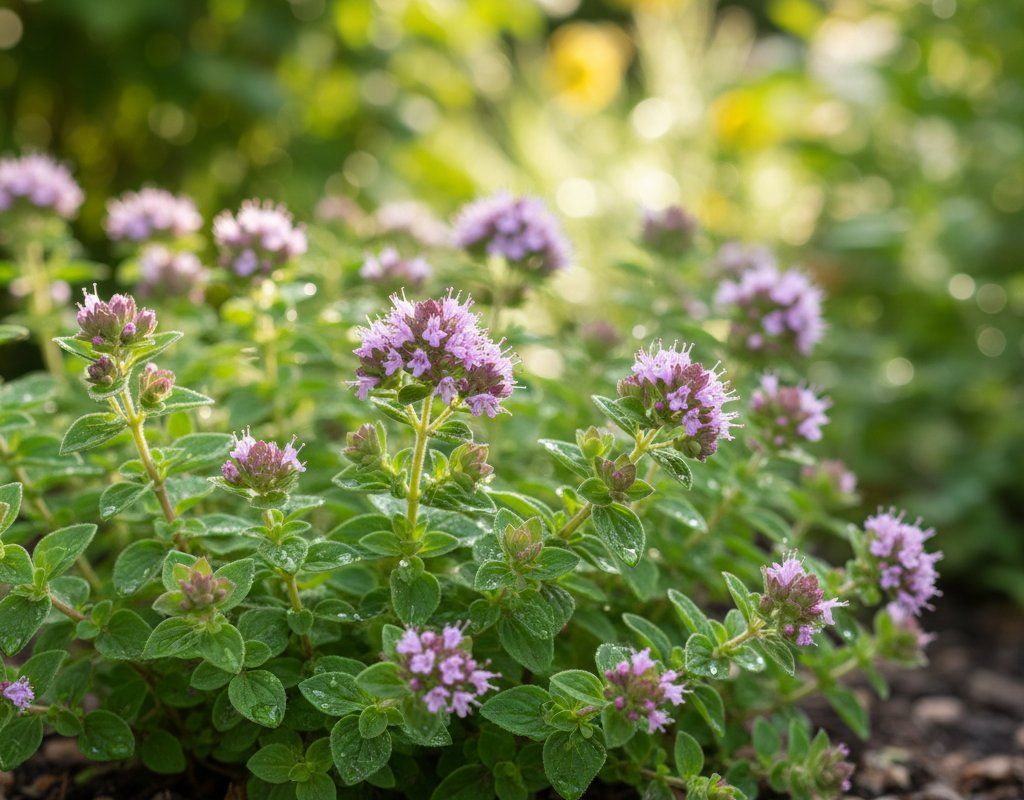



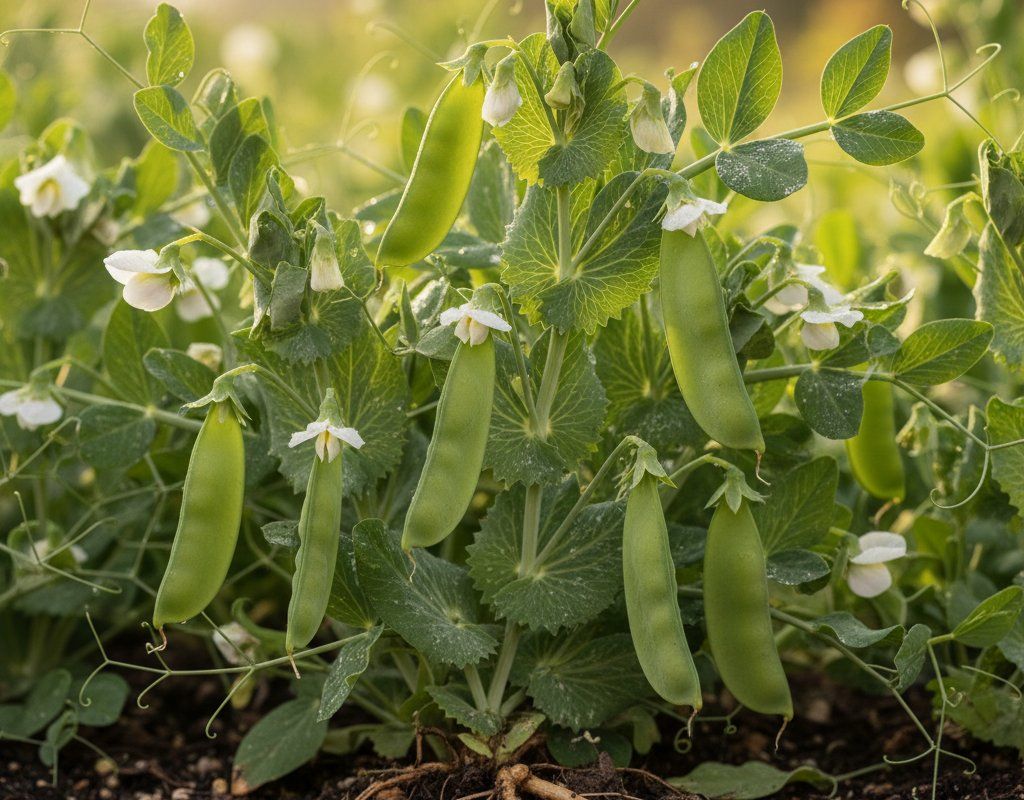
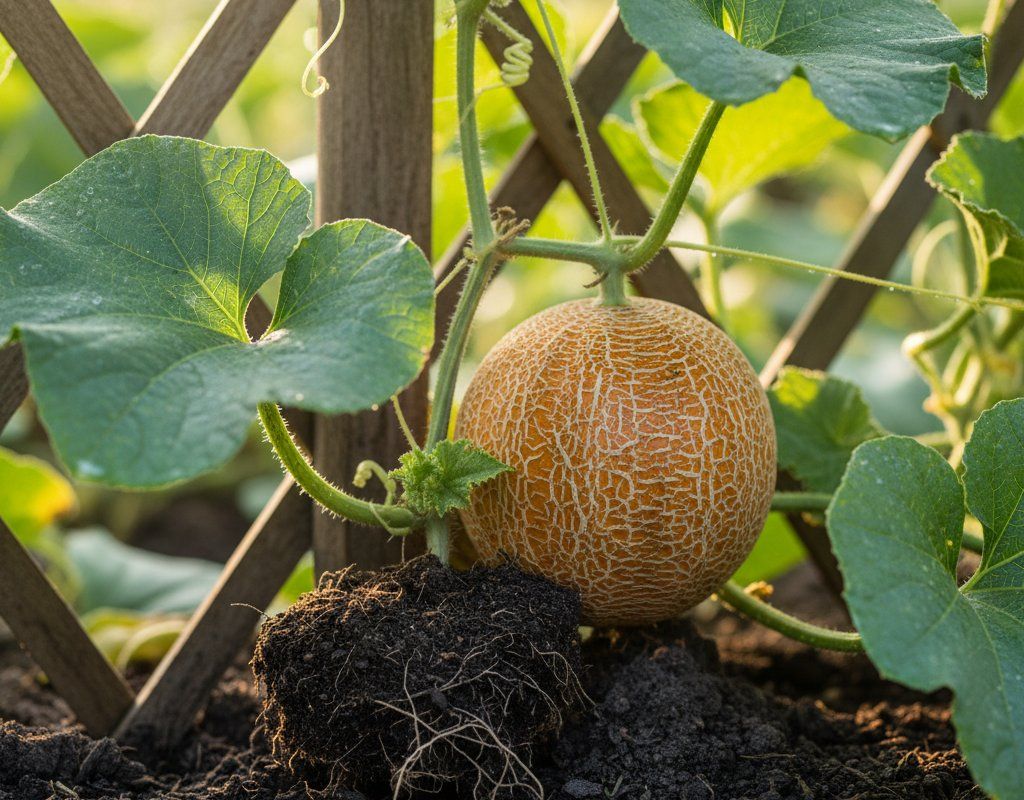
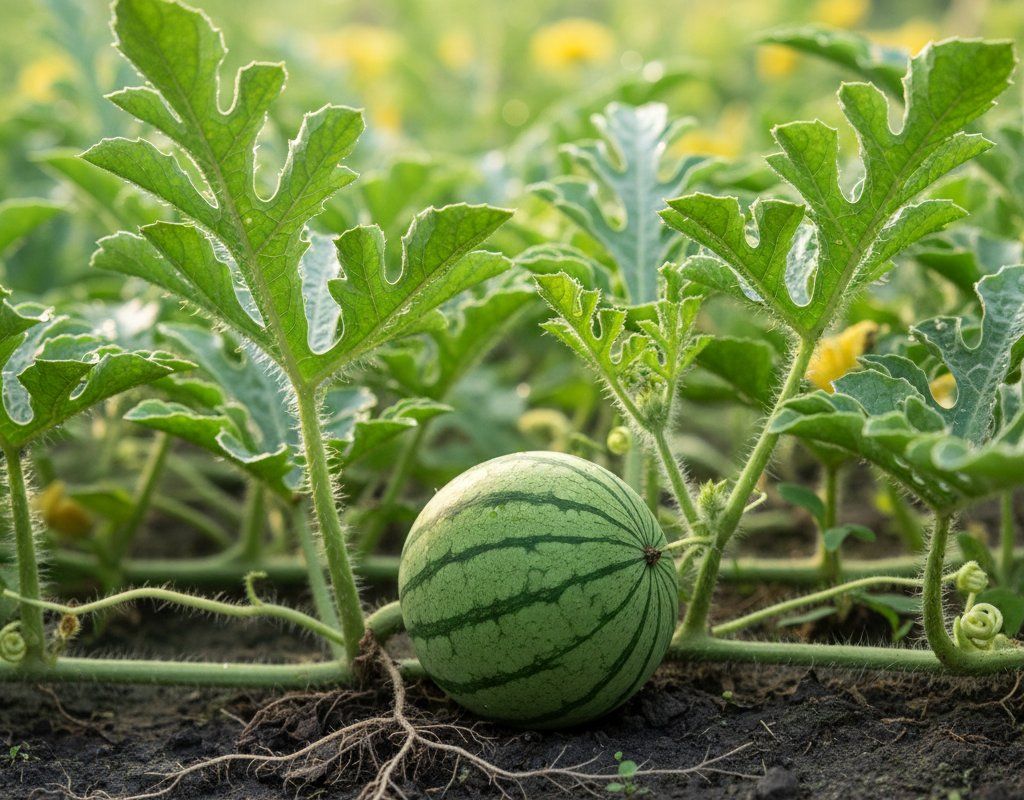
🍉Melons (2)
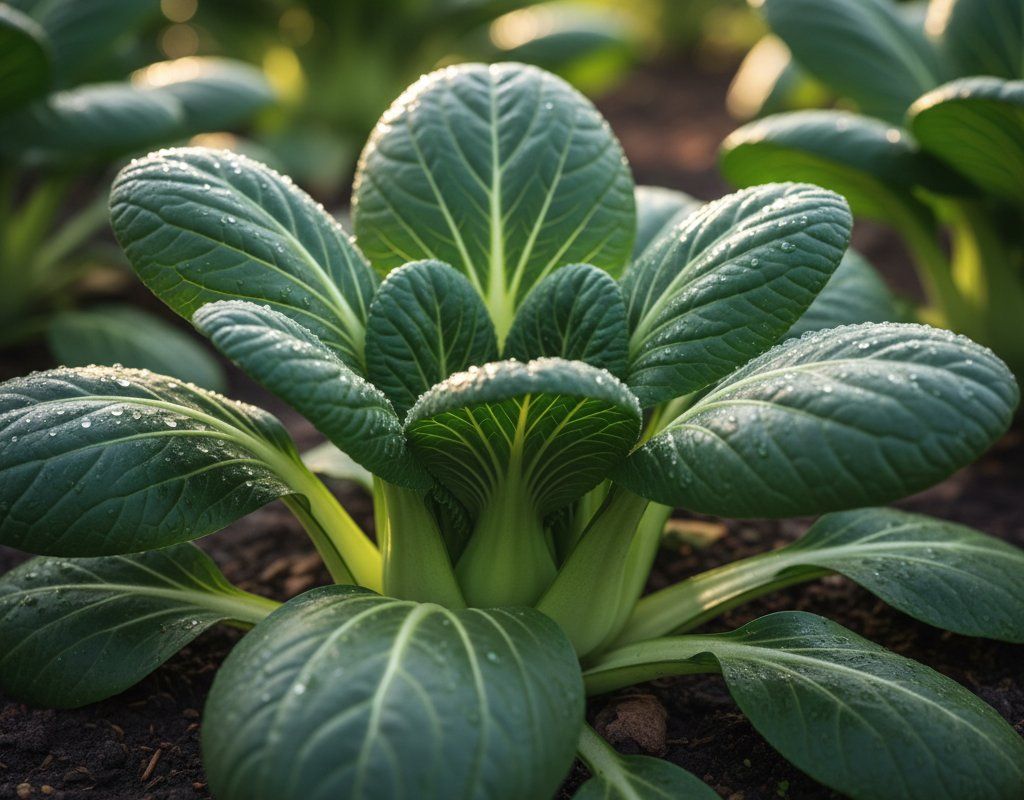
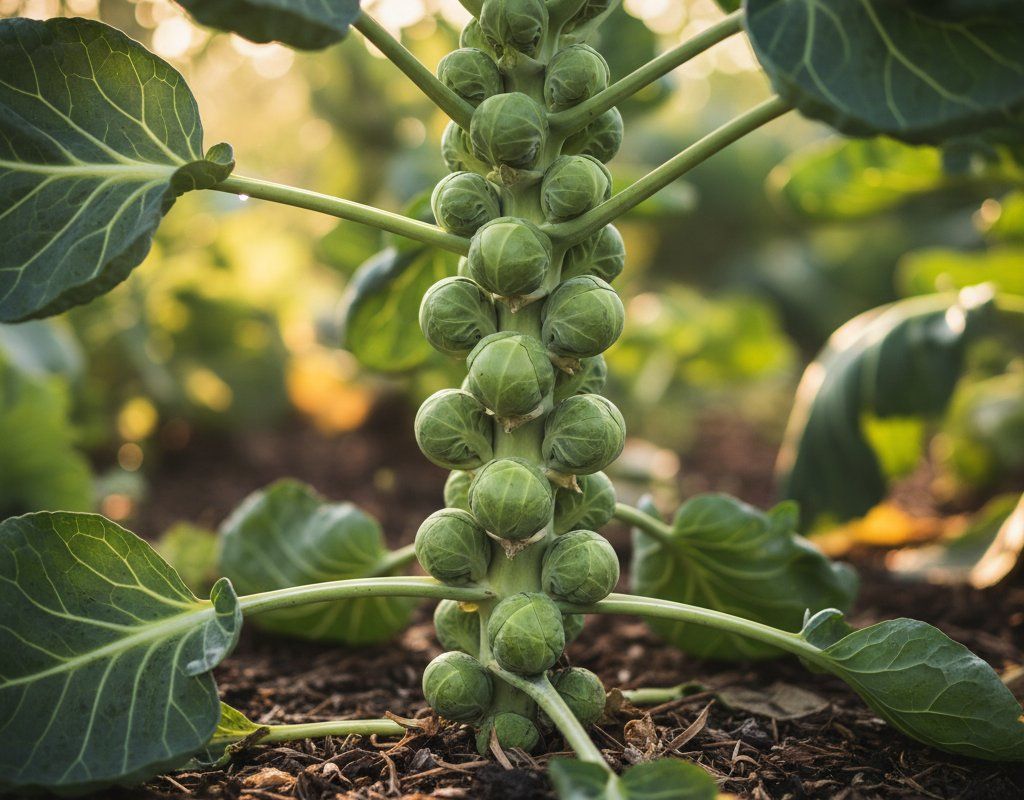
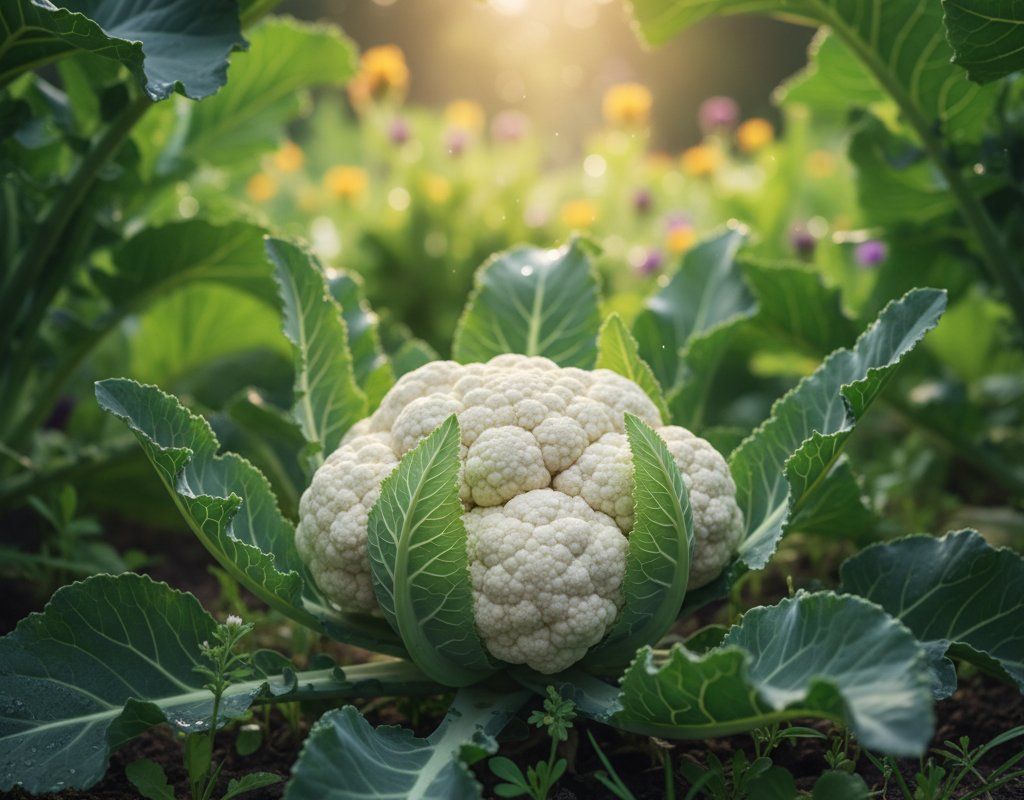
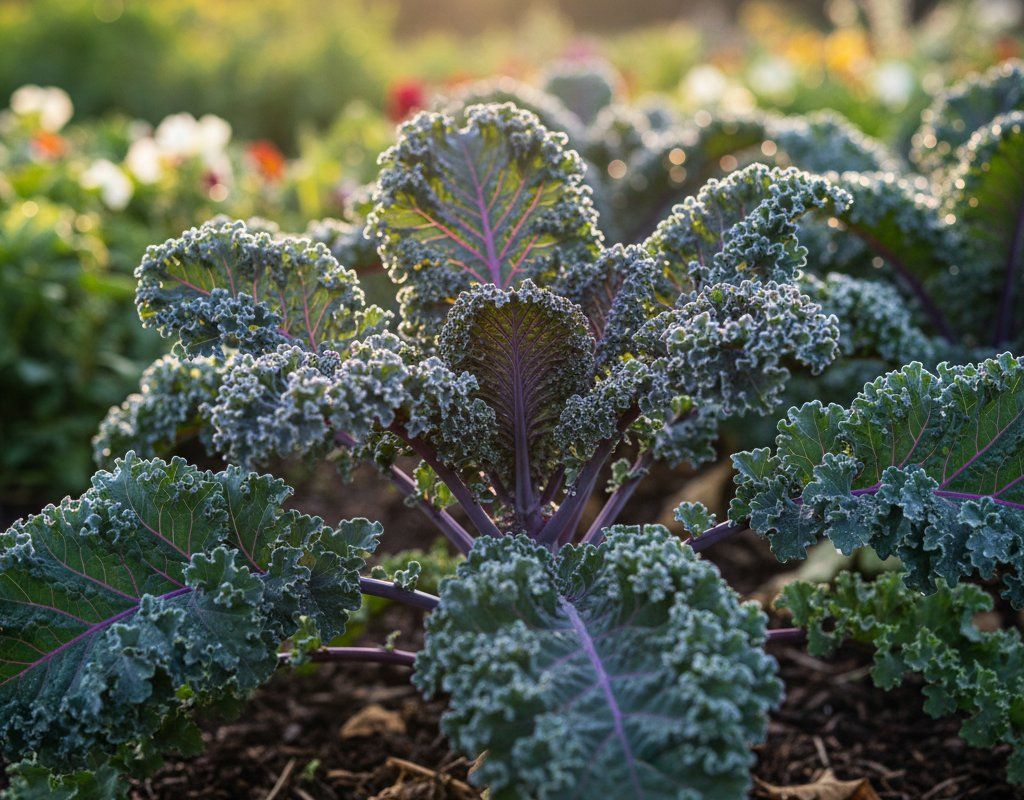
🥦Brassicas (6)


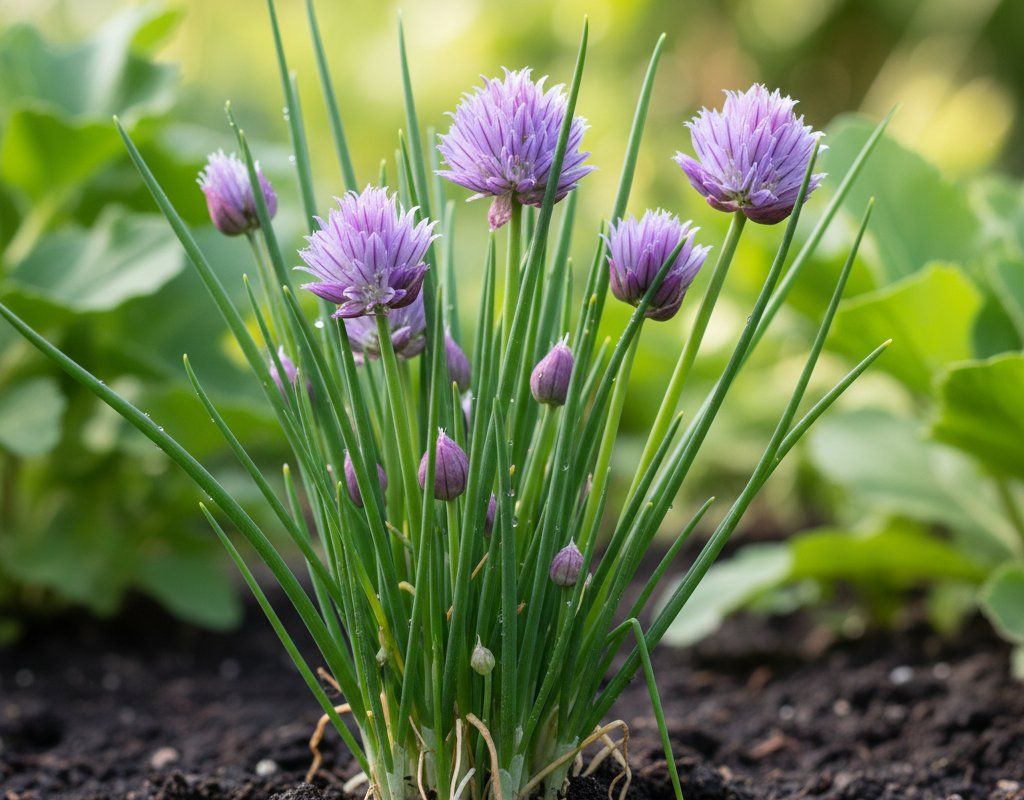
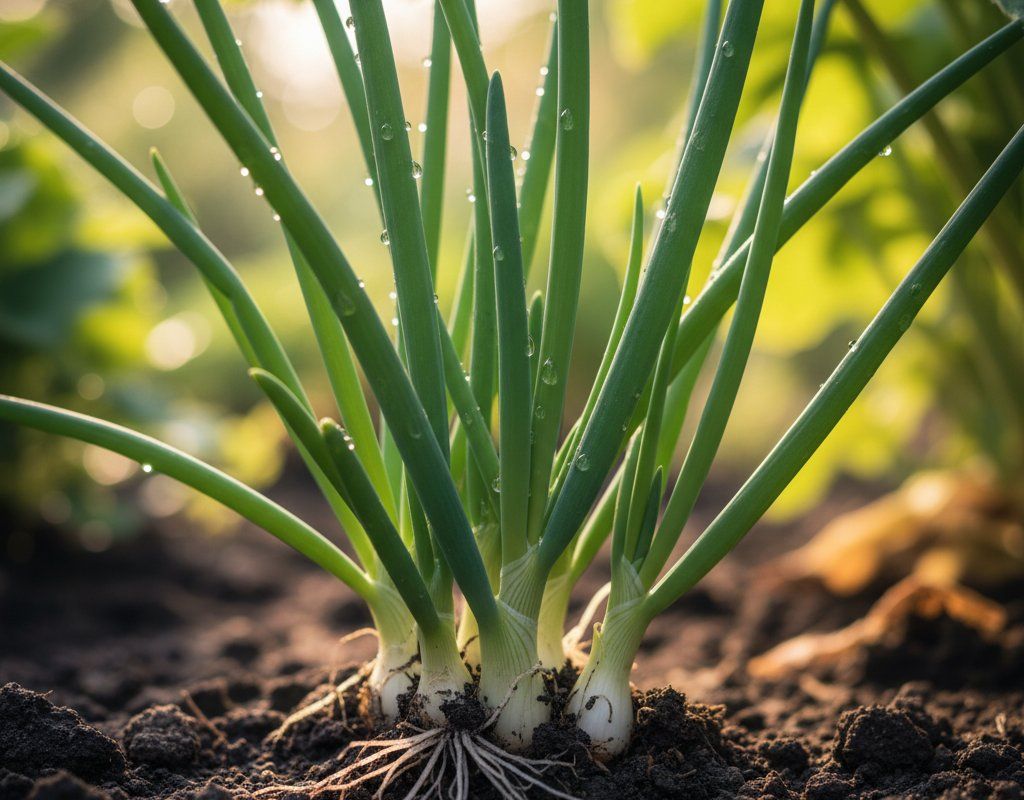
🧅Alliums (2)

🌽Grains (1)

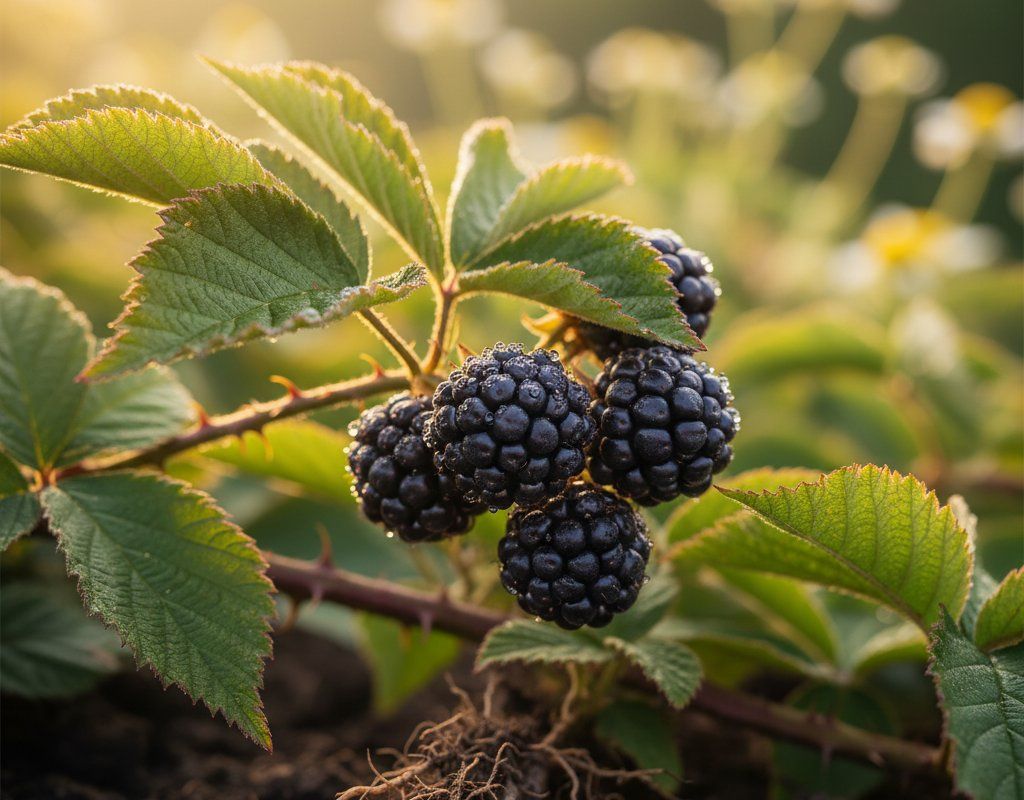
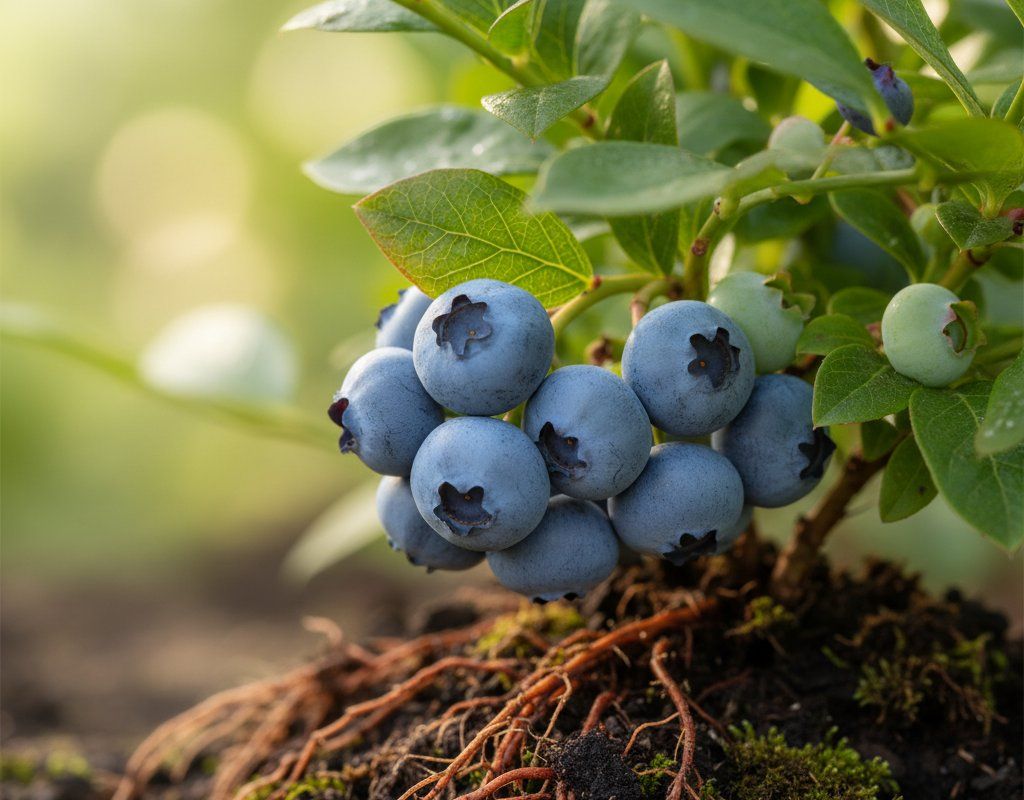
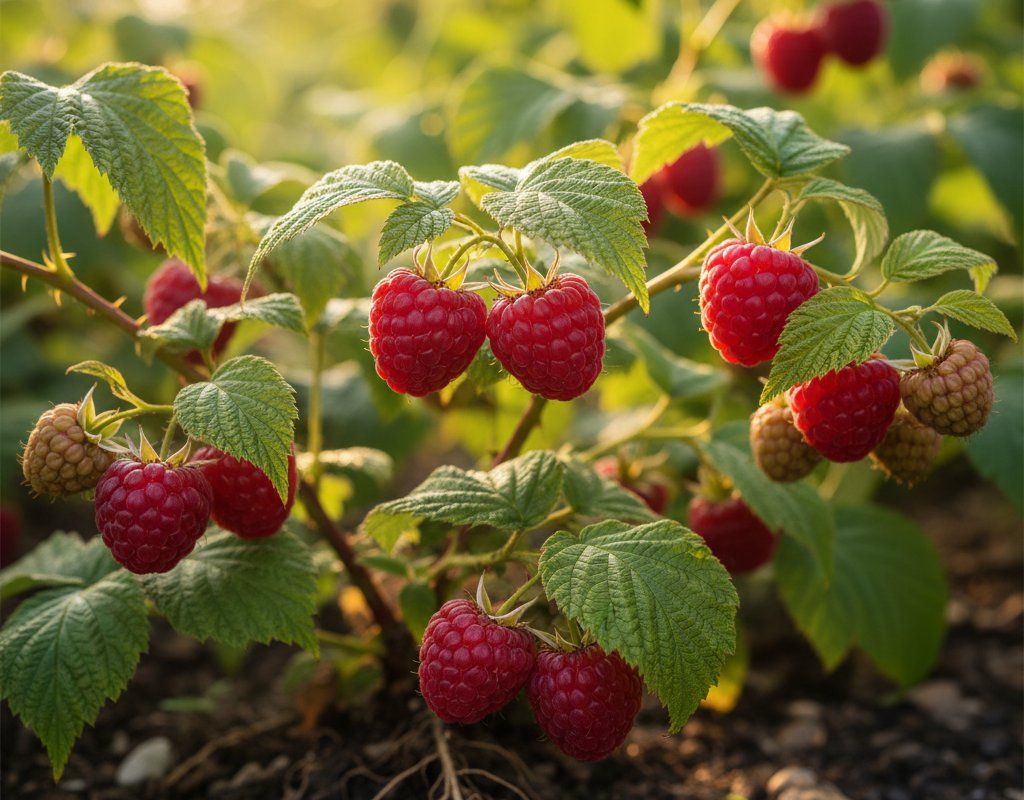
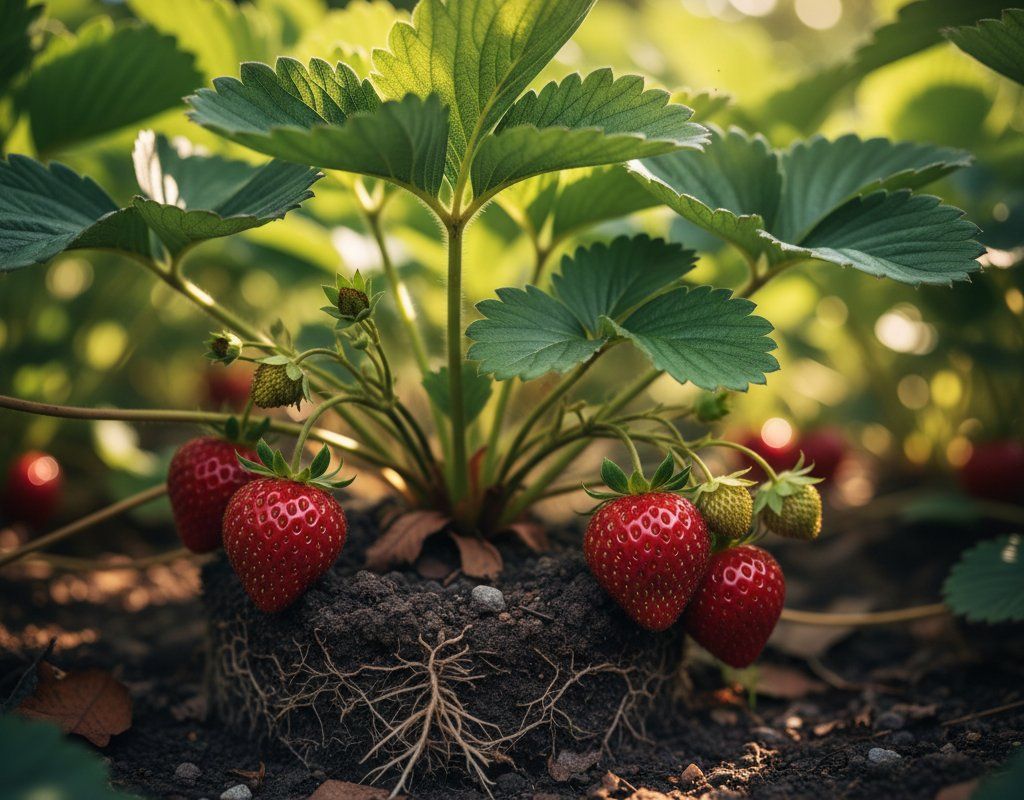
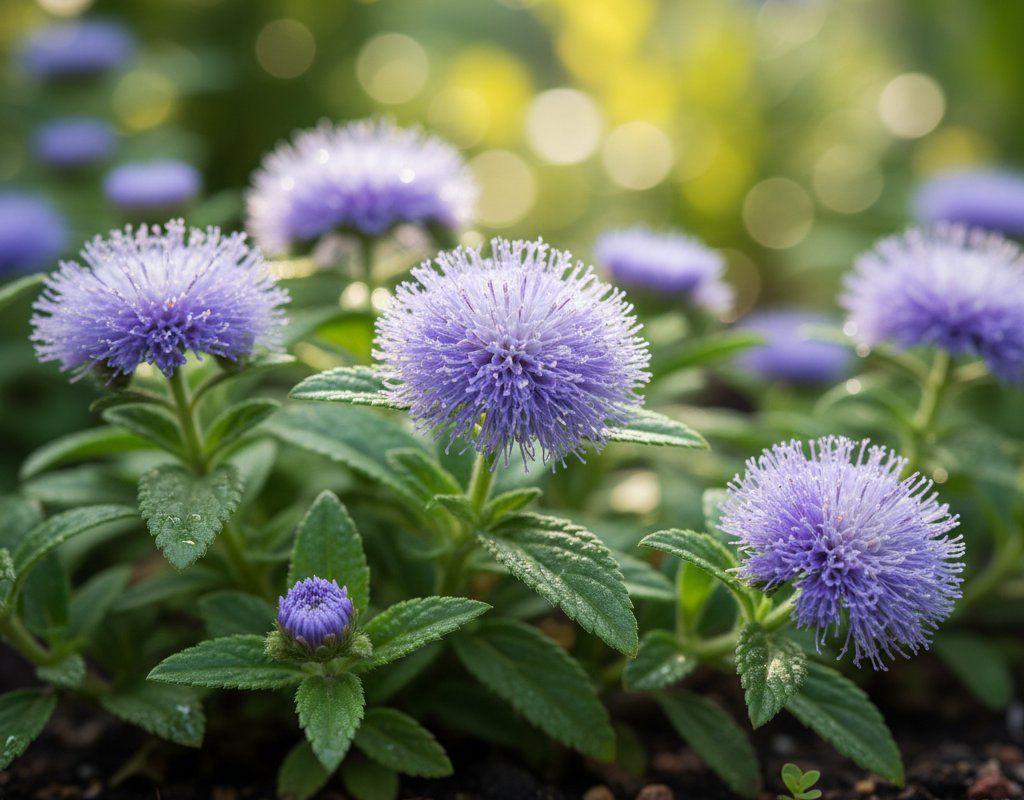
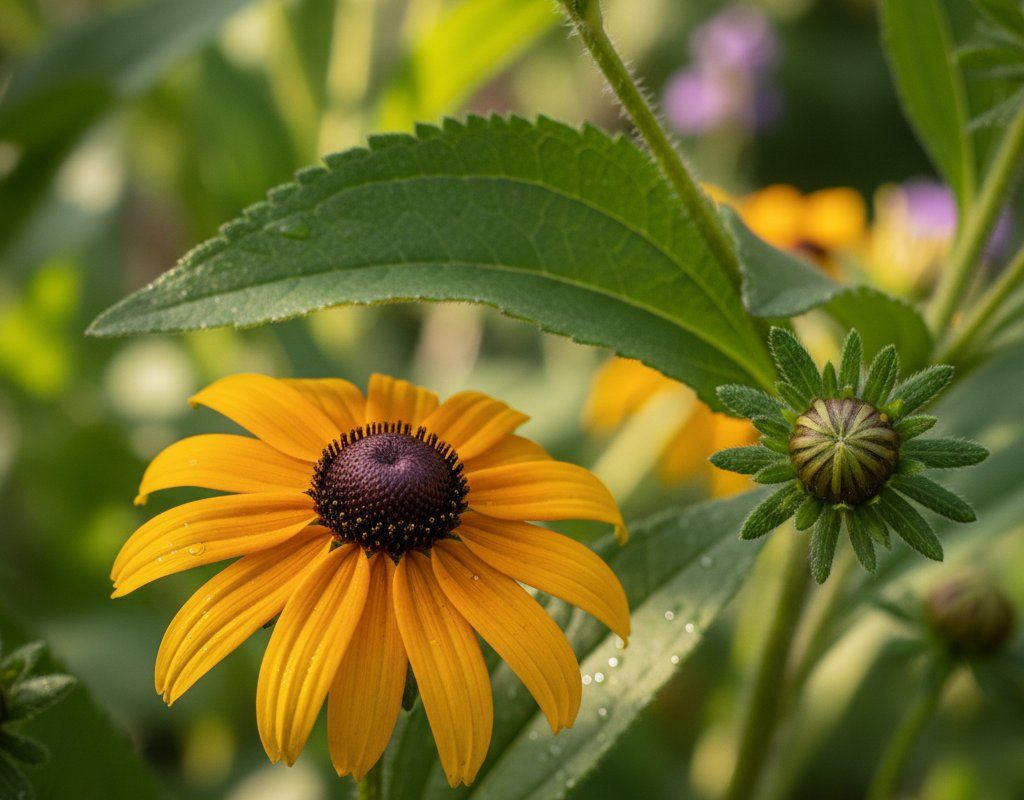
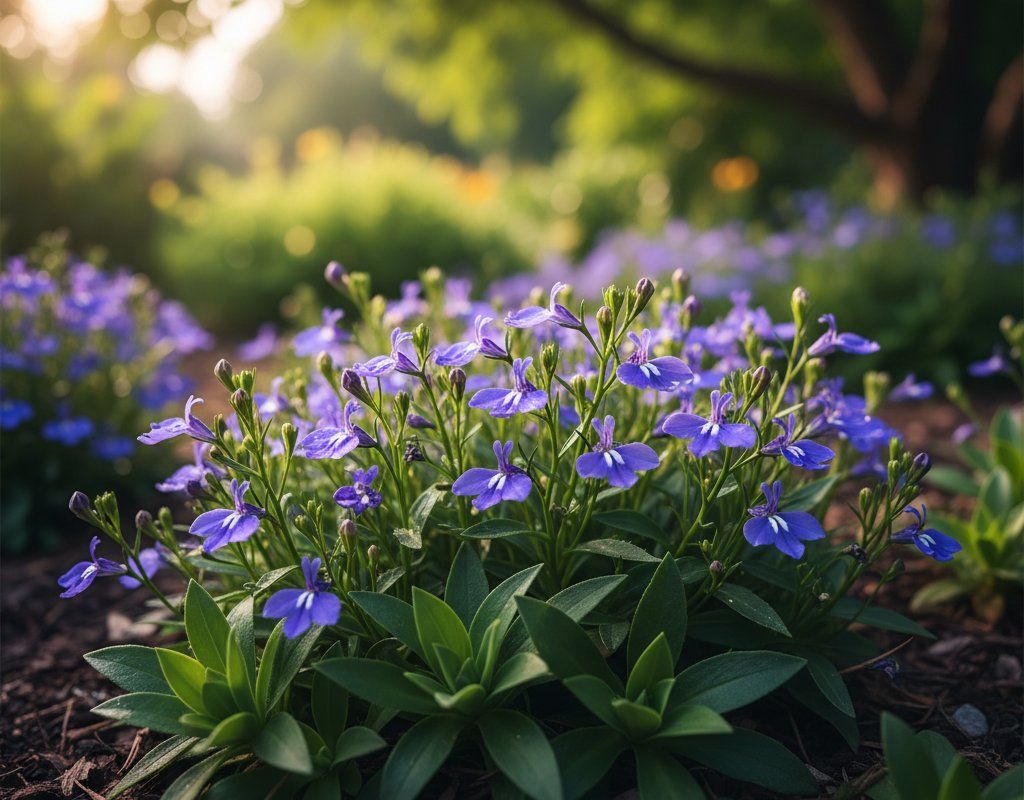
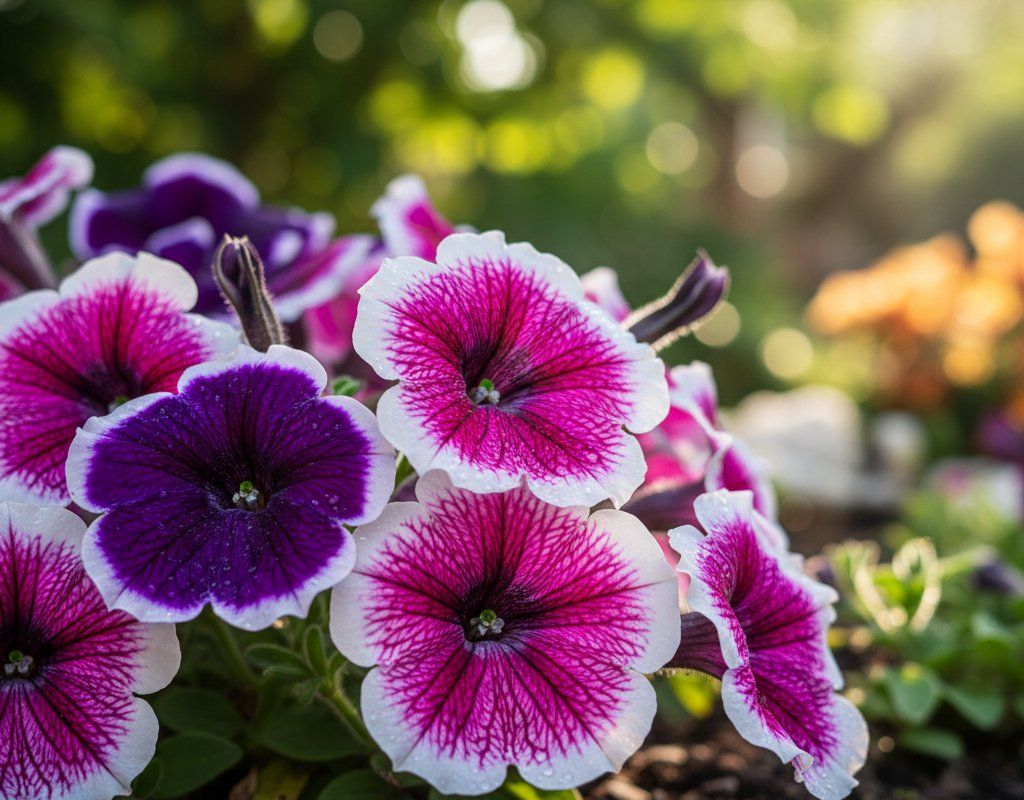
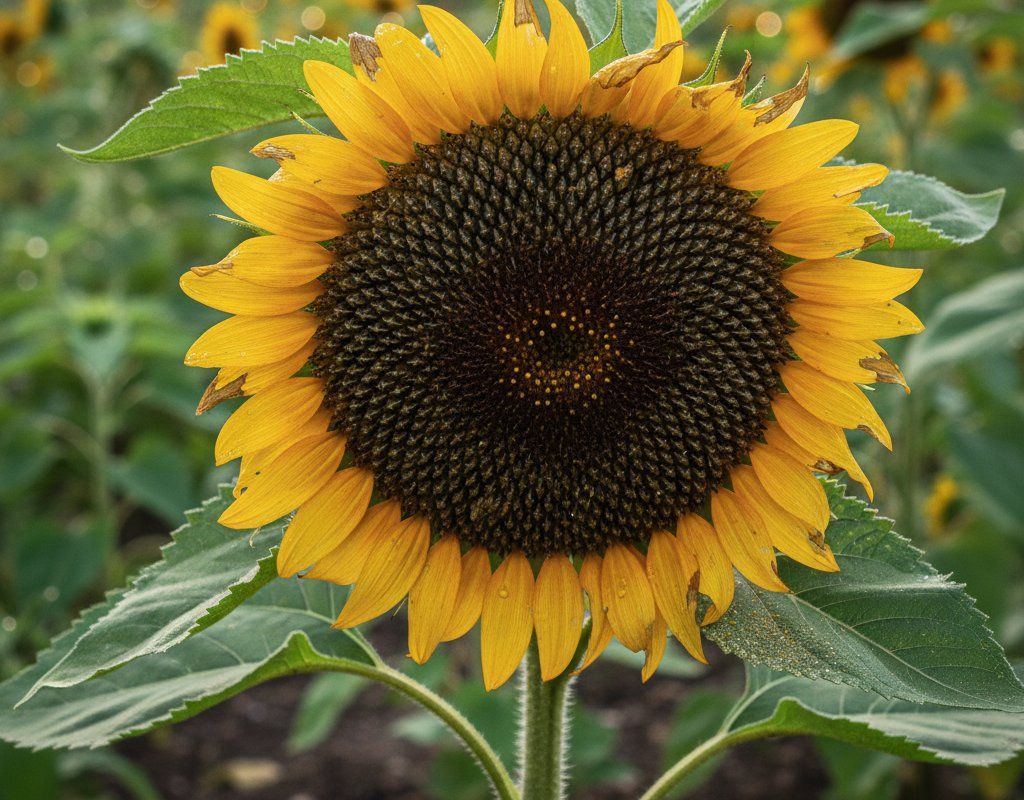
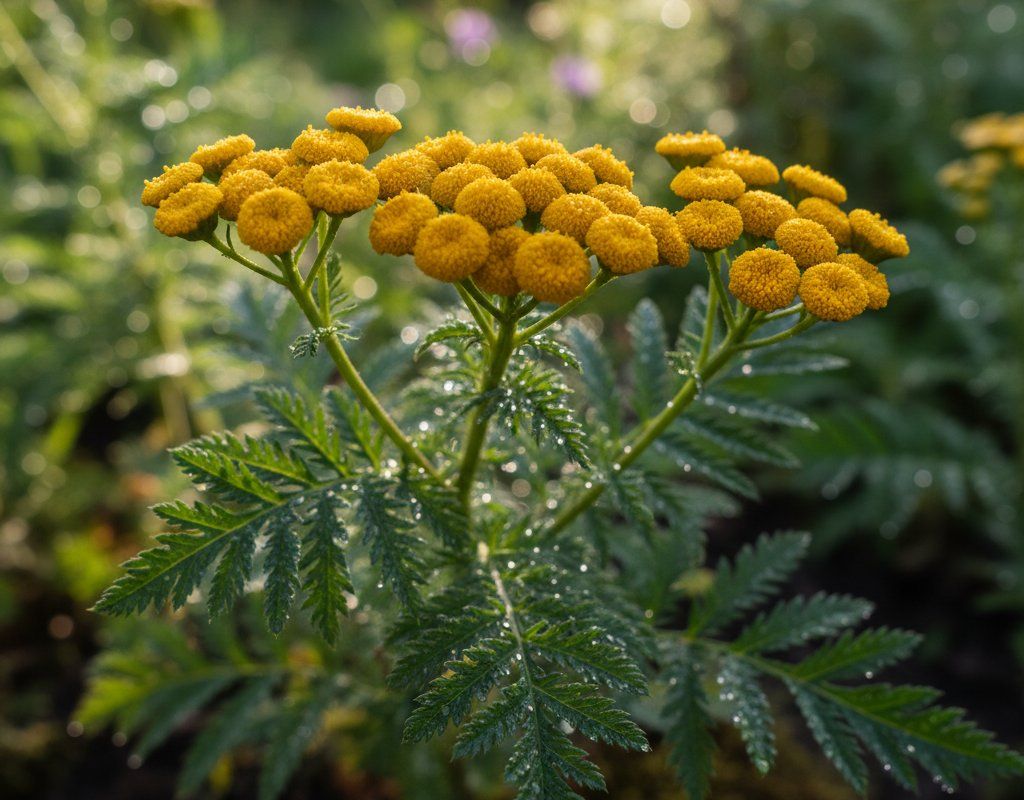
🌸Companion Flowers (20)












Month-by-Month Planting Calendar
What to do each month in your Zone 6A garden.
In January, focus on detailed garden planning and seed ordering. Review your garden layout from last year, research new vegetable varieties suited to Zone 6A, and start organizing your seed catalogs. Begin checking your gardening tools and equipment to ensure everything is ready for the upcoming growing season.
February is your prime seed-starting month indoors. Begin preparing seed trays for cool-season crops like broccoli, cauliflower, and early lettuce varieties. Check your seed-starting equipment and purchase any needed supplies like grow lights, heating mats, and sterile seed-starting mix.
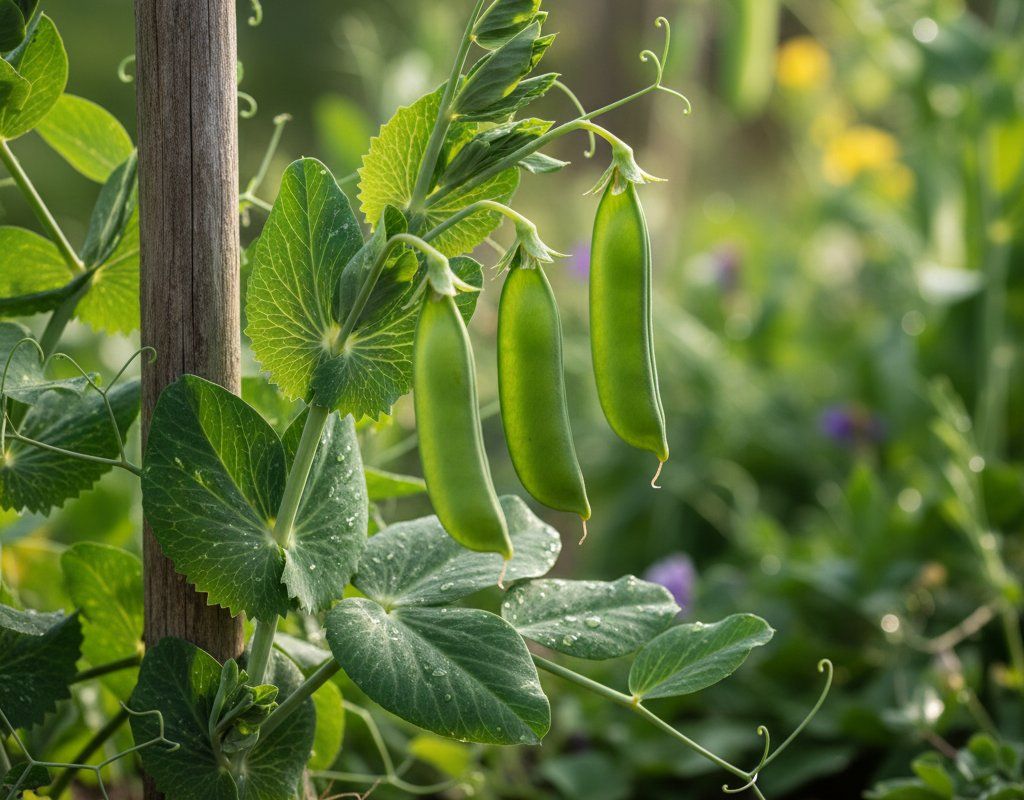
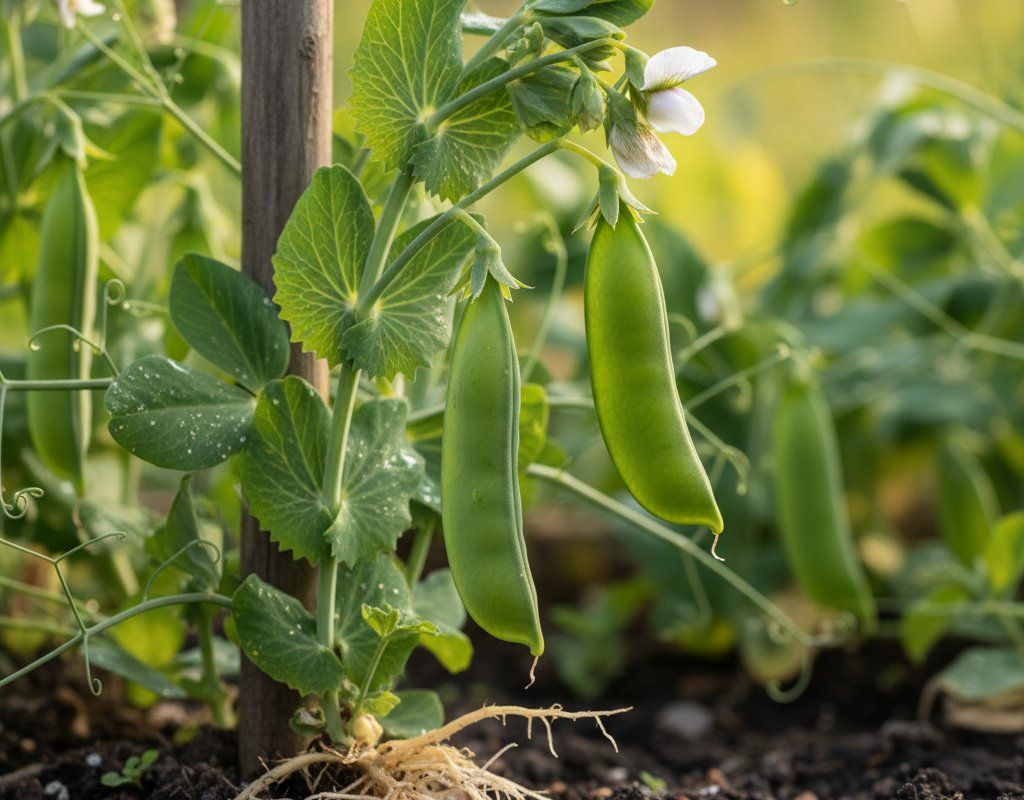
As early spring approaches, start hardening off indoor seedlings and preparing your garden beds. Clean and amend soil with compost, and consider planting cold-tolerant crops like peas, spinach, and radishes. Monitor weather forecasts closely and be prepared to protect young plants from unexpected cold snaps.
April is transition time in Zone 6A. After your last frost, begin transplanting cool-season vegetables and start direct-seeding hardy crops. Prepare your tomato and pepper transplants for eventual outdoor planting, and continue monitoring nighttime temperatures.
May brings full gardening momentum. Transplant warm-season crops like tomatoes, peppers, and eggplants after danger of frost passes. Directly seed beans, corn, and summer squash. Mulch your garden beds to retain moisture and suppress weeds.
In June, focus on maintaining your flourishing garden. Stake tomato plants, monitor for pests, and ensure consistent watering during potential heat waves. Begin harvesting early crops like lettuce and radishes, and continue succession planting for continuous yields.
July is peak summer gardening in Zone 6A. Harvest ripening tomatoes, peppers, and summer squash. Provide extra water during hot periods and monitor for pest activity. Consider planting fall crops like bush beans and late-season greens.
As summer winds down, continue harvesting and preserving your crops. Begin planning and planting fall gardens with cool-season vegetables. Clean up spent summer plants and prepare beds for autumn plantings.
September is perfect for fall crop establishment. Plant second crops of lettuce, spinach, and root vegetables. Begin cleaning up summer garden beds and consider cover crops for garden areas not in active production.
In October, focus on final harvests and garden cleanup. Pull remaining warm-season crops before first frost, preserve your harvest, and prepare garden beds for winter. Plant garlic and consider cover crops for soil health.
November is about garden winterization. Clean and store gardening tools, add mulch to perennial beds, and complete any remaining soil amendments. Review this year's garden journal and start planning next year's garden.
During December, dive deep into garden planning. Review seed catalogs, develop next year's garden layout, and order seeds early. Maintain stored crops and reflect on the past growing season's successes and challenges.
Common Challenges in Zone 6A (Pacific Northwest)
Zone 6A gives you roughly 173 frost-free days — a solid growing season for nearly all common vegetables. The signature challenge is warm spells in early spring that mimic real spring conditions.
Fruit trees bloom early, peas get planted, and then a hard frost rolls through and sets everything back. Summer brings reliable heat, but 95°F+ stretches can stress plants, especially if rainfall is inconsistent.
Tomato diseases like early blight and septoria leaf spot are common in humid 6A regions. Japanese beetles arrive in late June and feed through August.
Season Extension Tips
With a moderate climate, season extension focuses on pushing both edges. Start warm-season seeds indoors in early March for transplanting in early May.
For the earliest harvests, use Wall O' Water protectors on tomatoes starting in mid-April — they handle overnight lows into the 20s. Plant a serious fall garden: brassicas transplanted in late July, root crops direct-sown in early August, and lettuce successions through September.
Garlic goes in the ground in mid-October. Cold frames or low tunnels keep spinach and lettuce harvestable through January in many years.
Soil Preparation
Soil becomes workable in mid-April in most Zone 6A locations. Spring prep involves pulling back winter mulch, adding 1-2 inches of compost, and gently working it into the top few inches.
Avoid deep tilling if possible — it disrupts the soil food web that spent all winter building fungal networks. If starting new beds, a soil test from your local extension is the smartest $15 you'll spend.
Most 6A soils benefit from balanced organic fertilizer (like 4-4-4) worked in at planting time. Mulch with straw or shredded leaves after the soil warms in late May to conserve moisture through summer.