
Cucumber in Zone 3A — Great Plains
Cucumis sativus · Your Complete 2026 Planting Guide
Planning Ahead — Great!
You’re ahead of the season. Here’s when to start.
Mark Your Calendar
How to Plant Cucumber in Zone 3A — Great Plains
Here are all your options for getting cucumber in the ground, from the easiest method to more advanced approaches.
Direct Sow Seeds
RecommendedEarly June through early July
around June 1
Direct sow as soon as conditions allow.
Direct sowing is easiest. Start indoors only if you need a head start.
Buy Starts
Works WellEarly June through early July
around June 8
Plant purchased starts after last frost (May 25).
Start Seeds Indoors
Works WellMid May through early June
around May 18
Then transplant: Early June through early July
Start seeds 3-5 weeks before transplanting outdoors.
Start only 3 weeks before transplant — cucumbers grow fast and get rootbound.
Transplant Outdoors
Timing InfoEarly June through early July
around June 8
Wait until nighttime temperatures stay above 50°F.
You have a nice window — no need to rush.
Overview
Cucumbers bring a refreshing crunch to Plains kitchens that you simply can't buy at the store. Here in our hot summers, there's nothing quite like slicing into a cucumber you grew yourself - crisp, cool, and without that waxy coating and bland taste of shipped produce. They're perfect for our region's love of fresh salads during the heat, and one good vine can keep your family in pickles and fresh eating all season long.
Growing cucumbers in Zone 3A means working with our short 108-day season and unpredictable Plains weather, but the timing actually works in your favor. Plant after our last frost around late May, and you'll harvest through our hottest months when you need that cooling crunch most. With consistent water and wind protection, cucumbers thrive in our intense Prairie sunshine.
Starting Seeds Indoors
Starting cucumber seeds indoors makes sense if you want to squeeze every day out of our short season, but it's not essential. You can start seeds indoors from mid-May through early June, about three weeks before you plan to transplant outdoors. Cucumbers grow fast and hate being rootbound, so timing matters more than with other crops.
Set up your seed trays with good potting mix and keep them warm - around 70-75°F for best germination. Use bottom watering to avoid disturbing the seedlings, and provide strong light once they sprout. In our variable Plains springs, indoor starting gives you control over conditions when outdoor weather swings wildly.
Start only what you plan to transplant within three weeks. Cucumbers that sit too long in small containers become stressed and may never recover their vigor once transplanted.
Transplanting Outdoors
Transplant your cucumber seedlings outdoors from early June through early July, once both soil and night temperatures stay consistently above 60°F. In the Plains, this timing avoids our unpredictable late spring cold snaps while giving plants enough time to mature before early September frost.
Harden off seedlings gradually over a full week, starting with just an hour of outdoor exposure and building up daily. Our Plains wind and intense sunshine can shock indoor-grown plants, so take this step seriously. Space plants 36-60 inches apart - they need room to sprawl and good air circulation to prevent disease.
Choose a sheltered location with wind protection, especially for young transplants. A temporary windbreak of row cover or burlap for the first week helps newly transplanted cucumbers establish without battling our constant Plains wind.
Direct Sowing
Direct sowing is the easiest and most reliable way to grow cucumbers in the Plains. Sow seeds directly in the garden from early June through early July, when soil temperature reaches at least 65°F and night temperatures stay above 60°F consistently. This timing gives plants 8-10 weeks to mature before our first frost.
Prepare your soil by working in compost or well-aged manure - cucumbers are heavy feeders that need rich, well-draining soil. Plant seeds 1/2 inch deep and space them 36-60 inches apart. In our clay-heavy Prairie soils, consider planting on raised beds or mounds to improve drainage and warm the soil faster.
Direct-sown cucumbers often outperform transplants because they never experience transplant shock. They develop stronger root systems that better handle our summer heat and variable moisture conditions. Start with direct sowing unless you specifically need that extra week or two of growing time.
Watering Cucumber in Zone 3A (Great Plains)
Cucumbers are 95% water, so consistent moisture is absolutely critical for good fruit production. In our hot Plains summers with low humidity and drying winds, they need about 1-2 inches of water per week, applied deeply and regularly. Drought stress causes bitter, misshapen fruit that's barely edible.
Water at soil level rather than overhead to conserve moisture in our dry climate and prevent leaf diseases. The finger test works well - stick your finger 2 inches into the soil near the plant base. If it's dry, it's time to water deeply. During our hottest weeks in July and August, you may need to water every other day.
Mulch heavily around cucumber plants with straw or grass clippings to conserve moisture and keep soil temperatures stable. This is especially important in our variable rainfall region where you might get a soaking rain followed by two weeks of dry heat. Watch for wilting during the heat of the day - if plants don't perk up by evening, they need water immediately.
Signs of underwatering include wilted leaves, bitter fruit, and poor production. Overwatering shows up as yellowing leaves and potential root rot, though this is less common in our well-draining Prairie soils and dry climate.
Supporting Your Cucumber
Trellising cucumbers vertically works exceptionally well in Plains gardens where space is often at a premium and wind is constant. A sturdy 6-foot trellis or cattle panel provides support while allowing air circulation that helps prevent disease in our variable humidity conditions. Install supports at planting time to avoid disturbing established root systems.
Train vines up the support weekly by gently weaving them through or tying with soft cloth strips. Vertical growing produces straighter fruit and makes harvesting easier. The improved airflow helps plants dry quickly after our occasional summer storms, reducing disease pressure.
In windy locations, anchor trellises securely and consider a second support wire or stake. Our Plains winds can topple inadequately supported plants, especially when they're heavy with fruit. You can also grow cucumbers on the ground if space allows, but expect some curved fruit and harder harvesting.
🧪Fertilizing Cucumber
Feeding Schedule
Organic Fertilizer Options
Harvest Time
First cucumbers typically ripen in late July through early September, about 55 days after planting. In our Zone 3A growing season, this timing works perfectly for continuous harvest through our hottest months when fresh cucumbers taste best. Check plants daily once fruit starts forming - they grow fast in our intense summer heat.
Harvest when cucumbers are firm, dark green, and the right size for your variety - usually 6-8 inches for slicing types. Pick them before they start yellowing or developing a white patch, which indicates overripeness and bitter flavor. Cut rather than pull fruit to avoid damaging the vine.
Keep harvesting regularly to encourage continued production. A plant left with overripe fruit will slow down or stop producing new cucumbers. During peak season, you may need to harvest every other day to keep up with production.
As first frost approaches in early September, harvest all remaining fruit regardless of size. Green cucumbers can be pickled, and even small ones are usable. The vines will die with the first frost, ending your harvest season abruptly.
Common Problems in Zone 3A (Great Plains)
Powdery Mildew White or grayish powdery coating appears on leaves, stems, and sometimes fruit. Leaves curl, yellow, and eventually die, reducing plant vigor and fruit production. Unlike most plant diseases, powdery mildew actually thrives in our Plains conditions of warm days, cool nights, and moderate humidity with dry leaf surfaces.
Improve air circulation through proper spacing (36-60 inches) and remove lower leaves that touch the ground. A simple milk spray (1 part milk to 9 parts water) applied weekly is surprisingly effective. Neem oil or potassium bicarbonate sprays also help, but apply them in early morning or evening to avoid leaf burn in our intense sunshine.
Cucumber Beetles Small yellow-green beetles with black spots or stripes chew holes in leaves and flowers. More seriously, they transmit bacterial wilt that causes plants to suddenly collapse and die. These pests thrive in our hot Plains summers and can destroy entire crops if left unchecked.
Use row covers until flowering begins, then remove for pollination. Hand-pick beetles in early morning when they're sluggish. Yellow sticky traps help monitor and catch adults. Interplanting with radishes as a trap crop can draw beetles away from cucumbers. Neem oil spray provides some control but requires regular application.
Bitter Fruit Cucumbers taste bitter, especially near the stem end, even though they look perfectly normal. This happens when plants produce excess cucurbitacin, usually triggered by water stress, extreme temperature swings, or irregular watering - all common in our variable Plains climate.
Maintain consistent soil moisture with deep, regular watering and heavy mulching. Harvest regularly before fruit gets oversized, and choose bitter-free or "burpless" varieties bred for consistent flavor. If bitterness occurs, peel cucumbers from the blossom end toward the stem, as most bitter compounds concentrate near the stem.
Great Plains Specific Challenges: Our combination of hot summers, drying winds, and variable rainfall creates perfect conditions for water stress - the root cause of most cucumber problems. The extreme temperature swings between day and night, plus our intense UV exposure, stress plants and trigger bitter fruit production more than in milder climates.
Best Companions for Cucumber
Plant these nearby for healthier Cucumber and better harvests.


Keep Away From
Companion Planting Details
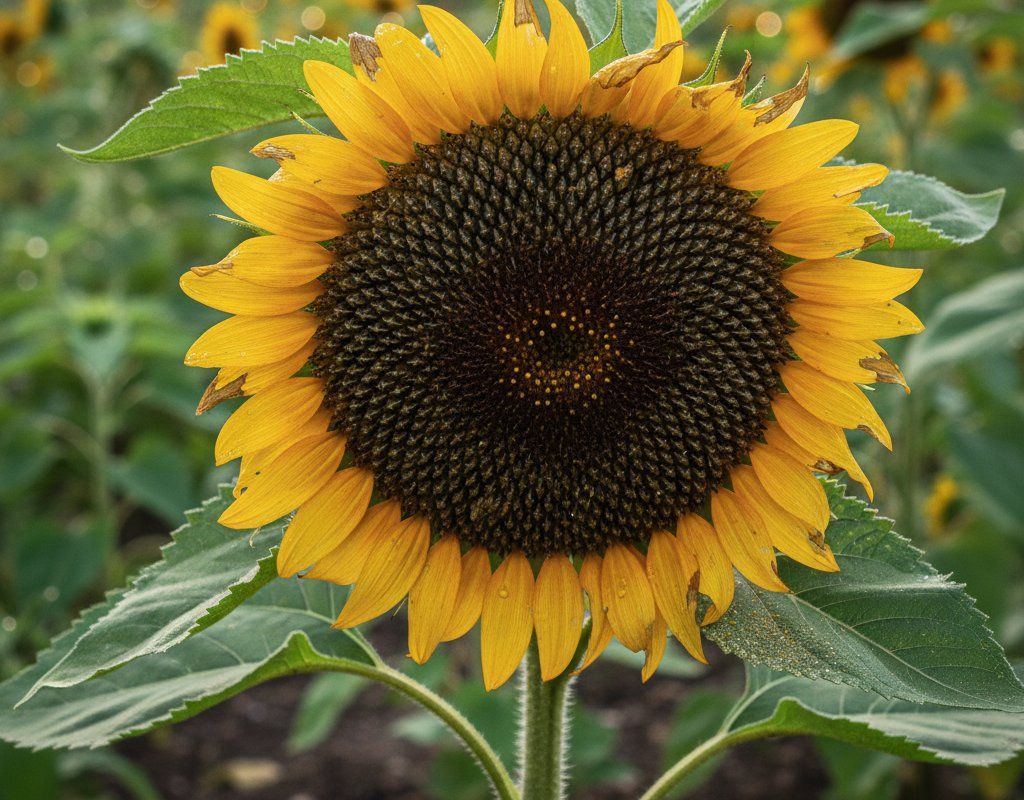
Plant cucumbers with beans, corn, and sunflowers for a classic "three sisters plus" arrangement that works beautifully in Plains gardens. Corn provides natural wind protection and vertical space for beans to climb, while beans fix nitrogen that feeds heavy-feeding cucumbers. Sunflowers create additional windbreaks and attract beneficial insects for pest control and pollination.
Radishes make excellent companions when planted around cucumber hills - they mature quickly before cucumbers need the space, help break up clay soil, and actually trap cucumber beetles away from your main crop. Avoid planting near potatoes (they compete for nutrients) or aromatic herbs like sage or basil, which can inhibit cucumber growth in our already challenging Plains growing conditions.
🌸Best Flowers to Plant with Cucumber
These flowers protect your Cucumber from pests and attract pollinators for better harvests.
For Pest Control






Get a Reminder When It's Time to Plant
We'll email you when key planting windows open for your zone.