
Cucumber in Zone 3B — Great Plains
Cucumis sativus · Your Complete 2026 Planting Guide
Planning Ahead — Great!
You’re ahead of the season. Here’s when to start.
Mark Your Calendar
How to Plant Cucumber in Zone 3B — Great Plains
Here are all your options for getting cucumber in the ground, from the easiest method to more advanced approaches.
Direct Sow Seeds
RecommendedLate May through early July
around May 27
Consider succession planting every 2-3 weeks for continuous harvest.
Direct sowing is easiest. Start indoors only if you need a head start.
Buy Starts
Works WellEarly June through early July
around June 3
Plant purchased starts after last frost (May 20).
Start Seeds Indoors
Works WellEarly to late May
around May 13
Then transplant: Early June through early July
Start seeds 3-5 weeks before transplanting outdoors.
Start only 3 weeks before transplant — cucumbers grow fast and get rootbound.
Transplant Outdoors
Timing InfoEarly June through early July
around June 3
Wait until nighttime temperatures stay above 50°F.
You have a nice window — no need to rush.
Overview
Cucumbers thrive in our Plains heat and intense sunshine, producing crisp, refreshing fruits that taste nothing like those watery store-bought versions. With our fertile prairie soil and low disease pressure, you can grow impressive yields of slicing cucumbers, pickling varieties, or specialty types like lemon cucumbers. The key is working with our extreme weather patterns and making the most of that brilliant summer sun.
Our short 118-day growing season and unpredictable spring weather make timing crucial for cucumbers. These heat-loving, frost-tender plants need warm soil and consistent moisture, but once established, they'll reward you with abundant harvests from late summer through early fall. The trick is getting them started at the right moment and keeping them well-watered through our hot, often dry summers.
Starting Seeds Indoors
Starting cucumber seeds indoors makes sense only if you want to maximize your short season or try specialty varieties that need extra time. Start seeds in early to late May, about 3 weeks before you plan to transplant outdoors. Use individual peat pots or cells since cucumbers hate root disturbance.
Keep seed trays warm (75-85°F) and use bottom watering to prevent damping-off. Once seedlings emerge, they need bright light and consistent moisture. With our variable spring weather, indoor starting gives you control over timing, but don't start too early - cucumber seedlings grow fast and become rootbound quickly.
Only start 3 weeks before transplant time. These vigorous plants will outgrow their containers if you start them too soon, leading to stunted growth when transplanted.
Transplanting Outdoors
Transplant cucumber seedlings outdoors from early June through early July, once soil temperatures consistently reach 65°F and night temperatures stay above 50°F. In our Plains climate, this timing avoids late spring cold snaps that can kill tender cucumber plants.
Harden off seedlings for a full week before transplanting, gradually increasing their exposure to outdoor conditions including our constant wind. Space transplants 36-60 inches apart depending on variety and whether you're trellising. Plant on a calm day if possible and provide immediate wind protection with row covers or temporary barriers.
Water transplants deeply right after planting and mulch around them to conserve moisture. Our intense sun and drying winds can stress newly transplanted cucumbers, so some temporary shade cloth helps for the first few days.
Direct Sowing
Direct sowing is the best method for cucumbers in our region - it's simpler and plants establish better without transplant shock. Sow seeds from late May through early July when soil temperature reaches 65°F and stays there. Wait until at least a week after your last expected frost, typically mid-May.
Prepare planting areas by working compost into our already-rich prairie soil. Plant seeds 1/2 to 1 inch deep and space them according to your variety - 36 inches apart for bush types, up to 60 inches for vining varieties. In our variable spring weather, consider succession planting every 2-3 weeks through early July to extend your harvest.
Direct-seeded cucumbers develop stronger root systems that handle our drought conditions better than transplants. Plant extra seeds and thin to the strongest seedlings once they're established. The vigorous growth will surprise you once our summer heat kicks in.
Watering Cucumber in Zone 3B (Great Plains)
Cucumbers are 95% water, making consistent moisture absolutely critical in our often-dry Plains climate. These plants need 1-2 inches of water per week, more during our hottest summer days when temperatures hit 93°F or higher. Never let cucumber plants experience drought stress - it makes the fruit bitter and can stunt growth permanently.
Check soil moisture by sticking your finger 2 inches deep near the base of plants. In our low-to-moderate humidity and intense sun, the surface may look dry while deeper soil still has moisture. Water deeply at the base rather than overhead - our dry air makes foliar diseases less of a concern than in humid regions, but ground-level watering is still more efficient.
During peak summer heat, you may need to water every other day. Signs of underwatering include wilting leaves, slow growth, and bitter fruit. Overwatering shows up as yellowing leaves and poor fruit development. Our prairie winds increase water needs, so factor that into your schedule.
Mulch heavily around cucumber plants to conserve moisture and reduce watering frequency. Use grass clippings, straw, or shredded leaves - anything that holds moisture while allowing air circulation. Good mulching can reduce your watering needs by half during our dry spells.
Supporting Your Cucumber
Trellising cucumbers saves space and produces straighter, cleaner fruit while improving air circulation in our windy climate. Install a sturdy 6-foot trellis or cattle panel at planting time - cucumber vines grow quickly once warm weather arrives. T-posts work well anchored deep in our prairie soil.
Train cucumber vines up the trellis by gently weaving them through or tying with soft ties. The plants will grab on with their tendrils once they get started. Vertical growing also makes harvesting easier and keeps fruit off the ground where it might rot during wet spells.
Wind protection is essential in our region - add row covers or create windbreaks on the prevailing wind side of your trellis. A solid fence or even tall companion plants can provide enough protection. Ground-grown cucumbers work too, but they need more space and the fruit may develop flat spots where it touches the soil.
🧪Fertilizing Cucumber
Feeding Schedule
Organic Fertilizer Options
Harvest Time
Expect your first cucumbers from late July through mid-September, depending on planting date and variety. Most cucumbers are ready 55 days from seed, but our intense Plains sunshine can speed this up slightly. Harvest cucumbers when they're firm, dark green, and the right size for your variety - usually 6-8 inches for slicers, 3-4 inches for picklers.
Check plants daily once fruiting begins because cucumbers grow fast in our summer heat. Harvest in early morning when fruits are cool and crisp. Use a sharp knife or pruning shears to cut the stem rather than pulling, which can damage the vine. Look for firm skin with good color - avoid any that are starting to yellow or feel soft.
Keep harvesting regularly to encourage continued production. One missed overripe cucumber can signal the plant to stop producing new fruit. Pick every 2-3 days during peak season, more often during hot spells when growth accelerates.
As our first frost approaches in mid-September, harvest all remaining cucumbers regardless of size. Green tomatoes might ripen indoors, but cucumbers won't improve off the vine. Use small ones for pickles and enjoy the satisfaction of beating our short season.
Common Problems in Zone 3B (Great Plains)
Powdery Mildew White or grayish powdery coating appears on leaves, stems, and sometimes fruit. Leaves curl, turn yellow, and die back, reducing plant vigor and fruit production. Unlike many fungal diseases, this one actually prefers dry leaf surfaces, making it common in our low-humidity Plains climate.
This fungus thrives in our typical summer pattern of warm days and cooler nights with moderate humidity. Crowded plants with poor air circulation make it worse. Improve spacing between plants and remove affected leaves immediately. Spray with neem oil, potassium bicarbonate solution, or surprisingly effective milk spray (1 part milk to 9 parts water). Choose resistant varieties when possible.
Cucumber Beetles Small yellow-green beetles with black spots or stripes appear on leaves and flowers, creating small holes in foliage. More seriously, these beetles transmit bacterial wilt disease that can kill entire plants suddenly. You'll see wilting that doesn't recover with watering.
Adult beetles overwinter in our prairie grass and emerge when cucumber plants appear. They feed and lay eggs, with larvae damaging roots underground. Use row covers until flowering begins, then remove for pollination. Hand-pick beetles in early morning when they're sluggish. Yellow sticky traps help, and interplanting with radishes as trap crops draws them away from cucumbers.
Bitter Fruit Cucumbers develop a bitter taste, especially near the stem end, making them unpalatable even when they look normal. This happens when plants produce excess cucurbitacin, a natural compound that increases under stress conditions.
Our extreme temperature swings, drought stress, and inconsistent watering trigger bitterness in cucumbers. Maintain consistent soil moisture and avoid letting plants wilt. Harvest regularly since oversized fruit becomes more bitter. Choose 'burpless' or bitter-free varieties bred for consistent flavor. If bitterness occurs, peel from the blossom end toward the stem to minimize the problem.
Great Plains Specific Challenges: Our combination of intense heat, variable rainfall, and constant wind creates unique stresses for cucumber plants. The key is consistent watering, wind protection, and choosing varieties adapted to extreme weather conditions. Mulching heavily and providing some afternoon shade during the hottest days can prevent many problems before they start.
Best Companions for Cucumber
Plant these nearby for healthier Cucumber and better harvests.


Keep Away From
Companion Planting Details
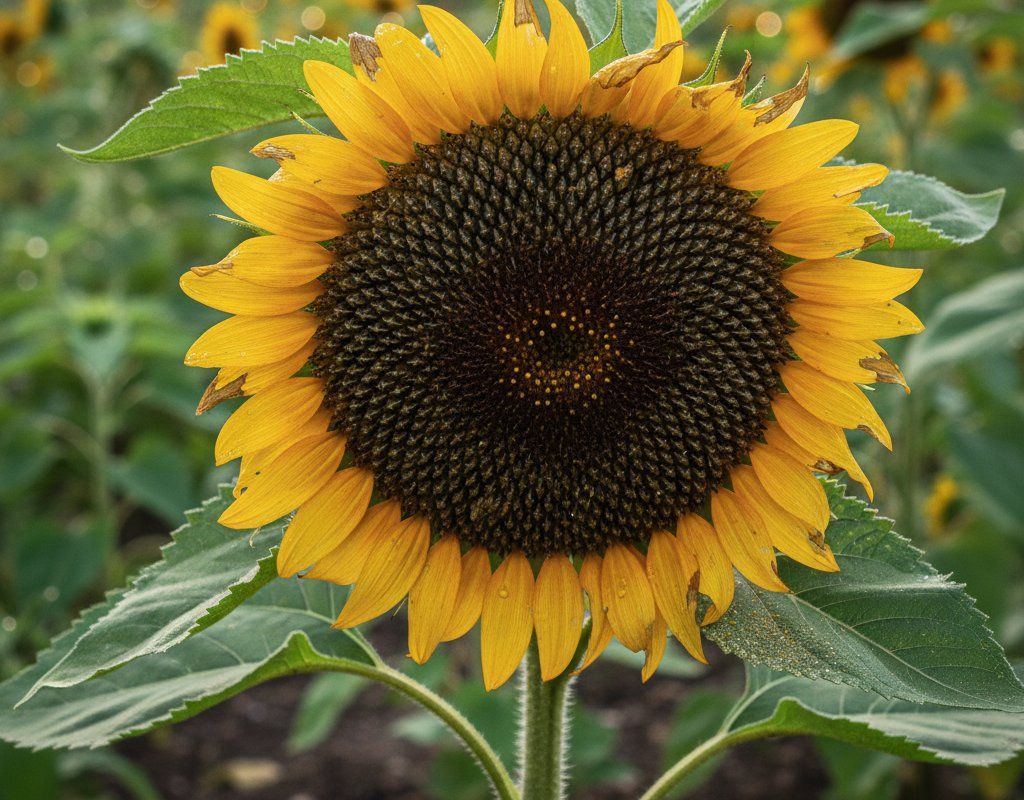
Corn and sunflowers make excellent companions for cucumbers, providing natural wind protection while the cucumber vines can climb their sturdy stalks. Beans fix nitrogen in the soil that cucumber plants can use, while radishes planted nearby serve as trap crops for cucumber beetles. Bush beans work particularly well since they don't compete much for space.
Avoid planting cucumbers near potatoes, which can harbor similar diseases, or aromatic herbs like sage and basil that may inhibit cucumber growth. In our windy Plains climate, focus on companions that provide wind protection and pest control rather than just traditional garden folklore. Tall companions on the prevailing wind side create beneficial microclimates for heat-loving cucumbers.
🌸Best Flowers to Plant with Cucumber
These flowers protect your Cucumber from pests and attract pollinators for better harvests.
For Pest Control






Get a Reminder When It's Time to Plant
We'll email you when key planting windows open for your zone.