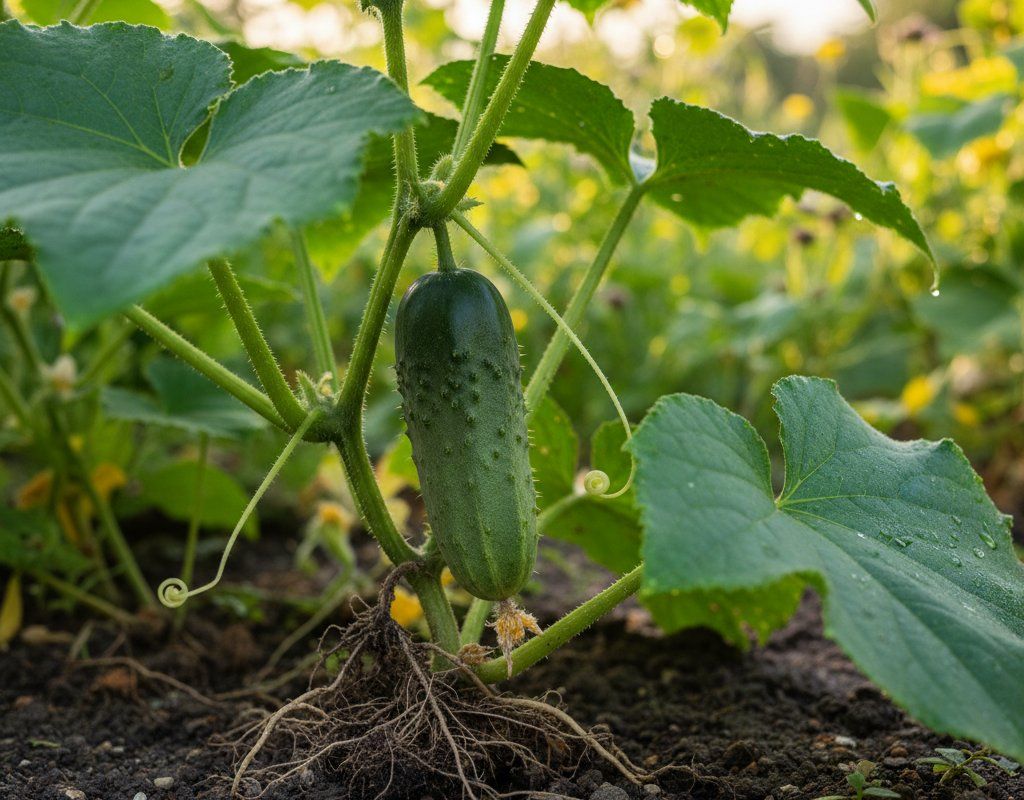
Cucumber in Zone 5A — Mountain West
Cucumis sativus · Your Complete 2026 Planting Guide
Planning Ahead — Great!
You’re ahead of the season. Here’s when to start.
Mark Your Calendar
How to Plant Cucumber in Zone 5A — Mountain West
Here are all your options for getting cucumber in the ground, from the easiest method to more advanced approaches.
Direct Sow Seeds
RecommendedMid May through mid July
around May 17
Consider succession planting every 2-3 weeks for continuous harvest.
Direct sowing is easiest. Start indoors only if you need a head start.
Buy Starts
Works WellLate May through late June
around May 24
Plant purchased starts after last frost (May 10).
Start Seeds Indoors
Works WellLate April through mid May
around May 3
Then transplant: Late May through late June
Start seeds 3-5 weeks before transplanting outdoors.
Start only 3 weeks before transplant — cucumbers grow fast and get rootbound.
Transplant Outdoors
Timing InfoLate May through late June
around May 24
Wait until nighttime temperatures stay above 50°F.
You have a nice window — no need to rush.
Overview
Cucumbers thrive in our Mountain West gardens when you time them right, delivering crisp, refreshing fruit that puts store-bought options to shame. Our intense sunlight and cool nights create excellent growing conditions once the soil warms up, producing cucumbers with outstanding flavor and texture. The moderate summer temperatures at altitude mean less stress on the plants compared to lower elevation gardens, while our low humidity reduces disease pressure.
Yes, our short 138-day growing season and late spring start require careful planning, but cucumbers are remarkably productive once established. With proper timing and consistent watering, you'll have more fresh cucumbers than you know what to do with from mid-summer through your first frost in late September.
Starting Seeds Indoors
Starting cucumber seeds indoors makes sense if you want to maximize your harvest window or if you're growing specialty varieties that need every day of our short season. Start seeds about 3 weeks before transplanting, typically from late April through mid-May, since cucumbers grow fast and become rootbound quickly in containers.
Use seed trays with good drainage and keep soil temperature around 70-75°F for best germination. A heat mat helps in our cool Mountain homes. Bottom watering works well for cucumber seedlings since it prevents damping off and encourages strong root development.
Don't start too early – cucumber seedlings hate being transplant-shocked and won't tolerate our unpredictable late spring weather. Three weeks is plenty of time for healthy transplants that will establish quickly once you move them outside.
Transplanting Outdoors
Transplant your indoor-started cucumbers from late May through late June, after soil temperatures consistently reach 60°F and nighttime temperatures stay above 50°F. Our Mountain springs can be deceptively variable, so wait for stable warm weather rather than rushing based on calendar dates.
Harden off transplants gradually over a week by setting them outside during warm afternoons, then bringing them in for cool nights. This helps them adjust to our intense UV and temperature swings. Space plants 36-60 inches apart – they'll need room to spread or climb.
Choose a protected spot for the first few days since transplants can struggle with our sudden weather changes and intense sun. Light shade cloth during the hottest part of the day helps newly transplanted cucumbers establish without stress.
Direct Sowing
Direct sowing is the easiest and most reliable method for cucumbers in our Mountain climate. Sow seeds from mid-May through mid-July, once soil temperature reaches at least 60°F and stays warm. The extended planting window lets you succession plant for continuous harvest through fall.
Prepare your soil with plenty of compost since cucumbers are heavy feeders and need excellent drainage. Plant seeds 1 inch deep and space them 36-60 inches apart – they spread more than you'd expect. Our alkaline soil benefits from added organic matter to improve both drainage and nutrient availability.
Direct-sown seeds establish better root systems and handle our temperature fluctuations more readily than transplants. You can plant as late as mid-July and still get a good crop before frost, making this method perfect for our short but intense growing season.
Watering Cucumber in Zone 5A (Mountain West)
Cucumbers need consistent, deep watering in our dry Mountain climate – they're 95% water and show stress quickly when thirsty. Plan on providing 1-2 inches of water per week, more during hot spells or when fruit is developing. Our low humidity and intense sun mean plants lose moisture rapidly even on moderate days.
Use the finger test: stick your finger 2 inches into the soil near the base of the plant. If it's dry, it's time to water. Water deeply at soil level rather than overhead to maximize efficiency in our dry air and prevent leaf diseases. Soaker hoses or drip irrigation work exceptionally well here.
Watch for signs of water stress: wilting during the heat of the day (even when soil is moist) is normal, but wilting in morning or evening means they need more water. Bitter fruit is often the result of inconsistent watering, so maintain steady soil moisture throughout the growing season.
Apply 2-3 inches of organic mulch around plants to conserve moisture and moderate soil temperature. In our climate, grass clippings, straw, or shredded leaves work well and help stretch your watering efforts further.
Supporting Your Cucumber
Trellising cucumbers works exceptionally well in our Mountain gardens, saving precious space while improving air circulation in our dry climate. Install sturdy supports at planting time – a 6-foot trellis, cattle panel, or even a simple teepee of poles gives vines room to climb and produces straighter fruit.
Vertical growing also keeps fruit off the ground, reducing pest issues and making harvest easier. Train young vines gently onto supports using soft ties, and they'll quickly grab on with their tendrils. The improved airflow around trellised plants helps prevent the few fungal issues that can develop in our climate.
You can certainly let cucumbers sprawl on the ground if you have space, but vertical growing makes better use of our short season by concentrating plant energy into fruit production rather than excessive foliage.
🧪Fertilizing Cucumber
Feeding Schedule
Organic Fertilizer Options
Harvest Time
Your first cucumbers will be ready from mid-July through late September, about 55 days from direct seeding. Harvest when fruits are firm, dark green, and have reached the expected size for your variety – usually 6-8 inches for slicing types. Don't wait for them to turn yellow, as overripe cucumbers become bitter and seedy.
Check plants daily once production begins, as cucumbers grow fast in our intense summer sun. Cut rather than pull fruit to avoid damaging vines, and harvest regularly to keep plants producing. A cucumber that's perfect in the morning can be oversized by evening during peak growing weather.
Keep harvesting until your first hard frost, typically in late September. Plants will continue producing right up until frost kills them, so you'll get maximum value from your short growing season. Pick any remaining green fruit before frost – they'll keep for weeks in cool storage.
As fall approaches and night temperatures drop into the 40s, production slows but doesn't stop. Cover plants with row covers on borderline nights to extend your harvest a few more weeks.
Common Problems in Zone 5A (Mountain West)
Powdery Mildew: White or grayish powdery coating appears on leaves, starting on older foliage and spreading upward. Leaves eventually yellow and die, reducing plant vigor and fruit quality. This fungal disease thrives in our climate's warm days and cool nights, actually preferring the dry leaf surfaces common in low humidity areas.
Improve air circulation by proper spacing and pruning lower leaves that touch the ground. Remove affected leaves immediately and dispose of them away from the garden. Spray with neem oil or potassium bicarbonate early in the morning. A simple milk spray (1 part milk to 9 parts water) applied weekly is surprisingly effective and safe for Mountain gardens.
Cucumber Beetles: Small yellow-green beetles with black spots or stripes feeding on leaves and flowers, creating small holes throughout the foliage. More serious than the feeding damage is bacterial wilt disease these beetles transmit, which causes sudden plant collapse even when soil moisture is adequate.
Use row covers until plants begin flowering, then remove for pollination. Hand-pick beetles in early morning when they're sluggish. Yellow sticky traps help monitor and catch adults. Interplant with radishes or nasturtiums as trap crops – beetles prefer these over cucumbers.
Bitter Fruit: Cucumbers taste bitter, especially near the stem end, even though they look perfectly normal. This happens when plants produce excess cucurbitacin, a compound that increases under stress conditions common in our climate.
Maintain consistent soil moisture – bitter fruit often results from drought stress followed by heavy watering. Our intense sun and dry air can stress plants quickly, so mulch well and water regularly. Harvest frequently and don't let fruit become oversized. Choose 'burpless' or bitter-free varieties if this is a persistent problem.
Mountain West Specific Challenges: Our combination of intense UV, low humidity, and temperature swings creates unique growing conditions for cucumbers. The dry air means faster moisture loss but also reduces fungal diseases that plague more humid regions. Focus on consistent watering and some afternoon shade during the hottest days to prevent stress-related problems like bitter fruit.
Best Companions for Cucumber
Plant these nearby for healthier Cucumber and better harvests.

Keep Away From
Companion Planting Details
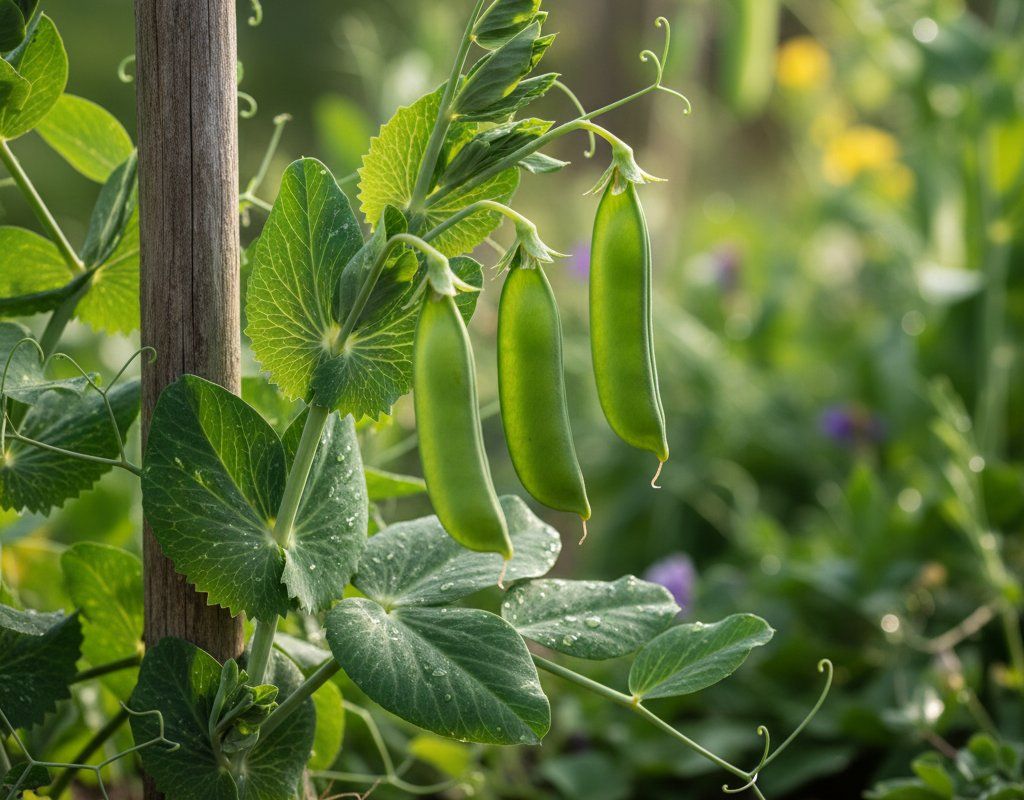
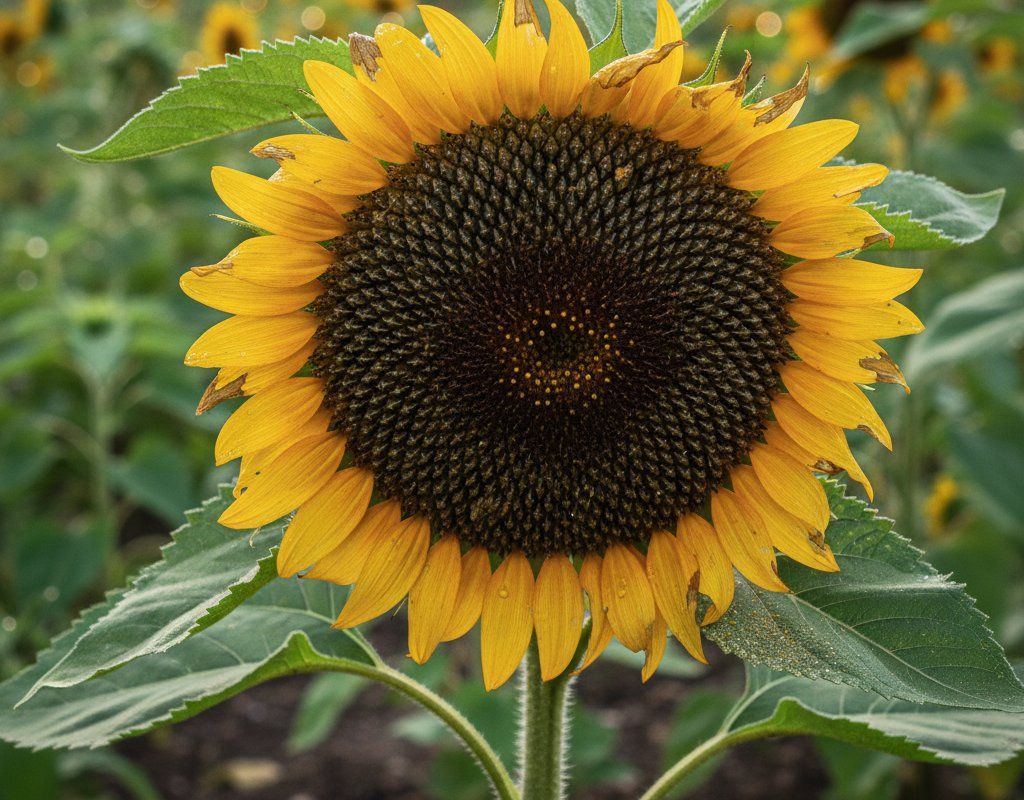
Plant cucumbers with beans, corn, and peas – these nitrogen-fixers help feed heavy-feeding cucumber vines while the cucumbers' sprawling habit helps suppress weeds around their companions. Radishes planted nearby act as trap crops for cucumber beetles and mature quickly in our short season without competing for space. Sunflowers make excellent living trellises and provide beneficial afternoon shade in our intense Mountain sun.
Avoid planting near potatoes, which compete for similar nutrients and can harbor diseases that affect cucumbers. Keep aromatic herbs like sage and rosemary at a distance – their strong scents may deter beneficial pollinators that cucumbers need for fruit set, and they prefer much drier conditions than cucumber vines require.
🌸Best Flowers to Plant with Cucumber
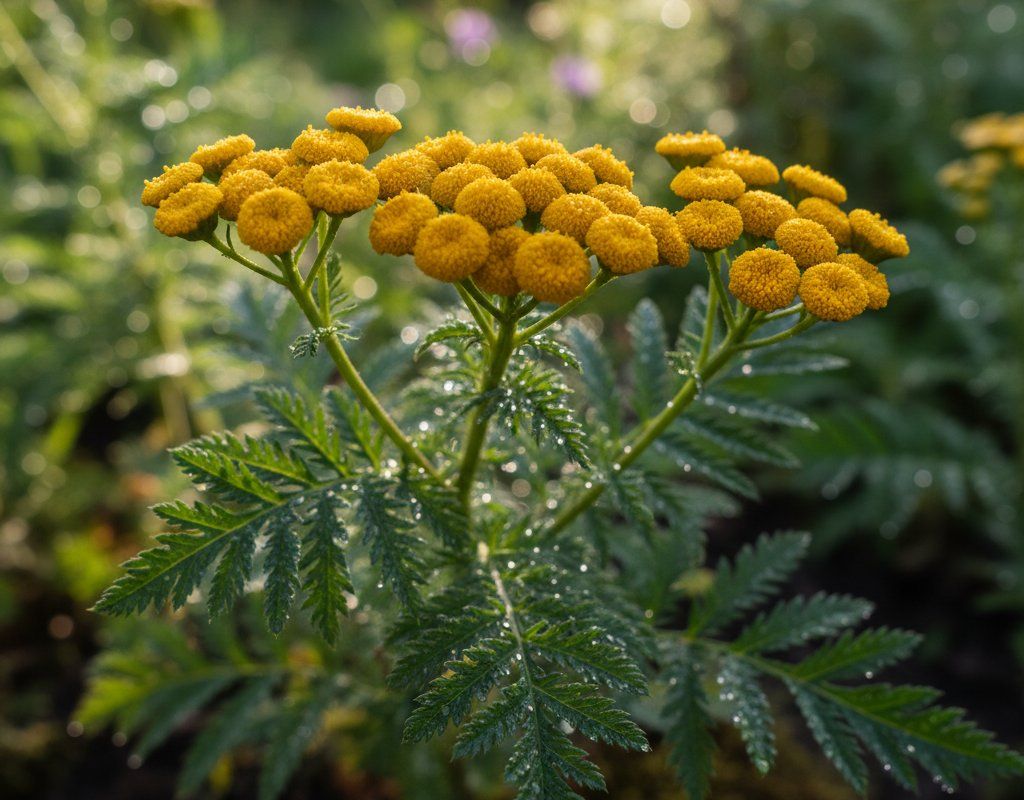
These flowers protect your Cucumber from pests and attract pollinators for better harvests.
For Pest Control






Get a Reminder When It's Time to Plant
We'll email you when key planting windows open for your zone.