
French Marigold in Zone 5A — Mountain West
Tagetes patula · Your Complete 2026 Planting Guide
Planning Ahead — Great!
You’re ahead of the season. Here’s when to start.
Mark Your Calendar
How to Plant French Marigold in Zone 5A — Mountain West
Here are all your options for getting french marigold in the ground, from the easiest method to more advanced approaches.
Direct Sow Seeds
RecommendedEarly May through late July
around May 10
Consider succession planting every 2-3 weeks for continuous harvest.
Start Seeds Indoors
RecommendedEarly to late April
around April 12
Then transplant: Late May through early July
Start seeds 6-8 weeks before transplanting outdoors.
Buy Starts
Works WellLate May through early July
around May 24
Plant purchased starts after last frost (May 10).
Transplant Outdoors
Timing InfoLate May through early July
around May 24
Wait until nighttime temperatures stay above 50°F.
You have a nice window — no need to rush.
Overview
French Marigolds are a fantastic addition to any Mountain West garden. Their bright colors bring cheer, and their edible petals add a unique, slightly citrusy flavor to salads and other dishes. Plus, they're incredibly easy to grow, providing a big reward for relatively little effort in our short season.
Our high altitude and intense sun can be tough on some plants, but French Marigolds thrive here. With our 138-day growing season, starting at the right time is key, but you'll have plenty of time to enjoy these beauties if you plan well.
Starting Seeds Indoors
Starting French Marigolds indoors gives you a jump start on our short growing season, but isn't strictly necessary. If you're aiming for the earliest possible blooms, or if you want to ensure you get a harvest before the first frost, starting indoors is a good idea.
Start your seeds indoors in early to late April, about six weeks before you plan to transplant them outside. Use seed trays or small pots filled with a good quality seed starting mix. Keep the soil consistently moist, bottom watering is an excellent way to prevent damping off. Place the trays in a warm location with plenty of light – a sunny windowsill or under grow lights works well. Our late springs in the mountains mean you need to be patient and avoid putting seedlings out too early.
Transplanting Outdoors
Transplant your French Marigold seedlings outdoors in late May through early July, after the danger of frost has passed. Before transplanting, harden off your seedlings by gradually exposing them to outdoor conditions for about a week. Start with an hour or two of shade, then slowly increase the amount of sun and wind exposure each day.
When transplanting, space the plants 8-10 inches apart. Choose a sunny spot with well-drained soil. Keep an eye on the weather forecast; even in late spring, we can get unexpected cold snaps in the mountains. If frost is predicted, cover your young plants with frost blankets or cloches.
Direct Sowing
Direct sowing French Marigolds is a simple and effective method, especially if you're not in a rush for early blooms. Direct sowing is a great option if you have plenty of space and want a more natural, less intensive gardening approach.
Sow seeds directly into the garden in early May through late July, after the soil has warmed up. Choose a sunny location with well-drained soil. Prepare the soil by loosening it and removing any rocks or debris. Sow the seeds about ¼ inch deep and space them 8-10 inches apart. Keep the soil consistently moist until the seedlings emerge.
Watering French Marigold in Zone 5A (Mountain West)
French Marigolds are surprisingly drought-tolerant once they're established, making them a great choice for our dry Mountain West climate. You'll want to adjust your watering schedule based on the season and the plant's stage of growth.
In the spring, water regularly to help young plants establish strong roots. During the hotter summer months, water deeply but infrequently, allowing the soil to dry out slightly between waterings. A good rule of thumb is to water when the top two inches of soil feel dry to the touch – the "finger test." Typically, this means watering about once a week, providing about an inch of water at a time. Focus watering at the base of the plants, rather than overhead, to minimize the risk of fungal diseases in our low humidity environment.
Signs of underwatering include wilting leaves and stunted growth. Overwatering, on the other hand, can lead to root rot and yellowing leaves. To help retain moisture and suppress weeds, add a layer of mulch around your French Marigolds. Straw, wood chips, or even gravel work well in our region.
Pruning & Maintaining French Marigold
Deadheading is key to keeping your French Marigolds blooming all season long. It encourages the plant to produce more flowers instead of putting energy into seed production.
Throughout the growing season, regularly remove spent flowers by snipping them off just below the flower head. You can do this as often as every few days, or at least once a week. As our first frost approaches in late September, you can let the last few flowers of the season go to seed if you want to collect them for next year.
🧪Fertilizing French Marigold
Feeding Schedule
Organic Fertilizer Options
Harvest Time
You can expect your first French Marigold blooms about 50 days after planting, usually in late June through late September in our zone. Harvest the flowers when they are fully open and the petals are brightly colored.
To harvest, simply snip the flower stems with scissors or pruning shears. Be gentle to avoid damaging the plant. French Marigolds are continuous bloomers, so the more you harvest, the more they'll produce. As the end of the season approaches and the first frost threatens, harvest all remaining flowers to enjoy indoors before they are damaged by the cold.
Common Problems in Zone 5A (Mountain West)
Even in the Mountain West, French Marigolds can encounter a few problems. Here's how to handle them:
Spider Mites
- What it looks like: Fine webbing on the leaves and tiny, spider-like creatures on the undersides. Leaves may look stippled or yellowed.
- What causes it: Hot, dry conditions common in our Mountain West summers. Spider mites thrive in low humidity.
- How to fix/prevent it: Increase humidity around the plants by misting them with water, especially during hot, dry spells. Strong blasts of water from a hose can dislodge spider mites. Insecticidal soap or neem oil can also be effective.
Powdery Mildew
- What it looks like: White or grayish powdery coating on leaves, stems, and sometimes flower buds. Leaves may curl, yellow, and die.
- What causes it: Various fungi that thrive in warm days, cool nights, and moderate humidity. Dry leaf surfaces actually favor it.
- How to fix/prevent it: Improve air circulation by spacing plants properly and pruning to open up the canopy. Remove affected leaves promptly. Neem oil or potassium bicarbonate sprays can help control the spread. A milk spray (1 part milk to 9 parts water) is surprisingly effective.
Slugs
- What it looks like: Holes in leaves, especially on young plants. Slimy trails on the soil or foliage.
- What causes it: Slugs love moist environments, though they can still be a problem even in our drier climate, especially after rain or heavy watering.
- How to fix/prevent it: Handpick slugs at night. Set out beer traps (shallow dishes filled with beer) to attract and drown them. Diatomaceous earth sprinkled around the base of the plants can also be effective, but reapply after watering.
Mountain West Specific Challenges: Our intense sun can sometimes scorch the leaves of French Marigolds, so providing some afternoon shade during the hottest part of the day can be beneficial, especially for young plants. The dry air helps keep fungal diseases at bay, but it also means you need to be vigilant about watering, especially during extended dry spells.
Best Companions for French Marigold
Plant these nearby for healthier French Marigold and better harvests.

Keep Away From
Companion Planting Details
French Marigolds are excellent companion plants in the Mountain West garden.
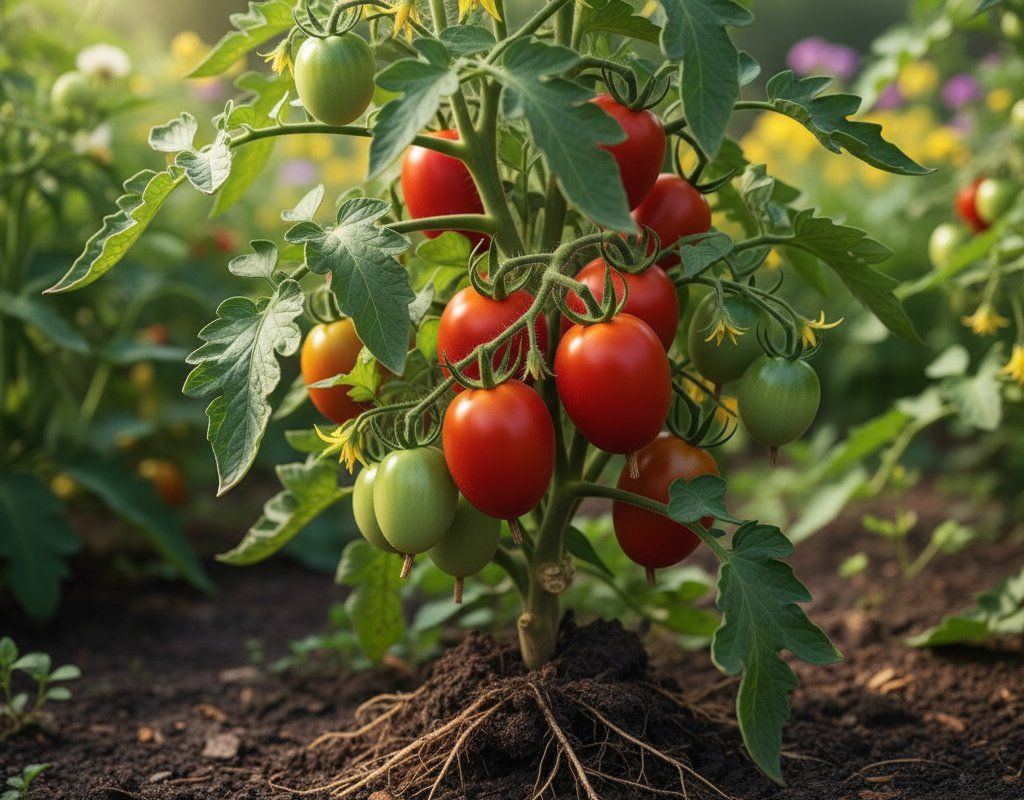
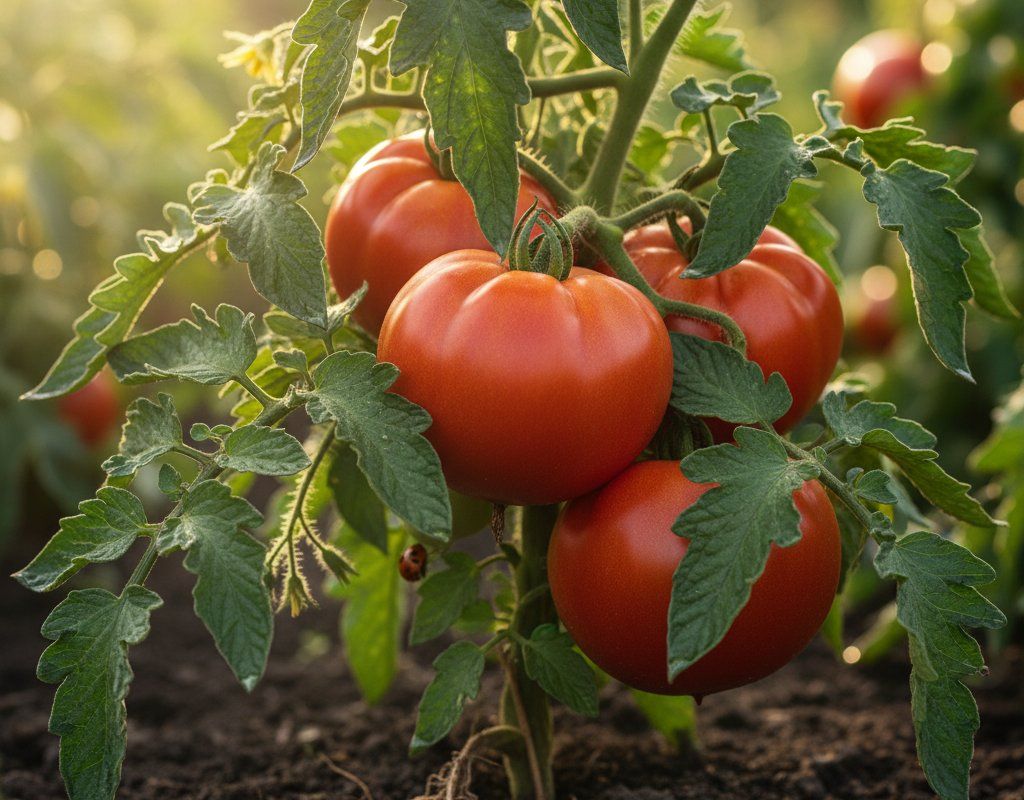
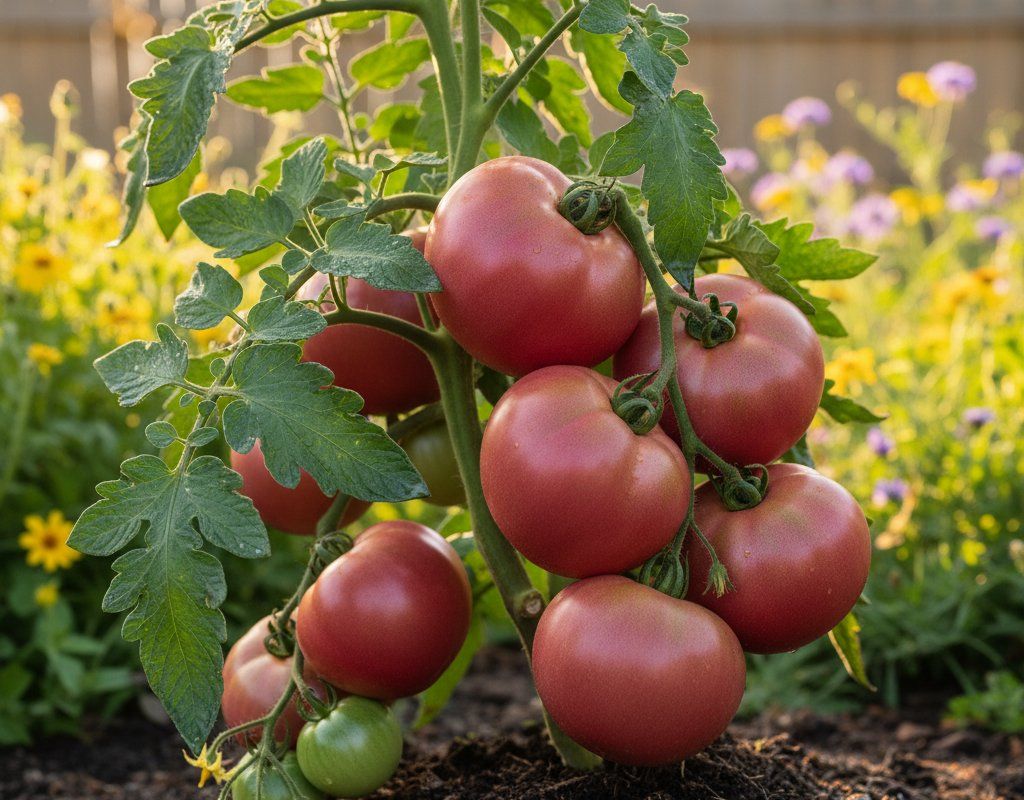
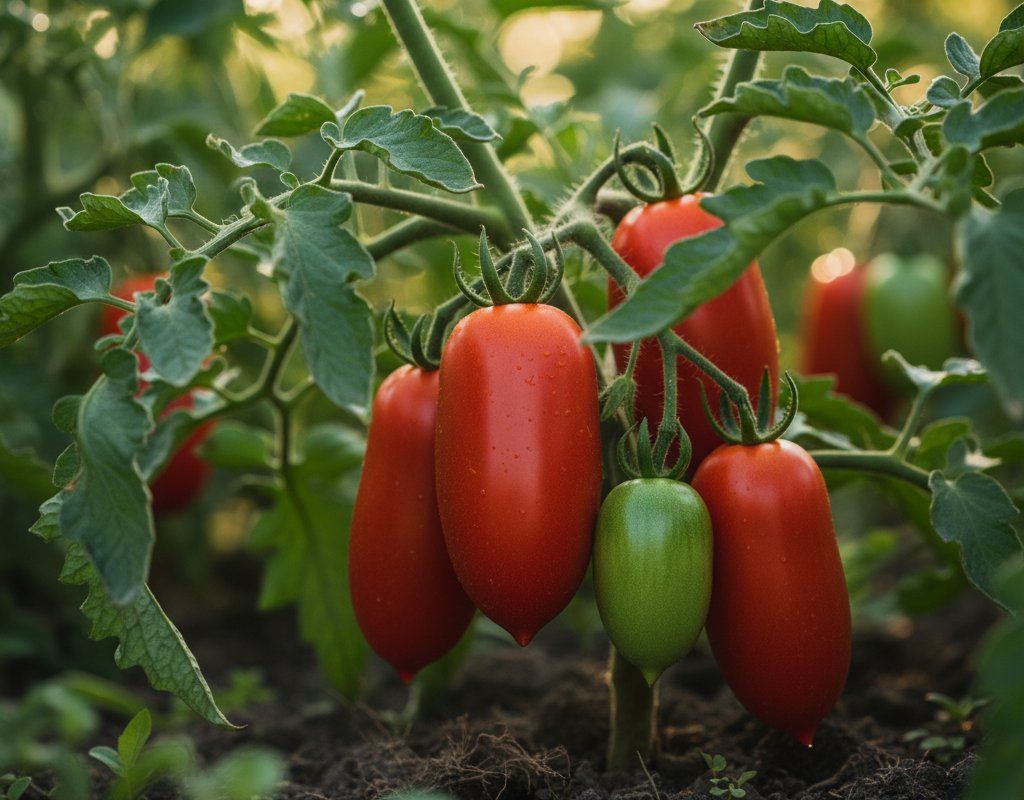
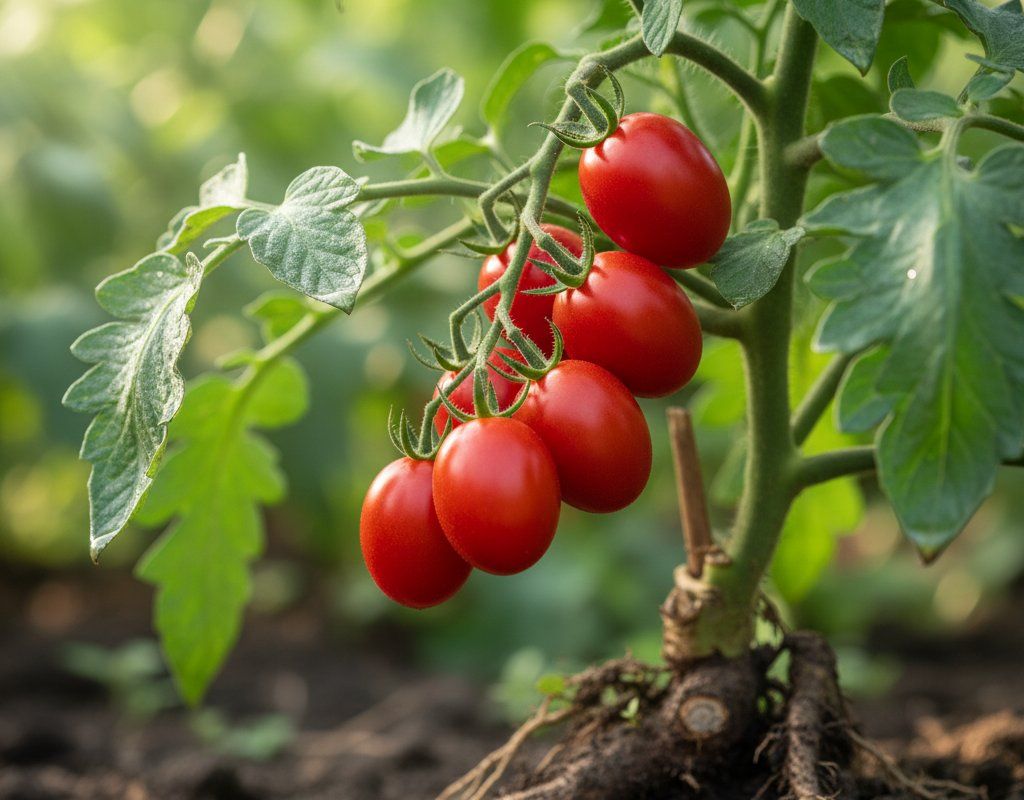
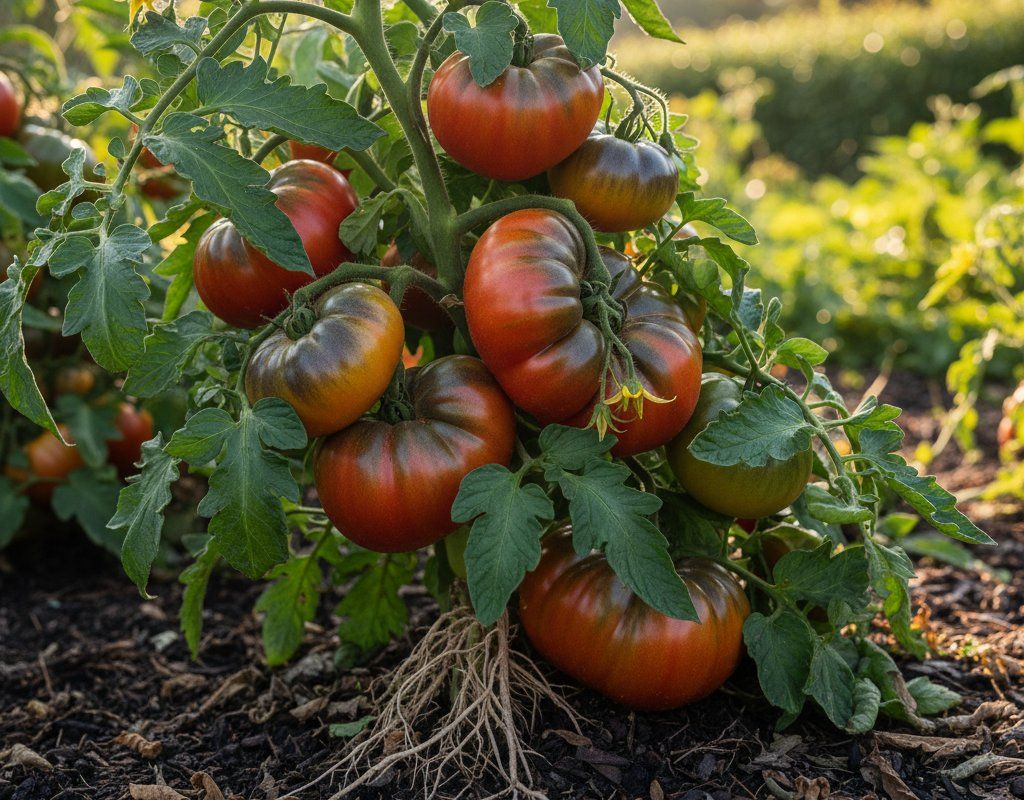
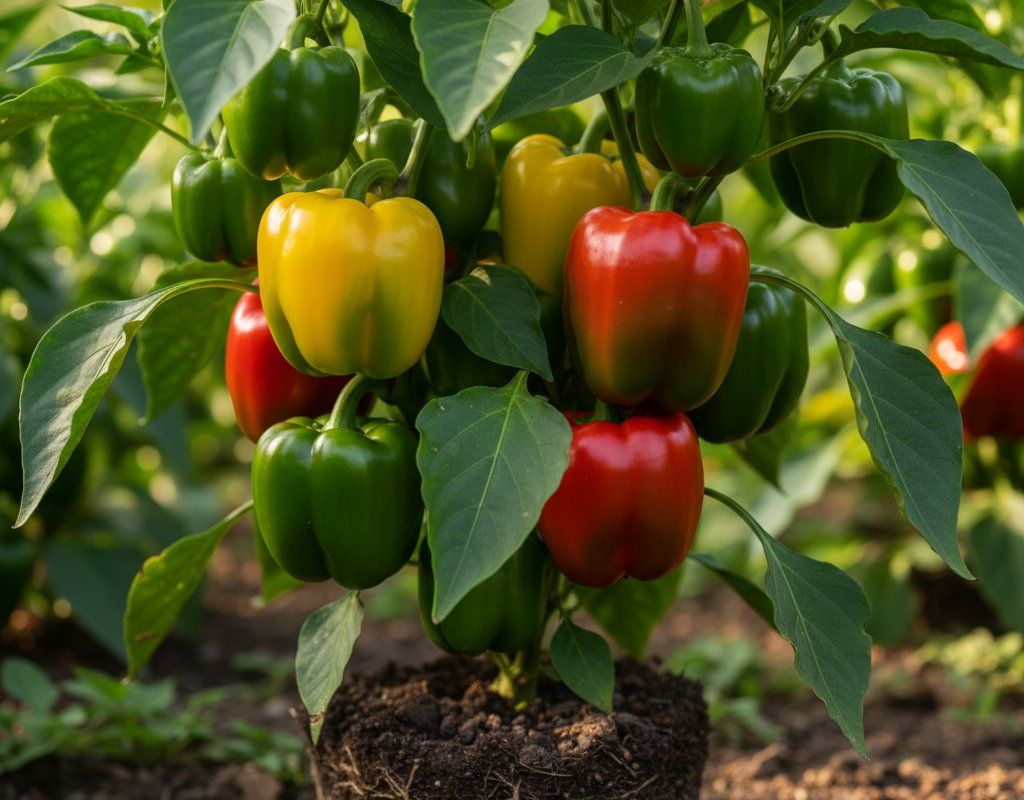
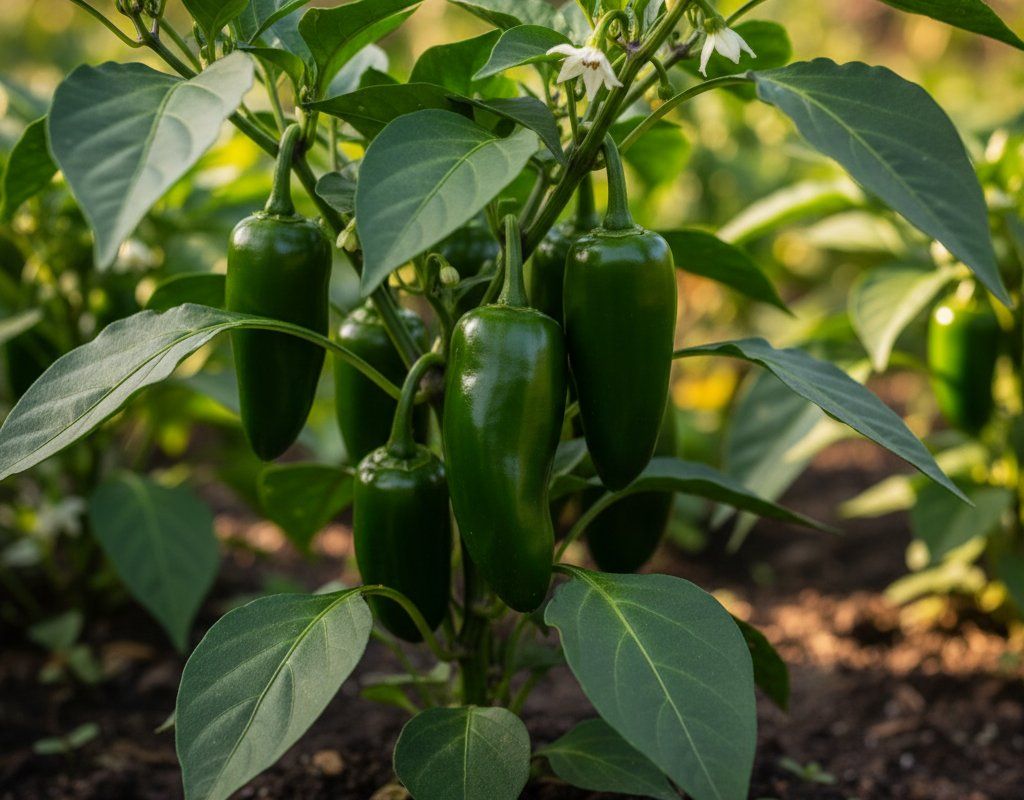
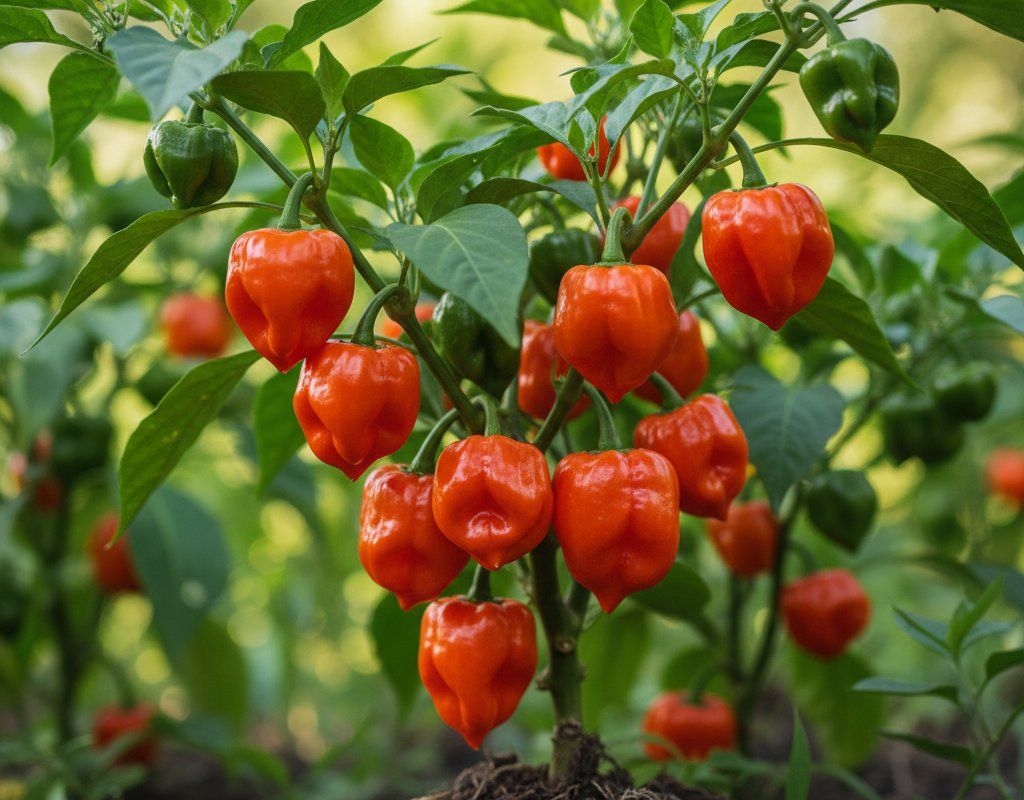
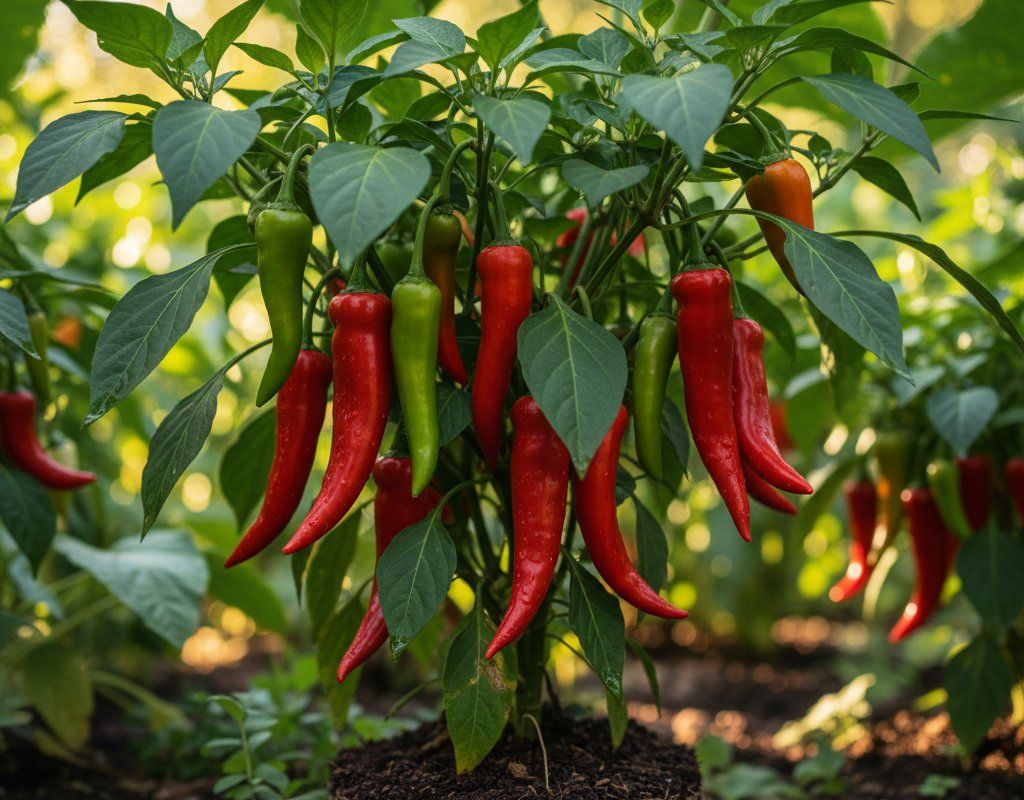
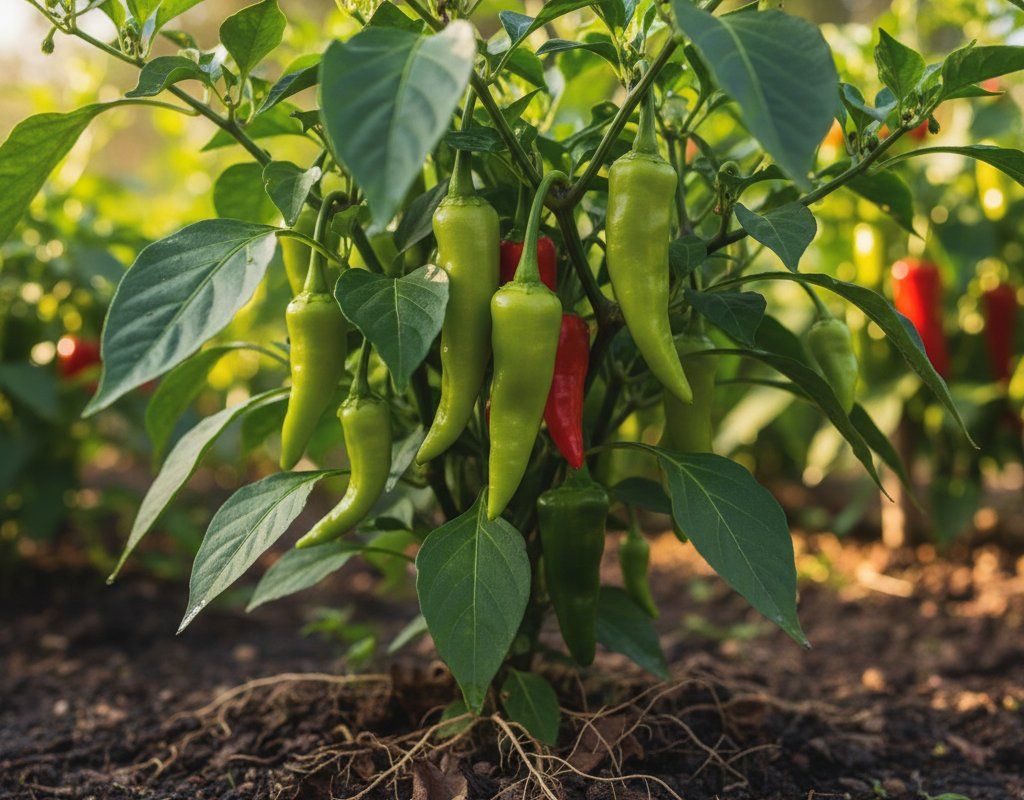
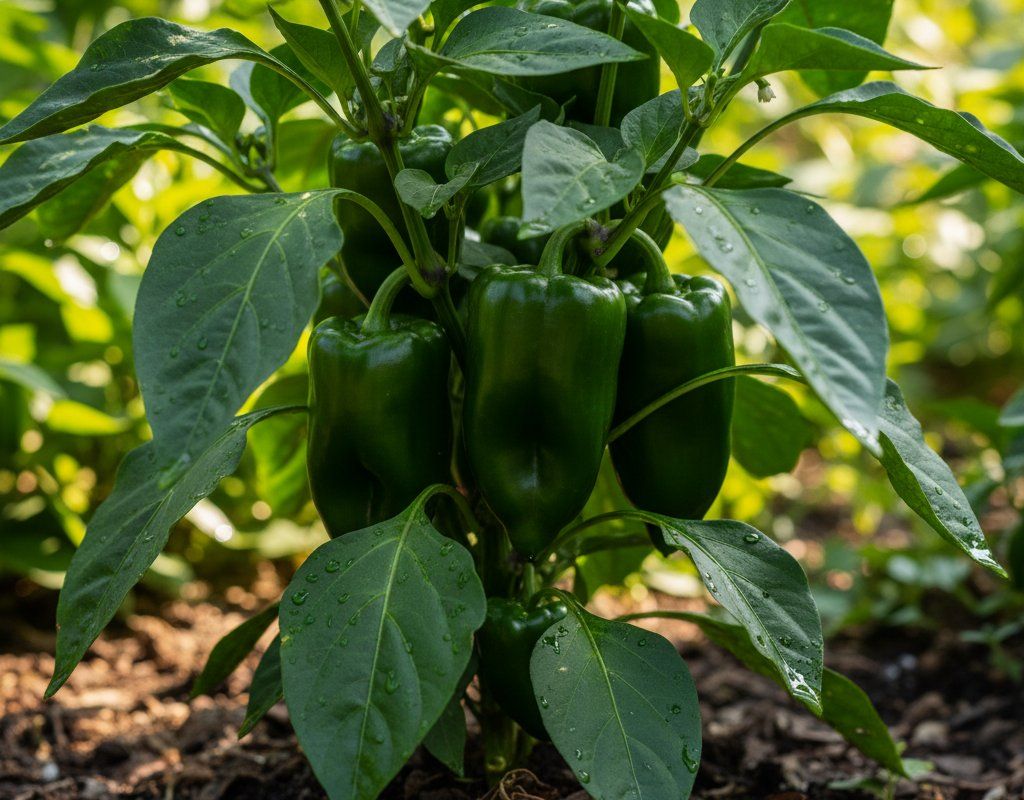
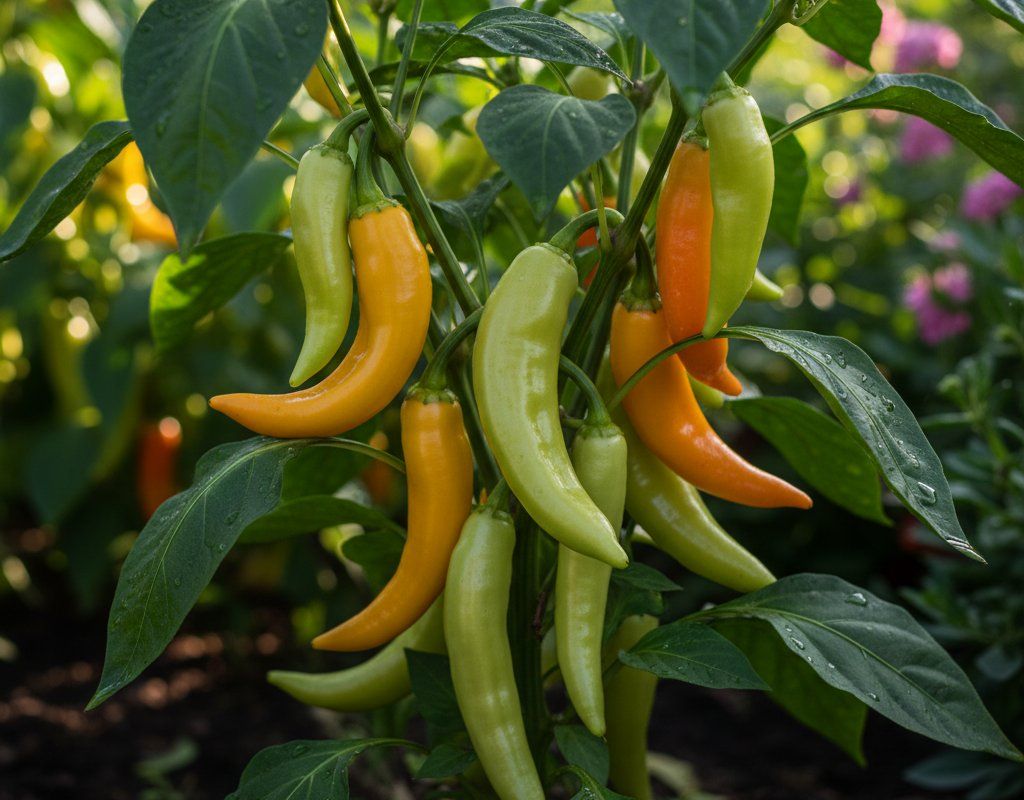
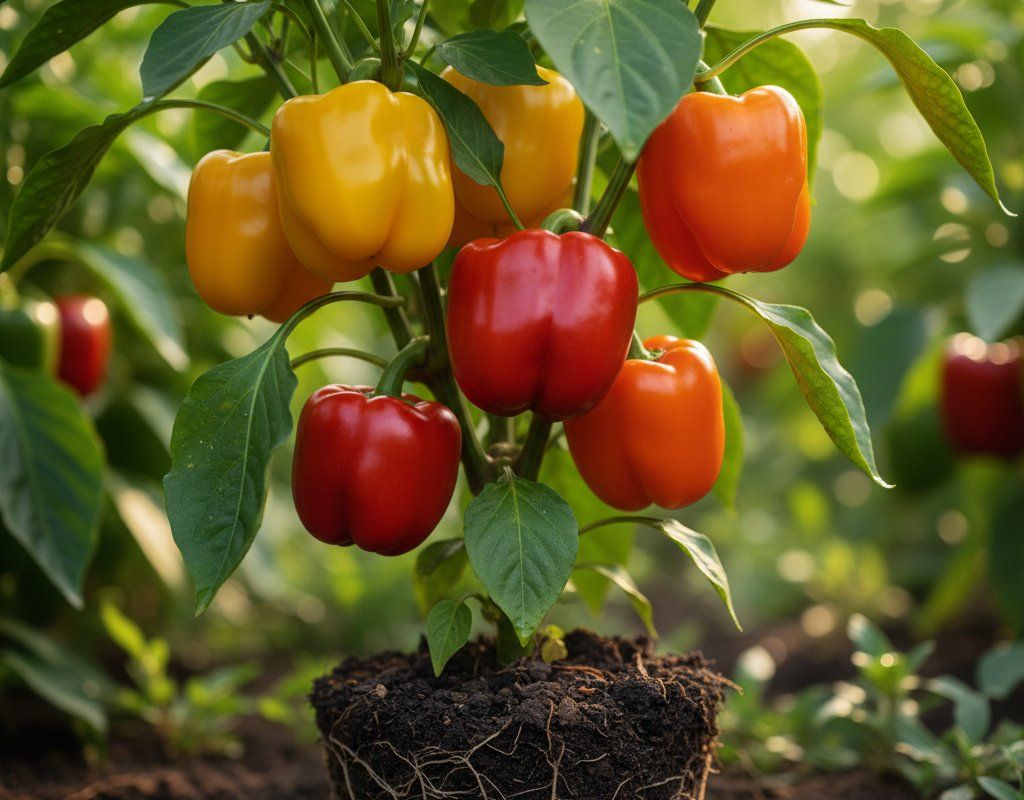
They're great with tomatoes and peppers because their scent repels pests like nematodes and whiteflies that can plague these crops. Basil also benefits from being planted near marigolds for the same reason. Cucumbers also enjoy the protection French Marigolds provide against cucumber beetles.
While some say French Marigolds are good companions for green beans, others claim they inhibit bean growth. It's best to avoid planting them together, just in case.
🥬Best Vegetables to Pair With French Marigold
French Marigold benefits these vegetables through pest control, pollinator attraction, or improved garden health.









Get a Reminder When It's Time to Plant
We'll email you when key planting windows open for your zone.