
Cucumber in Zone 5B — Midwest
Cucumis sativus · Your Complete 2026 Planting Guide
Planning Ahead — Great!
You’re ahead of the season. Here’s when to start.
Mark Your Calendar
How to Plant Cucumber in Zone 5B — Midwest
Here are all your options for getting cucumber in the ground, from the easiest method to more advanced approaches.
Direct Sow Seeds
RecommendedEarly May through early August
around May 2
Consider succession planting every 2-3 weeks for continuous harvest.
Direct sowing is easiest. Start indoors only if you need a head start.
Buy Starts
Works WellEarly May through early June
around May 9
Plant purchased starts after last frost (April 25).
Start Seeds Indoors
Works WellMid April through early May
around April 18
Then transplant: Early May through early June
Start seeds 3-5 weeks before transplanting outdoors.
Start only 3 weeks before transplant — cucumbers grow fast and get rootbound.
Transplant Outdoors
Timing InfoEarly May through early June
around May 9
Wait until nighttime temperatures stay above 50°F.
You have a nice window — no need to rush.
Overview
Cucumbers thrive in our Midwest summers, taking full advantage of our fertile soil and reliable rainfall to produce crisp, refreshing fruit all season long. Nothing beats the satisfaction of harvesting your own cucumbers for fresh salads and pickles, especially when you compare their garden-fresh flavor to the watery, bitter specimens from the grocery store. Our Zone 5B climate provides exactly what cucumbers need — warm soil, hot summer days, and enough moisture to keep these water-loving vines happy.
While our variable spring weather and occasional summer heat spells can pose challenges, proper timing makes cucumber growing straightforward in the Midwest. With our 168-day growing season and last frost around late April, you have a generous window to direct sow multiple plantings and enjoy fresh cucumbers from late June right through early October. The key is waiting for consistently warm soil and staying ahead of their high water needs during our sometimes intense summer heat.
Starting Seeds Indoors
Starting cucumber seeds indoors makes sense if you want to maximize your harvest window or grow specialty varieties that need a longer season. You can start seeds from mid-April through early May, about 3 weeks before your planned transplant date. Cucumbers grow fast and don't appreciate root disturbance, so timing is crucial — start them too early and they'll become rootbound and stressed.
Use seed starting trays with good drainage and keep the soil temperature around 70-75°F for quick germination. Bottom watering works best to prevent damping off, which is common with cucumber seedlings. Our moderate-to-late spring start means you'll be moving seedlings outdoors when night temperatures are still variable, so having a backup plan for unexpected cool snaps is smart.
Honestly, direct sowing is usually easier and more reliable in our Midwest climate. Start indoors only if you need that extra 2-3 weeks of harvest time or if you're growing expensive specialty seeds you don't want to risk losing to soil pests.
Transplanting Outdoors
If you've started cucumbers indoors, transplant them outdoors from early May through early June, after soil temperatures stay consistently above 60°F. In our Zone 5B climate, this usually means waiting until at least a week after our average last frost date, since cucumbers are extremely sensitive to cold soil and air temperatures.
Harden off your seedlings gradually over a full week, starting with just a few hours of outdoor exposure and building up to full days. Our spring weather can be unpredictable, so watch the forecast for any late cold snaps that might set back tender transplants. Even a night in the low 50s can stunt cucumber growth significantly.
Space transplants 36-60 inches apart depending on whether you're trellising or letting them sprawl. Handle the root ball gently — cucumber roots are brittle and transplant shock can delay harvest by weeks. Water them in well and consider using row covers for the first week if overnight temperatures are still dipping into the 50s.
Direct Sowing
Direct sowing is the best approach for cucumbers in the Midwest — it's simpler, less stressful for the plants, and usually gives you better results than transplanting. You can sow seeds from early May through early August, giving you multiple plantings for continuous harvest throughout our long growing season.
Wait until soil temperature reaches at least 65°F at planting depth, which typically happens in early to mid-May in our area. Work some compost into your fertile Midwest soil and create slight mounds or raised rows to improve drainage, especially if you're dealing with clay soil. Plant seeds 1 inch deep and space them 36-60 inches apart — closer spacing works if you're trellising, wider if you're letting them sprawl.
For succession planting, sow new seeds every 2-3 weeks through mid-July. This strategy works particularly well in our climate since it spreads out your harvest and helps you avoid having all your cucumbers ready at once during the peak heat of summer. The plants from later sowings often perform better during our August heat spells anyway.
Watering Cucumber in Zone 5B (Midwest)
Cucumbers are 95% water, so consistent moisture is absolutely critical for sweet, crisp fruit — drought stress is the number one cause of bitter, tough cucumbers. In our moderate-to-humid Midwest climate, you'll need to provide about 1-2 inches of water per week, adjusting based on rainfall and temperature. During summer heat spells when temperatures hit the upper 80s or 90s, increase watering frequency.
Use the finger test to check soil moisture — stick your finger 2 inches deep near the base of the plant. If it's dry at that depth, it's time to water deeply. Water at the base of the plants rather than overhead, especially during our humid summer nights when wet foliage can encourage powdery mildew. Early morning watering is ideal since it gives plants time to dry before evening.
Our wet-summer pattern means you might not need to water much during rainy periods, but be ready to supplement during dry spells. Clay soil holds moisture well but can become waterlogged, so make sure you have good drainage. A 2-3 inch layer of straw or grass clipping mulch helps retain moisture and keeps soil temperatures steady during temperature swings.
Watch for signs of water stress: wilting during the heat of the day (normal), wilting in morning or evening (problematic), and bitter fruit (usually means inconsistent watering). Overwatering shows up as yellowing leaves and poor fruit development, though this is less common than underwatering in our climate.
Supporting Your Cucumber
Trellising cucumbers vertically saves space, improves air circulation, and produces straighter fruit — all important benefits in our sometimes humid Midwest summers. A sturdy trellis also keeps fruit off the ground, reducing pest issues and rot problems that can develop during our wet periods.
Install your support system at planting time, whether it's a simple A-frame trellis, cattle panels, or stakes with horizontal wires. Cucumber vines can reach 6-8 feet long and get heavy with fruit, so make sure your structure can handle the weight. For our region's potential severe weather, anchor everything securely.
Train the vines by gently wrapping the main stem around the support or using soft ties. Check weekly and guide new growth upward — cucumbers will climb naturally with their tendrils, but they appreciate some help getting started. You can also let cucumbers sprawl on the ground if you have space, though you'll need more room and may see more pest pressure in our fertile soil environment.
🧪Fertilizing Cucumber
Feeding Schedule
Organic Fertilizer Options
Harvest Time
Your first cucumbers will be ready from late June through early July if you direct sowed in early May, or a few weeks earlier if you started with transplants. Look for firm, dark green fruit that's reached the appropriate size for your variety — usually 6-8 inches for slicing types, 3-4 inches for pickling varieties. Harvest before the fruit starts yellowing or the seeds become large and hard.
Check plants daily once production starts, as cucumbers can go from perfect to overripe in just 2-3 days during hot weather. Cut or twist the fruit off carefully to avoid damaging the vine — a damaged plant stops producing quickly. Regular harvesting encourages more fruit production, so don't let any cucumbers get oversized on the vine.
Keep harvesting through our growing season right up until the first frost in early October. Even if production slows during the hottest part of summer, plants often get a second wind in late August and September. Young, tender cucumbers are always better than mature ones, so err on the side of harvesting early.
As fall approaches and temperatures start dropping into the 40s at night, harvest frequency will slow. Pick all remaining fruit before the first hard frost, as even a light freeze will damage the vines and any remaining cucumbers.
Common Problems in Zone 5B (Midwest)
Powdery Mildew This fungal disease appears as white or grayish powdery spots on leaves, starting on older foliage and spreading upward. Leaves eventually yellow, curl, and die, reducing plant vigor and fruit production. In severe cases, the powdery coating can even appear on fruit. Our Midwest climate's combination of warm days, cool nights, and moderate humidity creates perfect conditions for this disease, especially later in the season.
The fungi that cause powdery mildew actually prefer dry leaf surfaces, unlike most plant diseases. Improve air circulation by proper spacing and removing lower leaves that touch the ground. Remove affected leaves immediately and dispose of them away from the garden. Spray with neem oil, potassium bicarbonate, or even a milk solution (1 part milk to 9 parts water) weekly for prevention and control.
Cucumber Beetles These small yellow-green beetles with black spots or stripes feed on leaves, flowers, and young fruit, creating small holes and ragged edges. More seriously, they transmit bacterial wilt disease that causes plants to suddenly collapse and die. You'll see the beetles most actively during warm, sunny days, often congregating on flowers and young growth.
Adult beetles overwinter in our Midwest soil and emerge as soon as cucumbers are planted, making early protection crucial. Use row covers immediately after planting and remove them when flowers appear for pollination. Hand-pick beetles in the morning when they're sluggish, or use yellow sticky traps nearby. Neem oil sprays help, and interplanting with radishes can serve as a trap crop since beetles prefer them to cucumbers.
Bitter Fruit Cucumbers develop a bitter taste, especially near the stem end, even though they look normal otherwise. This bitterness comes from increased cucurbitacin compounds and makes the fruit inedible. Our variable Midwest weather — from spring temperature swings to summer heat spells — can trigger this stress response in cucumber plants.
Maintain consistent soil moisture throughout the growing season, as water stress is the primary cause. During our summer heat spells, increase watering frequency and consider providing afternoon shade. Harvest regularly to prevent oversized fruit, which tends to be more bitter. Choose 'burpless' or bitter-free varieties, and if bitterness occurs, peel from the blossom end toward the stem to minimize the bitter compounds.
Midwest Specific Challenges Our moderate-to-humid summers with wet-summer rainfall patterns create ideal conditions for fungal diseases like powdery mildew, making good air circulation and proper spacing essential. The combination of fertile soil and adequate moisture also means vigorous weed growth that can harbor pests, so stay on top of cultivation around your cucumber plants.
Best Companions for Cucumber
Plant these nearby for healthier Cucumber and better harvests.

Keep Away From
Companion Planting Details
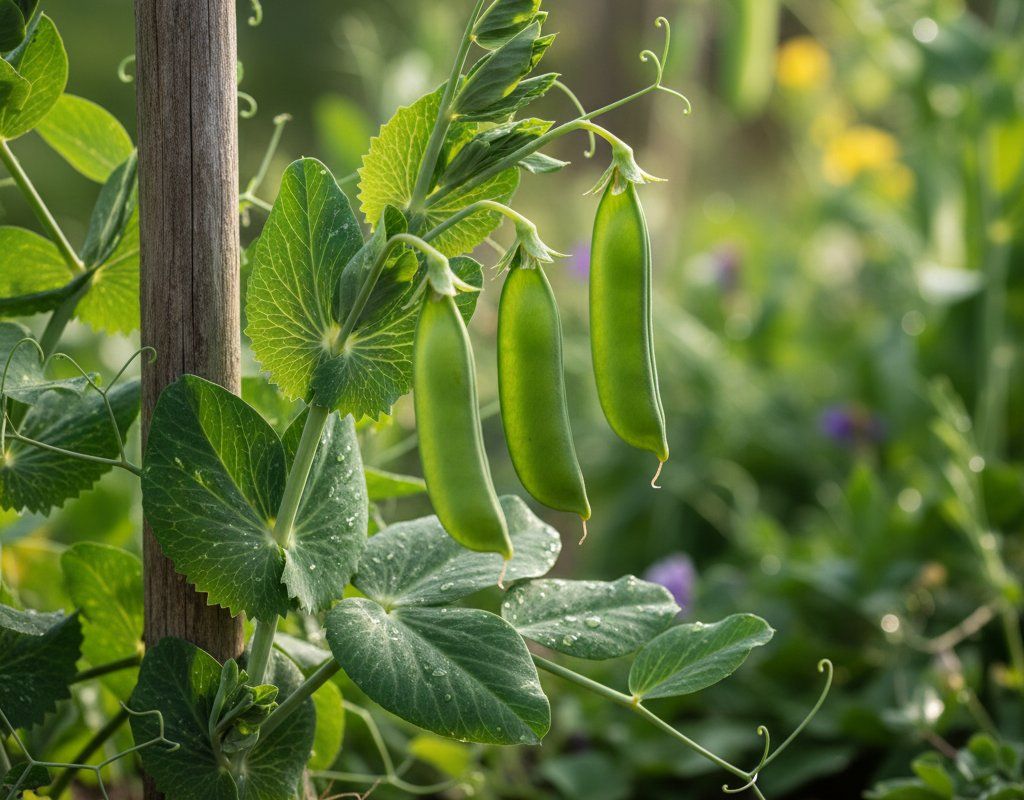
Beans, corn, and peas make excellent companions for cucumbers in Midwest gardens. Beans and peas fix nitrogen in the soil, feeding your heavy-feeding cucumber vines throughout the growing season. Corn provides natural trellising for cucumber vines while offering afternoon shade during heat spells — a classic "three sisters" approach that works well in our fertile soil conditions.
Radishes and sunflowers also benefit cucumbers. Radishes mature quickly and help break up clay soil while serving as trap crops for cucumber beetles. Sunflowers attract beneficial insects and provide wind protection during severe weather. Avoid planting cucumbers near potatoes, as they compete for similar nutrients, and keep aromatic herbs like sage away — their strong scents can affect cucumber flavor and may inhibit growth.
🌸Best Flowers to Plant with Cucumber
These flowers protect your Cucumber from pests and attract pollinators for better harvests.
For Pest Control








Get a Reminder When It's Time to Plant
We'll email you when key planting windows open for your zone.