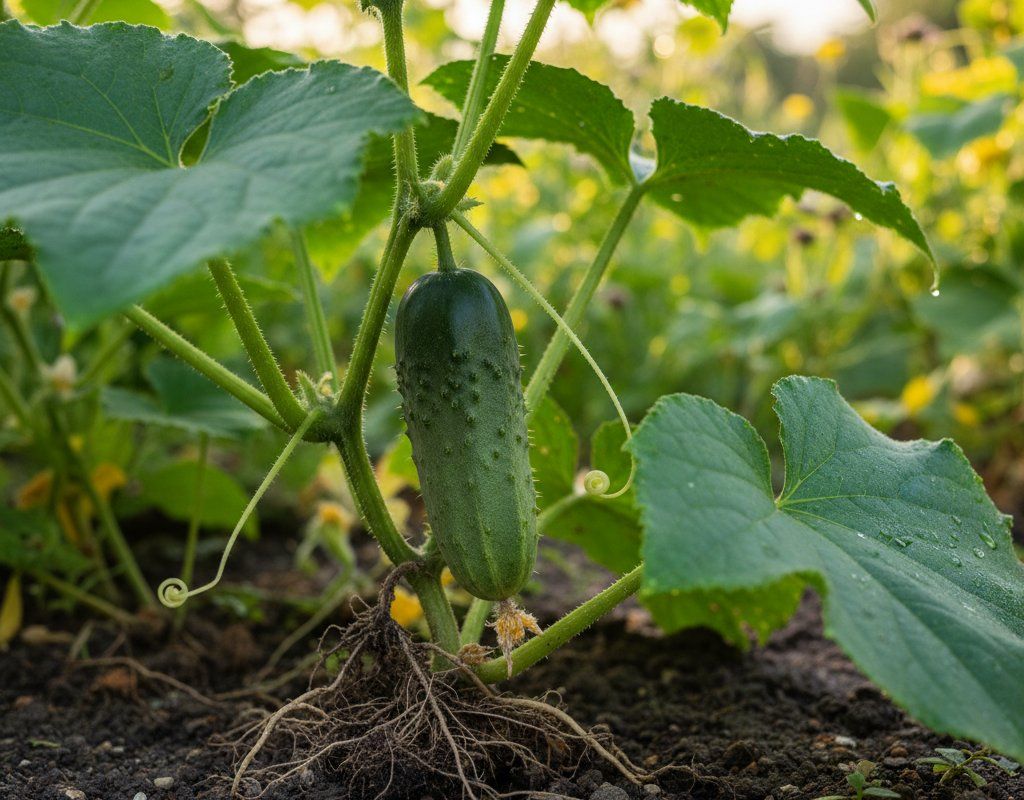
Cucumber in Zone 6A — Southeast
Cucumis sativus · Your Complete 2026 Planting Guide
Planning Ahead — Great!
You’re ahead of the season. Here’s when to start.
Mark Your Calendar
How to Plant Cucumber in Zone 6A — Southeast
Here are all your options for getting cucumber in the ground, from the easiest method to more advanced approaches.
Direct Sow Seeds
RecommendedMid April through mid August
around April 17
Consider succession planting every 2-3 weeks for continuous harvest.
Direct sowing is easiest. Start indoors only if you need a head start.
Buy Starts
Works WellLate April through late May
around April 24
Plant purchased starts after last frost (April 10).
Start Seeds Indoors
Works WellLate March through mid April
around April 3
Then transplant: Late April through late May
Start seeds 3-5 weeks before transplanting outdoors.
Start only 3 weeks before transplant — cucumbers grow fast and get rootbound.
Transplant Outdoors
Timing InfoLate April through late May
around April 24
Wait until nighttime temperatures stay above 50°F.
You have a nice window — no need to rush.
Overview
Cucumbers are one of the most rewarding crops you can grow in our Southeast Zone 6A gardens. Nothing beats the crisp, refreshing taste of a homegrown cucumber picked fresh from the vine on a hot summer morning – and trust me, we get plenty of those hot, humid days down here. With our long 198-day growing season and reliable summer rainfall, you can enjoy multiple successions of these water-packed vegetables from mid-June clear through late October.
Our Southeast climate does bring some challenges for cucumber growing, particularly the humidity that can encourage fungal diseases and those afternoon thunderstorms that can stress plants. But with proper timing and a few regional tricks, you can easily work with our climate patterns rather than against them. The key is getting your planting schedule right and being proactive about disease prevention.
Starting Seeds Indoors
Starting cucumber seeds indoors isn't the most common approach, but it can make sense if you want to get a jump on the season or ensure transplants for your first succession. Start seeds from late March through mid-April, about 3 weeks before you plan to transplant them outside. Cucumbers are fast growers and will quickly become rootbound if you start them too early.
Use seed starting trays with good drainage and keep them in a warm spot – around 70-75°F is ideal for germination. Bottom watering works best to prevent damping-off, which can be more of an issue during our moderate spring weather when humidity levels fluctuate. Provide strong light once they germinate, either from a sunny south window or grow lights.
Remember that cucumbers don't love having their roots disturbed, so handle transplants gently and don't let them get too large indoors. Three weeks is really the maximum – any longer and you'll have stressed, leggy plants that won't perform well once transplanted.
Transplanting Outdoors
If you've started cucumbers indoors, transplant them outside from late April through late May, once soil temperatures have warmed to at least 65°F and nighttime temperatures stay above 50°F consistently. Our Southeast springs can still surprise us with cool snaps, so don't rush this timing even if you're eager to get growing.
Harden off your seedlings gradually over a full week before transplanting. Start with just an hour or two of morning sun, then gradually increase their outdoor time and sun exposure. Our spring weather can swing between mild and surprisingly intense, so this gradual acclimation is crucial for transplant success.
Space transplants 36-60 inches apart depending on whether you're trellising (closer spacing) or letting them sprawl (wider spacing). Dig holes slightly larger than the root ball and water thoroughly after planting. Consider using row covers for the first week or two if Japanese beetles are already active – they love tender young cucumber plants.
Direct Sowing
Direct sowing is hands-down the easiest way to grow cucumbers in our Southeast gardens. You can sow seeds from mid-April through mid-August, giving you multiple chances for succession plantings throughout our long growing season. This method avoids transplant shock entirely and often produces stronger, more vigorous plants.
Wait until soil temperature reaches 65°F consistently – usually by mid to late April in our area. Work your clay soil well, adding compost to improve drainage since cucumbers hate waterlogged roots. Plant seeds 1 inch deep and space them according to your growing method: 36 inches apart if you're trellising, up to 60 inches if growing on the ground.
For our hot, humid summers, consider planting your main crop in early May, then follow up with succession plantings every 2-3 weeks through mid-July. This gives you continuous harvests and helps ensure you have healthy plants producing when the first ones start declining from disease pressure or heat stress.
Watering Cucumber in Zone 6A (Southeast)
Cucumbers are literally 95% water, so consistent moisture is absolutely critical for success in our hot, humid Southeast climate. Under-watered cucumbers become bitter and stop producing, while erratic watering leads to misshapen fruit and increased disease problems – something we definitely want to avoid given our high humidity levels.
During our typical 92°F summer days, plan to provide about 1-2 inches of water per week, either from rain or irrigation. Check soil moisture by sticking your finger 2 inches deep into the soil near the plants. If it's dry at that depth, it's time to water deeply. Our afternoon thunderstorms provide excellent natural irrigation, but you'll still need to supplement during dry spells.
Water at the base of plants rather than overhead to minimize leaf wetness in our already humid climate. This helps prevent powdery mildew and other fungal diseases that thrive when leaves stay wet. A soaker hose or drip irrigation works perfectly for this. Apply a 2-3 inch layer of organic mulch around plants to help retain soil moisture and keep roots cool during our intense summer heat.
Watch for signs of water stress: wilting during the hottest part of the day (normal), wilting in morning or evening (needs water), or bitter-tasting fruit (inconsistent watering). Yellow leaves at the base of the plant often indicate overwatering, which can be an issue during our wettest summer periods when clay soil doesn't drain well.
Supporting Your Cucumber
Trellising your cucumbers is one of the smartest moves you can make in our humid Southeast climate. Vertical growing improves air circulation around plants, which helps prevent the powdery mildew and other fungal diseases that love our warm, moist conditions. Plus, trellised cucumbers grow straighter and are much easier to spot and harvest.
Install your trellis at planting time – either a simple A-frame, cattle panel, or sturdy fence will work. Make sure it's at least 6 feet tall since cucumber vines can easily reach 8 feet or more during our long growing season. As the vines grow, gently train them onto the support and loosely tie them with soft material like cloth strips or plant ties.
You can certainly grow cucumbers on the ground if you have the space, but expect more disease issues and curved fruit. If you go this route, use plenty of mulch to keep the developing cucumbers off the soil and improve air circulation by spacing plants on the wider end of the recommended range.
🧪Fertilizing Cucumber
Feeding Schedule
Organic Fertilizer Options
Harvest Time
Your first cucumbers should be ready from mid-June through late October, typically about 55 days from direct seeding. In our long Southeast growing season, you can enjoy fresh cucumbers for months with proper succession planting. Look for firm, dark green fruits that have reached the appropriate size for your variety – usually 6-8 inches for slicing types, 2-4 inches for pickling varieties.
Harvest cucumbers while they're still firm and before they start turning yellow or getting oversized. Yellow cucumbers are overripe, seedy, and bitter. Check plants daily once they start producing because cucumbers can go from perfect to overripe quickly in our summer heat. Use a sharp knife or pruners to cut the stem rather than pulling, which can damage the vine.
Keep harvesting regularly to encourage continued production – cucumber plants will stop producing if you let fruit over-ripen on the vine. During peak season, you might need to harvest every other day. The plants will keep producing until our first frost arrives in late October, though production typically slows as temperatures drop and day length decreases.
As frost approaches, harvest any remaining small cucumbers for pickling and pull up spent plants to prevent them from harboring overwintering pests and diseases.
Common Problems in Zone 6A (Southeast)
Powdery Mildew You'll recognize this as white or grayish powdery patches on leaves, stems, and sometimes the fruit itself. Infected leaves often curl, turn yellow, and eventually die back, reducing plant vigor significantly. This is probably the most common cucumber problem in our humid Southeast climate.
The fungi causing powdery mildew actually thrive in our warm days and cooler nights, especially when humidity is moderate. Ironically, dry leaf surfaces favor this disease more than wet ones. Improve air circulation by proper spacing and consider pruning some lower leaves. Remove affected foliage immediately and apply neem oil or potassium bicarbonate sprays. A simple milk spray (1 part milk to 9 parts water) is surprisingly effective for prevention.
Cucumber Beetles These small yellow-green beetles with black spots or stripes will chew small holes in leaves and flowers, but the real problem is they transmit bacterial wilt disease. You might see the beetles feeding, then suddenly have whole plants wilt and die even though you're watering properly.
Adult beetles overwinter in our mild Southeast climate and emerge to feed on young cucumber plants. Hand-pick them in early morning when they're sluggish, use yellow sticky traps, or apply row covers until flowering begins (then remove for pollination). Neem oil or kaolin clay coating can help deter them. Interplanting with radishes often works as a trap crop.
Bitter Fruit Your cucumbers look normal but taste bitter, especially near the stem end. This happens when the plant produces more cucurbitacin, a natural compound that increases under stress conditions.
Water stress is the biggest culprit, along with temperature extremes and inconsistent watering – all things our hot summer weather can cause. Maintain consistent soil moisture, harvest regularly (oversized fruit gets more bitter), and choose 'burpless' or bitter-free varieties if this is a recurring problem. If bitterness does occur, peel from the blossom end toward the stem to minimize it.
Southeast Specific Challenges: Our hot, humid climate creates perfect conditions for foliar diseases, while our clay soil can lead to both drainage problems and drought stress depending on rainfall patterns. The key is improving air circulation, maintaining consistent moisture, and choosing disease-resistant varieties suited to our challenging summer conditions.
Best Companions for Cucumber
Plant these nearby for healthier Cucumber and better harvests.


Keep Away From
Companion Planting Details
Beans, corn, and peas make excellent cucumber companions because they add nitrogen to the soil that cucumbers love, while their different root depths mean they're not competing for the same soil nutrients. The classic "three sisters" planting works well here – corn provides a living trellis, beans fix nitrogen, and cucumbers sprawl underneath. Radishes planted nearby help deter cucumber beetles and mature quickly before the cucumber vines spread.
Avoid planting cucumbers near potatoes, which can stunt cucumber growth, and aromatic herbs like sage and rosemary, which may inhibit cucumber development. In our hot climate, consider interplanting with sunflowers on the south or west side to provide some afternoon shade during the most intense summer heat – just make sure they don't block morning sun when the cucumbers need it most.
🌸Best Flowers to Plant with Cucumber
These flowers protect your Cucumber from pests and attract pollinators for better harvests.
For Pest Control







Get a Reminder When It's Time to Plant
We'll email you when key planting windows open for your zone.