
Cucumber in Zone 6B — Southeast
Cucumis sativus · Your Complete 2026 Planting Guide
Planning Ahead — Great!
You’re ahead of the season. Here’s when to start.
Mark Your Calendar
How to Plant Cucumber in Zone 6B — Southeast
Here are all your options for getting cucumber in the ground, from the easiest method to more advanced approaches.
Direct Sow Seeds
RecommendedMid April through late August
around April 12
Consider succession planting every 2-3 weeks for continuous harvest.
Direct sowing is easiest. Start indoors only if you need a head start.
Buy Starts
Works WellMid April through mid May
around April 19
Plant purchased starts after last frost (April 5).
Start Seeds Indoors
Works WellLate March through mid April
around March 29
Then transplant: Mid April through mid May
Start seeds 3-5 weeks before transplanting outdoors.
Start only 3 weeks before transplant — cucumbers grow fast and get rootbound.
Transplant Outdoors
Timing InfoMid April through mid May
around April 19
Wait until nighttime temperatures stay above 50°F.
You have a nice window — no need to rush.
Overview
Growing cucumbers in the Southeast's Zone 6B gives you a perfect match of climate and crop. Our hot, humid summers and 208-day growing season create ideal conditions for these heat-loving vines. You'll get crisp, fresh cucumbers from early summer through fall frost – far superior to anything you'll find in the grocery store, with that unmistakable garden-fresh crunch and flavor that makes every sandwich and salad special.
The Southeast's humidity and summer heat can challenge cucumber plants with disease pressure, but proper timing and variety selection make success very achievable. Our reliable afternoon thunderstorms provide much of the consistent moisture cucumbers crave, and that long growing season means multiple plantings for continuous harvest well into autumn.
Starting Seeds Indoors
Starting cucumber seeds indoors makes sense if you want the earliest possible harvest or live in a spot that gets late spring cold snaps. Sow seeds in seed trays from late March through mid-April, about 3 weeks before your planned transplant date. Cucumbers grow fast and don't like their roots disturbed, so use larger cells or biodegradable pots.
Keep seed trays at 70-75°F for quick germination – a heat mat helps in our moderate Southeast springs. Once seedlings emerge, provide strong light and use bottom watering to prevent damping-off disease. The humidity in our region makes fungal issues more likely with indoor starts.
Start seeds only 3 weeks before transplanting because cucumbers grow quickly and become rootbound easily. If they sit too long indoors, they'll struggle when moved outside and may never recover their vigor.
Transplanting Outdoors
Transplant cucumber seedlings outdoors from mid-April through mid-May, after soil has warmed to at least 60°F and nighttime temperatures stay consistently above 50°F. In the Southeast, late cold snaps can still surprise us in April, so watch the weather forecast carefully before transplanting.
Harden off seedlings gradually over a week by placing them outside for increasing periods daily. Start with 2-3 hours of morning sun and work up to full outdoor exposure. Our spring weather swings make this step crucial for transplant success.
Space transplants 36-60 inches apart – closer spacing works for bush varieties, while vining types need the full distance. Plant in well-draining soil since our clay tends to stay wet, which can rot young roots. Consider raised beds or mounded rows if your soil drains poorly.
Direct Sowing
Direct sowing is the preferred method for cucumbers in the Southeast because they dislike root disturbance and grow quickly from seed. Plant directly in the garden from mid-April through late August, timing plantings every 2-3 weeks for continuous harvest. Soil temperature should reach 65-70°F for reliable germination.
Prepare planting areas by working compost into your clay soil to improve drainage – waterlogged soil kills cucumber seeds and seedlings. Plant seeds 1 inch deep and 36-60 inches apart, depending on whether you're growing bush or vining varieties. The wide spacing improves air circulation, which helps prevent fungal diseases in our humid climate.
Late summer plantings from July through August often perform better than early plantings because they avoid the worst of our Japanese beetle pressure and cucumber beetle damage. These fall crops mature in cooler weather and face less disease pressure too.
Watering Cucumber in Zone 6B (Southeast)
Cucumbers are 95% water and need consistent, deep watering throughout the growing season – drought stress immediately makes fruit bitter and stunts growth. In the Southeast, our wet summers help, but you'll still need to supplement during dry spells and heat waves when temperatures hit the 90s regularly.
Provide 1-2 inches of water weekly, including rainfall. Check soil moisture by pushing your finger 2 inches deep near the base of plants – if it's dry at that depth, it's time to water. During our hottest July and August weather, you may need to water every other day, especially for container-grown plants.
Water at the base of plants rather than overhead to minimize fungal disease problems in our humid climate. Soaker hoses or drip irrigation work perfectly. If you must use sprinklers, water early morning so leaves dry quickly. Inconsistent watering – wet, then dry, then wet again – causes bitter fruit and cracked cucumbers.
Mulch around plants with 2-3 inches of straw or shredded leaves to retain soil moisture and reduce watering frequency. This is especially valuable during our hot summer weather when soil dries out quickly despite the humidity.
Supporting Your Cucumber
Trellising cucumber vines saves garden space and improves air circulation, which helps prevent fungal diseases in our humid Southeast climate. Vertical growing also produces straighter fruit and makes harvesting much easier. Install supports at planting time to avoid disturbing roots later.
Use sturdy trellises 6-8 feet tall for vining varieties – cattle panels, wooden frames, or strong netting all work well. Train vines up supports by gently wrapping tendrils around the structure weekly. Bush varieties don't need support but still benefit from tomato cages to keep fruit off the ground.
Good air circulation around trellised plants helps prevent the powdery mildew and downy mildew that thrive in our humid summers. Space plants properly and prune some lower leaves once vines are established to improve airflow.
🧪Fertilizing Cucumber
Feeding Schedule
Organic Fertilizer Options
Harvest Time
Expect your first cucumbers from early June through late October, depending on planting timing. Most varieties mature in about 55 days from seed, so spring plantings begin producing in early summer while late plantings continue until frost hits in late October.
Harvest cucumbers when they're firm, dark green, and the right size for your variety – usually 6-8 inches for slicers and 2-4 inches for picklers. Check plants daily once harvest begins because cucumbers size up quickly in summer heat. Pick them before they turn yellow or get oversized, which makes them bitter and seedy.
Cut or twist fruits from the vine carefully to avoid damaging the plant. Regular harvesting encourages continued production – leaving overripe fruit on the vine signals the plant to stop producing. During peak season, you may harvest every other day.
As first frost approaches in late October, harvest all remaining cucumbers regardless of size. Green ones can be pickled or used in relishes. Cover plants with row cover or old sheets if light frost is predicted to extend harvest a few more days.
Common Problems in Zone 6B (Southeast)
Powdery Mildew White or grayish powdery coating appears on leaves, stems, and sometimes fruit. Leaves curl, turn yellow, and eventually die, reducing plant vigor significantly. This fungal disease thrives in our Southeast climate with warm days, cool nights, and moderate humidity – ironically, dry leaf surfaces actually favor it more than wet ones.
Improve air circulation by proper spacing (don't crowd plants) and removing some lower leaves once vines are established. Remove affected leaves immediately and dispose of them. Neem oil or potassium bicarbonate sprays help control spread. A milk spray (1 part milk to 9 parts water) applied weekly is surprisingly effective and safe.
Cucumber Beetles Small yellow-green striped or spotted beetles feed on leaves and flowers, creating small holes throughout the plant. More seriously, they transmit bacterial wilt disease that causes plants to suddenly wilt and die even when soil is moist. These pests are particularly troublesome in the Southeast's long, warm growing season.
Use row covers over young plants until flowering begins, then remove for pollination. Hand-pick adult beetles in early morning when they're sluggish. Yellow sticky traps help monitor populations. For severe infestations, spray neem oil or use kaolin clay coating to make leaves less appealing to beetles.
Bitter Fruit Cucumbers taste bitter, especially near the stem end, even though they look normal otherwise. This happens when plants produce excess cucurbitacin, a natural compound that increases with water stress, temperature extremes, and irregular watering – all common in our hot, humid summers with alternating drought and heavy rain.
Water consistently and deeply to avoid drought stress. Mulch heavily to maintain even soil moisture. Harvest regularly before fruits get oversized. Choose 'burpless' or bitter-free varieties if this is a recurring problem. If bitterness occurs, peel cucumbers from the blossom end toward the stem.
Southeast Specific Challenges Our hot, humid summers create perfect conditions for fungal diseases, while Japanese beetles add another layer of pest pressure during peak growing season. The combination of clay soil, heavy rainfall, and intense heat requires careful attention to drainage, spacing, and variety selection to grow successful cucumber crops.
Best Companions for Cucumber
Plant these nearby for healthier Cucumber and better harvests.

Keep Away From
Companion Planting Details
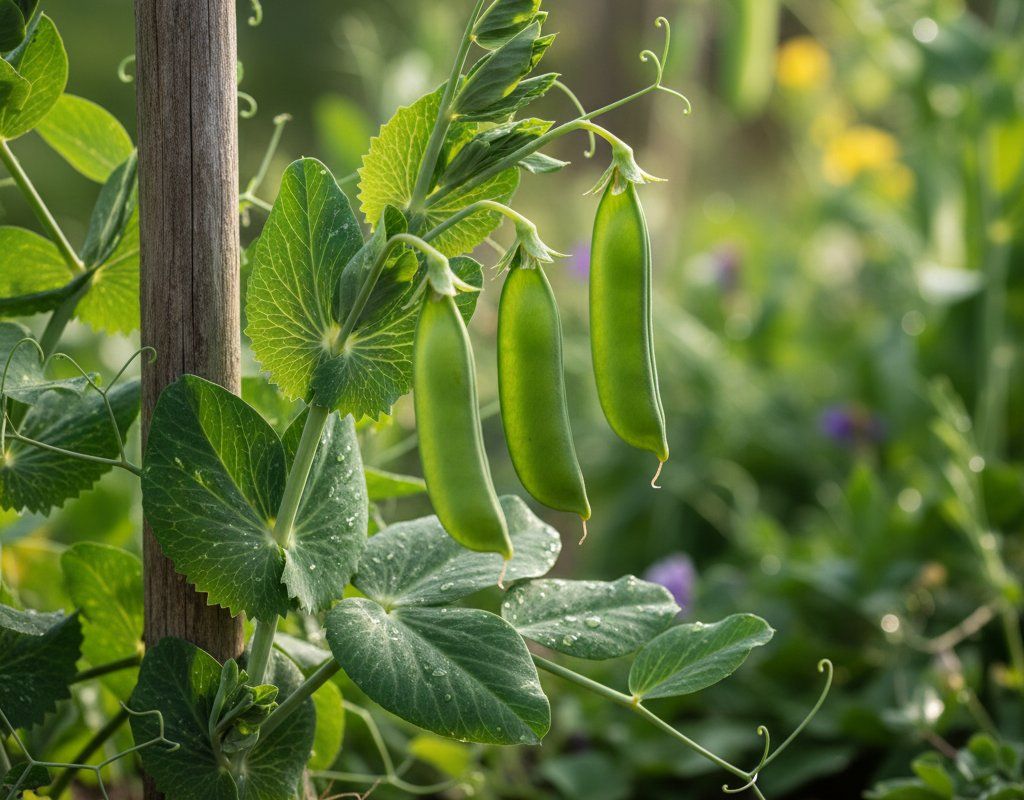
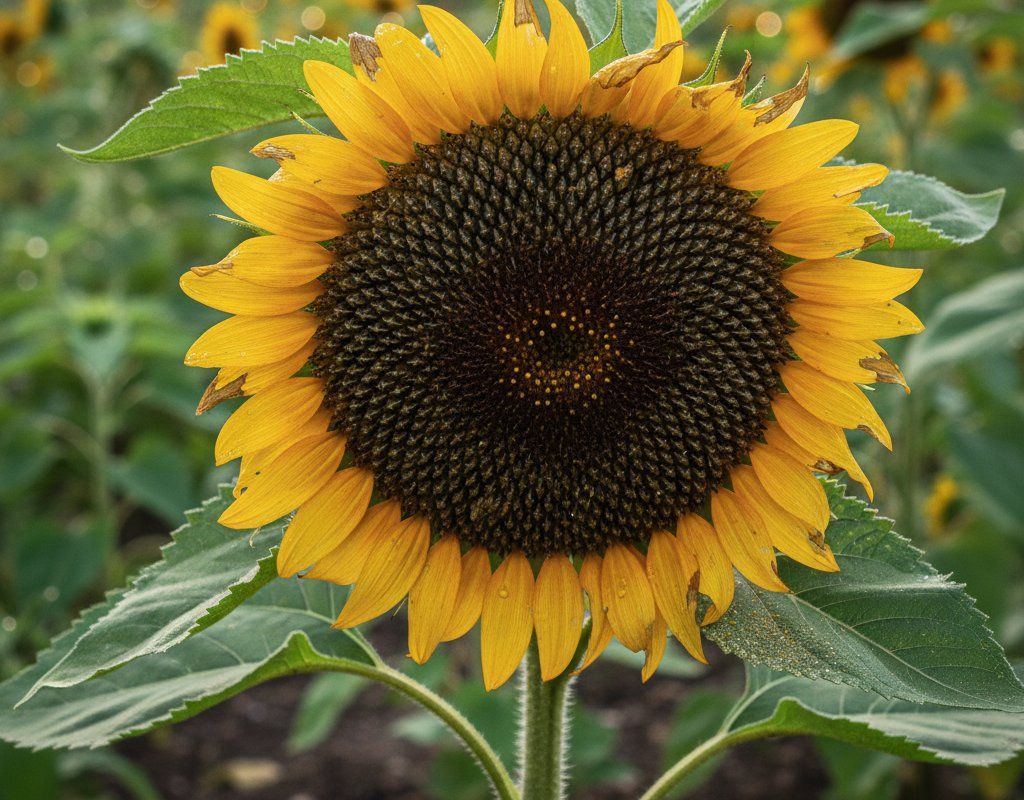
Plant cucumbers with beans, corn, and peas – these legumes fix nitrogen that feeds heavy-feeding cucumber vines. Radishes make excellent companions because they repel cucumber beetles and mature quickly without competing for space. Sunflowers provide natural trellising for vining varieties while their deep roots don't compete with shallow cucumber roots.
Avoid planting cucumbers near potatoes, which can stunt growth, or aromatic herbs like sage and rosemary that may inhibit cucumber development. In the Southeast's humid climate, give cucumbers plenty of space between all companion plants to ensure good air circulation and prevent fungal disease problems.
🌸Best Flowers to Plant with Cucumber
These flowers protect your Cucumber from pests and attract pollinators for better harvests.
For Pest Control






Get a Reminder When It's Time to Plant
We'll email you when key planting windows open for your zone.