
Cucumber in Zone 7A — Southeast
Cucumis sativus · Your Complete 2026 Planting Guide
Planning Ahead — Great!
You’re ahead of the season. Here’s when to start.
Mark Your Calendar
How to Plant Cucumber in Zone 7A — Southeast
Here are all your options for getting cucumber in the ground, from the easiest method to more advanced approaches.
Direct Sow Seeds
RecommendedEarly April through late August
around April 1
Consider succession planting every 2-3 weeks for continuous harvest.
Direct sowing is easiest. Start indoors only if you need a head start.
Buy Starts
Works WellEarly April through early May
around April 8
Plant purchased starts after last frost (March 25).
Start Seeds Indoors
Works WellMid March through early April
around March 18
Then transplant: Early April through early May
Start seeds 3-5 weeks before transplanting outdoors.
Start only 3 weeks before transplant — cucumbers grow fast and get rootbound.
Transplant Outdoors
Timing InfoEarly April through early May
around April 8
Wait until nighttime temperatures stay above 50°F.
You have a nice window — no need to rush.
Overview
Nothing beats the crisp snap of a cucumber picked fresh from your own Southeast garden. In our hot, humid summers, these cooling vegetables are pure gold — whether you're making gazpacho, pickling for winter, or just adding them to salads during those sweltering afternoons. Our long growing season means you can keep harvesting from late May clear through early November, giving you months of fresh cucumbers when store-bought ones pale in comparison.
The Southeast's intense heat and humidity do create some challenges with cucumbers, especially disease pressure and pest issues. But with proper timing and a few regional tricks, you'll find these vigorous vines absolutely thrive in our climate. Our 225-day growing season gives you multiple planting opportunities, so even if your first crop struggles through the brutal summer heat, you can start fresh for a productive fall harvest.
Starting Seeds Indoors
Starting cucumber seeds indoors isn't really necessary in our Southeast climate, but it can give you a jump on the season if you're eager for early cucumbers. Start seeds indoors from mid-March through early April, about 3 weeks before your last frost date. Cucumbers are fast growers and get rootbound quickly, so don't start them too early.
Use seed trays with good drainage and keep them warm — around 70-75°F for best germination. A heat mat helps during those cooler spring nights we still get in March. Bottom watering works best to prevent damping-off disease, which can be an issue in our humid climate even indoors.
Keep your seedlings under bright lights and don't let them get leggy. With our moderate spring temperatures, you'll need to harden them off gradually before transplanting outside. Honestly, direct sowing is usually easier and just as productive in our climate.
Transplanting Outdoors
If you've started cucumbers indoors, transplant them outside from early April through early May, once soil temperatures consistently stay above 60°F and nighttime temperatures don't dip below 50°F. Our spring weather can be unpredictable with those late cold snaps, so watch the forecast carefully.
Harden off your seedlings over a full week, gradually increasing their outdoor exposure. Start with just a few hours of morning sun, then work up to full days outside. Our afternoon thunderstorms and strong spring winds can shock tender seedlings if they're not properly acclimated.
Space transplants 36-60 inches apart — closer spacing works if you're trellising, but go wider if you're letting them sprawl. Plant them in well-amended clay soil (ours needs all the organic matter it can get) and water them in well. Be gentle with the roots since cucumbers don't like transplant shock.
Direct Sowing
Direct sowing is absolutely the easiest way to grow cucumbers in the Southeast. You can plant from early April through late August, giving you multiple chances for success. Wait until soil temperature reaches at least 60°F — cold soil will rot your seeds before they germinate.
Prepare your planting area by working plenty of compost into our heavy clay soil. Cucumbers need excellent drainage, so consider building raised rows or adding coarse compost to improve soil structure. Plant seeds about 1 inch deep and space them 36-60 inches apart, depending on whether you plan to trellis or let them sprawl.
For succession planting, sow new seeds every 2-3 weeks through mid-summer. This keeps you in fresh cucumbers and helps you avoid having your entire crop hit by pest problems at once. Our long season means you can even plant a late crop in August for fall harvest, when disease pressure typically decreases.
Watering Cucumber in Zone 7A (Southeast)
Cucumbers are 95% water, so consistent moisture is absolutely critical for good fruit production. In our hot, humid summers, they need about 1-2 inches of water per week, but pay attention to what nature provides. Our afternoon thunderstorms often deliver heavy rainfall, but it's rarely consistent enough for cucumbers.
Check soil moisture by sticking your finger 2 inches deep near the plants. If it's dry at that depth, it's time to water deeply. Water at the base of plants rather than overhead — our high humidity already creates perfect conditions for fungal diseases, so wet foliage just makes it worse. Early morning watering is best so plants dry off before our humid nights.
Watch for signs of water stress: wilting during hot afternoons (even with adequate soil moisture), bitter-tasting fruit, or yellowing leaves. Inconsistent watering is worse than slightly dry conditions — those wet-dry cycles stress the plants and lead to bitter cucumbers. A 2-3 inch layer of mulch helps retain moisture and keeps soil temperatures more consistent during our temperature swings.
During our wettest summer months, you might actually need to protect plants from too much water. If your clay soil doesn't drain well and we're getting daily thunderstorms, consider temporarily covering plants during the heaviest downpours to prevent root rot.
Supporting Your Cucumber
Trellising cucumbers is one of the smartest moves you can make in our humid Southeast climate. Vertical growing improves air circulation around the plants, which helps prevent the fungal diseases that love our muggy summer nights. Plus, trellised cucumbers produce straighter fruit and are much easier to harvest.
Install your trellis or support structure when you plant, whether that's seeds or transplants. A simple A-frame trellis, cattle panel, or even a sturdy fence works well. Make it at least 6 feet tall — cucumber vines can easily reach 8 feet in our long growing season. Strong supports are essential since our summer thunderstorms can pack serious wind.
Train young vines to climb by gently wrapping tendrils around the support. Once they get going, cucumbers are enthusiastic climbers and will grab onto supports naturally. If you're growing them on the ground instead, give them plenty of space — at least 4-5 feet between plants — and use mulch to keep the fruit clean during our heavy summer rains.
🧪Fertilizing Cucumber
Feeding Schedule
Organic Fertilizer Options
Harvest Time
You'll see your first cucumbers ready for harvest about 55 days after planting, which puts most early plantings into production by late May. From there, you can keep harvesting through early November if you succession plant and protect plants from the first light frosts. Peak production hits during the heat of summer when plants are growing most vigorously.
Harvest cucumbers when they're firm, dark green, and the right size for your variety — usually 6-8 inches for slicers, 3-4 inches for picklers. Don't let them get oversized or start yellowing, as overripe cucumbers become bitter and seedy. Check plants every other day during peak season since they grow incredibly fast in our summer heat.
Use a knife or scissors to cut the stem rather than pulling, which can damage the vine. Harvest in the early morning when fruits are crisp and full of moisture. Keep picking regularly — the more you harvest, the more the plants will produce. If you let mature cucumbers stay on the vine, production will slow down significantly.
As our first frost approaches in early November, harvest all remaining cucumbers regardless of size. Green tomatoes might ripen indoors, but cucumbers won't improve off the vine. During those final weeks, focus on using up your harvest for pickling or preserving before cold weather ends the season.
Common Problems in Zone 7A (Southeast)
Powdery Mildew Look for white or grayish powdery coating that starts on older leaves, then spreads to stems and even fruit. Leaves eventually curl, yellow, and die back, weakening the entire plant. This fungal disease thrives in our warm days and cooler nights, especially when humidity stays high but leaf surfaces remain dry. Ironically, overhead watering can actually help prevent it by washing spores away, but our humid nights provide perfect conditions regardless. Improve air circulation by spacing plants properly and trellising vines. Remove affected leaves immediately and consider milk spray (1 part milk to 9 parts water) or neem oil treatments. Choose resistant varieties when possible.
Cucumber Beetles These small yellow-green beetles with black spots or stripes chew holes in leaves and flowers, but the real danger is bacterial wilt disease they transmit. Plants may suddenly wilt and die even when soil moisture is adequate. The beetles are most active during our warm spring weather and can devastate young plants quickly. Use row covers until plants start flowering (then remove for pollination), hand-pick adults in the morning when they're sluggish, or try yellow sticky traps. Neem oil or kaolin clay sprays can deter them, and interplanting with radishes often works as a trap crop in our gardens.
Bitter Fruit Cucumbers taste bitter, especially near the stem end, even though they look normal otherwise. This happens when plants produce excess cucurbitacin, usually from water stress, temperature extremes, or inconsistent watering. Our clay soil can make consistent moisture tricky, and those sudden temperature swings from afternoon thunderstorms don't help. Water deeply and regularly, mulch well to buffer soil temperature, and harvest frequently since oversized fruits get more bitter. Choose 'burpless' varieties if this is a recurring problem.
Southeast Specific Challenges Our hot, humid summers create the perfect storm for fungal diseases like powdery mildew and downy mildew. Japanese beetles often join cucumber beetles in attacking leaves, and deer love munching on cucumber vines. The clay soil many of us deal with holds too much water during our wet periods but becomes rock-hard during dry spells, making consistent soil moisture challenging. Success comes from improving drainage, choosing disease-resistant varieties, and staying vigilant about pest management during our long growing season.
Best Companions for Cucumber
Plant these nearby for healthier Cucumber and better harvests.

Keep Away From
Companion Planting Details
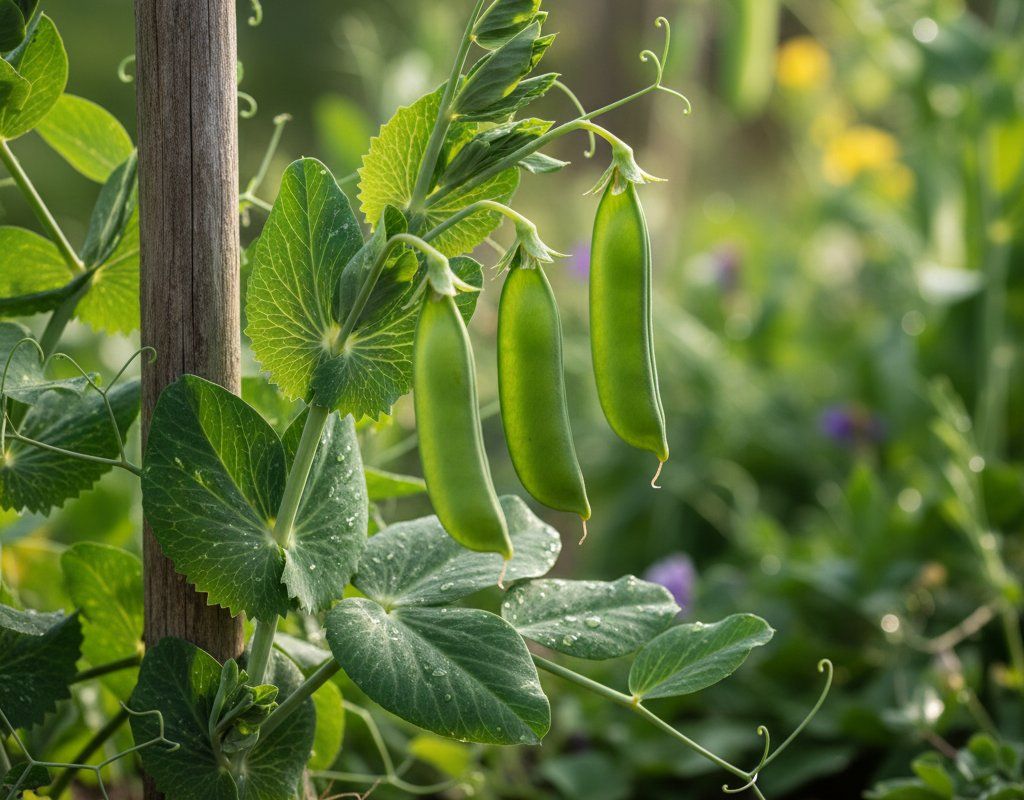
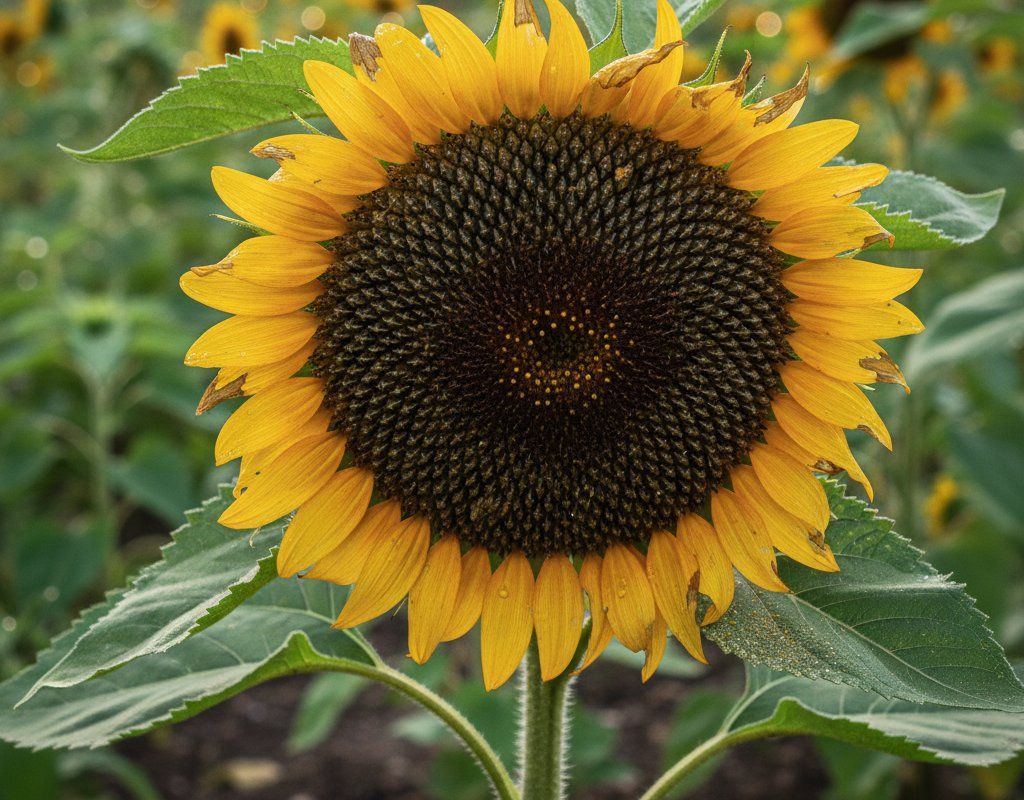
Cucumbers pair beautifully with beans and corn in traditional "Three Sisters" plantings — the beans fix nitrogen that feeds the heavy-feeding cucumbers, while corn provides natural trellising. Peas work similarly in spring plantings. Radishes make excellent companions because they mature quickly and help break up our clay soil, plus they can serve as trap crops for cucumber beetles. Sunflowers provide afternoon shade during our brutal summer heat and attract beneficial insects that help with pest control.
Avoid planting cucumbers near potatoes, which can harbor similar diseases, and keep them away from strongly aromatic herbs like sage or oregano that may inhibit their growth. In our humid climate, good air circulation is critical, so don't crowd cucumbers with other sprawling plants. Give them room to breathe and they'll reward you with abundant harvests through our long, productive growing season.
🌸Best Flowers to Plant with Cucumber
These flowers protect your Cucumber from pests and attract pollinators for better harvests.
For Pest Control






Get a Reminder When It's Time to Plant
We'll email you when key planting windows open for your zone.