
Cucumber in Zone 7B — Northern California
Cucumis sativus · Your Complete 2026 Planting Guide
Ideal Time: Start Seeds Indoors!
This is the perfect time for the biggest, best harvest.
Start Seeds Now
- Start seeds in trays or pots with seed-starting mix
- Keep soil moist and warm (70-80°F)
- Transplant outdoors Late March through late April
Not Starting from Seed?
Buy starts around March 29 — that works great too!
How to Plant Cucumber in Zone 7B — Northern California
Here are all your options for getting cucumber in the ground, from the easiest method to more advanced approaches.
Direct Sow Seeds
RecommendedLate March through early September
around March 22
Consider succession planting every 2-3 weeks for continuous harvest.
Direct sowing is easiest. Start indoors only if you need a head start.
Buy Starts
Works WellLate March through late April
around March 29
Plant purchased starts after last frost (March 15).
Start Seeds Indoors
Works WellEarly to late March
around March 8
Then transplant: Late March through late April
Start seeds 3-5 weeks before transplanting outdoors.
Start only 3 weeks before transplant — cucumbers grow fast and get rootbound.
Transplant Outdoors
Timing InfoLate March through late April
around March 29
Wait until nighttime temperatures stay above 50°F.
You have a nice window — no need to rush.
Overview
Cucumbers are a perfect match for Northern California's Mediterranean climate, giving you crisp, refreshing fruit throughout our long growing season. Our warm, dry summers create ideal conditions for these heat-loving vines, while the 245-day frost-free period means you can succession plant for continuous harvests from late spring through fall. Home-grown cucumbers taste worlds apart from store-bought ones — they're sweeter, crunchier, and you can pick varieties like Armenian or lemon cucumbers that never make it to grocery shelves.
While cucumbers need consistent water in our dry-summer climate, proper timing and variety selection make them surprisingly manageable. Our early springs let you get plants established before the heat peaks, and the predictable weather patterns mean you can plan your watering schedule around the long, rainless stretch ahead.
Starting Seeds Indoors
Starting cucumber seeds indoors makes sense in Northern California if you want the earliest possible harvest or need to work around your garden's microclimate. Start seeds in early to late March, about three weeks before your planned transplant date. Cucumbers grow fast and don't like root disturbance, so timing is crucial — start them too early and they'll become rootbound.
Set up your seed trays in a warm spot (70-75°F) with good light once they germinate. Bottom watering works best to prevent damping-off disease, which can be an issue in our cool, damp spring mornings. Use peat pots or larger cells since cucumber roots spread quickly.
Keep in mind that direct sowing is usually easier in our climate since soil warms up reliably by late March. Indoor starting mainly gives you a 2-3 week head start, which can be valuable if you're dealing with a particularly cool microclimate or want cucumbers ready for early summer entertaining.
Transplanting Outdoors
Transplant your indoor-started cucumbers from late March through late April, once soil temperatures consistently stay above 60°F and nighttime lows are reliably above 50°F. Our spring weather can swing between warm days and surprisingly cool nights, so wait for stable conditions rather than rushing based on calendar dates.
Harden off seedlings gradually over a full week, starting with just 2-3 hours of morning sun and building up to full outdoor exposure. This step is critical in Northern California since our UV intensity jumps significantly as we move into summer, and tender seedlings can get sunburned quickly.
Space plants 3-5 feet apart depending on whether you're trellising (closer spacing) or letting them sprawl (wider spacing). Choose your sunniest spot with good air circulation — this helps prevent the powdery mildew that can develop during our warm days and cool nights pattern.
Direct Sowing
Direct sowing is the easiest and most reliable method for cucumbers in Northern California. You can sow from late March through early September, taking advantage of our long growing season for multiple plantings. Wait until soil temperature reaches 65°F consistently — usually by early April in most areas, though cooler microclimates might need another week or two.
Prepare your soil by working in plenty of compost since cucumbers are heavy feeders and need good drainage. Plant seeds 1 inch deep and space them 3-5 feet apart, or closer if you plan to trellis. In our dry climate, consider planting in slight depressions to help collect water, or create small basins around each planting spot.
For continuous harvests, make succession plantings every 3-4 weeks through July. Later plantings (August-September) work well in our climate since cucumbers actually prefer the cooler conditions of early fall to the peak summer heat. Just ensure you're choosing varieties with shorter days to maturity for those final plantings.
Watering Cucumber in Zone 7B (Northern California)
Cucumbers are 95% water, making consistent irrigation absolutely critical in Northern California's dry-summer climate. Unlike regions with summer rainfall, you'll be their sole water source from May through October. They need about 1-2 inches per week, but this increases during our hottest stretches when temperatures hit the upper 80s and beyond.
Water deeply at the base of plants early in the morning to minimize evaporation in our low-humidity conditions. The finger test works well — stick your finger 2 inches into the soil, and if it's dry, it's time to water. During peak summer heat, you might need to water every other day, especially for container-grown plants. Overhead watering is fine early in the season but can promote powdery mildew as plants mature.
Watch for signs of water stress: wilting during the heat of the day (normal), bitter fruit (serious problem), or yellowing leaves from the bottom up. Inconsistent watering is worse than slightly underwatering since it leads to bitter, misshapen fruit. Mulch heavily around plants to conserve moisture and keep roots cool during our hot afternoons.
Set up drip irrigation or soaker hoses if possible — they're game-changers for maintaining consistent soil moisture without wasting water, which is especially important during drought years or if you're dealing with water restrictions.
Supporting Your Cucumber
Trellising cucumbers is almost essential in Northern California gardens where space is often at a premium and air circulation helps prevent disease. Install a sturdy trellis, cattle panel, or strong tomato cage at planting time — cucumber vines can reach 6-8 feet and get surprisingly heavy when loaded with fruit. Vertical growing also produces straighter cucumbers and makes harvesting much easier.
Train young vines by gently weaving them through the support structure or using soft ties. Cucumbers climb using tendrils, so they'll grab onto almost anything, but they need initial guidance. The improved air circulation from vertical growing is particularly valuable in our climate where warm days and cool nights can create conditions for powdery mildew.
If you choose to let cucumbers sprawl on the ground, give them plenty of space (5-6 feet per plant) and consider placing straw or cardboard under developing fruits to keep them clean and prevent rot. However, trellised plants typically produce more fruit in less space and stay healthier throughout our long growing season.
🧪Fertilizing Cucumber
Feeding Schedule
Organic Fertilizer Options
Harvest Time
Your first cucumbers will be ready from mid-May through mid-November, depending on when you planted and which varieties you chose. Most cucumbers reach maturity in about 55 days, but you'll want to harvest them younger for the best flavor and texture. Look for firm, dark green fruits that have reached the expected size for your variety — typically 6-8 inches for slicing types.
Harvest cucumbers every 2-3 days once production starts, checking daily during peak season in July and August. Pick them while the skin is still glossy and before they start showing yellow patches or getting oversized. Overripe cucumbers become bitter and seedy, plus leaving them on the vine signals the plant to stop producing new flowers.
Cut or twist cucumbers off gently rather than pulling to avoid damaging the vine. Morning harvest is ideal since the fruits are crisp and full of moisture from the cool night. Regular harvesting encourages continued production — a well-maintained plant can produce for 2-3 months in our long growing season.
As we approach our first frost date in mid-November, harvest all remaining cucumbers regardless of size. Green ones can be pickled, and you can extend the season by covering plants during light frosts if you have late-season varieties still producing.
Common Problems in Zone 7B (Northern California)
Powdery mildew appears as white or grayish powdery patches on leaves, stems, and sometimes fruit surfaces. Leaves curl, yellow, and eventually die back, reducing the plant's vigor and fruit production. This fungal disease is particularly common in Northern California because it actually thrives in our dry conditions with warm days and cool nights — unlike most fungi, it doesn't need wet leaves to develop.
Improve air circulation by proper spacing and pruning lower leaves that touch the ground. Remove affected leaves immediately and dispose of them in trash, not compost. Spray with neem oil, potassium bicarbonate, or try the surprisingly effective milk spray (1 part milk to 9 parts water) applied weekly. Choose resistant varieties like 'County Fair' or 'Salad Bush' for future plantings.
Cucumber beetles are small yellow-green insects with black spots or stripes that chew holes in leaves and flowers. More seriously, they transmit bacterial wilt disease that causes plants to wilt suddenly and die. These pests are especially problematic in our region because our mild winters allow them to overwinter successfully.
Use row covers until plants begin flowering, then remove for pollination. Hand-pick beetles in early morning when they're sluggish. Yellow sticky traps help monitor populations. Spray with neem oil or pyrethrin, or dust plants with kaolin clay. Plant radishes or nasturtiums nearby as trap crops to draw beetles away from your cucumbers.
Bitter fruit makes cucumbers inedible, with the worst bitterness usually concentrated near the stem end. The fruit may look perfectly normal but taste terrible. This problem is particularly common in Northern California because the compound causing bitterness (cucurbitacin) increases with water stress and temperature fluctuations.
Maintain consistent soil moisture throughout the growing season — this is the most important prevention step. Avoid drought stress and harvest regularly since oversized fruits develop more bitterness. Choose "burpless" or bitter-free varieties like 'Suyo Long' or 'Japanese Climbing.' If bitterness occurs, peel cucumbers from the blossom end toward the stem end.
Northern California Specific Challenges: Our Mediterranean climate's combination of dry summers, low humidity, and significant day-night temperature swings creates perfect conditions for powdery mildew while also stressing plants enough to trigger bitter fruit. The key is consistent deep watering and choosing varieties adapted to these conditions.
Best Companions for Cucumber
Plant these nearby for healthier Cucumber and better harvests.


Keep Away From
Companion Planting Details
Beans, corn, and peas make excellent companions for cucumbers in Northern California gardens. Beans and peas fix nitrogen in the soil, feeding your heavy-feeding cucumber plants throughout the season. Corn provides natural trellising for cucumbers while the cucumber's broad leaves shade the soil around corn roots, conserving moisture during our dry summers. This classic "three sisters" combination works particularly well in our climate where water conservation is crucial.
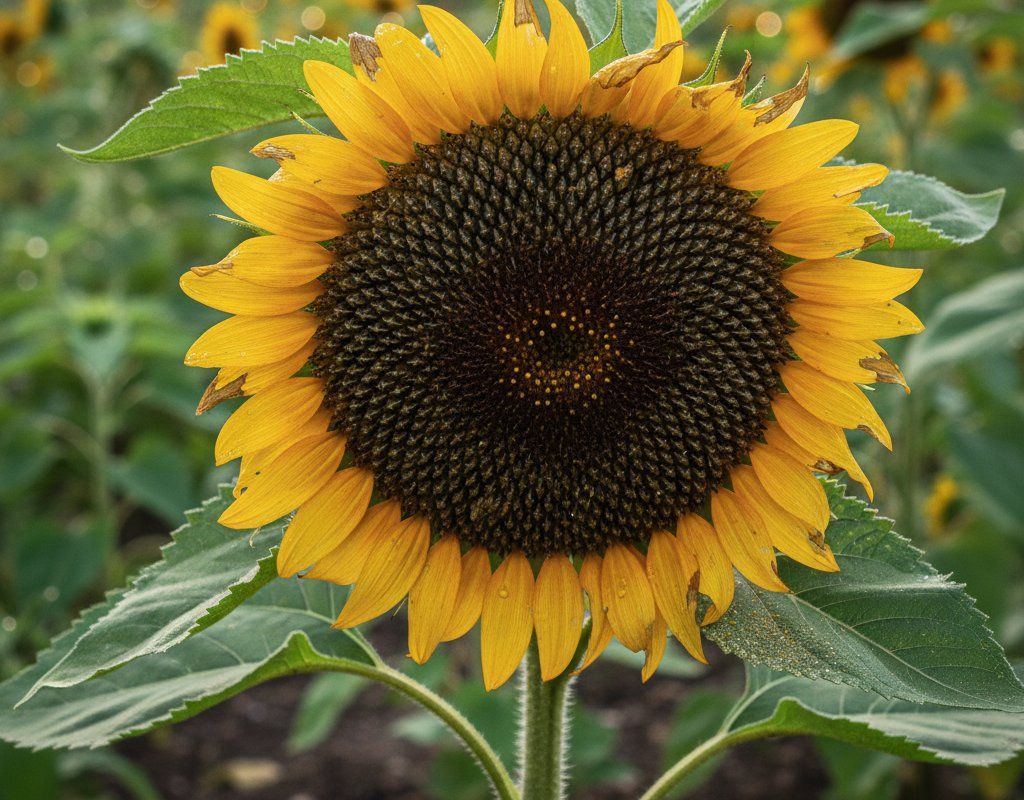
Radishes and sunflowers also pair beautifully with cucumbers. Radishes mature quickly and can be harvested before cucumbers need the space, plus they may help deter cucumber beetles. Sunflowers provide afternoon shade in hot microclimates and attract beneficial insects. Avoid planting cucumbers near potatoes (they compete for nutrients and space) and aromatic herbs like sage or oregano, which can inhibit cucumber growth and may alter their flavor.
🌸Best Flowers to Plant with Cucumber
These flowers protect your Cucumber from pests and attract pollinators for better harvests.
For Pest Control






Get a Reminder When It's Time to Plant
We'll email you when key planting windows open for your zone.