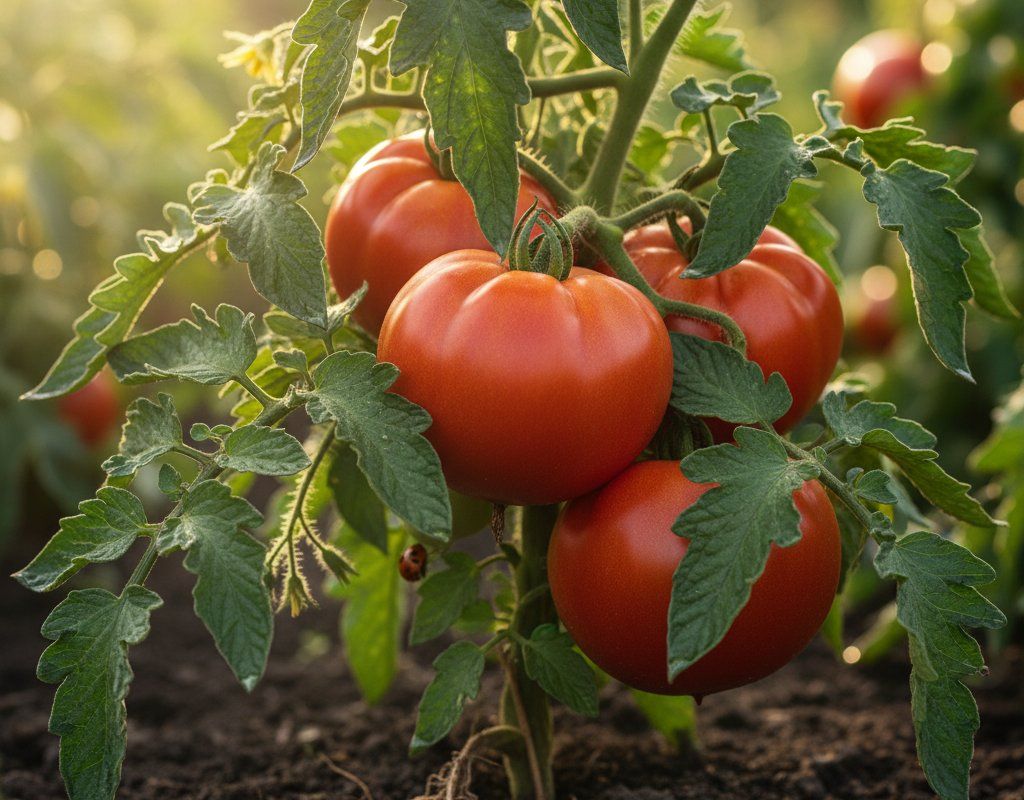
Beefsteak Tomatoes in Zone 7B — Northern California
Solanum lycopersicum · Your Complete 2026 Planting Guide
Missed Seed Starting? No Problem!
Wait for starts to become available.
What to Do
Starts will be available at nurseries in 25 days (around March 29).
How to Plant Beefsteak Tomatoes in Zone 7B — Northern California
Here are all your options for getting beefsteak tomatoes in the ground, from the easiest method to more advanced approaches.
Start Seeds Indoors
RecommendedEarly February through early March
around February 15
Then transplant: Late March through late April
Start seeds 6-8 weeks before transplanting outdoors.
Buy Starts
Works WellLate March through late April
around March 29
Plant purchased starts after last frost (March 15).
Direct Sow Seeds
ChallengingDirect sowing is not typical for Beefsteak Tomatoes.
Transplant Outdoors
Timing InfoLate March through late April
around March 29
Wait until nighttime temperatures stay above 50°F.
You have a nice window — no need to rush.
Overview
Beefsteak tomatoes are the crown jewel of any Northern California garden, producing massive, meaty fruits perfect for slicing onto sandwiches or serving as the star of caprese salads. Our Mediterranean climate gives these heat-loving giants exactly what they need — warm, dry summers with plenty of sunshine and those signature cool evening temperatures that concentrate flavors.
While beefsteaks demand consistent water in our drought-prone region and take their sweet time to ripen, your 245-day growing season means you'll have months to enjoy the harvest once they get going. Starting seeds indoors in late winter lets you work around any early spring temperature swings, setting you up for tomato success all summer long.
Starting Seeds Indoors
Start your beefsteak tomato seeds indoors from early February through early March, about 6 weeks before you plan to transplant outside. Northern California's early spring character means you can get a head start while avoiding any late-season surprises in the garden.
Set up seed trays with a quality seed-starting mix and place them on a heat mat or in a warm spot (70-75°F works perfectly). Once seeds germinate, move them under grow lights or place in your brightest south-facing window. Bottom watering works beautifully for tomato seedlings — just fill the tray underneath and let the soil wick up moisture, preventing the stem rot that can plague young plants.
Your seedlings will be ready to start hardening off by mid to late March, just as our spring weather begins to stabilize. This timing gives you flexibility to transplant when conditions look right rather than rushing into potentially cool soil.
Transplanting Outdoors
Transplant your beefsteak seedlings outdoors from late March through late April, once nighttime temperatures consistently stay above 50°F and your soil has warmed up. Our early spring can still throw some curveballs, so don't rush if a cool spell moves through.
Plan for a week of hardening off before transplanting — gradually expose seedlings to outdoor conditions, starting with a few hours in filtered light and building up to full sun exposure. Space your beefsteaks 36 to 48 inches apart; these indeterminate plants will sprawl and need serious room for good air circulation.
Choose your transplant timing carefully during this window. A warm, settled weather pattern is ideal, as newly transplanted tomatoes can sulk for weeks if hit with unexpected cool temperatures right after planting.
Watering Beefsteak Tomatoes in Zone 7B (Northern California)
Beefsteaks are water hogs, and in Northern California's dry summer climate, consistent irrigation becomes absolutely critical for success. These large-fruited tomatoes need about 1.5 to 2 inches of water per week, delivered deeply and evenly to prevent the stress that leads to cracking and blossom end rot.
Start with twice-weekly deep waterings in spring, then shift to every other day once summer heat kicks in and fruit begins sizing up. Check soil moisture with the finger test — stick your finger 2 inches down near the base of the plant, and water when it feels dry at that depth. In our low-humidity climate, surface soil can look bone dry while deeper roots still have adequate moisture.
Water directly at the base of plants rather than overhead, especially important in our dry air where foliage diseases aren't usually the main concern. Morning watering works best, giving plants time to absorb moisture before afternoon heat peaks. Watch for signs of water stress: wilting during the heat of the day (normal), but also fruit cracking, blossom end rot, or leaves curling inward.
Apply 2-3 inches of mulch around plants to help maintain consistent soil moisture and reduce your watering frequency. Straw, shredded leaves, or wood chips all work well in our climate, helping stretch limited water resources during potential restriction periods.
Supporting Your Beefsteak Tomatoes
Install heavy-duty support systems at planting time — beefsteak tomatoes produce fruit that can weigh over a pound each, and indeterminate plants will keep growing and producing until frost. Extra-tall tomato cages (6 feet minimum) or sturdy wooden stakes with multiple tie points work better than flimsy store-bought options.
For staking, use 8-foot stakes driven 18 inches deep, tying the main stem loosely with soft cloth strips or specialized tomato ties every 12-18 inches as the plant grows. Cages should be at least 24 inches in diameter to accommodate the sprawling growth habit — you'll be reaching through to harvest fruit all season long.
Check and adjust supports regularly throughout the growing season. Individual branches heavy with fruit may need additional support tied to the main stake, especially as plants reach full size in midsummer heat.
Pruning & Maintaining Beefsteak Tomatoes
Remove suckers (shoots growing between main stems and branches) regularly throughout the growing season to focus the plant's energy on fewer, larger fruit. For beefsteaks, pinch out most suckers but leave 2-3 of the strongest ones to become secondary main stems — this balances fruit production with plant vigor.
Strip off lower leaves once they start touching the ground, improving air circulation and reducing potential disease pressure. As harvest season progresses, continue removing leaves below the lowest ripening fruit cluster to keep energy focused upward.
Around mid-October, start "topping" your plants by pinching out the growing tips and any new flower clusters. This forces the plant to focus on ripening existing fruit before our mid-November frost window arrives, rather than putting energy into new growth that won't have time to mature.
🧪Fertilizing Beefsteak Tomatoes
Feeding Schedule
Organic Fertilizer Options
Harvest Time
Expect your first beefsteak harvest from late June through early August, roughly 85 days after transplanting. The long maturation time is worth the wait — these tomatoes develop complex flavors and that signature meaty texture that makes them perfect for slicing.
Harvest when fruit shows deep, even color but still feels firm when you cup it gently in your hand. Beefsteaks can be tricky to judge — they often look ripe before they actually are, so give them an extra day or two if you're unsure. The shoulder around the stem should lose any green coloring, and the fruit should give very slightly to gentle pressure.
Twist and pull gently, or use clean pruning shears to cut the stem, leaving a small stub attached to the fruit. Regular harvesting every 2-3 days encourages continued production throughout our long growing season. During peak summer heat, check plants daily as fruit can go from perfect to overripe quickly.
As first frost approaches in mid-November, harvest all remaining fruit regardless of size. Green beefsteaks ripen beautifully indoors when placed in a paper bag with a ripe banana, or simply lined up on a sunny windowsill. This strategy often extends your harvest well into December, making the most of Northern California's generous growing season.
Common Problems in Zone 7B (Northern California)
Cracking shows up as splits in the tomato skin, either in concentric circles around the stem or as radial lines spreading outward. The cracks expose the flesh and can lead to rot, especially disappointing on these prize-worthy fruits. This happens when heavy watering follows a dry period, causing fruit to absorb water faster than the skin can stretch. Maintain consistent soil moisture with regular deep watering and mulching — crucial in our dry summer climate where irrigation timing makes or breaks the crop.
Catfacing creates deep crevices, scars, and lumpy deformities on the blossom end of tomatoes, making them look like something went seriously wrong. Cool nighttime temperatures during flowering cause incomplete pollination, and beefsteaks are particularly susceptible. Avoid transplanting too early when nights still dip into the 40s, and use row covers if unseasonably cool weather hits during bloom time. The fruit tastes fine despite its appearance.
Blossom end rot appears as sunken, dark brown or black leathery patches on the bottom of fruit, often hitting the first tomatoes of the season hardest. This isn't a disease but a calcium deficiency triggered by inconsistent watering — the plant can't take up calcium when soil moisture swings between drought and flood. Consistent irrigation solves this better than any calcium supplement, making it especially important to nail your watering schedule in our water-wise region.
Slow ripening leaves you with large green tomatoes that seem stuck in time, refusing to turn red despite perfect growing conditions. Cool nighttime temperatures below 60°F, too much nitrogen fertilizer, or insufficient sunlight all slow the ripening process. In some microclimates around Northern California, this becomes a real issue as fall approaches — focus on providing maximum sun exposure and reducing nitrogen inputs as harvest time nears.
Northern California's moderate-to-hot summer heat and low humidity actually work in your favor for most tomato diseases, but the flip side is managing water stress becomes absolutely critical. Our dry summers mean every drop of irrigation counts, and getting the timing right prevents most of the quality issues that plague beefsteak growers in other regions.
Best Companions for Beefsteak Tomatoes
Plant these nearby for healthier Beefsteak Tomatoes and better harvests.
View Full Companion Planting Chart →



Companion Planting Details
Plant basil alongside your beefsteaks — it naturally repels aphids and whiteflies while the aromatic oils may enhance tomato flavor. Carrots make excellent companions, growing in the spaces between widely-spaced tomato plants without competing for nutrients, and their deep taproots actually help break up clay soil common in many Northern California gardens. Marigolds scattered throughout the tomato patch deter nematodes and add bright color, while parsley attracts beneficial insects that help with pest control.
Avoid planting brassicas like cabbage, broccoli, or kale near tomatoes — they're heavy nitrogen feeders that compete directly with your tomatoes' nutrient needs. Skip fennel entirely, as it can stunt tomato growth, and keep corn at a distance since both crops attract similar pests and diseases. In our long growing season, you have space to separate these plants properly, so plan your garden layout to give beefsteaks the breathing room and compatible neighbors they deserve.
🌸Best Flowers to Plant with Beefsteak Tomatoes
These flowers protect your Beefsteak Tomatoes from pests and attract pollinators for better harvests.


Get a Reminder When It's Time to Plant
We'll email you when key planting windows open for your zone.