
Cucumber in Zone 8B — Florida
Cucumis sativus · Your Complete 2026 Planting Guide
Time to Buy Starts!
Seed starting window passed, but starts are available now.
Buy Starts Now
Head to your local nursery, Home Depot, or farmers market for transplants.
- Look for stocky plants with dark green leaves
- Avoid leggy seedlings or plants already flowering
- Check that roots aren't circling the pot (rootbound)
How to Plant Cucumber in Zone 8B — Florida
Here are all your options for getting cucumber in the ground, from the easiest method to more advanced approaches.
Direct Sow Seeds
RecommendedLate February through early October
around February 22
Consider succession planting every 2-3 weeks for continuous harvest.
Direct sowing is easiest. Start indoors only if you need a head start.
Buy Starts
Works WellEarly to late March
around March 1
Plant purchased starts after last frost (February 15).
Start Seeds Indoors
Works WellEarly to late February
around February 8
Then transplant: Early to late March
Start seeds 3-5 weeks before transplanting outdoors.
Start only 3 weeks before transplant — cucumbers grow fast and get rootbound.
Transplant Outdoors
Timing InfoEarly to late March
around March 1
Wait until nighttime temperatures stay above 50°F.
You have a nice window — no need to rush.
Overview
Cucumbers thrive in Florida's warm climate, giving you crisp, refreshing harvests when store-bought options taste like water. Here in Zone 8B, you can grow cucumbers almost year-round, taking advantage of our 303-day growing season to enjoy fresh pickles, salads, and cooling summer drinks straight from your garden. The satisfaction of biting into a sun-warmed cucumber on a hot Florida afternoon beats anything from the grocery store.
Our extreme humidity and fungal pressure can challenge cucumber plants, but proper timing makes all the difference. Plant in late winter or early spring for the best harvests, then again in fall for winter production. Florida's reversed gardening calendar works perfectly for cucumbers – you'll be harvesting while northern gardeners are still planning their spring gardens.
Starting Seeds Indoors
Starting cucumber seeds indoors makes sense if you want the earliest possible spring harvest or need to time plantings around our unpredictable late winter weather. Start seeds in early to late February, about three weeks before your planned transplant date. Cucumbers germinate quickly in warm soil, so keep seed trays at 70-85°F for best results.
Use bottom watering to prevent damping off in Florida's humid conditions. Cucumber seedlings grow fast and hate being rootbound, so don't start them too early – three weeks is plenty. They'll be ready to transplant when they have 2-3 true leaves.
Since Florida's spring season is actually our reversed growing pattern, indoor starting gives you more control over timing. You can avoid those late February cold snaps that sometimes catch outdoor sowings.
Transplanting Outdoors
Transplant cucumber seedlings outdoors from early to late March, after soil temperatures consistently reach 65°F and nighttime lows stay above 50°F. Florida's spring can be tricky with temperature swings, so watch the forecast before transplanting your precious seedlings.
Harden off seedlings gradually over a week, starting with a few hours of morning sun and building up to full outdoor exposure. This prevents transplant shock in our intense Florida sun. Space plants 36-60 inches apart – closer spacing works fine with trellising, but give them room for good air circulation in our humid climate.
Choose a protected spot for early transplants, as March winds can be harsh. A location that gets morning sun but some afternoon shade helps young plants establish without stress from our building spring heat.
Direct Sowing
Direct sowing is the easiest method for cucumbers in Florida – they hate root disturbance and grow so quickly that indoor starting isn't always worth the effort. Sow seeds from late February through early October, timing your plantings to avoid the most brutal summer heat if possible.
Wait until soil temperature reaches 65°F consistently before sowing. In Florida's sandy soils, work in compost or aged manure to improve water retention and add nutrition. Plant seeds ¾ to 1 inch deep and space them 36-60 inches apart, depending on whether you're trellising.
For continuous harvests, make succession plantings every 2-3 weeks through spring, then resume in early fall. Late summer and fall sowings often produce better than spring plantings because they mature during cooler weather. The key is getting them established before summer heat peaks or before winter cool-down begins.
Watering Cucumber in Zone 8B (Florida)
Cucumbers are 95% water, so consistent irrigation is absolutely critical for quality fruit – drought stress turns them bitter fast. In Florida's climate, this means paying attention to both our wet summers and drier winter periods, adjusting your watering schedule as rainfall patterns change throughout the year.
During spring establishment, water deeply 2-3 times per week, providing about 1-2 inches total. Use the finger test – stick your finger 2 inches into the soil, and water when it feels dry at that depth. Our sandy soils drain quickly, so frequent, deep watering works better than light daily sprinkles.
Summer brings its own challenges with intense heat and afternoon thunderstorms. Water early morning to reduce fungal problems in our extremely humid conditions. Even with summer rainfall averaging 50-65 inches, you'll still need supplemental watering during dry spells – our heat and humidity mean plants use water faster than you'd expect.
Watch for signs of water stress: wilting during the day (normal in extreme heat), bitter fruit, or yellowing leaves. Overwatering shows up as yellowing from the bottom up and increased fungal problems. Mulch around plants with 2-3 inches of organic matter to retain moisture and keep roots cool, but keep mulch away from stems to prevent pest issues in our humid climate.
Supporting Your Cucumber
Trellising cucumbers is almost essential in Florida – it improves air circulation (crucial for managing humidity), saves space, and produces straighter fruit. Install sturdy supports at planting time since cucumbers grow fast and heavy vines can topple weak structures.
Use a trellis 6-8 feet tall for vining varieties, or create an A-frame structure for better wind resistance during storm season. Wire cages work well for shorter bush types. Strong materials matter here – Florida's summer storms and hurricane season can destroy flimsy supports loaded with heavy fruit.
Train vines by gently weaving them through trellis openings or tying them with soft ties. Check weekly and redirect wayward vines before they get too heavy. Vertical growing also makes harvesting easier and reduces pest problems by keeping fruit off the ground away from slugs and soil-borne diseases.
🧪Fertilizing Cucumber
Feeding Schedule
Organic Fertilizer Options
Harvest Time
Your first cucumbers will be ready from mid-April through mid-December, typically 55 days after planting. In Florida's long growing season, you can have multiple crops if you time plantings right – spring plantings for early summer harvest, then fall plantings for winter production.
Harvest cucumbers when they're firm, dark green, and the right size for your variety – usually 6-8 inches for slicers, 2-4 inches for picklers. Pick them before they turn yellow or get oversized, as overripe cucumbers turn bitter and seedy. Check plants daily once harvesting begins, as Florida heat makes them size up quickly.
Cut or twist fruit off gently to avoid damaging the vine. Harvest regularly to keep plants producing – leaving overripe fruit on the vine signals the plant to stop making new flowers. Morning harvest gives you the crispest fruit after cool nighttime temperatures.
As first frost approaches in mid-December, harvest all remaining fruit regardless of size. Green tomatoes might ripen indoors, but cucumbers won't improve off the vine. Use small ones for pickles or add them to stir-fries where texture matters less than in fresh eating.
Common Problems in Zone 8B (Florida)
Powdery Mildew White or grayish powdery coating appears on leaves, stems, and sometimes fruit. Leaves curl, yellow, and eventually die, reducing plant vigor significantly. In Florida's humidity, this fungal disease can spread rapidly once established.
This actually thrives in warm days with cool nights and moderate humidity – surprisingly, dry leaf surfaces favor it more than wet ones. Our spring and fall weather patterns create perfect conditions. Improve air circulation through proper spacing and pruning lower leaves. Remove affected foliage immediately and try milk spray (1 part milk to 9 parts water) or neem oil applications.
Cucumber Beetles Small yellow-green beetles with black spots or stripes feed on leaves and flowers, leaving small holes throughout the plant. More dangerous is their transmission of bacterial wilt, which causes sudden plant collapse even when beetle damage looks minor.
Adult beetles overwinter in Florida and emerge when temperatures warm. They're attracted to cucumber family plants and can devastate young seedlings. Use row covers until flowering begins, then remove for pollination. Hand-pick beetles in early morning when they're sluggish, or try yellow sticky traps nearby.
Bitter Fruit Otherwise normal-looking cucumbers taste bitter, especially near the stem end. This happens when plants produce excess cucurbitacin, a compound that increases under stress conditions.
Water stress, temperature extremes, and uneven watering trigger bitterness in Florida's challenging climate. Maintain consistent soil moisture and avoid letting plants wilt between waterings. Harvest regularly before fruit gets oversized, and consider 'burpless' varieties that produce less cucurbitacin naturally.
Florida Specific Challenges: Our extreme humidity promotes fungal diseases faster than in drier climates, while sandy soils mean more frequent watering and careful nutrient management. Summer heat stress can trigger bitterness even with good care, making fall plantings often more successful than spring ones.
Best Companions for Cucumber
Plant these nearby for healthier Cucumber and better harvests.


Keep Away From
Companion Planting Details
Beans and peas make excellent cucumber companions, fixing nitrogen in the soil while their different root depths don't compete directly. Corn provides natural trellising for cucumber vines and creates beneficial shade during Florida's intense midday sun. Plant radishes nearby as trap crops for cucumber beetles – the beetles prefer radishes and are easier to spot and remove.
Avoid planting cucumbers near potatoes, which can harbor similar diseases, or aromatic herbs like sage and rosemary that may inhibit cucumber growth. In Florida's humid conditions, good air circulation matters more than in drier climates, so give companion plants adequate spacing to prevent fungal problems that spread quickly in our climate.
🌸Best Flowers to Plant with Cucumber
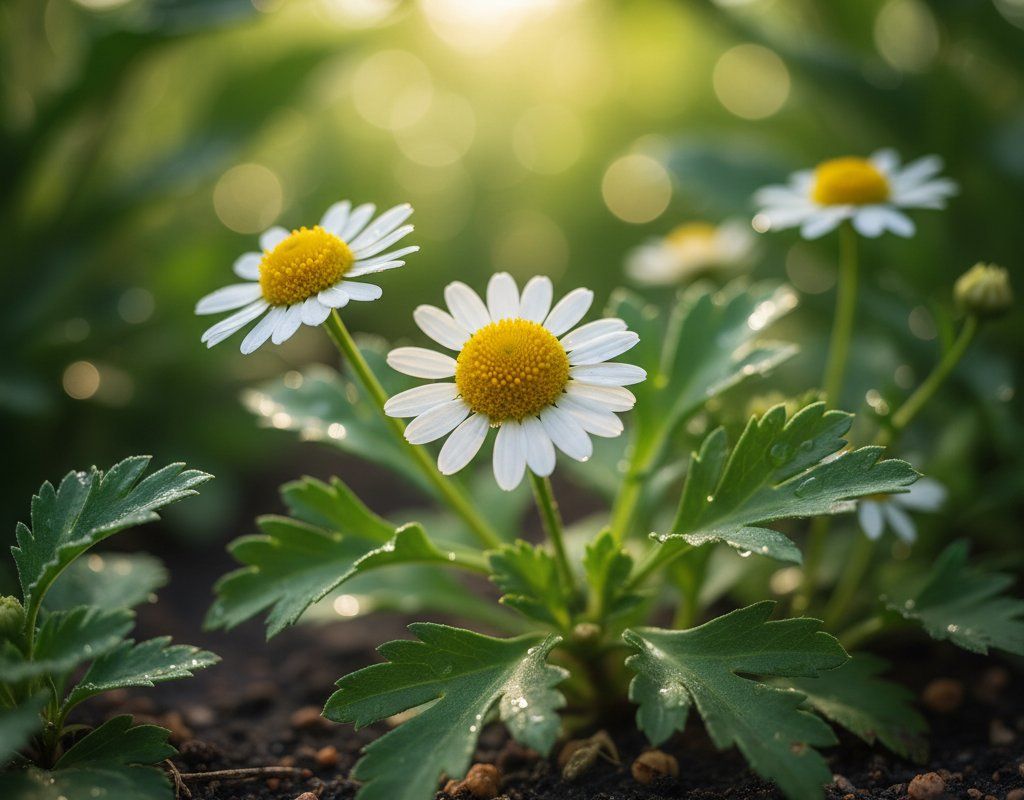
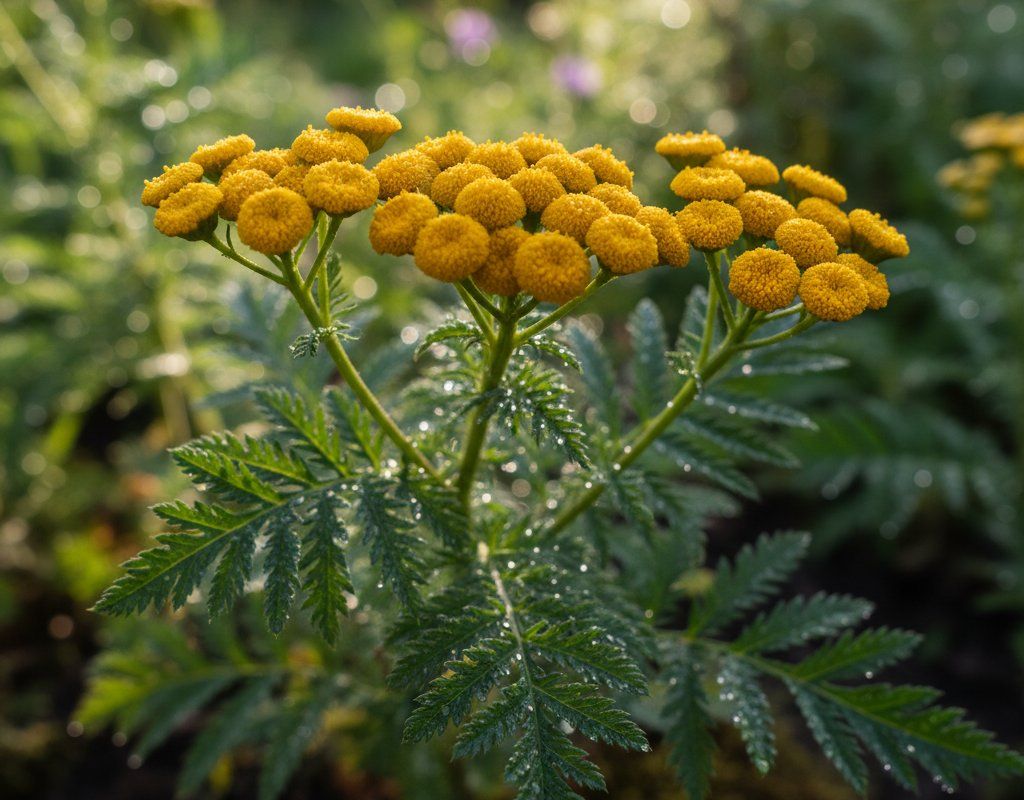
These flowers protect your Cucumber from pests and attract pollinators for better harvests.
For Pest Control






Get a Reminder When It's Time to Plant
We'll email you when key planting windows open for your zone.