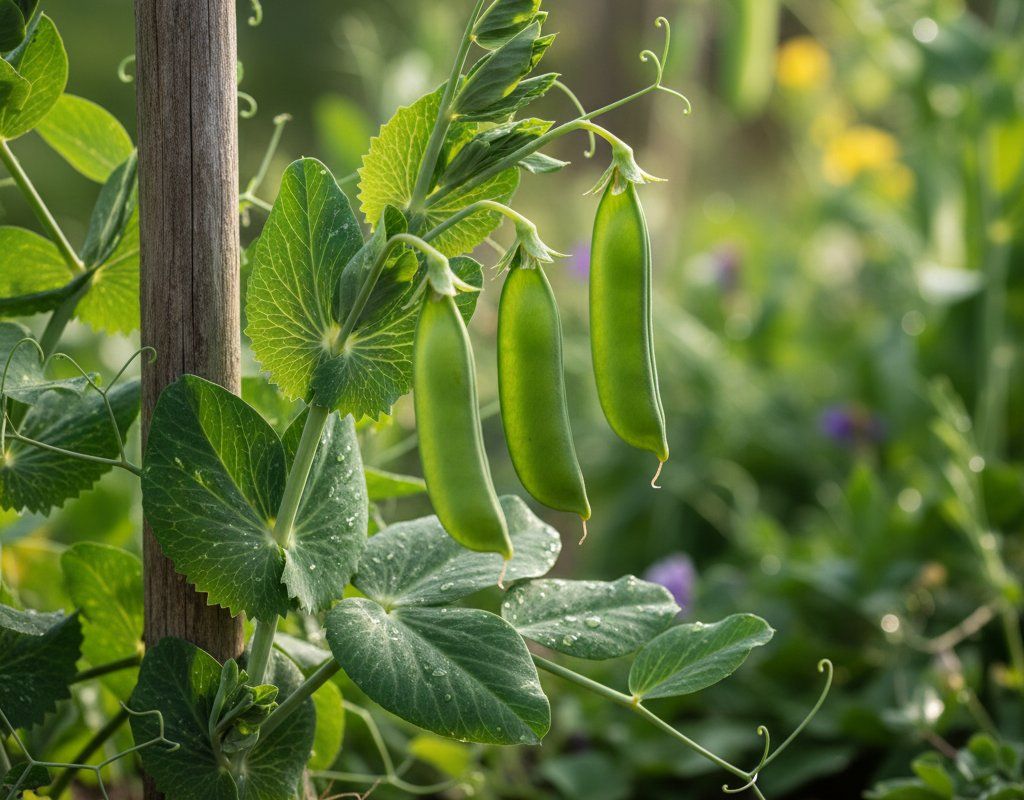
Peas in Zone 8B — Florida
Pisum sativum · Your Complete 2026 Planting Guide
Still Time to Sow!
The sowing window is still open for Peas.
Sow Seeds Soon
Peas prefer cool soil and don't transplant well. Direct sow in early spring.
How to Plant Peas in Zone 8B — Florida
Here are all your options for getting peas in the ground, from the easiest method to more advanced approaches.
Direct Sow Seeds
RecommendedEarly January through early October
around January 4
Consider succession planting every 2-3 weeks for continuous harvest.
Peas prefer cool soil and don't transplant well. Direct sow in early spring.
Buy Starts
Works WellMid January through mid February
around January 18
Plant purchased starts after last frost (February 15).
Start Seeds Indoors
ChallengingThis plant is typically not started indoors.
Transplant Outdoors
Timing InfoMid January through mid February
around January 18
Can tolerate light frost, but wait for soil to be workable.
You have a nice window — no need to rush.
Fall Planting
Late September through late October
October 13 ideal · Direct sow for fall harvest
Plant a second crop in mid-summer for fall harvest. Peas actually prefers the cooling temperatures of fall.
Overview
Peas are one of Florida's best cool-season crops, thriving in our mild winters when other regions are dormant. You'll get sweet, tender pods packed with flavor that store-bought versions can't match, plus the satisfaction of harvesting fresh vegetables while much of the country deals with snow. In Zone 8B, peas fit perfectly into our reversed growing calendar - you can plant them when northern gardeners are planning their spring gardens.
Our subtropical climate does present challenges with its extreme humidity and fungal pressure, but timing is everything with peas. Plant them during our cooler months and you'll avoid most heat-related problems. With a 303-day growing season, you have plenty of opportunities to get multiple plantings established and enjoy fresh peas for months.
Transplanting Outdoors
While peas can be transplanted, it's not the preferred method since they develop a taproot that doesn't like disturbance. If you do start them indoors, transplant during mid-January through mid-February when temperatures are consistently mild.
Harden off seedlings gradually over a week, starting with just a few hours of morning sun and building up to full outdoor exposure. This gradual transition prevents shock from Florida's intense UV rays, even in winter.
Space transplants 2-4 inches apart in rows or blocks, and handle the root ball carefully to minimize disturbance. Water them in well and provide some temporary shade for the first few days if temperatures spike above 75°F.
Direct Sowing
Direct sowing is definitely the way to go with peas in Florida. You have a generous window from early January through early October, though the best results come from fall and winter plantings when temperatures stay consistently cool.
Prepare your soil by working in compost to improve drainage - our sandy soils drain well but need organic matter to hold moisture and nutrients. Peas prefer soil temperatures between 45-65°F, which happens naturally during our winter months. Plant seeds 2-4 inches apart and about an inch deep, covering lightly with soil or compost.
The key to success is timing your plantings with our cooler periods. Early spring plantings (January-February) often perform better than late spring ones since they mature before the heat builds up. Fall plantings from late September through October give you another excellent window for fresh peas during the holidays.
Watering Peas in Zone 8B (Florida)
Peas need consistent moisture but not waterlogged conditions - a delicate balance in Florida's humid climate. During our wet summer season, you'll rarely need to water established plants, but spring and fall plantings require more attention since natural rainfall is lighter then.
Use the finger test to check soil moisture 2 inches deep. The soil should feel like a wrung-out sponge - moist but not soggy. During active growth, peas need about an inch of water per week, including rainfall. This becomes critical during flowering and pod development, as drought stress during these stages leads to poor pod set and bitter-tasting peas.
Water at the base of plants rather than overhead to reduce fungal problems in our high humidity. Early morning watering allows plants to dry before evening, which helps prevent the fungal diseases that thrive in our moist conditions. Watch for yellowing lower leaves (usually overwatering) or wilting despite moist soil (possible root rot).
Apply a light mulch of shredded leaves or grass clippings to maintain soil moisture and keep roots cool. In Florida's intense sun, even winter sun can heat up dark soil quickly, and peas prefer their roots on the cool side.
Supporting Your Peas
Even bush pea varieties benefit from some support in Florida, where sudden afternoon thunderstorms can flatten unsupported plants. Install trellises, stakes, or a simple fence system at planting time - peas are much harder to support once they're established and tangled.
A 4-6 foot trellis works well for climbing varieties, while 2-3 foot supports handle bush types. Bamboo stakes with horizontal strings every 6 inches, cattle panels, or even sturdy branches (pea brush) all work effectively. The key is having something for the tendrils to grab onto.
Train young plants by gently weaving them through or around supports when they're about 4 inches tall. Peas climb naturally using their tendrils, so once you get them started, they'll mostly take care of themselves. Good support also improves air circulation, which helps prevent fungal problems in our humid climate.
🧪Fertilizing Peas
Feeding Schedule
Organic Fertilizer Options
Harvest Time
Your first harvest typically comes 60 days after planting, so early January sowings give you fresh peas by early March, while fall plantings provide holiday harvests. In Florida's mild winters, peas can keep producing for months if you keep picking regularly.
Harvest shell peas when the pods are plump and you can see the round outline of peas inside, but before the pods start turning yellow or getting tough. The pods should snap crisply when bent - if they bend without snapping, wait a few more days. For snow peas and snap peas, pick them when pods are still flat and tender.
Pick daily during peak season, preferably in the morning when pods are crisp and full of moisture. Use both hands - hold the vine with one hand and pick with the other to avoid pulling up the plant. Regular harvesting encourages continued production, while leaving mature pods on the vine signals the plant to stop flowering.
As December approaches and our first frost threatens, harvest all remaining pods regardless of maturity. Green pods can be used in stir-fries, and any mature peas can be dried for storage. The plants usually decline naturally as temperatures warm in late spring, making room for your summer garden.
Common Problems in Zone 8B (Florida)
Powdery Mildew You'll see a white or grayish powdery coating on leaves, stems, and sometimes pods themselves. Leaves often curl, turn yellow, and eventually die back, reducing the plant's vigor and harvest potential. This fungal disease loves Florida's warm days and cool nights, especially during spring and fall.
Improve air circulation by proper spacing and removing lower leaves that touch the ground. A simple milk spray (1 part milk to 9 parts water) applied weekly works surprisingly well, or use neem oil for severe cases. Plant resistant varieties when possible and avoid overhead watering.
Pea Aphids These small, soft-bodied insects cluster on new growth, stems, and undersides of leaves, causing leaves to curl and yellow. Heavy infestations can stunt plant growth and spread viral diseases. Florida's mild winters allow aphid populations to build up quickly on cool-season crops.
Blast them off with a strong spray of water, or use insecticidal soap for persistent problems. Encourage beneficial insects like ladybugs and lacewings by planting diverse flowers nearby. Row covers during early growth can prevent initial infestations.
Root Rot Plants develop yellowing leaves, poor growth, and may suddenly wilt despite adequate moisture. When you dig up affected plants, the roots appear dark, mushy, or missing entirely. Florida's sandy soil usually drains well, but heavy clay areas or overwatering creates perfect conditions for root rot fungi.
Improve drainage by adding compost or planting in raised beds. Avoid overwatering and ensure good air circulation around plants. Rotate crops - don't plant peas in the same spot for at least three years if you've had root rot problems.
Florida Specific Challenges Our extreme humidity creates perfect conditions for fungal diseases, while sudden temperature swings between cool nights and warm days stress plants. Summer heat arrives quickly in late spring, often cutting short the harvest window for spring plantings. This is why fall and winter plantings typically perform better here than trying to push peas into late spring.
Best Companions for Peas
Plant these nearby for healthier Peas and better harvests.

Keep Away From

Companion Planting Details
Plant peas with carrots and radishes - the peas fix nitrogen in the soil that these root crops appreciate, while the carrots and radishes help break up our sometimes compacted sandy soil for better pea root development. Turnips work similarly and mature at different times, maximizing your garden space during Florida's prime cool-season growing window.
Corn makes an excellent companion for climbing peas, providing natural support while benefiting from the nitrogen the peas provide. However, time this combination carefully in Florida - plant the corn first in late winter, then add peas around the stalks in early spring before temperatures get too hot for the peas.
Avoid planting peas near onions, garlic, or other alliums, which can inhibit pea growth and nitrogen fixation. In Florida's intensive growing conditions where we're trying to maximize production during our limited cool seasons, you want every plant performing at its best without competition from incompatible neighbors.
🌸Best Flowers to Plant with Peas
These flowers protect your Peas from pests and attract pollinators for better harvests.
For Pest Control

For Pollinators

Get a Reminder When It's Time to Plant
We'll email you when key planting windows open for your zone.