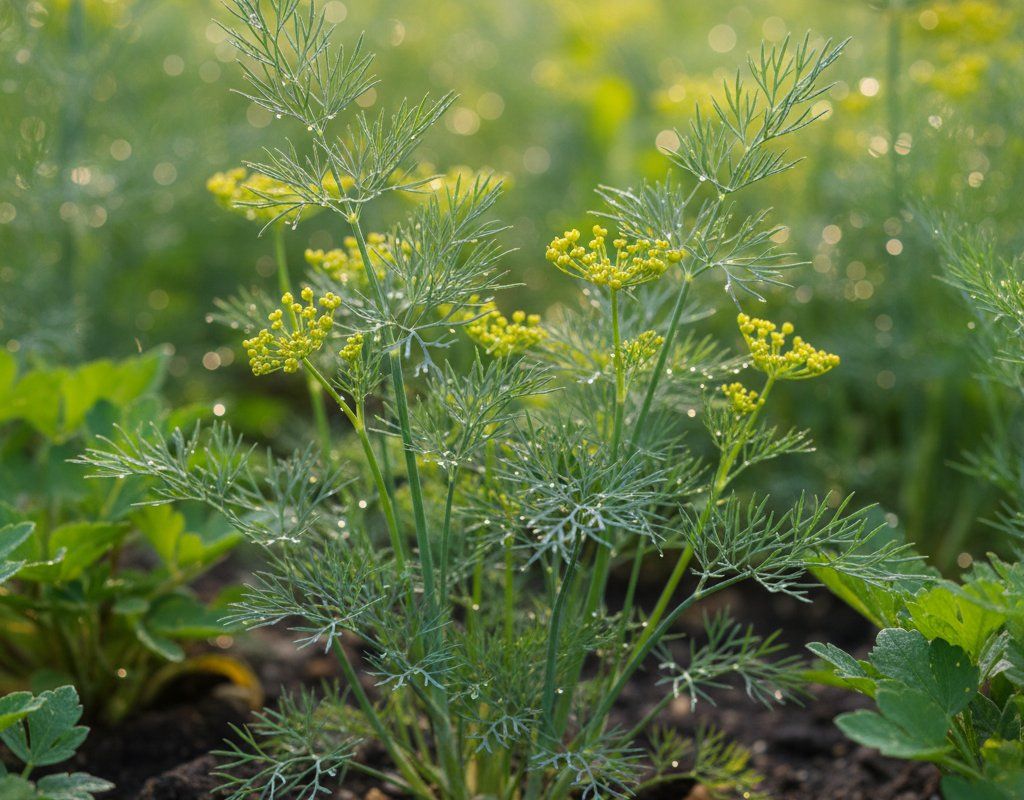
Dill in Zone 6A — Northeast
Anethum graveolens · Your Complete 2026 Planting Guide
Planning Ahead — Great!
You’re ahead of the season. Here’s when to start.
Mark Your Calendar
How to Plant Dill in Zone 6A — Northeast
Here are all your options for getting dill in the ground, from the easiest method to more advanced approaches.
Direct Sow Seeds
RecommendedMid April through late August
around April 20
Consider succession planting every 2-3 weeks for continuous harvest.
Dill has a taproot and prefers direct sowing, but transplants work if handled carefully.
Start Seeds Indoors
RecommendedLate March through mid April
around March 30
Then transplant: Late April through early June
Start seeds 4-6 weeks before transplanting outdoors.
Buy Starts
Works WellLate April through early June
around April 27
Plant purchased starts after last frost (April 20).
Transplant Outdoors
Timing InfoLate April through early June
around April 27
Can tolerate light frost, but wait for soil to be workable.
You have a nice window — no need to rush.
Fall Planting
Mid August through mid September
September 3 ideal · Direct sow for fall harvest
Plant a second crop in mid-summer for fall harvest. Dill actually prefers the cooling temperatures of fall.
Overview
Dill deserves a place in every Northeast garden. This aromatic herb thrives in our cool nights and moderate summers, developing that distinctive tangy flavor that makes grocery store dill taste flat by comparison. Whether you're pickling cucumbers, seasoning potatoes, or adding fresh sprigs to salmon, homegrown dill brings a brightness to dishes that perfectly complements our hearty Northeast cooking traditions.
Our 178-day growing season and tendency toward late spring frosts might seem challenging for herb growing, but dill actually appreciates our climate. This hardy annual handles cool weather better than basil or other heat-lovers, and our moderate summer temperatures prevent it from bolting as quickly as it would in hotter regions. With proper timing, you can enjoy fresh dill from late spring through fall.
Starting Seeds Indoors
Starting dill indoors isn't the most common approach, but it makes sense if you want an early harvest or live in a particularly rocky area where soil prep takes time. Sow seeds in late March through mid-April, about four weeks before your planned transplant date. Use standard seed trays filled with quality potting mix, keeping them warm (65-70°F) and under grow lights once they germinate.
Bottom watering works well for dill seedlings since it prevents damping off and keeps those delicate feathery leaves dry. The main challenge is dill's taproot – it doesn't love being disturbed. If you go this route, use deeper cells or biodegradable pots that can go directly into the ground.
Given our late Northeast spring, indoor starting gives you about a three-week jump on the season. Just remember that dill actually prefers direct sowing, so only start indoors if you have a specific reason for the extra effort.
Transplanting Outdoors
If you've started dill indoors, plan to transplant from late April through early June, once soil temperatures reach 60°F consistently. Our spring weather can be unpredictable, with warm spells followed by surprise cold snaps, so hardening off is crucial. Give your seedlings a full week of gradual outdoor exposure, starting with just a few hours of morning sun.
Space transplants 12 inches apart to allow for their upright growth habit and good air circulation. Handle the root ball gently since dill's taproot doesn't appreciate disturbance. Plant on a calm, overcast day if possible – our spring winds can stress newly transplanted seedlings.
Watch the weather forecast closely during transplant season. Even though dill is frost-hardy, newly transplanted seedlings are more vulnerable than established plants. Keep row cover handy for those unexpected late April cold snaps that seem to catch Northeast gardeners every year.
Direct Sowing
Direct sowing is dill's preferred method, and it works beautifully in our Northeast climate. You can start sowing from mid-April through late August, giving you multiple opportunities for succession planting. Wait until soil temperatures reach at least 60°F – usually by mid-April in most Zone 6A areas, though higher elevations might need another week or two.
Prepare your soil by working in some compost to improve drainage, especially important in our often rocky New England soil. Sow seeds about ¼ inch deep and 12 inches apart, or scatter more densely and thin later. Dill's taproot appreciates loose, well-draining soil, so break up any compacted areas before planting.
The beauty of direct sowing dill is that you avoid transplant shock entirely, and the plants establish stronger root systems. For continuous harvest, sow new seeds every 2-3 weeks through summer. Your last meaningful planting window closes in mid-August if you want a fall harvest before our first frost arrives in mid-October.
Watering Dill in Zone 6A (Northeast)
Dill needs consistent but moderate moisture – about an inch per week including rainfall. Our Northeast climate actually works in your favor here since we typically receive 40-50 inches of rain annually, often distributed fairly evenly throughout the growing season. During typical Northeast summers with moderate heat and humidity, natural rainfall often covers most of dill's needs.
Use the finger test to check soil moisture: stick your finger 2 inches deep into the soil near your plants. If it's dry at that depth, it's time to water. During our occasional hot spells in July and August, you might need to supplement with deep watering 2-3 times per week. Water at the base of plants rather than overhead – our moderate-to-humid conditions can encourage fungal issues if foliage stays wet too long.
Watch for signs of stress: drooping leaves often mean underwatering, while yellowing lower leaves can indicate overwatering or poor drainage. Dill will bolt quickly if stressed by drought, especially during our warmest summer weeks. Mulching with 2-3 inches of straw or shredded leaves helps retain soil moisture and keeps roots cool during heat waves.
Remember that dill grown in containers will need more frequent watering than garden-planted dill. Check pots daily during warm weather, as they dry out much faster than garden soil, especially in our sometimes breezy Northeast summers.
🧪Fertilizing Dill
Feeding Schedule
Organic Fertilizer Options
Harvest Time
Your first dill harvest typically arrives in late May if you direct-sowed in mid-April, or earlier if you started with transplants. Those feathery leaves are ready to cut as soon as plants reach 6-8 inches tall – about 40 days from seed. Cut outer stems first, leaving the center growing point intact for continued production.
For fresh leaf harvest, snip stems in the morning after dew has dried but before the day heats up. This preserves the essential oils that give dill its distinctive flavor. You can keep harvesting leaves throughout our growing season, but be aware that once plants begin flowering, the leaves become less flavorful as the plant's energy shifts to seed production.
If you want dill seed for pickling, let some plants flower and go to seed. The umbrella-shaped flower heads will turn brown and dry, usually in late summer. When seeds rattle in the heads, cut the entire stem and shake seeds into a paper bag. This timing works perfectly with our Northeast pickle season when cucumbers are at their peak.
Continue harvesting fresh dill right up until our first frost in mid-October. The plants are quite cold-tolerant and will keep producing even as nights get chilly. For end-of-season preservation, cut entire plants and hang them to dry, or freeze fresh sprigs in ice cube trays with water for winter use.
Common Problems in Zone 6A (Northeast)
Bolting Bolting shows up as a tall flower stalk shooting up from the center of your dill plant, often with fewer and more bitter-tasting leaves. In the Northeast, this usually happens during our hottest weeks in July and August, or if plants experience drought stress during warm spells. Our moderate summer temperatures actually work in your favor compared to hotter regions.
The key to preventing bolting is succession planting every 2-3 weeks rather than trying to keep one planting going all season. Plant your main crop in late April or early May, then follow up with additional sowings through mid-July. Choose varieties specifically bred for leaf production rather than seed production if you want to maximize your fresh herb harvest.
Aphids These tiny green or black insects cluster on dill stems and the undersides of those delicate leaves, leaving behind sticky honeydew and causing new growth to curl or distort. Our moderate-to-humid Northeast summers can actually slow aphid reproduction compared to drier climates, but they still show up, especially during warm, calm weather in June and July.
Combat aphids with a strong spray from your garden hose – those soft bodies don't handle the pressure well. Encourage beneficial insects like ladybugs and lacewings by planting yarrow or alyssum nearby. For persistent infestations, insecticidal soap works well, but apply it in early morning or evening to avoid leaf burn during sunny weather.
Caterpillars Various caterpillars, particularly parsley worms (black swallowtail butterfly larvae), love dill's feathery foliage. You'll notice chewed leaves and small green, black, or striped caterpillars on your plants. While these can defoliate plants quickly, remember that parsley worms become beautiful black swallowtail butterflies.
Hand-picking works well for small infestations – check plants every few days during peak season (June through August). If you want to preserve the butterflies, consider planting extra dill or dedicating some plants specifically for the caterpillars. For severe infestations threatening your harvest, Bt (Bacillus thuringiensis) provides organic control.
Northeast Specific Challenges Our rocky New England soil can create drainage issues that stress dill plants, making them more susceptible to all these problems. The moderate humidity during our summer months means good air circulation becomes especially important for preventing fungal issues that can weaken plants. Deer also browse dill, though they don't prefer it as much as other herbs – a low fence or row cover might be necessary in areas with heavy deer pressure.
Best Companions for Dill
Plant these nearby for healthier Dill and better harvests.


Keep Away From
Companion Planting Details
Dill makes an excellent companion for cabbage family crops, naturally repelling cabbage worms while its flowers attract beneficial insects that prey on various pests. Plant it near your broccoli, cauliflower, or brussels sprouts for natural pest control. Cucumbers also benefit from nearby dill – the herb's flowers attract pollinators while potentially improving cucumber flavor, and both plants appreciate similar growing conditions in our Northeast climate.
Onions and lettuce work well as dill companions too. The onions help deter many pests with their strong scent, while lettuce appreciates the light shade that mature dill plants can provide during our occasional hot summer days. Avoid planting dill near carrots, as it can actually stunt their growth, and keep it away from tomatoes since dill may inhibit tomato plant development and attract hornworms that could migrate to your tomato plants.
🌸Best Flowers to Plant with Dill
These flowers protect your Dill from pests and attract pollinators for better harvests.
For Pest Control




Get a Reminder When It's Time to Plant
We'll email you when key planting windows open for your zone.