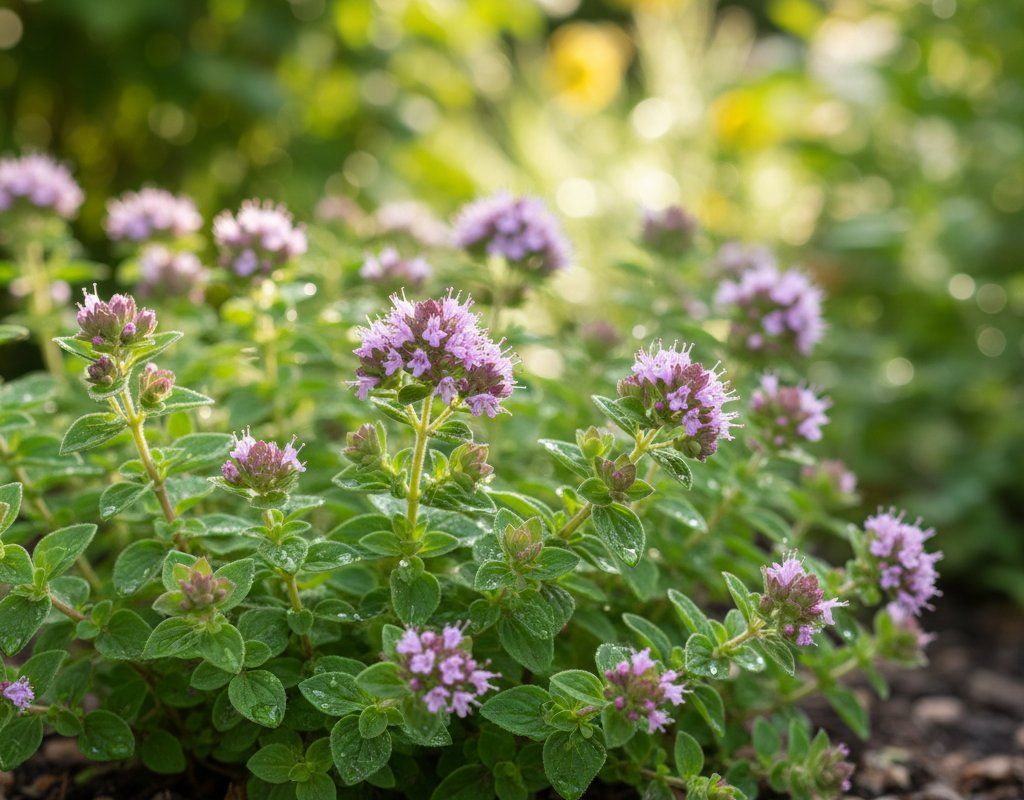
Oregano in Zone 6A — Northeast
Origanum vulgare · Your Complete 2026 Planting Guide
Last Call for Seed Starting!
Indoor seed starting window closes in 5 days.
Start Seeds This Week
Start seeds now for transplanting later.
Or Wait for Starts
If you don’t want to start seeds, starts will be available around April 20.
How to Plant Oregano in Zone 6A — Northeast
Here are all your options for getting oregano in the ground, from the easiest method to more advanced approaches.
Buy Starts
RecommendedMid April through early June
around April 20
Plant purchased starts after last frost (April 20).
Easy from seed but slow. Starts give faster results.
Start Seeds Indoors
Works WellMid February through early March
around February 23
Then transplant: Mid April through early June
Start seeds 8-10 weeks before transplanting outdoors.
Direct Sow Seeds
Works WellMid April through mid August
around April 20
Consider succession planting every 2-3 weeks for continuous harvest.
Transplant Outdoors
Timing InfoMid April through early June
around April 20
Can tolerate light frost, but wait for soil to be workable.
You have a nice window — no need to rush.
Overview
Oregano is a must-have herb for any Northeast garden, delivering that unmistakable Mediterranean flavor that transforms everything from pizza sauce to roasted vegetables. Unlike finicky basil that sulks in our cool nights, oregano actually improves in flavor with our moderate summers and rocky New England soil—the stress brings out more essential oils. Plus, once established, it's nearly bulletproof and spreads reliably year after year.
Our 178-day growing season might feel short compared to warmer regions, but oregano makes excellent use of every day from late spring through mid-October. The key is getting transplants in the ground once our unpredictable spring settles down, then enjoying months of fresh herbs with minimal fuss.
Starting Seeds Indoors
Starting oregano from seed indoors makes sense if you want specific varieties or lots of plants for a large garden. Sow seeds from mid-February through early March, about 8 weeks before you plan to transplant outdoors. The seeds are tiny, so barely cover them with seed starting mix.
Keep your seed trays warm (65-70°F) and use bottom watering to avoid washing the fine seeds around. Oregano germination can be slow and patchy, taking 10-21 days. Given our late spring start in the Northeast, indoor sowing gives you mature plants ready to hit the ground running once the soil warms up.
Honestly, most Northeast gardeners find it easier to buy transplants unless you're growing unusual varieties. The time from seed to harvestable plant is long enough that purchased starts often make more sense for our shorter season.
Transplanting Outdoors
Transplant your oregano seedlings outdoors from mid-April through early June, once nighttime temperatures stay consistently above 45°F. Even though oregano is technically hardy, young transplants benefit from settled spring weather rather than our typical temperature swings.
Harden off transplants gradually over a week—start with 2-3 hours outside in partial shade, then increase daily until they're out all day and night. Space plants 12-18 inches apart since oregano spreads as it matures. Our rocky soil actually works in oregano's favor, providing the drainage it craves.
Watch for late spring frosts that can nip tender new growth. If a cold snap threatens after planting, throw a lightweight row cover over your transplants for the night.
Direct Sowing
Direct sowing oregano works well from mid-April through mid-August, giving you flexibility for succession planting or filling gaps in the herb garden. Wait until soil temperatures reach at least 60°F—our Northeast soils warm up slowly, so don't rush this timing.
Prepare a sunny spot with loose, well-draining soil. Scatter the tiny seeds thinly and barely cover with soil—they need light to germinate. Keep the seeded area consistently moist until germination, which takes 10-21 days. Then thin seedlings to 12-18 inches apart.
Direct-sown plants take longer to reach harvestable size compared to transplants, but they often develop stronger root systems in our rocky conditions. Mid-summer sowings work particularly well since oregano doesn't mind our August heat.
Watering Oregano in Zone 6A (Northeast)
Oregano thrives with minimal water once established, making it perfect for our sometimes unpredictable Northeast weather patterns. During the first month after planting, water regularly to help roots establish—about 1 inch per week including rainfall. After that, oregano becomes remarkably drought-tolerant.
Our moderate-to-humid summers and 40-50 inches of annual rainfall usually provide plenty of moisture. Check soil with the finger test: if it's dry 2 inches down, it's time to water. In typical Northeast summers, you'll rarely need supplemental watering except during dry spells lasting more than 10 days.
When you do water, soak deeply at the base rather than overhead sprinkling. Our moderate humidity can encourage fungal issues if leaves stay wet, especially during muggy July and August nights. Water early morning so plants dry before evening.
Overwatering actually weakens oregano's flavor by diluting essential oils. The slight stress of drier conditions concentrates those oils, giving you more flavorful herbs. A thin layer of mulch helps retain moisture while keeping soil from drying out completely during hot spells.
Pruning & Maintaining Oregano
Oregano needs minimal pruning but benefits from a midsummer haircut to keep plants productive. Once plants reach 6 inches tall, pinch off flower buds regularly to keep energy focused on leaf production—though letting a few flowers bloom attracts beneficial insects to your garden.
Around mid-July, cut the entire plant back by about one-third. This prevents woodiness and encourages fresh, tender growth for fall harvest. Use clean scissors and cut just above a leaf pair to promote bushier growth.
As our first frost approaches in mid-October, cut plants back to about 2 inches above ground level. This winter prep helps prevent snow damage and makes spring cleanup easier. The roots will survive our Zone 6A winters and regrow vigorously next spring.
🧪Fertilizing Oregano
Feeding Schedule
Organic Fertilizer Options
Harvest Time
You can start harvesting oregano sprigs once plants reach 4 inches tall, typically by early June from spring transplants. The best flavor comes just before the plant flowers, when essential oils are most concentrated—usually mid-morning after dew dries but before afternoon heat.
Cut stems just above a leaf pair using clean scissors, taking no more than one-third of the plant at once. This encourages bushier growth and keeps production going strong. Young leaves at stem tips have the most intense flavor, perfect for fresh use.
Oregano continues producing through our entire growing season until the first hard frost in mid-October. For peak flavor, harvest regularly rather than letting plants get woody. The cool nights typical of Northeast summers actually enhance the essential oil content, giving you better-tasting oregano than warm-climate gardens.
For winter storage, harvest heavily before the first frost. Fresh oregano dries beautifully—simply hang cut stems in bundles in a dry, airy spot. Properly dried Northeast-grown oregano often has more flavor than anything you'll buy in stores.
Common Problems in Zone 6A (Northeast)
Root Rot Yellowing leaves that start from the bottom, soft brown roots, and plants that suddenly wilt despite moist soil signal root rot. Our heavy spring rains and clay-rich soils can create the perfect storm for this fungal problem, especially in poorly draining spots.
Prevent root rot by improving soil drainage before planting—add coarse sand or perlite to heavy clay. Avoid overwatering, particularly during our wet spring months. If caught early, stop watering and improve drainage around affected plants. Severely infected plants should be removed and replaced.
Aphids Look for clusters of tiny, soft-bodied insects (green, black, or white) on stems and leaf undersides, plus sticky honeydew residue and curled new growth. These sap-sucking pests multiply rapidly during warm weather and can suddenly appear in large numbers on stressed plants.
Blast them off with a strong water spray from your hose—this simple treatment often solves minor infestations. Encourage natural predators like ladybugs and lacewings by planting flowers nearby. For persistent problems, insecticidal soap works well without harming beneficial insects.
Spider Mites Fine white stippling on leaves, tiny webbing between stems, and bronze or yellowing foliage indicate spider mites. These microscopic pests thrive in hot, dry conditions and can explode in numbers during our occasional summer dry spells.
Increase humidity around plants with daily water sprays—spider mites hate moisture. A strong hose spray knocks them off effectively. Our naturally moderate-to-humid Northeast summers usually keep populations low, but watch for problems during extended dry periods in July and August.
Northeast Specific Challenges: Our moderate summers and even rainfall actually reduce most pest pressure on oregano compared to hotter, drier regions. However, the combination of spring clay soil and heavy rains makes drainage issues the biggest concern for Northeast oregano growers.
Best Companions for Oregano
Plant these nearby for healthier Oregano and better harvests.

Keep Away From
Companion Planting Details
Oregano makes an excellent companion for heat-loving vegetables like peppers, tomatoes, and squash. Its strong scent helps deter aphids and other soft-bodied pests from these vulnerable crops, while its spreading habit provides living mulch that conserves soil moisture during hot spells. Plant oregano near bean rows—the herb's pest-repelling properties protect beans while the nitrogen-fixing beans feed the soil.
Avoid planting oregano too close to moisture-loving herbs like parsley or chives, since their different watering needs can create management headaches in our variable Northeast weather. Otherwise, oregano plays well with most garden plants and actually improves when grown in slightly challenging conditions alongside other Mediterranean herbs like thyme and rosemary.
🌸Best Flowers to Plant with Oregano
These flowers protect your Oregano from pests and attract pollinators for better harvests.
For Pest Control



Get a Reminder When It's Time to Plant
We'll email you when key planting windows open for your zone.