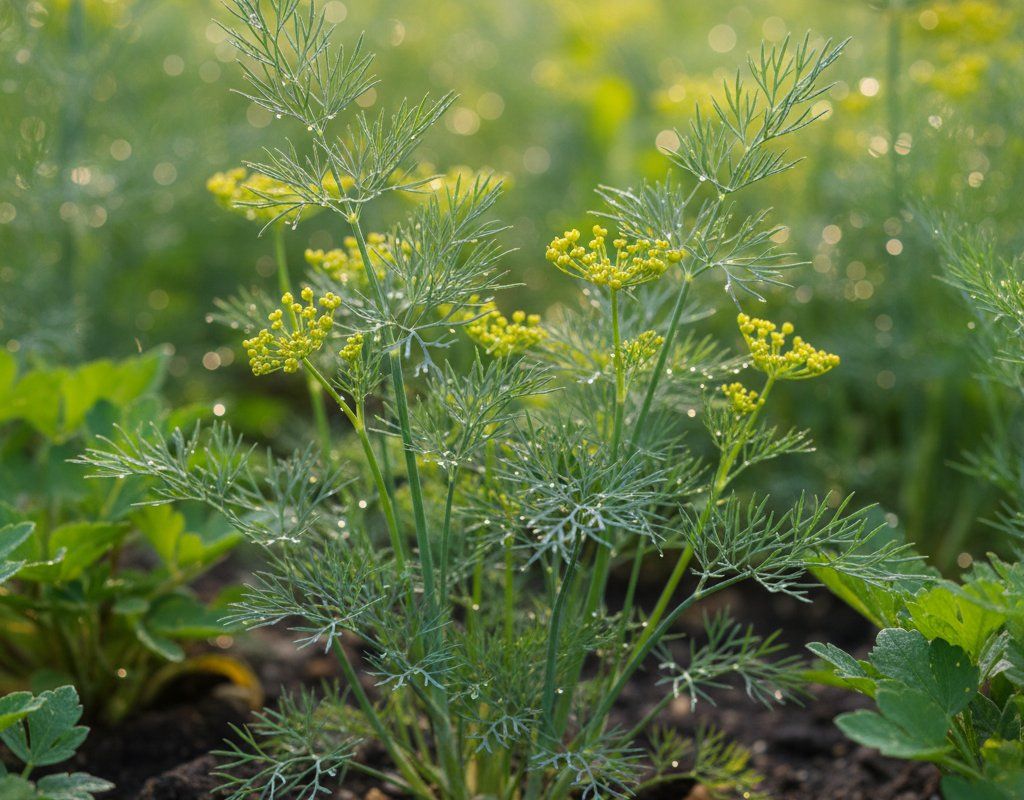
Dill in Zone 7A — Desert Southwest
Anethum graveolens · Your Complete 2026 Planting Guide
Last Call for Seed Starting!
Indoor seed starting window closes in 14 days.
Start Seeds This Week
Start seeds now for transplanting later.
Or Wait for Starts
If you don’t want to start seeds, starts will be available around April 1.
How to Plant Dill in Zone 7A — Desert Southwest
Here are all your options for getting dill in the ground, from the easiest method to more advanced approaches.
Direct Sow Seeds
RecommendedLate March through mid September
around March 25
Consider succession planting every 2-3 weeks for continuous harvest.
Dill has a taproot and prefers direct sowing, but transplants work if handled carefully.
Start Seeds Indoors
RecommendedLate February through mid March
around March 4
Then transplant: Early April through mid May
Start seeds 4-6 weeks before transplanting outdoors.
Buy Starts
Works WellEarly April through mid May
around April 1
Plant purchased starts after last frost (March 25).
Transplant Outdoors
Timing InfoEarly April through mid May
around April 1
Can tolerate light frost, but wait for soil to be workable.
You have a nice window — no need to rush.
Fall Planting
Mid September through mid October
September 29 ideal · Direct sow for fall harvest
Plant a second crop in mid-summer for fall harvest. Dill actually prefers the cooling temperatures of fall.
Overview
Dill brings exceptional value to Desert Southwest gardens, offering feathery foliage perfect for pickles, fish dishes, and fresh salads, plus aromatic seeds for spice blends. In our arid climate, dill's naturally drought-resistant nature makes it more reliable than many herbs, and its quick 40-day maturity means you can succession plant for continuous harvests through our extended growing seasons.
While our extreme heat and intense sun present challenges, dill's cool-weather preference actually works in our favor with proper timing. Our 230-day growing season gives you multiple planting windows - early spring before the brutal summer heat arrives, and again in fall when temperatures moderate for a productive winter crop.
Starting Seeds Indoors
Starting dill indoors isn't the preferred method since dill develops a taproot that resents transplanting, but it can work when you want more control over timing. Start seeds from late February through mid-March, about 4 weeks before your planned transplant date in early to mid-April.
Use biodegradable peat pots or deep cell trays to minimize root disturbance, and keep soil consistently moist through bottom watering. Our very early spring weather means you'll need grow lights or a sunny south window, as natural light is still limited. Seeds germinate quickly in warm conditions - around 70°F soil temperature works well.
Since our spring arrives early and weather can be unpredictable, indoor starting gives you insurance against late cold snaps that occasionally hit in March. However, most Desert Southwest gardeners find direct sowing more successful with dill.
Transplanting Outdoors
Transplant your indoor-started dill seedlings from early April through mid-May, after the last frost risk passes in late March. Handle seedlings carefully since dill's taproot doesn't like disturbance - if using cell trays, transplant when seedlings are still small to minimize shock.
Harden off seedlings gradually over a week, starting with just an hour of morning sun and building up to full exposure. Our intense desert sun can quickly scorch tender indoor-grown plants, so start them in partial shade and gradually increase light exposure.
Space plants 12 inches apart in well-draining soil, and water them in well after transplanting. Early spring in the Desert Southwest can bring sudden temperature swings, so keep row cover handy for unexpected late cold snaps that sometimes surprise us in early to mid-April.
Direct Sowing
Direct sowing works best for dill since it avoids transplant shock to the taproot. Sow seeds from late March through mid-September, though timing depends heavily on the season - spring and fall sowings perform much better than summer attempts in our extreme heat.
Prepare beds with loose, well-draining soil, as our caliche layer can cause drainage problems if not addressed. Sow seeds ¼ inch deep and 12 inches apart, keeping soil consistently moist until germination in 7-10 days. Soil temperature should be at least 60°F for reliable germination.
For continuous harvests, succession plant every 2-3 weeks during favorable seasons. Avoid summer direct sowing unless you can provide substantial shade cloth - our 105°F temperatures cause immediate bolting. Fall planting from mid-September through mid-October gives excellent results as temperatures moderate.
Watering Dill in Zone 7A (Desert Southwest)
Dill needs moderate, consistent moisture but absolutely cannot tolerate waterlogged conditions in our heavy clay desert soils. Water deeply when the top 2 inches of soil feel dry to your finger - this typically means watering 2-3 times weekly during spring and fall growing seasons.
Apply about 1 inch of water per week through drip irrigation or soaker hoses rather than overhead sprinklers. Our arid climate means water evaporates quickly from leaf surfaces, and wet foliage in our intense sun can lead to scorching. Focus water at the base of plants to keep roots consistently moist.
During our extreme summer heat, any dill plants still growing need daily attention since they'll bolt immediately under drought stress. However, it's better to time plantings for spring and fall rather than fight the summer heat. Watch for drooping leaves as the first sign of water stress.
A 2-3 inch layer of organic mulch helps retain moisture in our arid conditions, but keep mulch a few inches away from plant stems. Overwatering shows up as yellowing lower leaves or stunted growth - back off immediately if you see these signs, as root rot develops quickly in our alkaline soils.
🧪Fertilizing Dill
Feeding Schedule
Organic Fertilizer Options
Harvest Time
Your first dill harvest begins around early May if you planted in early spring, with leaves ready to cut in about 40 days from seeding. Harvest feathery leaves anytime once plants reach 4-6 inches tall by cutting outer stems first, leaving the center growing point intact for continued production.
Cut stems early in the morning when oils are most concentrated, taking what you need and allowing the plant to keep growing. For fresh use, harvest just before cooking since dill loses flavor quickly after cutting. The tender leaves near growing tips have the best flavor - older, lower leaves tend to be tougher.
For dill seed harvest, allow flower heads to develop and turn brown in late summer or fall. When seeds rattle in the dried umbels, cut entire flower heads and shake seeds into a paper bag. This works well with fall plantings that mature during our mild winter weather.
Succession plantings every 2-3 weeks during favorable seasons (spring and fall) ensure continuous harvests through mid-November. As temperatures drop toward our first frost in early November, harvest remaining plants entirely and preserve by freezing or drying.
Common Problems in Zone 7A (Desert Southwest)
Bolting appears as a tall flower stalk shooting up from the center of your dill plant, with leaves becoming bitter and sparse. You'll notice the plant suddenly shifts energy from producing tender foliage to developing seeds, essentially ending your leaf harvest.
Our extreme summer heat triggers immediate bolting in dill, which is why summer planting rarely succeeds in the Desert Southwest. Plant during cooler months (spring and fall), provide afternoon shade cloth during warm spells, and maintain consistent soil moisture. Choose slower-bolting varieties like 'Fernleaf' for slightly better heat tolerance.
Aphids show up as clusters of tiny green, black, or white insects on new growth and stem tips, often with sticky honeydew residue coating leaves. You'll see curled or distorted foliage and stunted growth as these sap-suckers multiply rapidly in our warm weather.
Our arid climate actually helps with aphid control since beneficial insects like ladybugs thrive here. Blast aphids off with a strong water spray early morning, and encourage natural predators by avoiding broad-spectrum insecticides. For severe infestations, insecticidal soap works well in our low humidity conditions.
Caterpillars, particularly parsley worms and cutworms, chew holes in dill foliage or cut stems at soil level. You'll find green caterpillars on plants or notice stems severed near the base, especially in spring and fall when these pests are most active.
Hand-pick larger caterpillars in early morning when they're less active, and use cardboard collars around young plants to prevent cutworm damage. Bt (Bacillus thuringiensis) spray works effectively against young caterpillars and breaks down quickly in our intense sun.
Desert Southwest Specific Challenges: Our extreme heat causes rapid bolting, while intense UV can scorch tender growth even with adequate water. The combination of alkaline soil and low humidity stress means dill performs best as a cool-season crop here, planted in spring and fall rather than fighting summer conditions.
Best Companions for Dill
Plant these nearby for healthier Dill and better harvests.


Keep Away From
Companion Planting Details
Dill makes an excellent companion for cool-season crops that share similar growing windows in the Desert Southwest. Plant it near cabbage, lettuce, and other brassicas where its flowers attract beneficial insects that control aphids and cabbage worms - particularly valuable during our spring and fall growing seasons when pest pressure peaks.
Cucumbers benefit from dill's pest-repelling properties, and onions planted nearby help deter aphids from both crops. However, avoid planting dill near carrots, as it can stunt their growth, and keep it away from tomatoes since dill may inhibit tomato development. In our intense desert conditions, focus companions that provide mutual shade and wind protection during temperature extremes.
🌸Best Flowers to Plant with Dill
These flowers protect your Dill from pests and attract pollinators for better harvests.
For Pest Control




Get a Reminder When It's Time to Plant
We'll email you when key planting windows open for your zone.