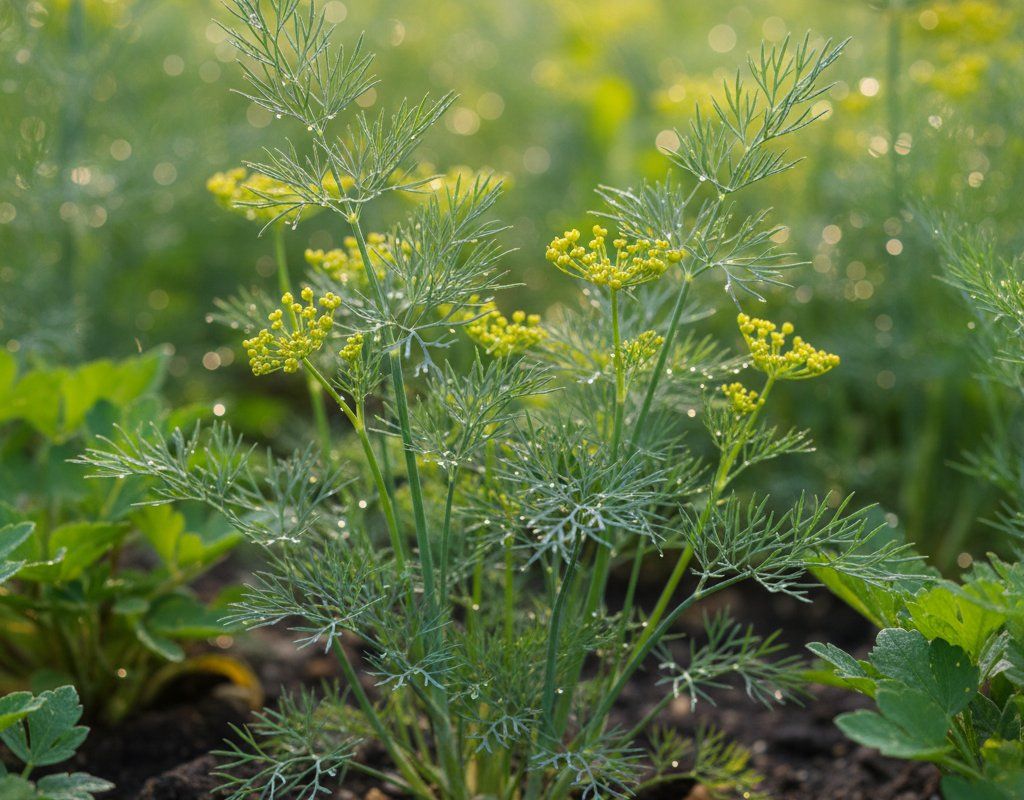
Dill in Zone 7A — Mountain West
Anethum graveolens · Your Complete 2026 Planting Guide
Planning Ahead — Great!
You’re ahead of the season. Here’s when to start.
Mark Your Calendar
How to Plant Dill in Zone 7A — Mountain West
Here are all your options for getting dill in the ground, from the easiest method to more advanced approaches.
Direct Sow Seeds
RecommendedMid April through mid August
around April 20
Consider succession planting every 2-3 weeks for continuous harvest.
Dill has a taproot and prefers direct sowing, but transplants work if handled carefully.
Start Seeds Indoors
RecommendedLate March through mid April
around March 30
Then transplant: Late April through early June
Start seeds 4-6 weeks before transplanting outdoors.
Buy Starts
Works WellLate April through early June
around April 27
Plant purchased starts after last frost (April 20).
Transplant Outdoors
Timing InfoLate April through early June
around April 27
Can tolerate light frost, but wait for soil to be workable.
You have a nice window — no need to rush.
Fall Planting
Mid August through mid September
August 29 ideal · Direct sow for fall harvest
Plant a second crop in mid-summer for fall harvest. Dill actually prefers the cooling temperatures of fall.
Overview
Dill thrives in our Mountain West climate, offering both tender feathery leaves and aromatic seeds that taste worlds better than anything from the store. Our intense sunlight and cool nights create the perfect conditions for concentrated flavor development, while the low disease pressure in our dry climate means you'll rarely deal with the fungal issues that plague dill in humid regions. The herb's hardy nature makes it ideal for our short but productive growing season.
Our 173-day growing season and late spring start might seem limiting, but dill's fast 40-day maturity and heat-sensitive nature actually work in our favor. While other regions struggle with dill bolting in summer heat, our moderate-at-altitude temperatures and cool nights let you grow successive crops from late spring through early fall. The key is working with our climate patterns rather than against them.
Starting Seeds Indoors
Starting dill indoors makes sense when you want an early harvest or need to time plantings around our unpredictable late spring weather. Start seeds from late March through mid-April, about 4 weeks before your planned transplant date. Our late spring character means this indoor head start can give you weeks of extra growing time.
Set up seed trays in a warm spot (65-70°F) with good light once seedlings emerge. Bottom watering works best for dill seedlings since they're prone to damping off in overly moist conditions. The low humidity in our homes actually helps prevent this common problem that indoor gardeners face in more humid climates.
Keep in mind that dill has a taproot and prefers direct sowing, so handle transplants gently. If you're growing primarily for leaves rather than seeds, indoor starting works fine and gives you more control over timing in our short season.
Transplanting Outdoors
Move your indoor-started dill seedlings outdoors from late April through early June, once nighttime temperatures consistently stay above freezing. Our spring temperature swings can catch transplants off guard, so wait until you're past the risk of those surprise cold snaps that can hit even into mid-May.
Harden off seedlings gradually over a week by setting them outside for increasing periods daily. Start with just morning sun exposure and work up to full days. Our intense UV can shock tender indoor-grown plants, so this acclimation period is especially critical at our altitude.
Space plants 12 inches apart in well-draining soil. Choose a spot with morning sun and some afternoon protection if possible – while dill needs full sun, our intense midday radiation can stress newly transplanted seedlings until they establish strong root systems.
Direct Sowing
Direct sowing works beautifully for dill in our climate and is actually the preferred method since dill's taproot doesn't love being disturbed. Sow seeds from mid-April through mid-August, taking advantage of our extended growing window. Early sowings give you tender leaves before summer heat, while later sowings provide fresh dill for fall harvest.
Prepare your soil by working in compost to improve drainage – our alkaline soils can be heavy, and dill needs good drainage to prevent root rot. Plant seeds ¼ inch deep and 12 inches apart once soil temperature reaches 60°F. In our climate, this usually happens by mid-April in protected spots.
The main advantage of direct sowing here is that you avoid transplant shock, and the plants develop stronger root systems to handle our dry conditions. For continuous harvest, sow new seeds every 3-4 weeks through mid-August. This succession planting strategy works perfectly with dill's tendency to bolt, ensuring you always have tender leaves available.
Watering Dill in Zone 7A (Mountain West)
Dill needs consistent moderate moisture but can't tolerate waterlogged soil – a balance that works well with our dry climate if you stay attentive. In our low-humidity environment, soil dries quickly, so check moisture levels every few days using the finger test: soil should feel moist 2 inches down but not soggy.
Provide about 1 inch of water weekly, including any rainfall (which averages just 10-20 inches annually here). Water at the base of plants rather than overhead – our low humidity means leaves dry quickly, but targeted watering conserves moisture and prevents waste. Early morning watering works best, giving plants time to absorb moisture before our intense midday sun.
Watch for signs of stress in our climate: wilting in afternoon heat despite moist soil usually means the plant is struggling with our intense UV rather than thirst. Conversely, yellowing lower leaves often signals overwatering in our well-draining soils. Dill that's too dry will bolt quickly, while overwatered dill develops weak stems and poor flavor.
A thin layer of organic mulch helps retain moisture without creating the humid conditions that cause problems in other climates. In our dry air, mulch simply conserves water and moderates soil temperature swings without trapping excess moisture against plant stems.
🧪Fertilizing Dill
Feeding Schedule
Organic Fertilizer Options
Harvest Time
Your first dill harvest typically arrives from late May through mid-October, depending on when you planted and which succession crops you're picking from. At our altitude with intense sunlight, dill reaches maturity quickly – often closer to 35 days rather than the standard 40, so start checking plants early.
Harvest feathery leaves anytime once plants reach 4-6 inches tall by cutting stems near the base, leaving about 2 inches of growth for regeneration. Fresh leaves taste best before the plant flowers, becoming more bitter once flower heads form. For seed harvest, wait until flower heads turn brown and dry, then shake seeds directly into a paper bag on a calm day.
Cut stems regularly to encourage bushier growth and delay flowering. In our climate, plants may try to bolt during warm spells, but consistent harvesting and adequate water help keep them in leaf production mode longer. The cool nights that characterize our summers actually help maintain leaf quality longer than in hotter regions.
As first frost approaches in early October, harvest entire plants and hang them in bunches to dry in a well-ventilated area. Our low humidity creates perfect conditions for drying herbs, and properly dried dill maintains excellent flavor through winter.
Common Problems in Zone 7A (Mountain West)
Bolting appears as tall flower stalks shooting up from the center of the plant, often triggered by heat stress, long days, or inconsistent watering. You'll notice the feathery leaves becoming coarser and more bitter as the plant shifts energy to seed production. In our Mountain climate, bolting often happens during warm spells combined with our intense UV exposure, especially if soil dries out between waterings. Prevent bolting by maintaining consistent soil moisture, providing some afternoon shade during the hottest part of summer, and succession planting every 3-4 weeks for continuous tender leaves.
Aphids show up as clusters of tiny green, black, or white insects on stems and leaf undersides, leaving behind sticky honeydew and causing new growth to curl or distort. Our low humidity actually helps control aphid populations compared to more humid climates, but they can still build up during warm weather, especially if you're over-fertilizing. Knock them off with strong water sprays, encourage beneficial insects like ladybugs, or use insecticidal soap for heavy infestations. The dry air here means spray treatments dry quickly and don't create lingering moisture problems.
Caterpillars, particularly parsley worms and other herb-loving species, appear as green or striped larvae chewing holes in leaves and can quickly defoliate plants. These pests thrive in our intense sunlight and may be more noticeable against dill's delicate foliage. Hand-pick larger caterpillars in the morning when they're less active, or use Bt (bacillus thuringiensis) spray for heavy infestations. Row covers work well early in the season but remove them once plants need full sun exposure.
Mountain West Specific Challenges: Our intense UV and low humidity can stress dill plants, making them more susceptible to bolting and pest pressure. However, the same dry conditions that challenge the plants also reduce fungal diseases and limit many pest populations, making dill generally easier to grow here than in humid climates.
Best Companions for Dill
Plant these nearby for healthier Dill and better harvests.


Keep Away From
Companion Planting Details
Dill makes an excellent companion for cabbage family crops (broccoli, kale, cabbage) because it attracts beneficial insects that prey on cabbage worms and aphids – particularly important in our low-pest-diversity climate where encouraging beneficials is crucial. Cucumbers benefit from dill's ability to repel cucumber beetles, while lettuce and other cool-season greens appreciate the light shade that mature dill plants provide during our intense midday sun. Onions work well nearby since their strong scent can mask dill's attractive aroma from pest insects.
Avoid planting dill near carrots since they're in the same family and compete for similar nutrients, plus dill can cross-pollinate with carrots if both are allowed to flower. Keep dill away from tomatoes as well – dill can inhibit tomato growth, and tomatoes' heat-loving nature means they'll be competing for water during our dry summers when both plants are most stressed. In our climate where water conservation matters, grouping plants with similar needs makes irrigation more efficient.
🌸Best Flowers to Plant with Dill
These flowers protect your Dill from pests and attract pollinators for better harvests.
For Pest Control




Get a Reminder When It's Time to Plant
We'll email you when key planting windows open for your zone.