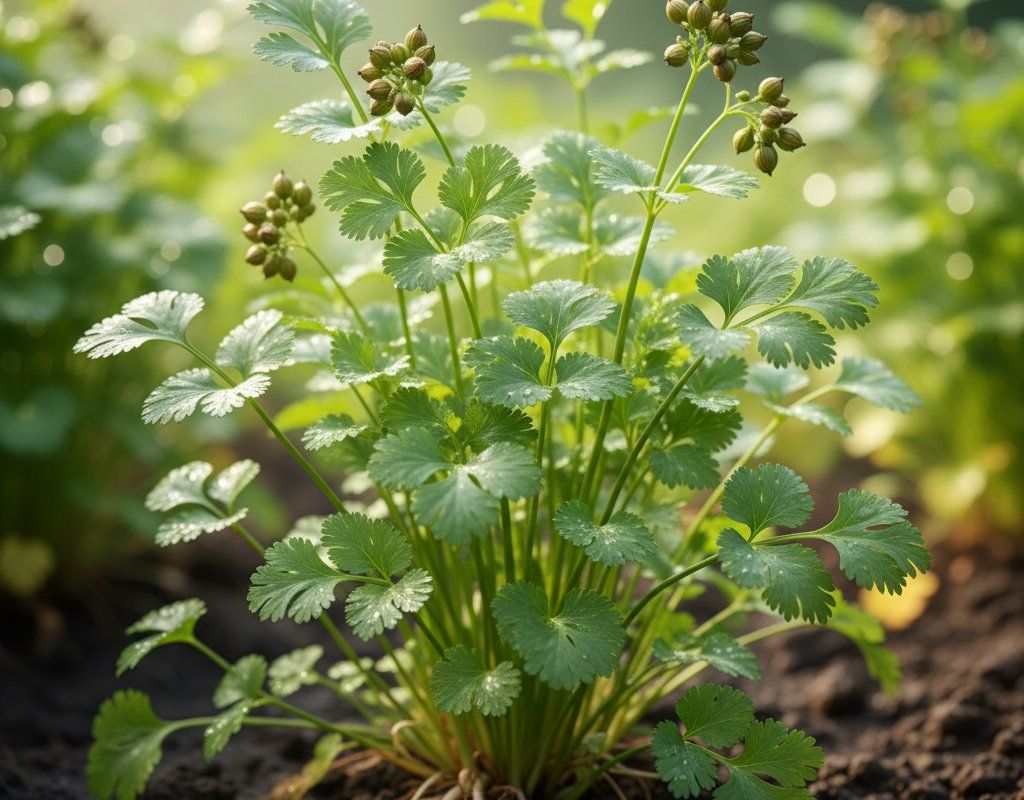
Cilantro in Zone 7A — Mountain West
Coriandrum sativum · Your Complete 2026 Planting Guide
Planning Ahead — Great!
You’re ahead of the season. Here’s when to start.
Mark Your Calendar
How to Plant Cilantro in Zone 7A — Mountain West
Here are all your options for getting cilantro in the ground, from the easiest method to more advanced approaches.
Direct Sow Seeds
RecommendedEarly April through mid August
around April 6
Consider succession planting every 2-3 weeks for continuous harvest.
Cilantro bolts quickly in heat. Direct sow in cool weather for best results.
Start Seeds Indoors
RecommendedMid March through early April
around March 23
Then transplant: Mid April through early June
Start seeds 4-6 weeks before transplanting outdoors.
Buy Starts
Works WellMid April through early June
around April 20
Plant purchased starts after last frost (April 20).
Transplant Outdoors
Timing InfoMid April through early June
around April 20
Can tolerate light frost, but wait for soil to be workable.
You have a nice window — no need to rush.
Fall Planting
Mid August through mid September
August 29 ideal · Direct sow for fall harvest
Plant a second crop in mid-summer for fall harvest. Cilantro actually prefers the cooling temperatures of fall.
Overview
Cilantro thrives in our Mountain West climate, where cool nights and intense sunlight create perfect conditions for this flavorful herb. You'll get more aromatic, less bitter leaves here than gardeners in warmer regions, and our moderate summer temperatures help prevent the quick bolting that plagues cilantro growers elsewhere. Fresh cilantro transforms everything from salsas to curries, and there's nothing quite like harvesting your own fragrant leaves just steps from your kitchen.
Our 173-day growing season gives you plenty of opportunities to succession plant cilantro every few weeks for continuous harvest. While our late spring start and potential for sudden temperature swings can seem challenging, cilantro actually appreciates our cool nights and isn't fazed by light frost. Time your plantings right, and you'll have fresh cilantro from late spring through your first hard freeze in early October.
Starting Seeds Indoors
Starting cilantro indoors makes sense if you want to get ahead of our late Mountain spring or ensure a steady supply before direct-sown plants mature. Sow seeds in mid-March through early April, about 4 weeks before you plan to transplant outdoors. This timing gives you transplant-ready seedlings when soil conditions improve in mid-to-late April.
Use standard seed-starting trays with good drainage and keep soil consistently moist through bottom watering—cilantro seeds need steady moisture to germinate well. A warm spot (65-70°F) speeds germination, and once seedlings emerge, they'll appreciate bright light from a south-facing window or grow lights. The main advantage here is getting a head start on our short season, but cilantro transplants can be temperamental and may bolt sooner than direct-sown plants.
Our late springs make indoor starting less critical than in truly cold climates, but it's useful for early harvests or if you want cilantro ready right after your last frost risk passes in mid-April.
Transplanting Outdoors
Transplant your indoor-started cilantro seedlings from mid-April through early June, once soil temperatures consistently reach 45°F and your last frost risk has passed. Give seedlings a full week of hardening off—gradually increasing their outdoor exposure—since even our mild spring weather can shock tender transplants with its intense UV and temperature swings.
Space transplants 6-8 inches apart to allow for good air circulation, which is especially important in our low-humidity climate where plants can stress quickly. Plant on a cloudy day or in late afternoon to reduce transplant shock from our intense mountain sunshine.
Keep newly transplanted cilantro well-watered for the first week as roots establish, but be prepared to protect plants if unexpected cold snaps threaten. Row covers work well for this, and the extra protection won't hurt young plants adapting to our high-altitude growing conditions.
Direct Sowing
Direct sowing works beautifully for cilantro in the Mountain West and often produces more robust plants than transplants. Sow seeds from early April through mid-August, timing plantings every 2-3 weeks for continuous harvest. Early and late season sowings perform best since cilantro prefers our cooler weather.
Prepare soil by working in compost to improve moisture retention—cilantro needs consistently moist soil to prevent bolting. Sow seeds ¼ inch deep and 6-8 inches apart in rows, or scatter seeds in a dedicated herb bed. Seeds germinate best when soil temperatures reach 50-55°F, which usually happens by early April in most Mountain areas.
Your best success comes from spring sowings (April through May) and late summer plantings (mid-August through mid-September). Mid-summer direct seeding often results in quick bolting as plants experience stress from heat and our intense high-altitude sun, though succession planting every few weeks gives you the best chance at continuous harvest.
Watering Cilantro in Zone 7A (Mountain West)
Cilantro needs consistent moisture throughout our dry Mountain growing season—about 1 inch of water weekly through deep, infrequent watering sessions. Our low humidity and average annual rainfall of just 10-20 inches means you'll be supplementing natural moisture most of the growing season. Water at soil level rather than overhead to minimize water loss to evaporation and reduce disease pressure.
Check soil moisture using the finger test: stick your finger 2 inches deep into the soil near your plants. If it feels dry at that depth, it's time to water thoroughly. During our hottest stretches in mid-summer, you may need to water every 2-3 days, especially for plants grown in containers or raised beds that dry out faster.
Watch for signs of water stress: wilting during the heat of the day (even with adequate soil moisture) is normal, but if leaves stay limp in the evening or early morning, increase your watering frequency. Underwatered cilantro bolts quickly and produces bitter leaves, while overwatered plants develop yellowing lower leaves and root rot.
Apply a 2-inch layer of organic mulch around plants to conserve soil moisture and moderate soil temperature swings. Straw or shredded leaves work well in our climate and help retain the consistent moisture cilantro craves without creating the soggy conditions that lead to fungal problems.
🧪Fertilizing Cilantro
Feeding Schedule
Organic Fertilizer Options
Harvest Time
Your first cilantro harvest typically comes in late May through early June, about 45 days after planting, when plants reach 6+ inches tall with full-sized leaves. Cut outer stems at the base rather than picking individual leaves—this encourages continued growth and gives you more substantial harvests. Regular harvesting keeps plants productive longer and delays bolting.
Harvest in early morning when leaves are crisp and aromatic, before our intense mountain sun wilts them. Cut stems about 2 inches above soil level, leaving the growing center intact for continued production. You can harvest up to one-third of the plant at each cutting without stressing it significantly.
Once cilantro sends up a central flower stalk (bolting), leaf production slows and remaining leaves become bitter. However, you can still use the tender upper leaves and even the flowers, which have a milder cilantro flavor. If you let some plants bolt and set seed, you'll get fresh coriander seeds for cooking and potential volunteer plants next season.
As first frost approaches in early October, harvest entire plants or cut stems for drying. Cilantro handles light frost well, often continuing to produce usable leaves until temperatures drop into the mid-20s, giving you one of the longest harvest windows among annual herbs in our Mountain climate.
Common Problems in Zone 7A (Mountain West)
Bolting appears as a tall central flower stalk shooting up from the plant's center, often seemingly overnight. Leaves become smaller, tougher, and increasingly bitter as the plant shifts energy into seed production rather than tender leaf growth.
Our intense high-altitude sun and temperature swings trigger bolting, especially when combined with inconsistent watering or heat stress during mid-summer. Cilantro is particularly sensitive to long daylight hours, which we get plenty of in summer at our latitude. Plant during cooler months (early spring and late summer), provide afternoon shade during the hottest weather, and keep soil consistently moist. Choose slow-bolt varieties and succession plant every 2-3 weeks rather than trying to keep one planting going all season.
Aphids show up as clusters of tiny green, black, or white insects on stem tips and leaf undersides, often accompanied by sticky honeydew residue and distorted new growth. You'll usually notice them first on the tender growing points where they congregate.
Our low humidity and intense sun actually help limit aphid populations compared to more humid climates, but they can still explode during warm spells, especially if you've over-fertilized with nitrogen. Blast them off with a strong water spray in early morning, encourage beneficial insects like ladybugs by planting diverse flowers nearby, and use insecticidal soap for persistent infestations. Avoid excess nitrogen fertilizer, which produces the tender growth aphids prefer.
Leaf spot appears as brown or black circular spots on leaves, often with yellow halos, eventually causing leaves to yellow and drop prematurely. In severe cases, entire plants can defoliate quickly.
Our afternoon thunderstorms and hail can create perfect conditions for leaf spot fungi by wounding plants and leaving them wet. However, our low humidity generally keeps fungal problems minimal compared to more humid regions. Ensure good air circulation by proper spacing, avoid overhead watering, and remove affected leaves promptly. Water at soil level and try to water earlier in the day so plants dry before evening.
Mountain West Specific Challenges: Our intense UV can stress cilantro plants and trigger early bolting, while sudden hail storms can shred tender leaves and create entry points for diseases. The good news is our low humidity naturally reduces most fungal problems, and our cool nights help cilantro stay productive longer than in consistently hot climates.
Best Companions for Cilantro
Plant these nearby for healthier Cilantro and better harvests.

Keep Away From

Companion Planting Details
Cilantro pairs excellently with tomatoes and peppers in our Mountain gardens—it helps repel aphids and spider mites that commonly attack these warm-season crops, while the larger plants provide beneficial afternoon shade that prevents cilantro from bolting too quickly. Plant cilantro around the base of tomato cages or between pepper plants for natural pest control and efficient space use.
Spinach makes an ideal companion since both thrive in our cool spring and fall weather, and their similar water needs mean you can irrigate them together efficiently. Beans also work well as companions, with cilantro's strong scent helping deter bean beetles while the beans fix nitrogen that benefits the cilantro. Avoid planting cilantro near fennel, which can cross-pollinate and reduce cilantro's flavor intensity, plus both plants tend to bolt quickly and compete for the same garden space during our short growing season.
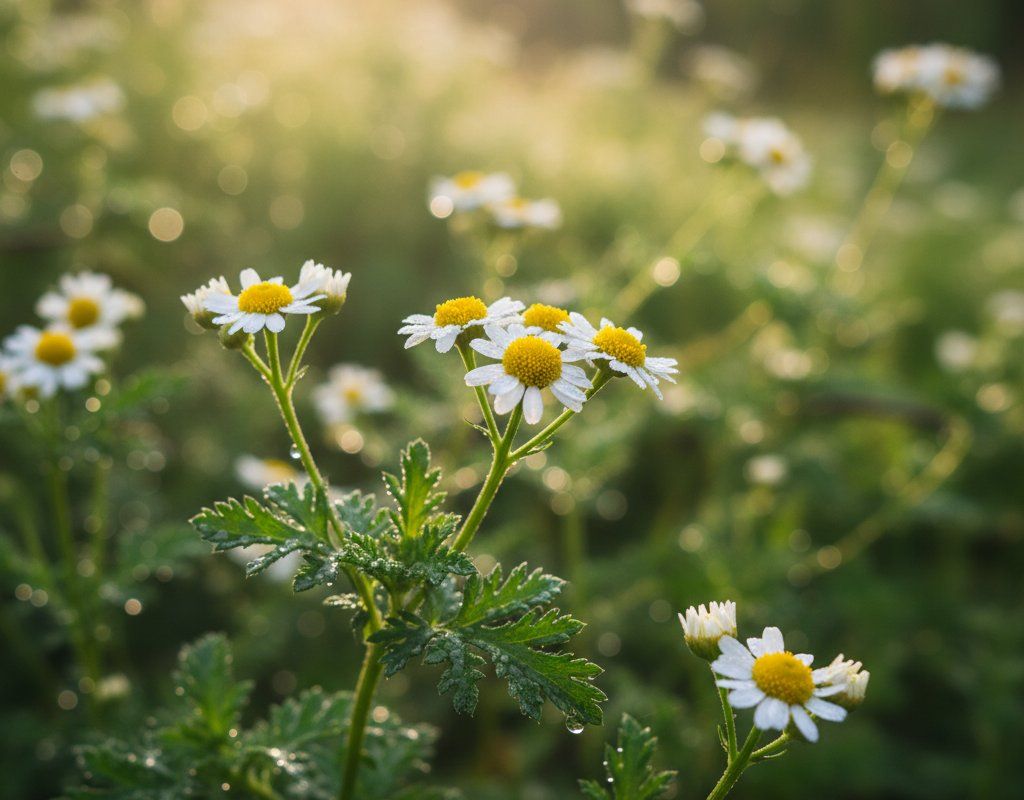
🌸Best Flowers to Plant with Cilantro
These flowers protect your Cilantro from pests and attract pollinators for better harvests.



Get a Reminder When It's Time to Plant
We'll email you when key planting windows open for your zone.