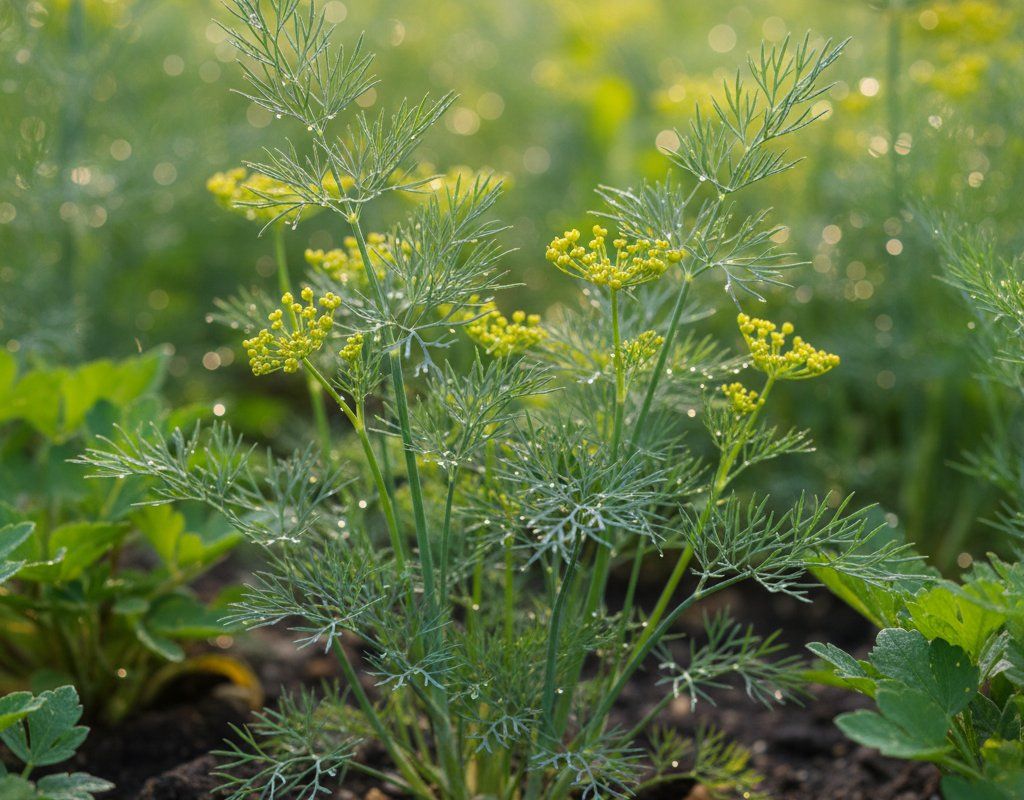
Dill in Zone 8A — Southeast
Anethum graveolens · Your Complete 2026 Planting Guide
Last Call for Seed Starting!
Indoor seed starting window closes in 4 days.
Start Seeds This Week
Start seeds now for transplanting later.
Or Wait for Starts
If you don’t want to start seeds, starts will be available around March 22.
How to Plant Dill in Zone 8A — Southeast
Here are all your options for getting dill in the ground, from the easiest method to more advanced approaches.
Direct Sow Seeds
RecommendedMid March through late September
around March 15
Consider succession planting every 2-3 weeks for continuous harvest.
Dill has a taproot and prefers direct sowing, but transplants work if handled carefully.
Start Seeds Indoors
RecommendedMid February through early March
around February 22
Then transplant: Late March through early May
Start seeds 4-6 weeks before transplanting outdoors.
Buy Starts
Works WellLate March through early May
around March 22
Plant purchased starts after last frost (March 15).
Transplant Outdoors
Timing InfoLate March through early May
around March 22
Can tolerate light frost, but wait for soil to be workable.
You have a nice window — no need to rush.
Fall Planting
Mid September through mid October
October 4 ideal · Direct sow for fall harvest
Plant a second crop in mid-summer for fall harvest. Dill actually prefers the cooling temperatures of fall.
Overview
Dill thrives in our long Southeast growing season, giving you nearly eight months of fresh feathery leaves and aromatic seeds for pickling, cooking, and preserving. With our 245-day growing season, you can succession plant every few weeks from spring through fall, keeping a steady supply of this versatile herb on hand for summer cucumber salads, pickle making, and fish seasoning.
Our hot, humid summers can challenge dill with quick bolting and disease pressure, but smart timing makes all the difference. Plant in the cooler months of spring and fall, and you'll harvest abundantly while avoiding the worst summer heat that sends this herb straight to seed.
Starting Seeds Indoors
Starting dill indoors works well in the Southeast, though it's not your only option. Start seeds mid-February through early March, about four weeks before your planned transplant date. Our moderate spring weather gives you a good window to get seedlings established before summer heat arrives.
Use seed trays with well-draining potting mix and keep them around 65-70°F for best germination. Bottom watering works better than overhead watering to prevent fungal issues in our humid climate. Give seedlings bright light once they emerge - a sunny south window or grow lights work well.
Since dill has a taproot, handle seedlings gently and don't let them get rootbound in their containers. Plan to transplant within 3-4 weeks of germination for best results.
Transplanting Outdoors
Transplant your dill seedlings outdoors from late March through early May, once soil temperatures consistently reach 50°F and the risk of hard frost passes. In our Zone 8A climate, this timing lets you harvest before summer's brutal heat triggers premature bolting.
Harden off seedlings gradually over a week before transplanting - our spring weather can swing between cool mornings and warm afternoons. Start with an hour of morning sun, gradually increasing outdoor time until they can handle full days outside.
Space transplants 12 inches apart in well-amended clay soil. Our heavy clay benefits from adding compost or aged manure to improve drainage. Dill's taproot doesn't love being disturbed, so transplant carefully and water in well to minimize shock.
Direct Sowing
Direct sowing works beautifully for dill in the Southeast and is often the preferred method since dill develops a strong taproot that doesn't love transplanting. You can sow from mid-March through late September, giving you multiple succession plantings throughout our long growing season.
Prepare your planting area by working compost into our clay soil to improve drainage - dill won't tolerate waterlogged conditions. Sow seeds ¼ inch deep when soil temperature reaches 50°F, spacing them to allow 12 inches between mature plants. Seeds germinate best in cooler soil, so spring and fall sowings typically perform better than summer plantings.
For continuous harvest, make succession sowings every 2-3 weeks through spring and again starting in late summer. Summer sowings often bolt quickly in our heat, so save those months for other herbs and focus on dill during cooler periods.
Watering Dill in Zone 8A (Southeast)
Dill needs moderate, consistent moisture but can't tolerate waterlogged clay soil - a common challenge here in the Southeast. Water deeply once or twice per week, providing about 1 inch total including rainfall. Our 45-55 inches of annual rainfall often covers this during growing season, but you'll need to supplement during dry spells.
Use the finger test to check soil moisture 2 inches down before watering. Our clay soil holds moisture longer than sandy soils, so overwatering is often more problematic than underwatering. Water at the plant base rather than overhead to reduce disease pressure in our humid climate - wet foliage combined with our humidity creates perfect conditions for fungal problems.
Watch for signs of stress during our hot summers. Underwatered dill wilts and bolts quickly, while overwatered plants show yellowing leaves and stunted growth. Inconsistent watering - wet then dry cycles - triggers early flowering and bitter leaves.
Apply 2-3 inches of organic mulch around plants to retain moisture and keep roots cool during heat waves. Pine straw or shredded leaves work well in our climate and help prevent soil compaction when our afternoon thunderstorms hit.
🧪Fertilizing Dill
Feeding Schedule
Organic Fertilizer Options
Harvest Time
Your first dill harvest typically arrives 40 days after planting, which puts spring-planted crops ready by late April and fall plantings producing through late November until our first frost hits. Start harvesting feathery leaves once plants reach 4-6 inches tall - the young growth has the best flavor before summer heat makes leaves bitter.
Cut individual stems or pinch off outer leaves regularly to encourage continued growth. Harvest in early morning when essential oils are strongest, and always cut just above a set of leaves to promote bushier growth. For fresh use, cut what you need; for drying, harvest larger quantities just before flowers appear.
If you want dill seed for pickling, let some plants flower and go to seed. Harvest seed heads when they turn brown and dry - usually 90 days from planting. Cut the entire head into a paper bag and shake to release seeds. The timing often works perfectly with late summer cucumber harvest for fresh pickle making.
Keep succession planting every 2-3 weeks through spring and again starting in late August. This gives you fresh dill leaves almost continuously through our long growing season, with the final fall crop producing right up until mid-November frost ends the harvest.
Common Problems in Zone 8A (Southeast)
Bolting shows up as tall flower stalks shooting up from your dill plants, making the leaves bitter and ending your harvest early. You'll notice the feathery foliage changing texture and the plant focusing energy on producing seeds rather than tender leaves. This happens fast in our hot Southeast summers - plants can bolt within days once triggered.
Heat stress is the main culprit here, along with inconsistent watering during our humid summer months. Once temperatures consistently hit the 80s and 90s, dill shifts into survival mode and rushes to reproduce. Plant during cooler months (spring and fall) and provide afternoon shade during heat waves. Keep soil consistently moist but not waterlogged in our clay soil.
Aphids appear as clusters of tiny green, black, or white insects on stems and leaf undersides, leaving sticky honeydew residue behind. You'll see curled or distorted new growth where they've been feeding. These soft-bodied pests multiply rapidly in our warm, humid conditions and can quickly overwhelm young plants.
Our hot, humid climate creates perfect breeding conditions for aphid populations. They're particularly problematic during warm spring weather before beneficial insects become active. Spray them off with a strong water stream early morning or evening. Encourage ladybugs and lacewings by planting native flowers nearby. For heavy infestations, insecticidal soap works well in our climate - apply during cooler parts of the day to avoid leaf burn.
Caterpillars, especially parsley worms (black swallowtail larvae), can strip dill plants quickly. You'll find large green caterpillars with black stripes and yellow spots munching through stems and leaves. While they're beautiful butterflies in the making, they can devastate small dill plantings.
These caterpillars are actually native black swallowtail butterfly larvae, and dill is one of their preferred host plants. Hand-pick larger caterpillars and relocate them to wild plants if possible, or use Bt (Bacillus thuringiensis) for severe infestations. Our long growing season means multiple generations, so check plants regularly through summer and fall.
Southeast Specific Challenges: Our hot, humid summers create intense disease pressure and rapid pest reproduction cycles that Northern gardeners don't face. The combination of heat, humidity, and frequent afternoon thunderstorms means fungal problems develop quickly and aphid populations explode. Focus on spring and fall plantings, ensure good air circulation, and water at soil level rather than overhead to work with our climate instead of against it.
Best Companions for Dill
Plant these nearby for healthier Dill and better harvests.


Keep Away From
Companion Planting Details
Dill makes an excellent companion for cabbage family crops, cucumbers, and onions throughout our Southeast growing season. Plant it near cabbage, broccoli, and Brussels sprouts to attract beneficial insects that prey on cabbage worms and aphids - particularly valuable given our region's intense pest pressure. Dill's flowers provide nectar for parasitic wasps that control many garden pests naturally.
Cucumbers and dill grow beautifully together, both preferring similar growing conditions and harvest timing. The dill helps repel cucumber beetles while you harvest both for fresh eating and pickle making during our productive summer months. Onions planted nearby help deter aphids and other soft-bodied pests that multiply quickly in our humid climate. Avoid planting dill near carrots (it can stunt their growth) or tomatoes (different watering needs and potential disease transmission issues in our high-humidity environment).
🌸Best Flowers to Plant with Dill
These flowers protect your Dill from pests and attract pollinators for better harvests.
For Pest Control




Get a Reminder When It's Time to Plant
We'll email you when key planting windows open for your zone.